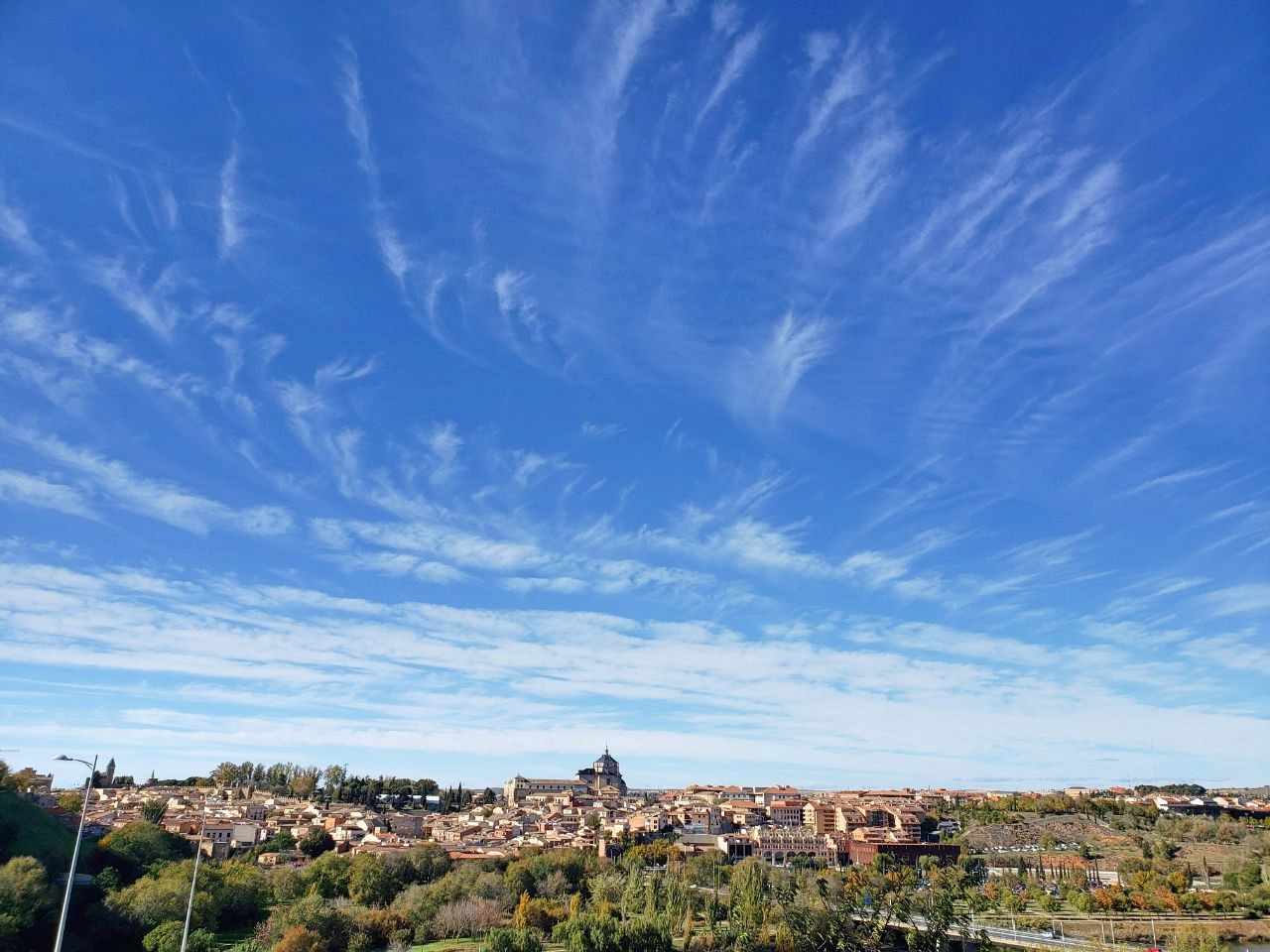
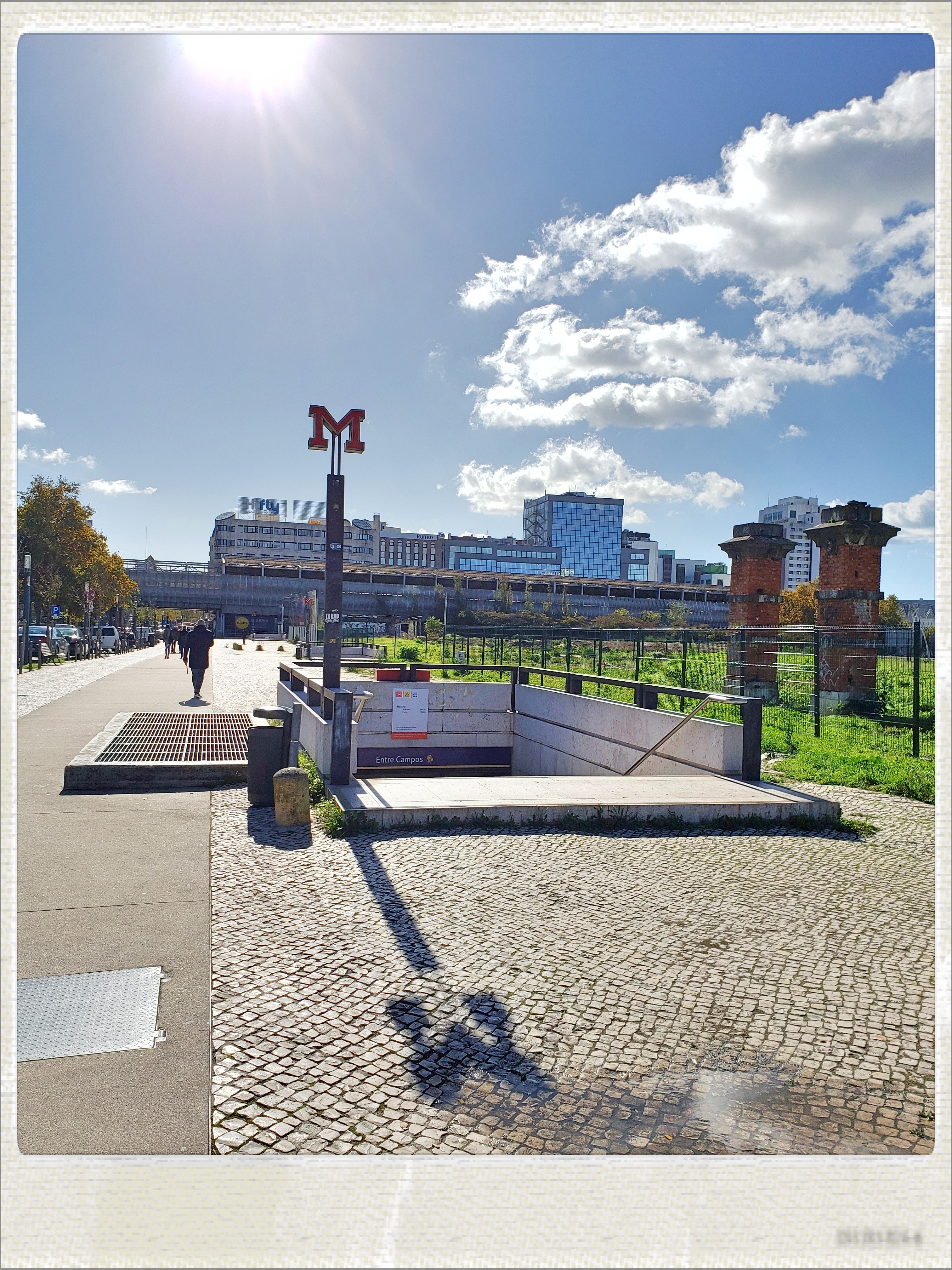
Entrecampos
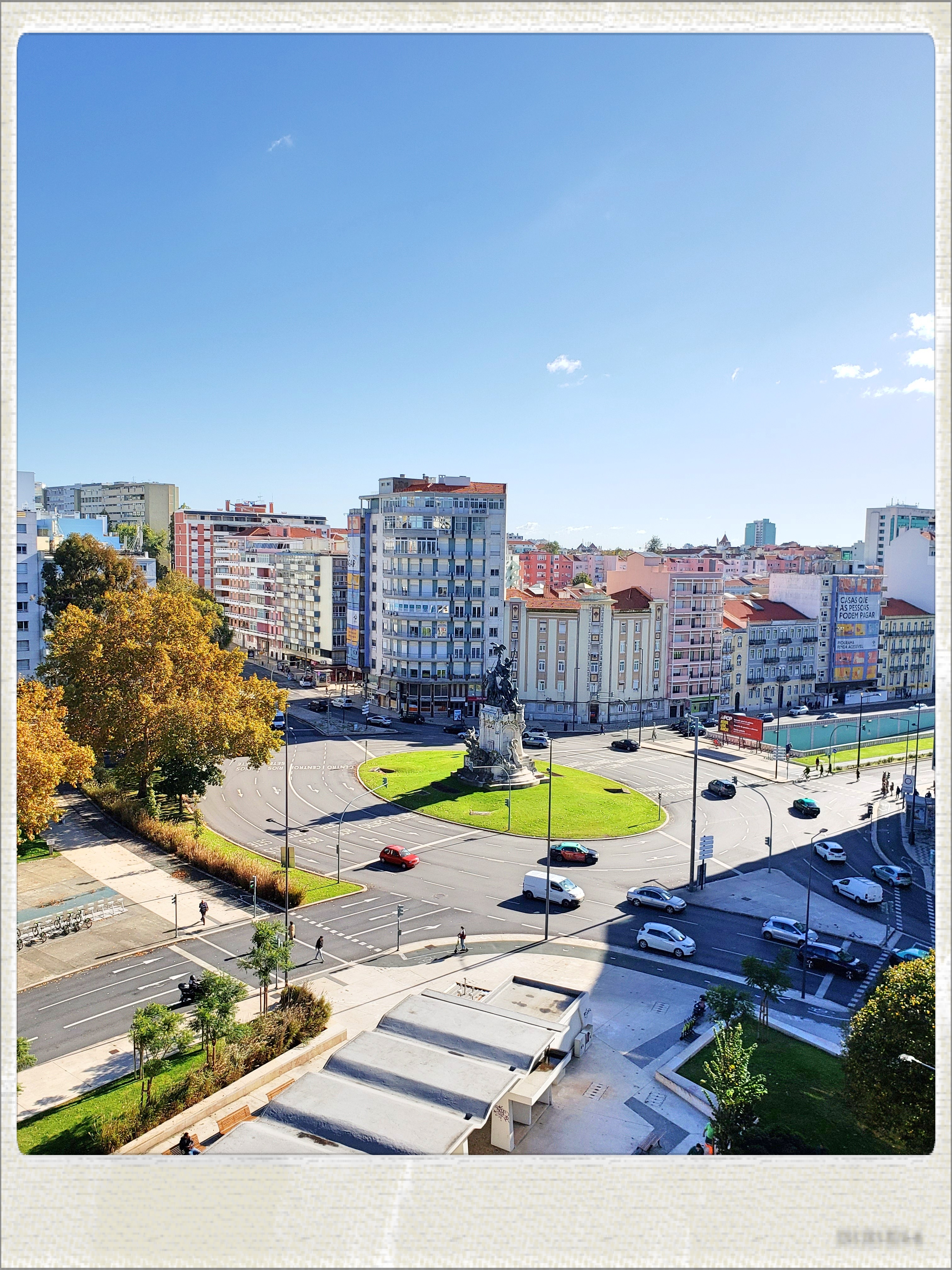
Overlooking the graceful Entrecampos Roundabout (Rotunda de Entrecampos), the room of the 3-star hotel that I stayed offered a brilliant view of the nearby neighborhood.
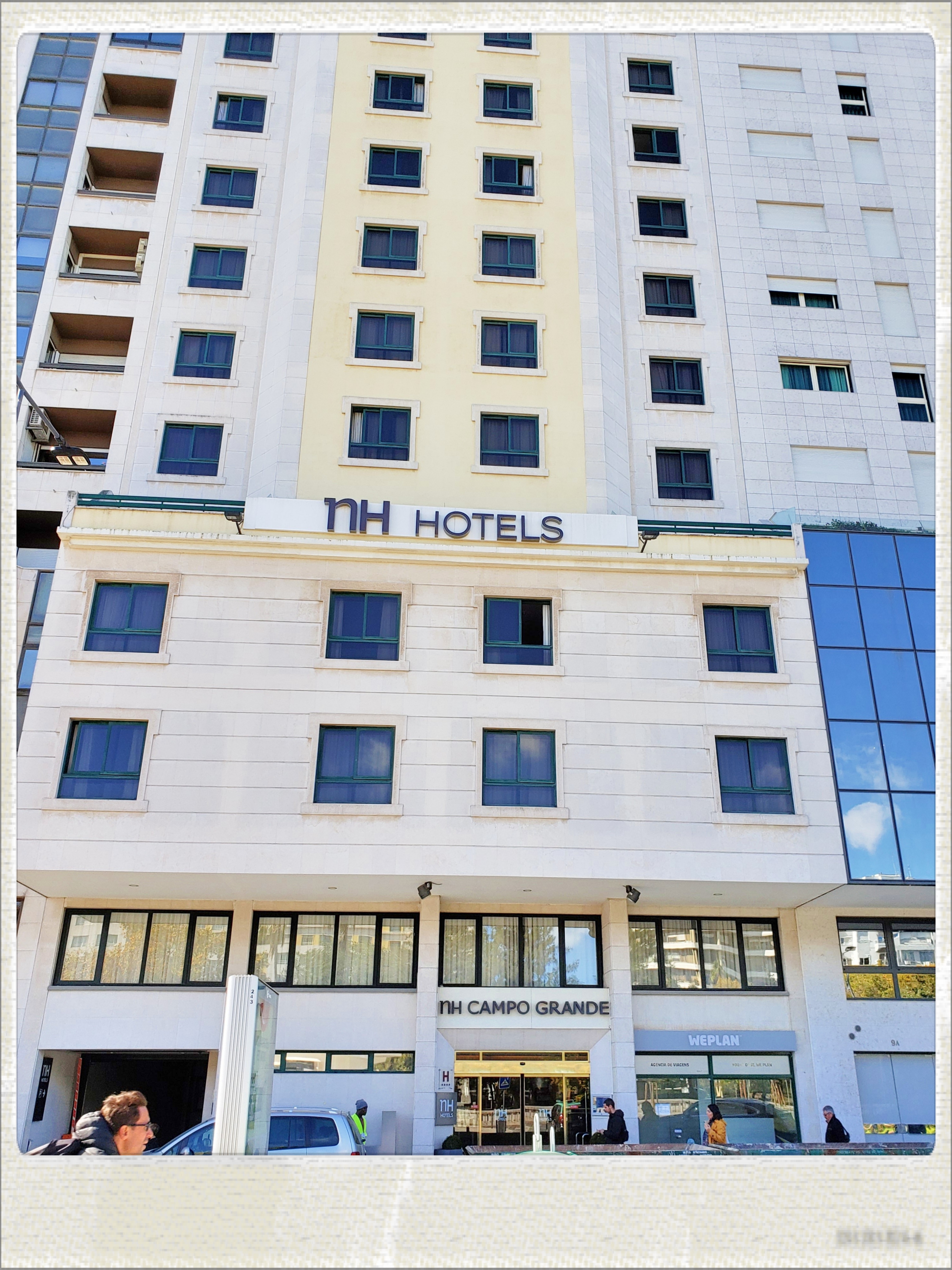
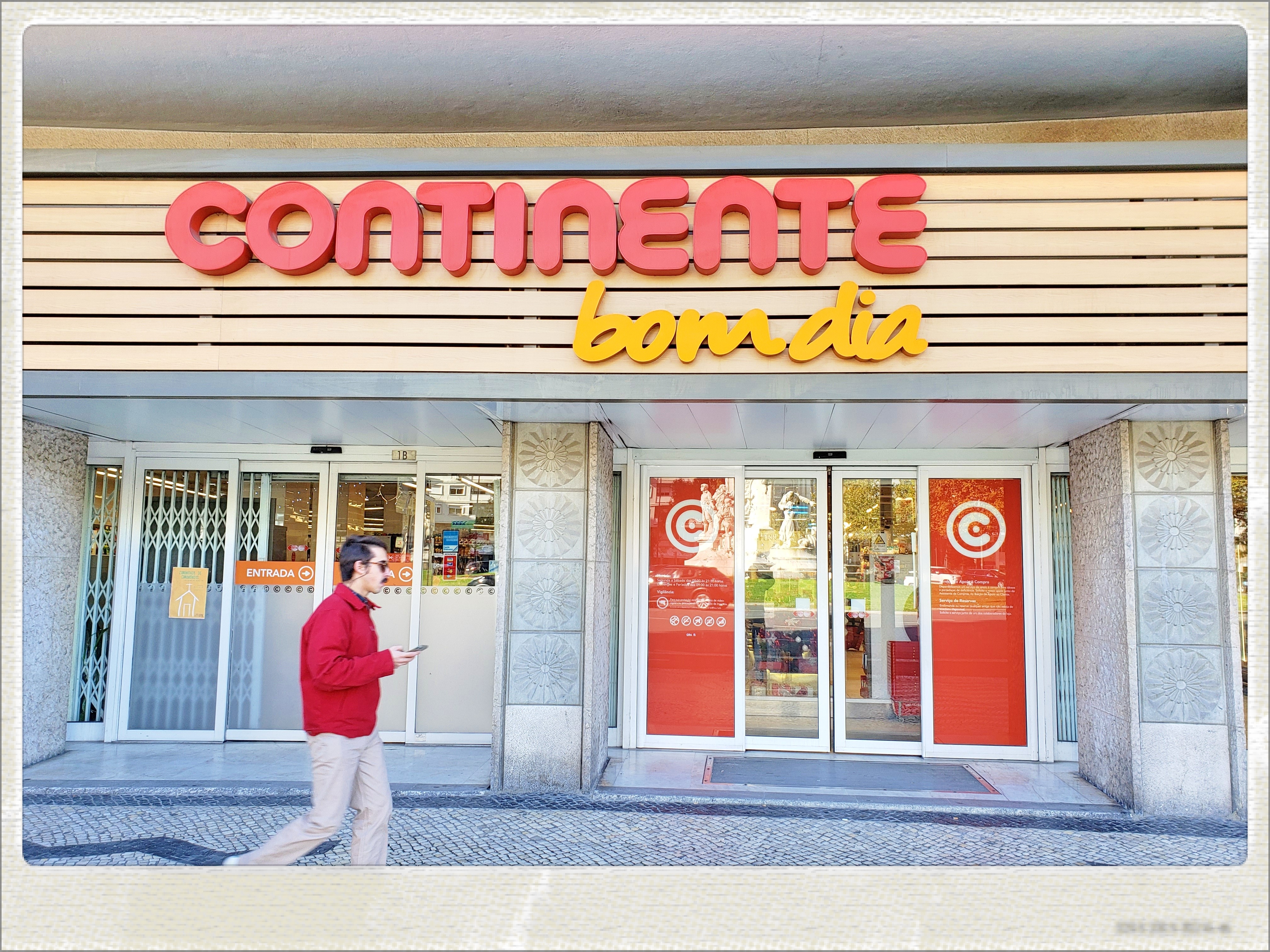
Avenue Republica
As usual, on the very first day of my visit, I prefer getting myself acquainted to a strange city on foot as opposed to taking any form of transportation and Lisbon had no difference.
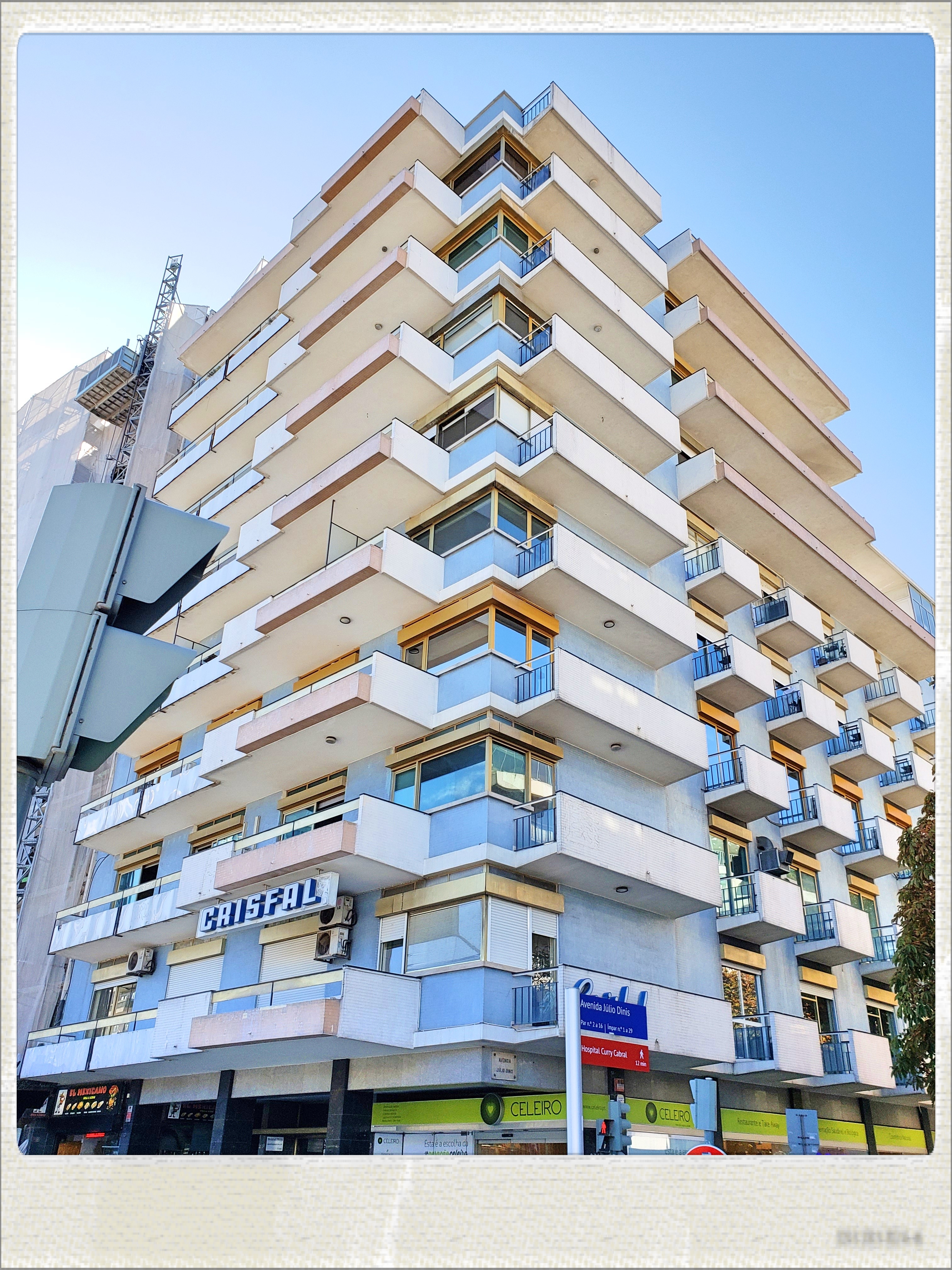
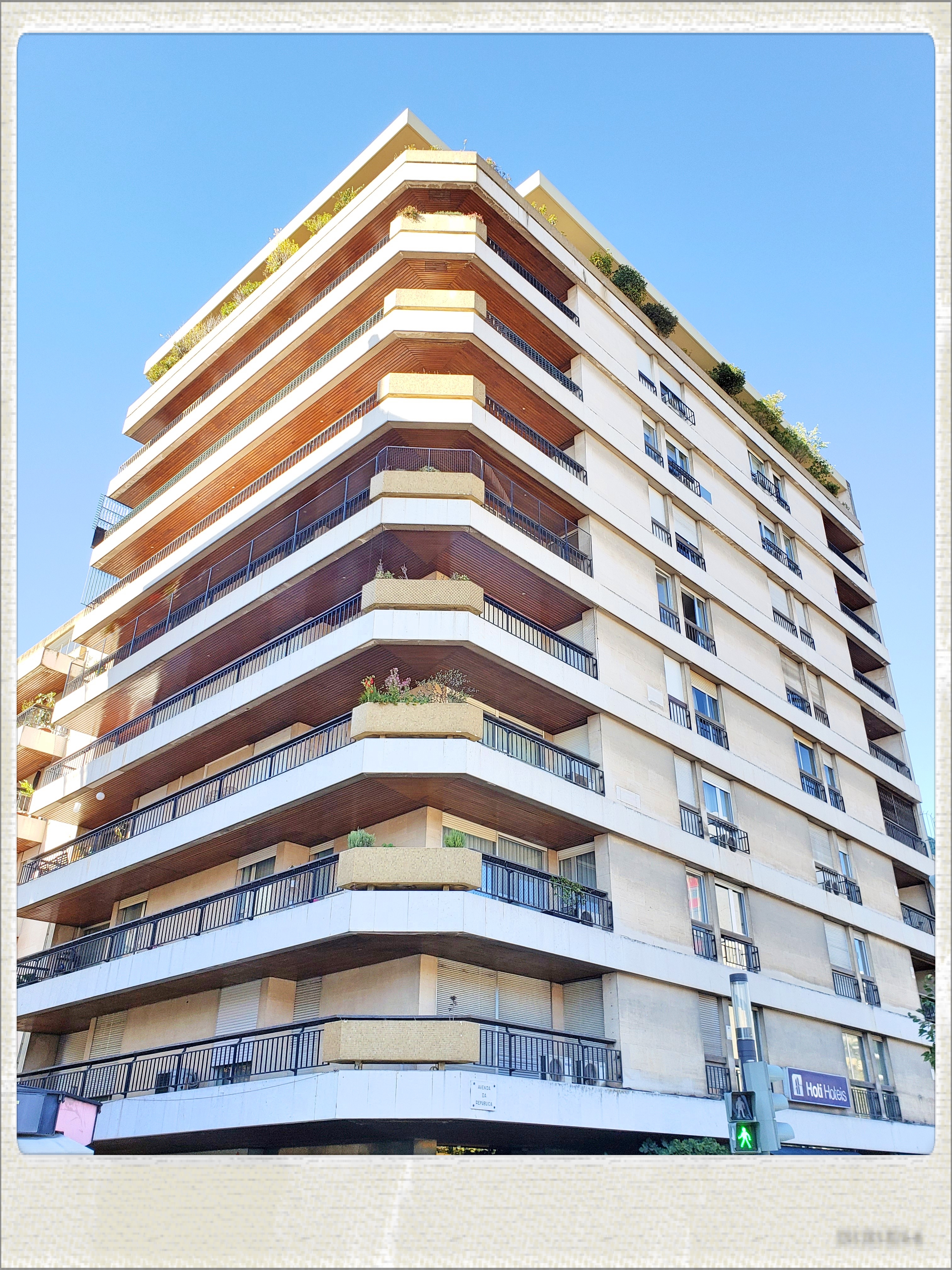
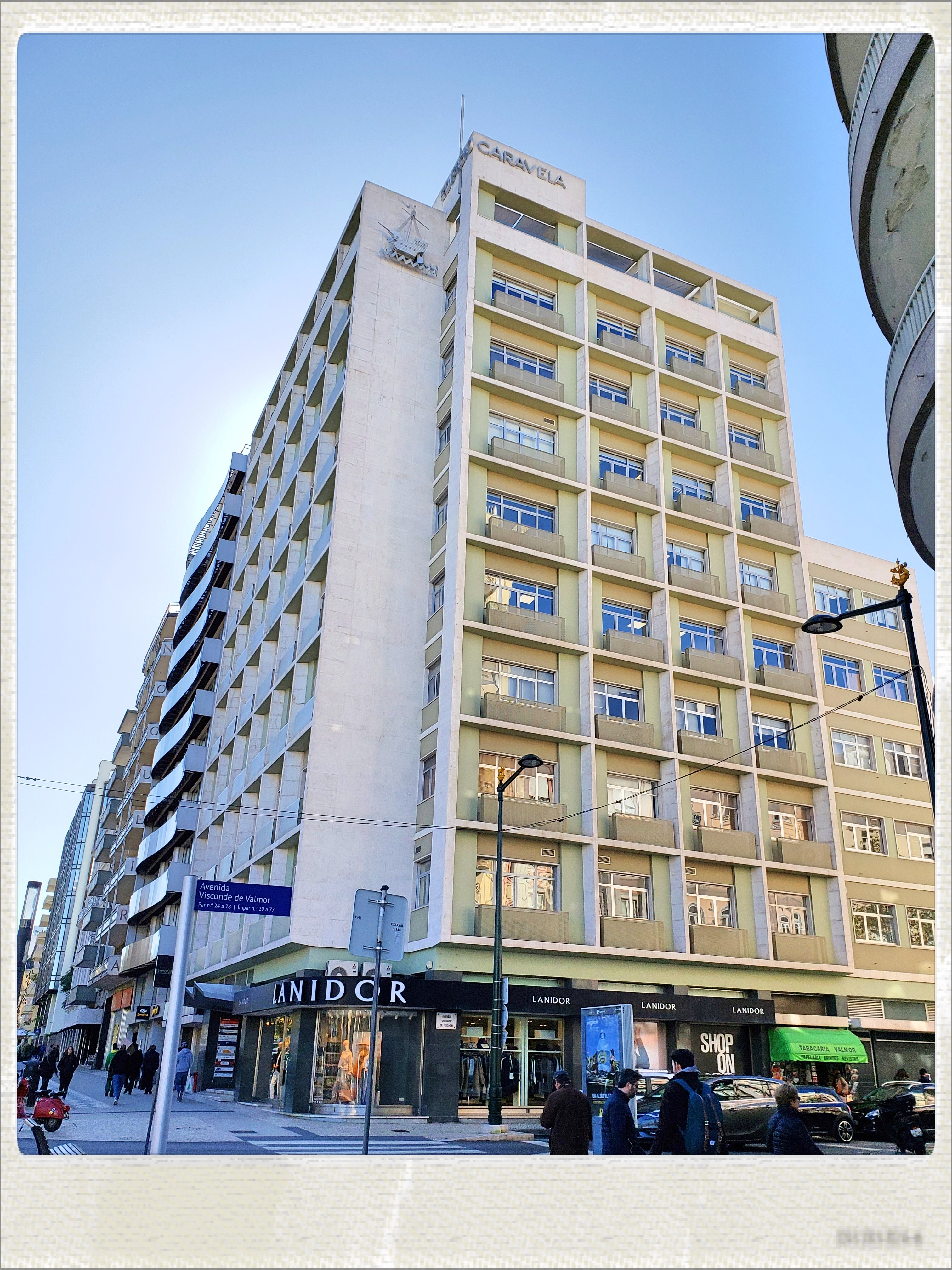
Rambling along Avenue Republica, the boulevard leading to the city centre in the south, 8-story modern apartment buildings with exceptionally huge balconies came into sight one by one. There’s hardly any beautiful structure of this kind in the city I live.
Sheraton Lisboa Hotel and Spa
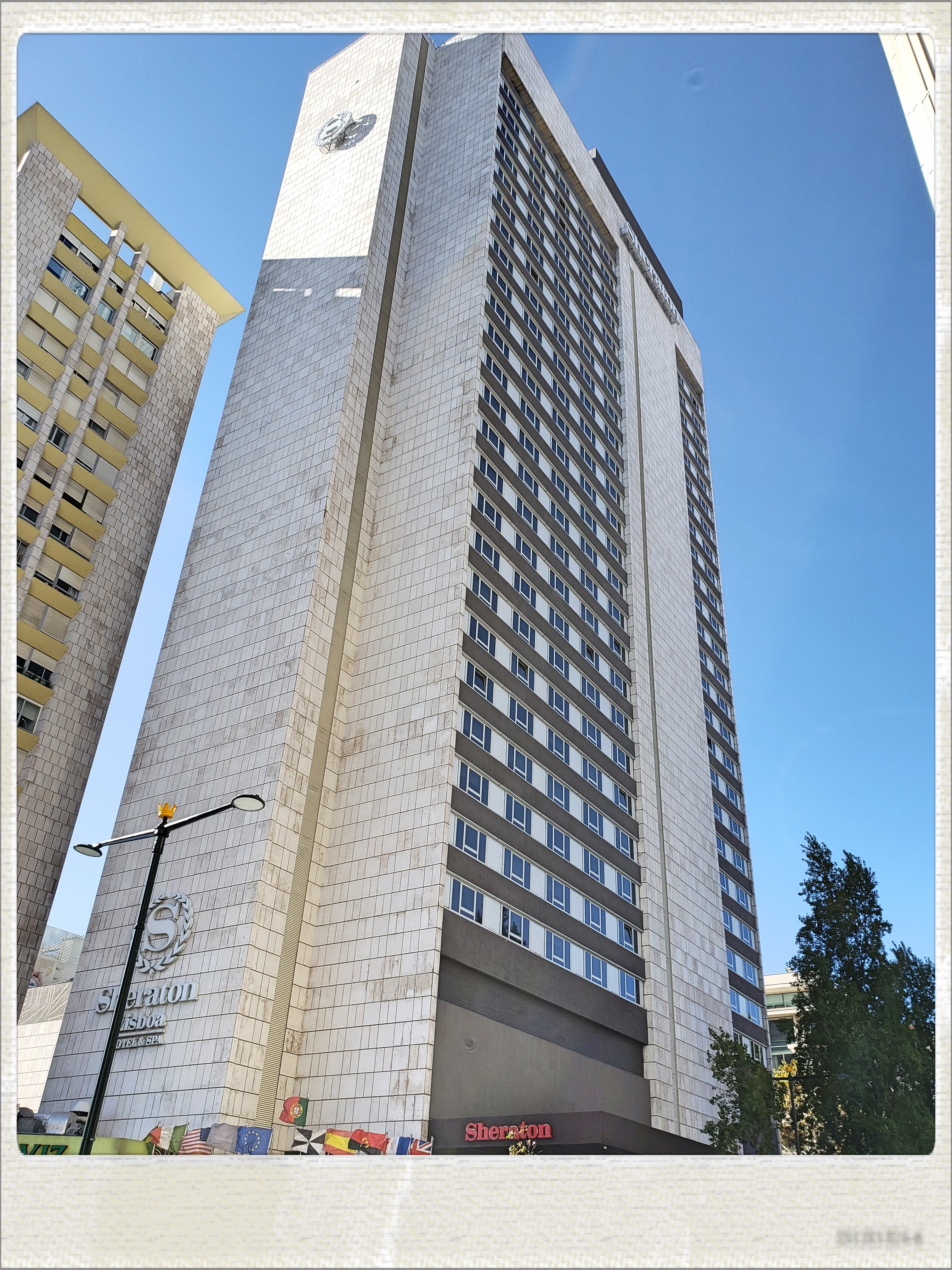
Standing along Avenue Fortes Pereira de Melo, the building that housed the Sheraton Lisboa Hotel and Spa was notable for the brownish white palette, the simple design and its height.
Marquis of Pombal Square (Praca do Marquis de Pombal)
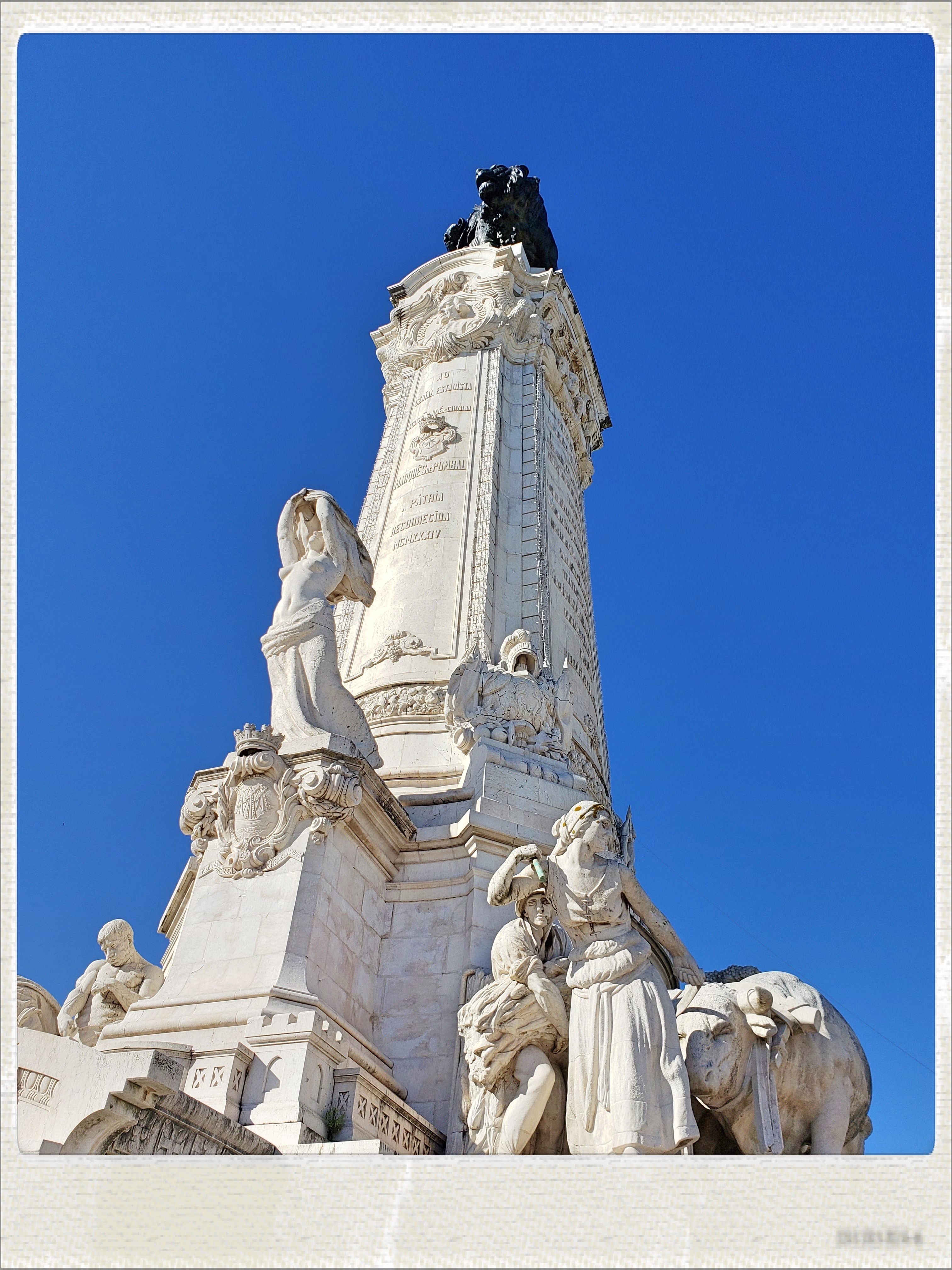
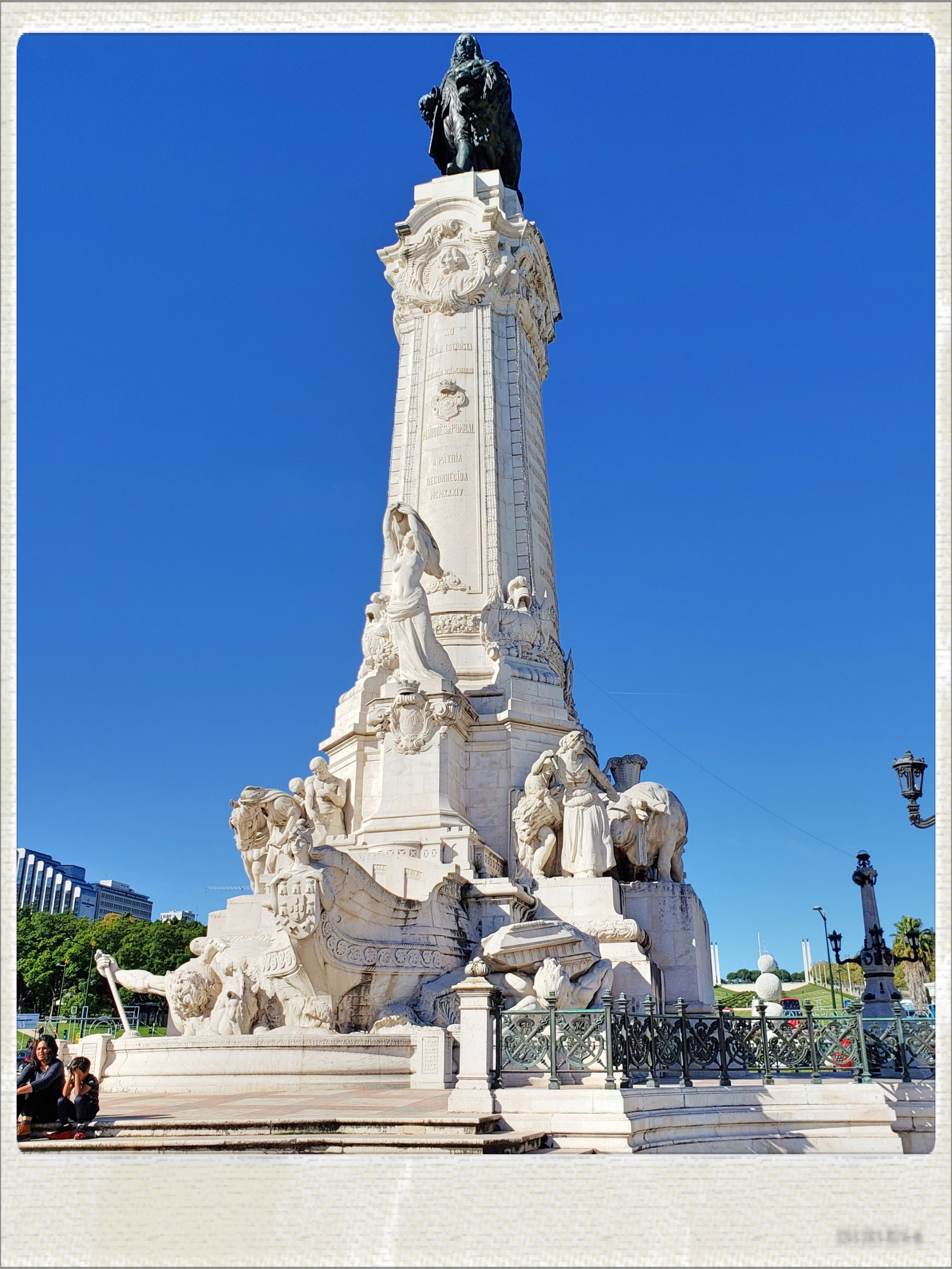
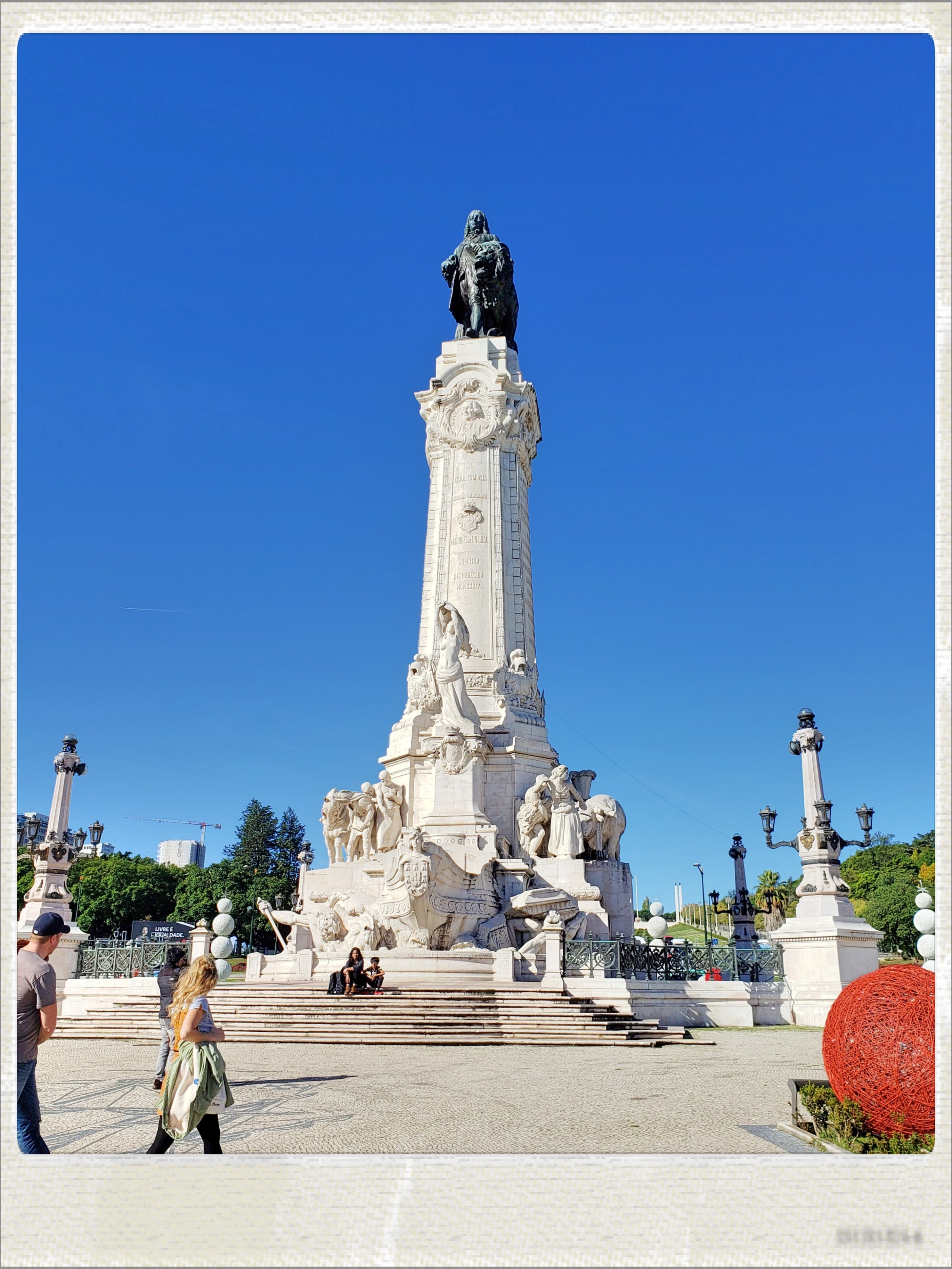
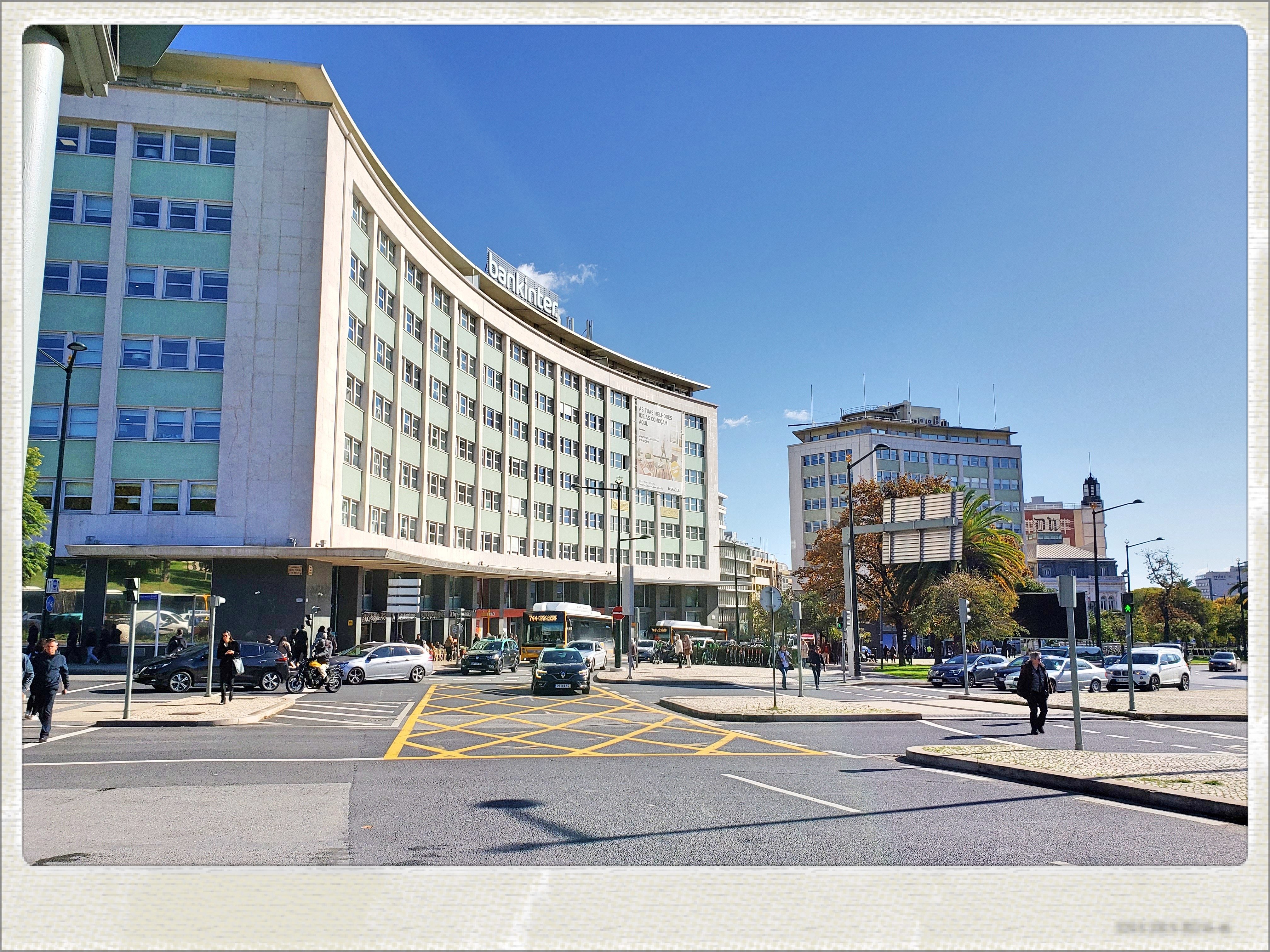
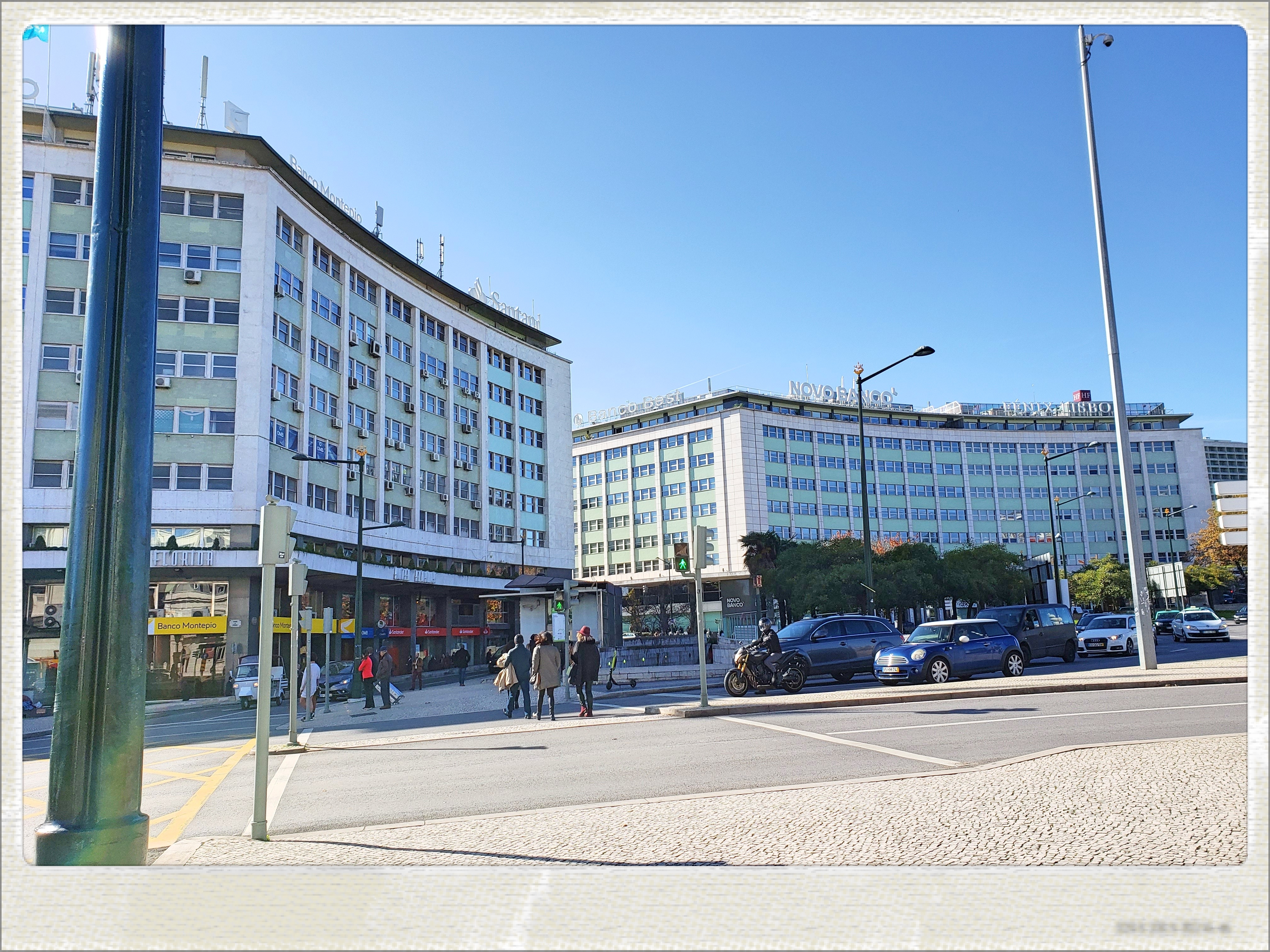
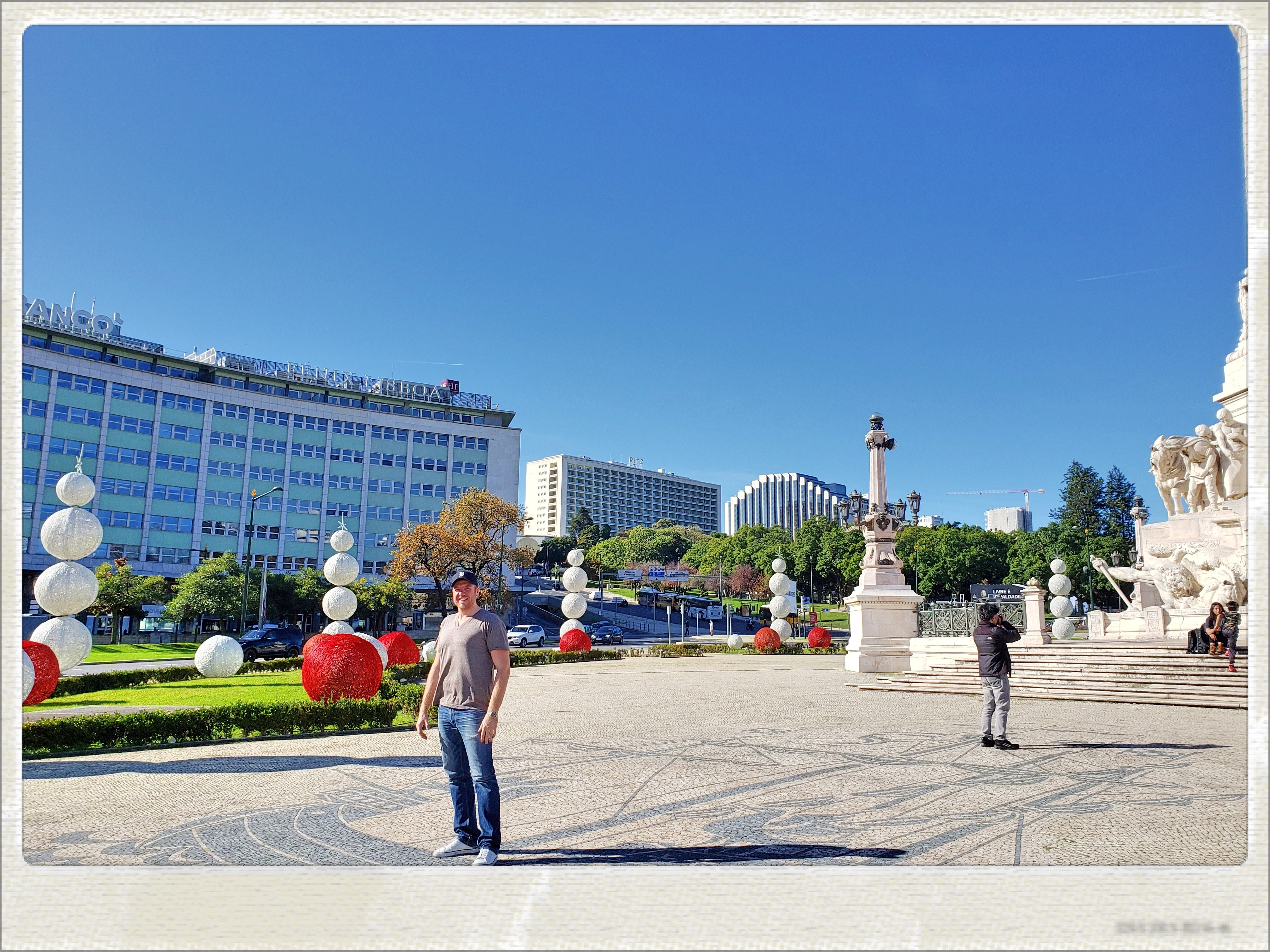
The splendor and vastness of Marquis of Pombal Square could hardly go unnoticed by anyone who passed by.
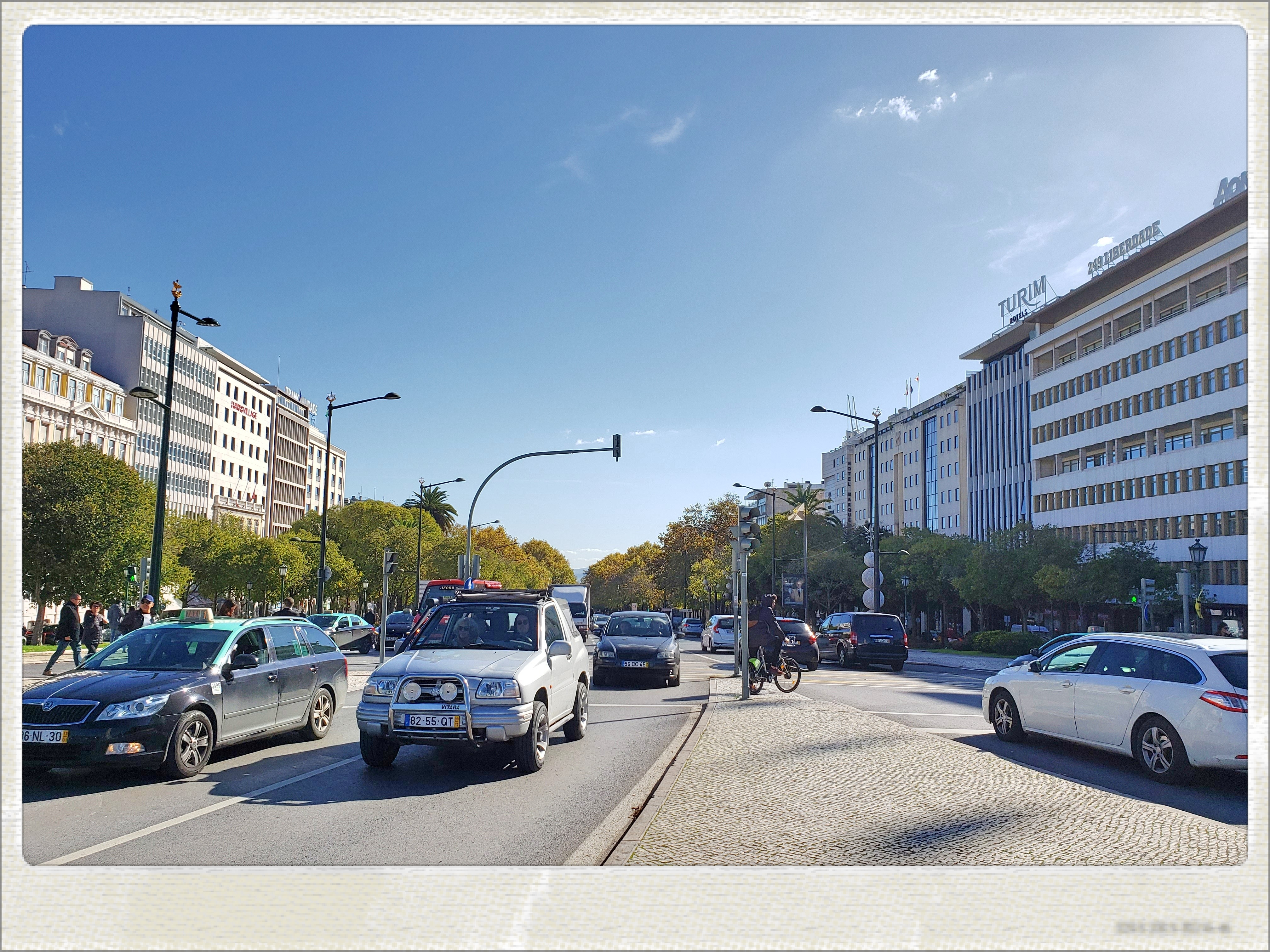
Being one of the major roundabouts with high volume of traffic in Lisbon, it’s the radial point of various important avenues including Liberdade, Duque de Loulé and Fontes Pereira de Melo, as well as the streets Braamcamp and Joaquim António de Aguiar.
At the centre of the roundabout stood the the most eye-catching soaring white marble column surmounting a bronze sculpture. The roundabout and the monument alike are dedicated to the first Marquis of Pombal, the powerful prime minister who ruled Portugal from 1750-1777.
Avenue da Liberdade
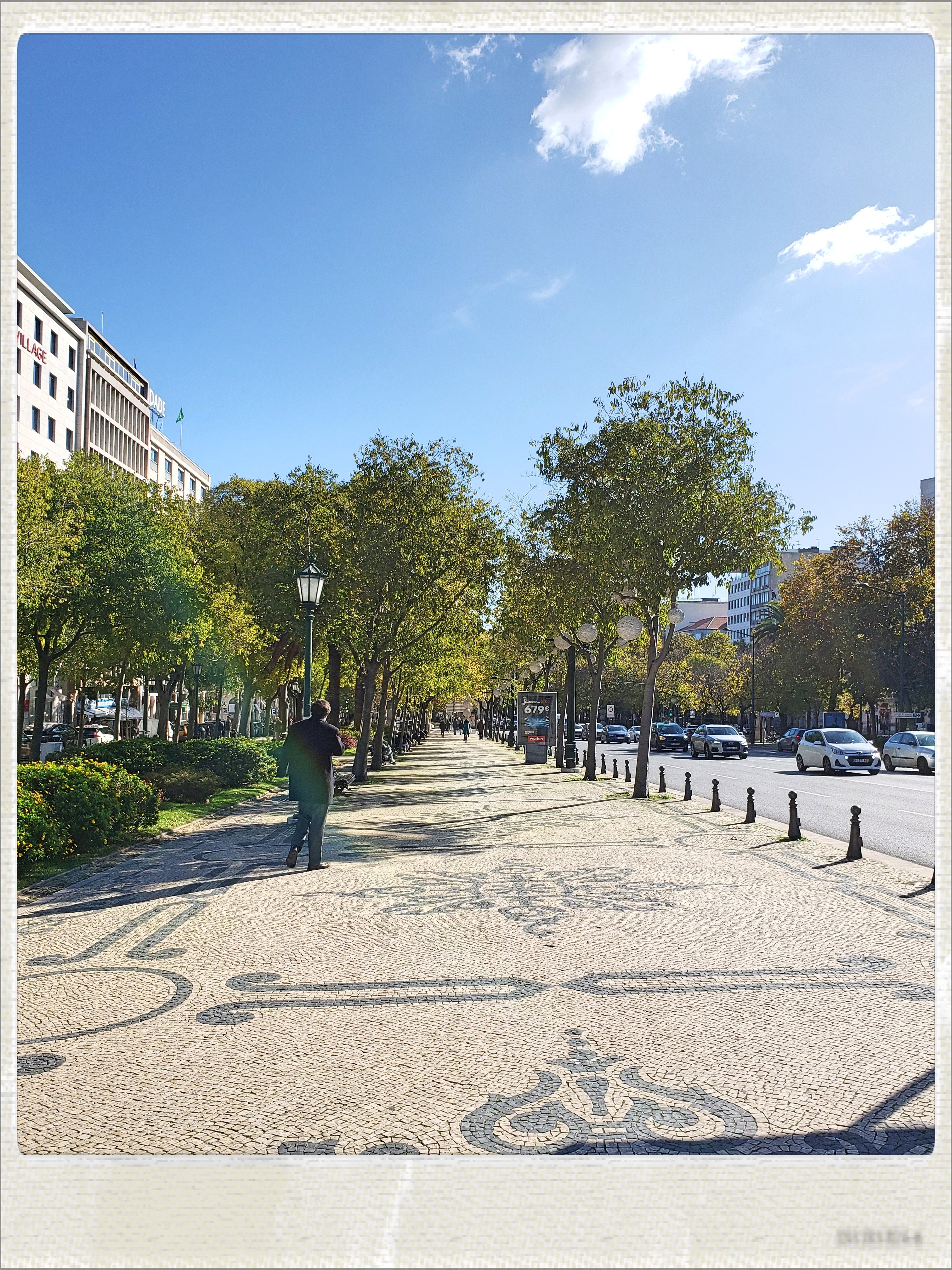
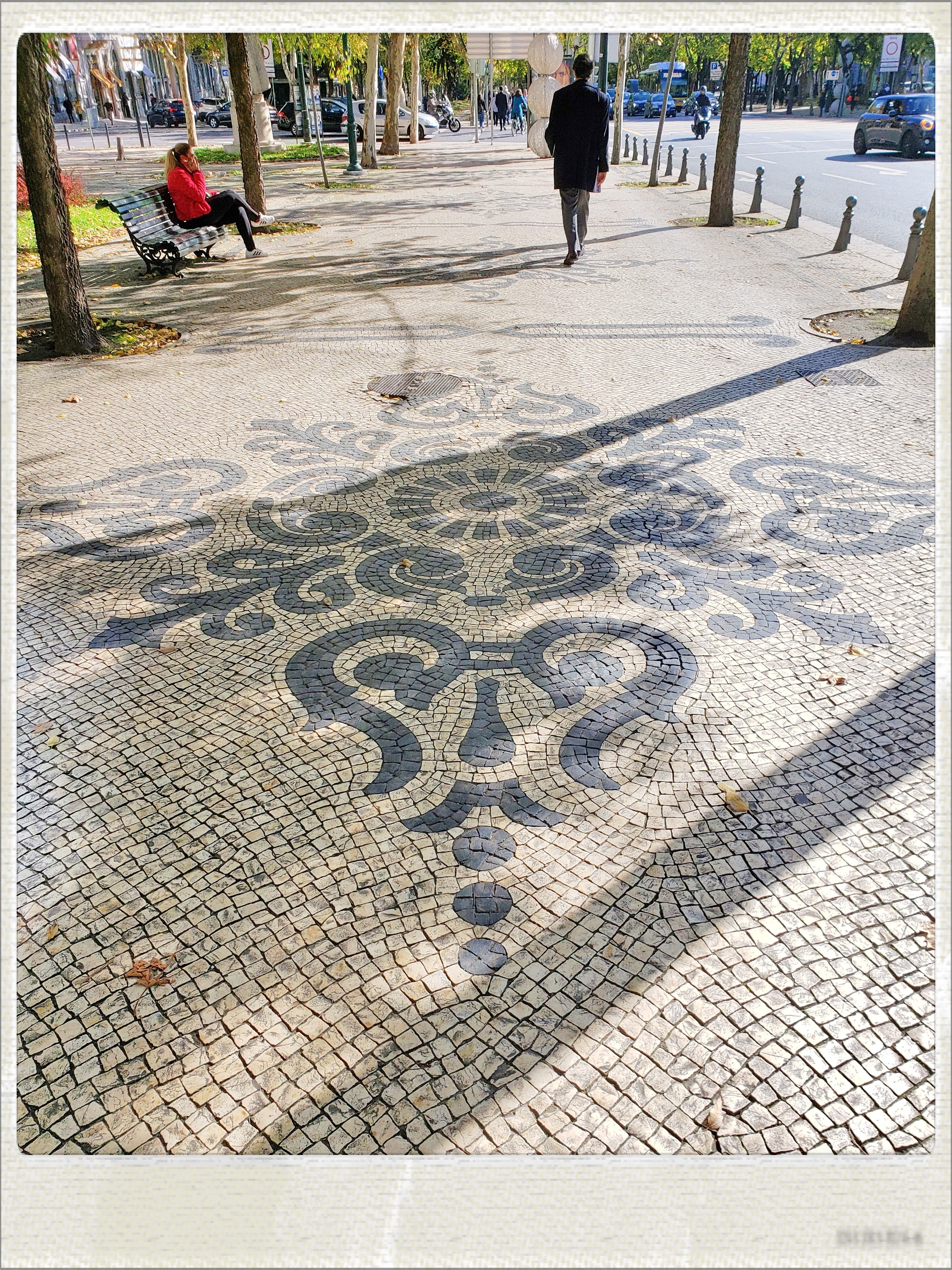
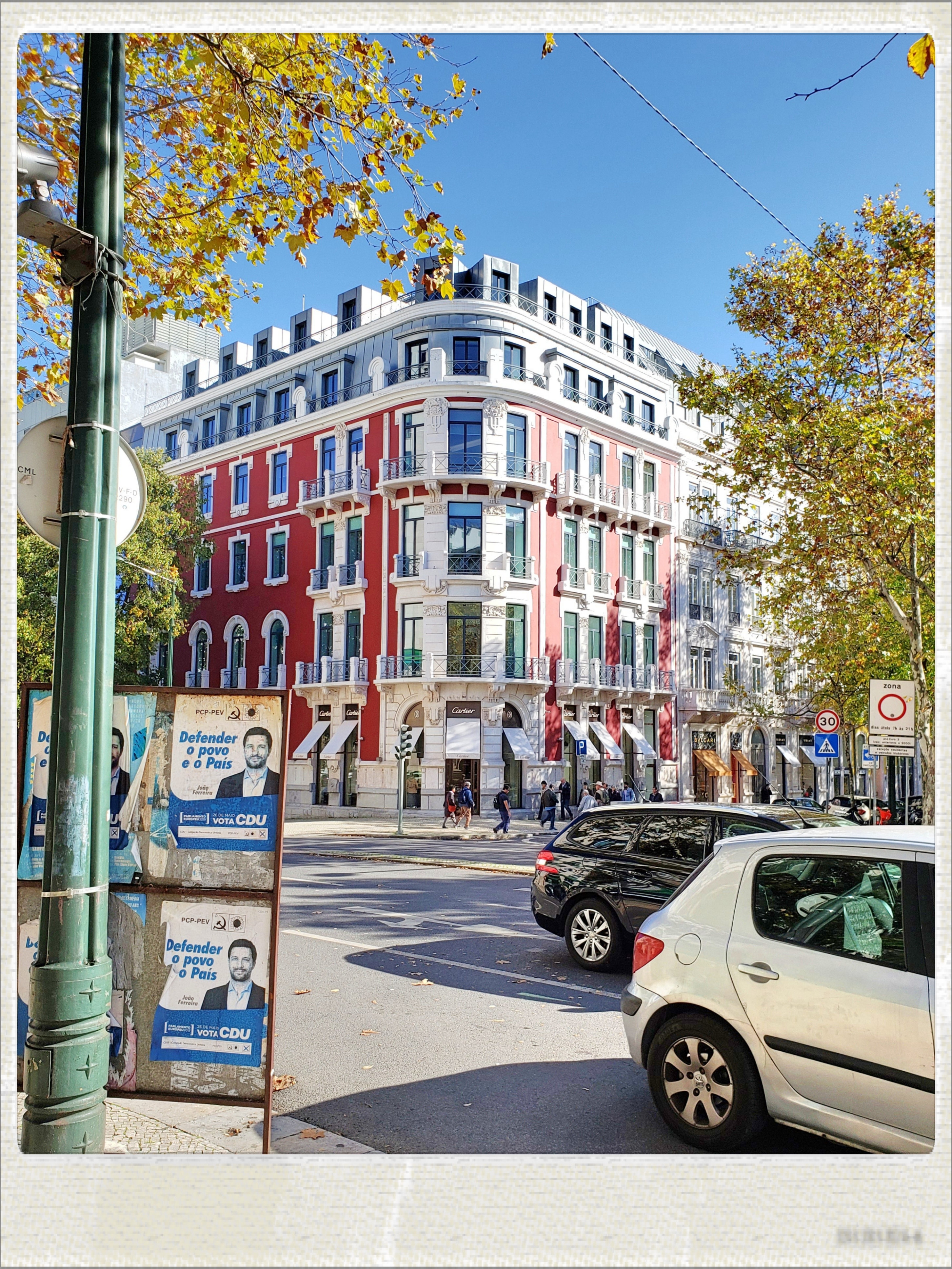
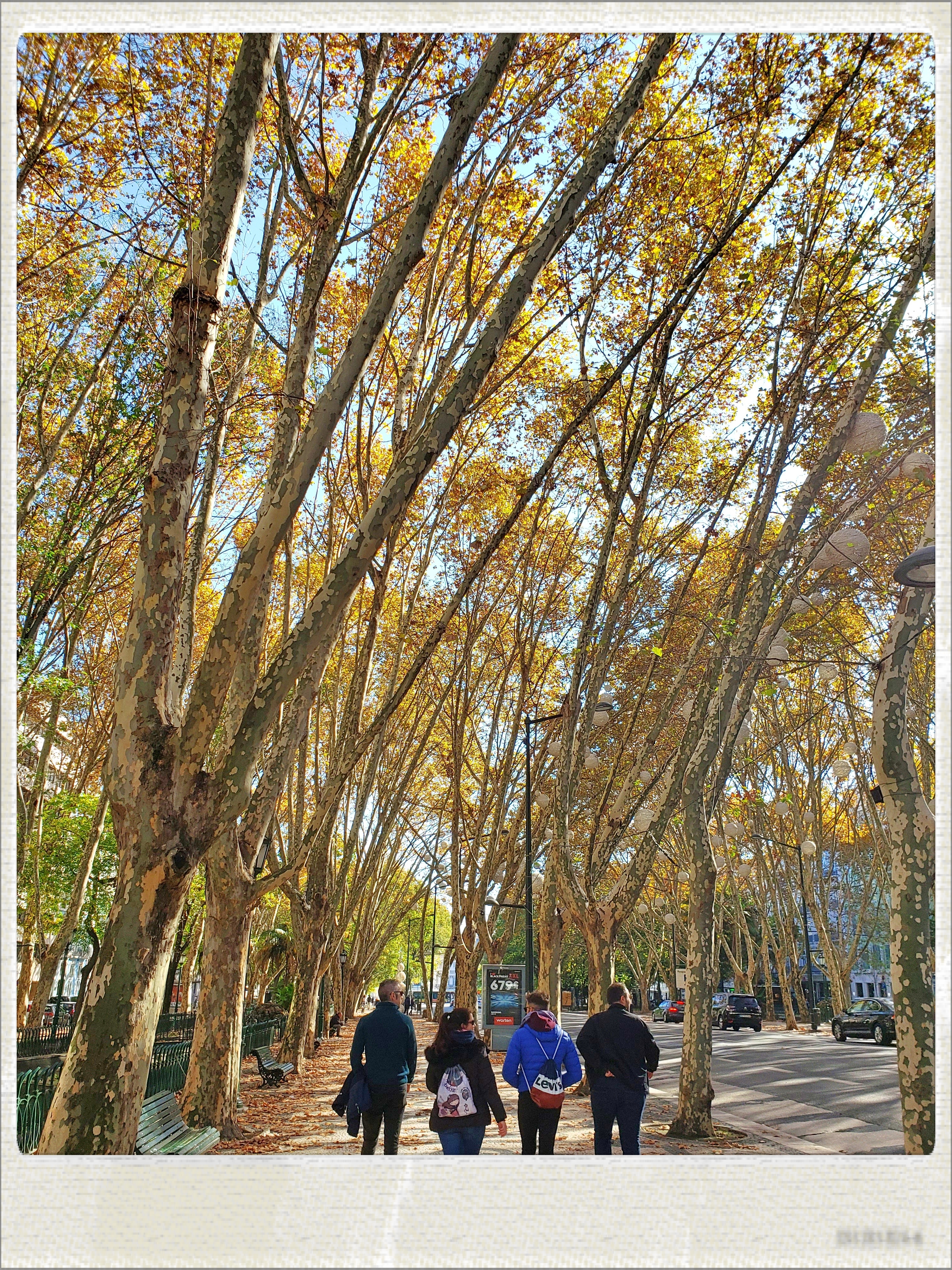
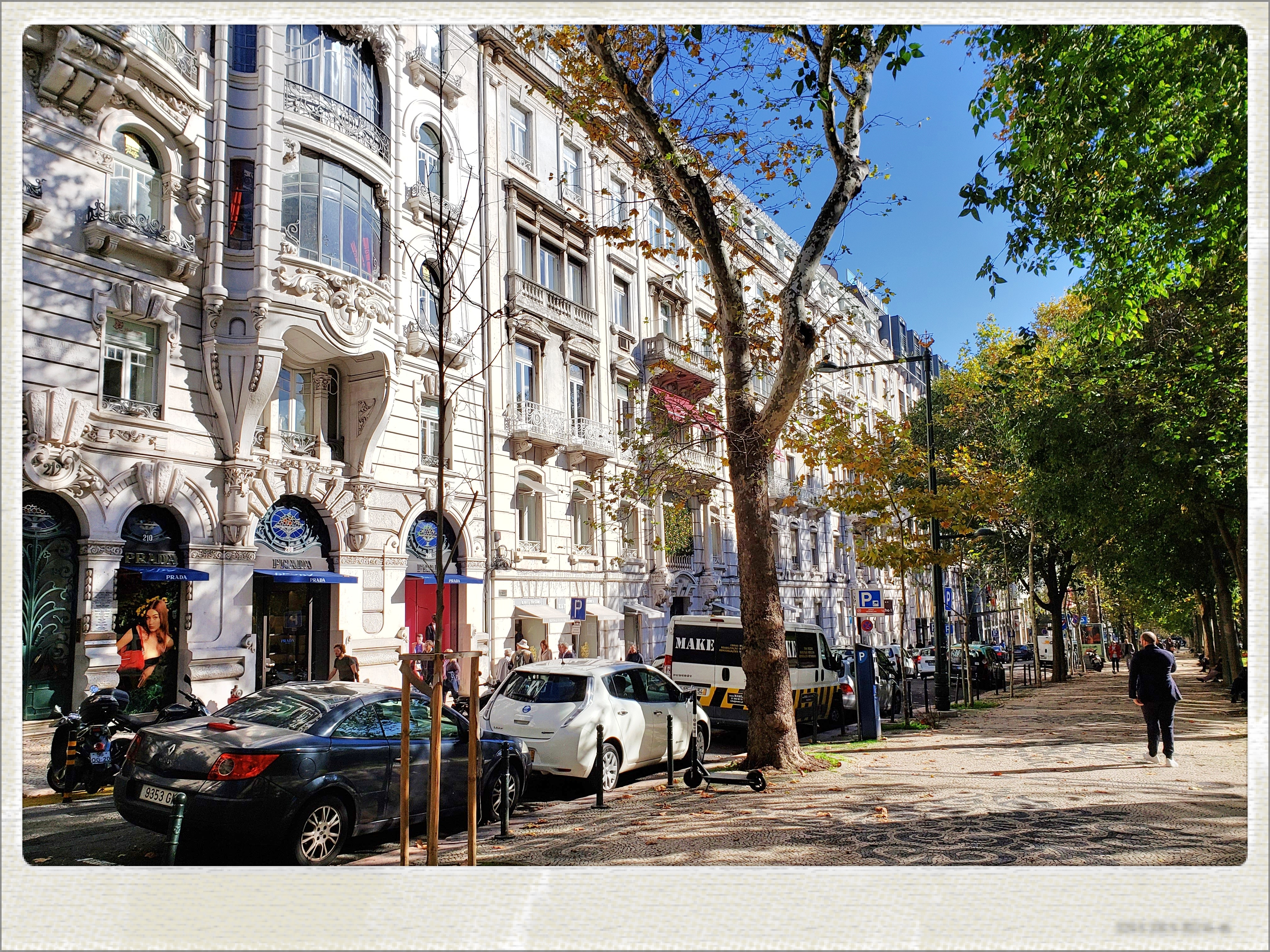
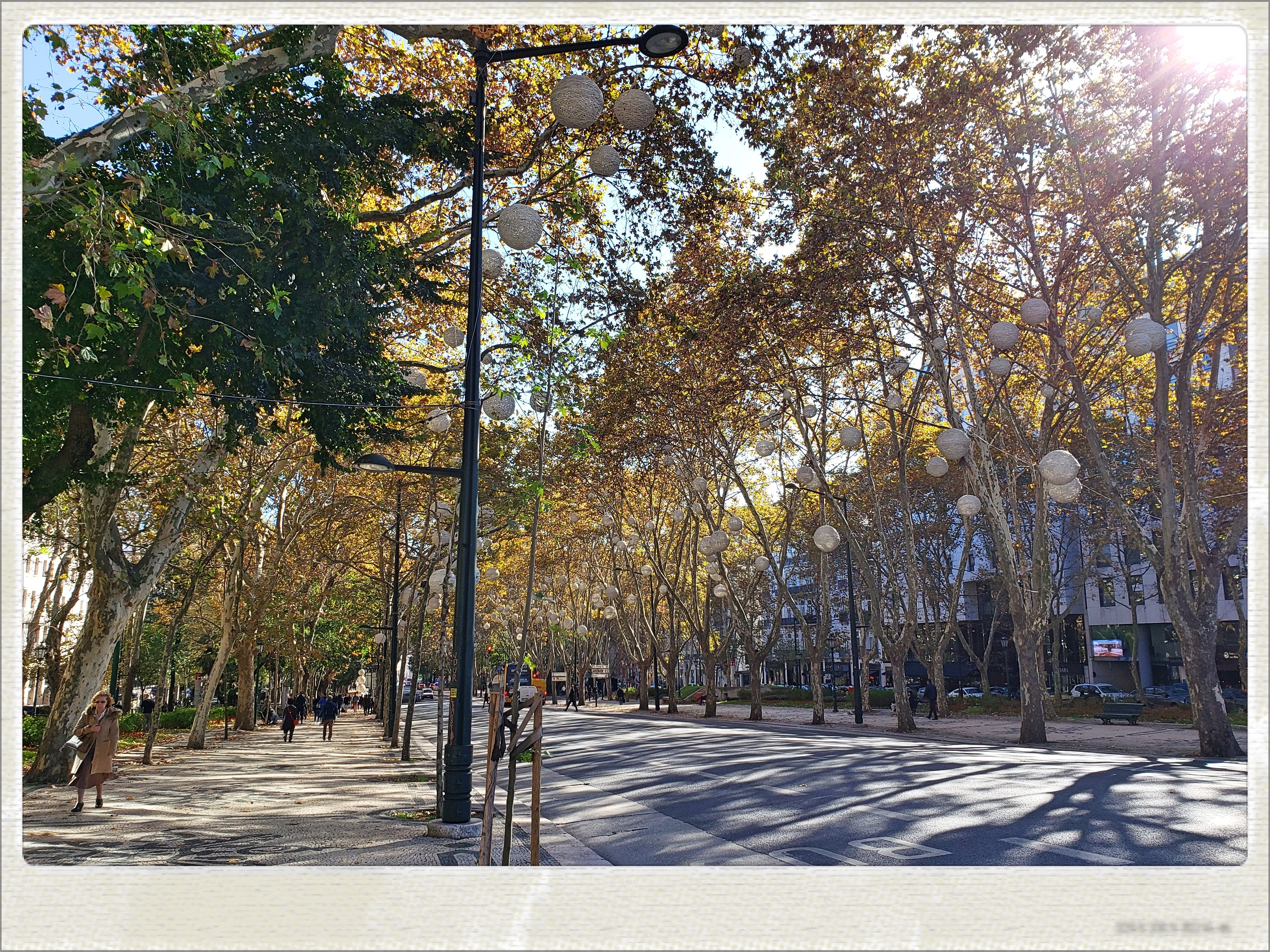
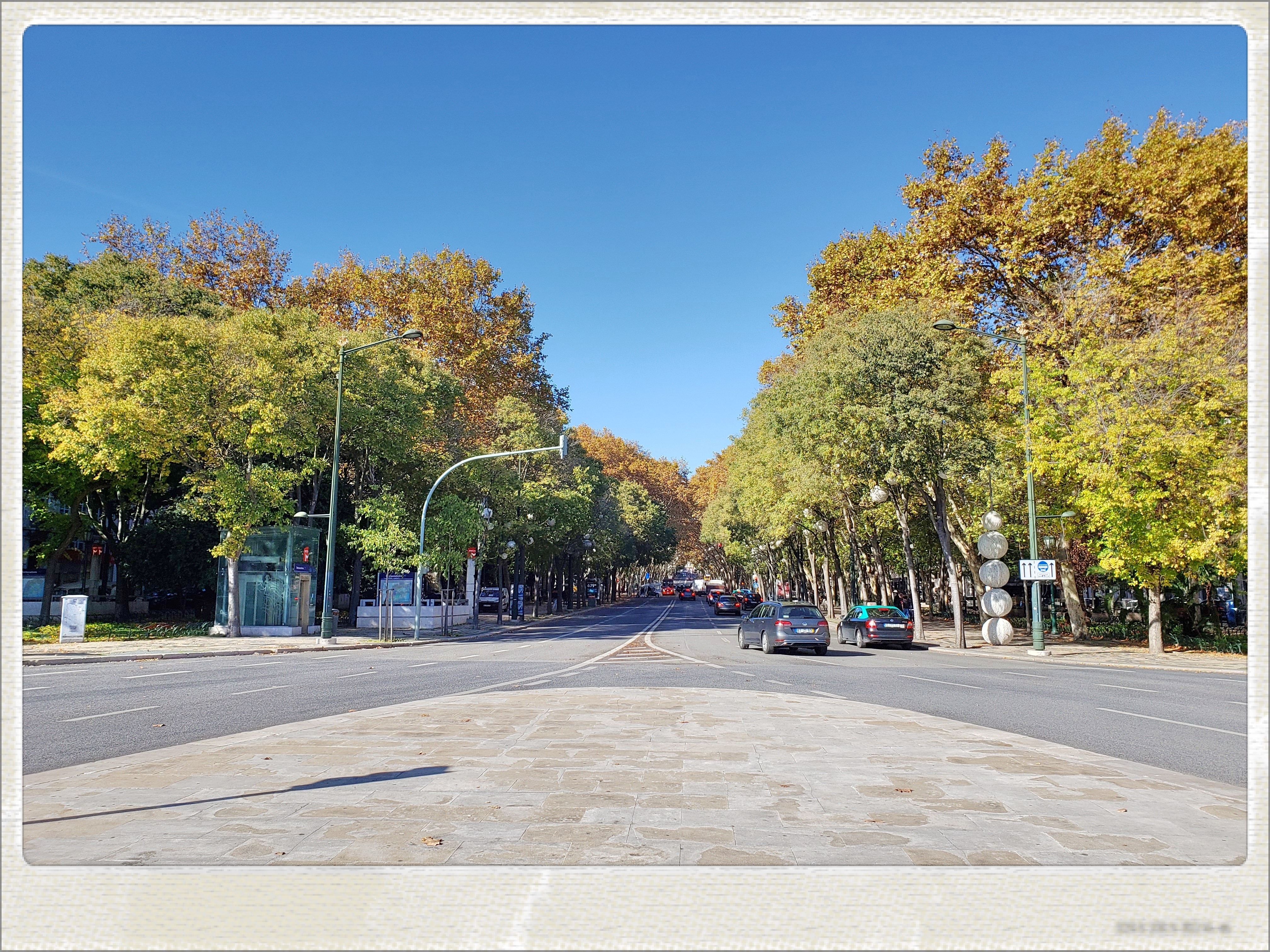
Running between Marquis of Pombal Square and Rossio Railway station was one of the broadest avenues that I’d ever been visited. The tree-lined boulevard (part of the avenue was totally covered by trees which was so reminiscent of a forest) flanked with richly-ornamented apartment blocks with the iconic cobblestone pavements was strongly suggestive of Paris.
Restauradores Square (Praca do Restauradores)
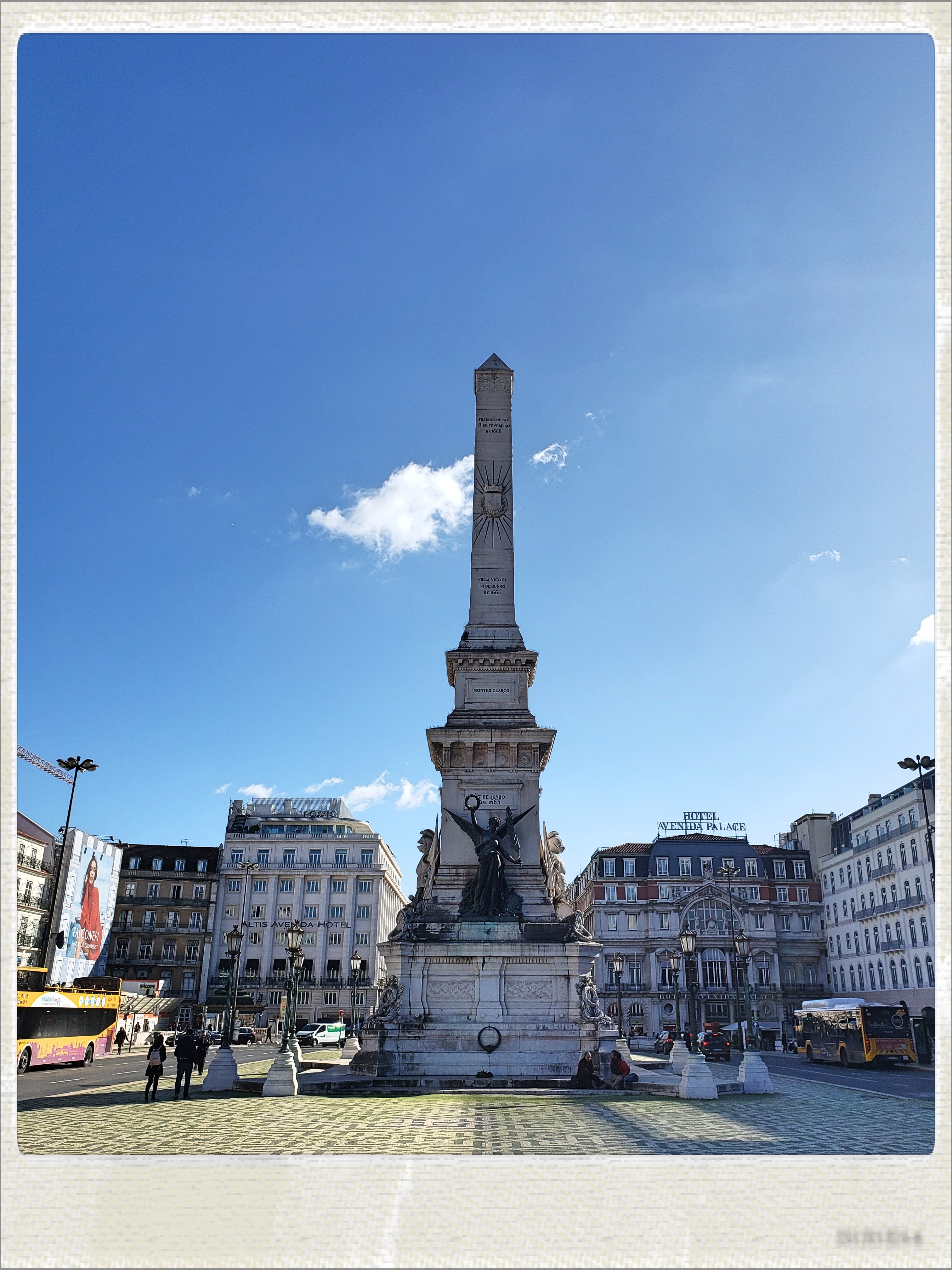
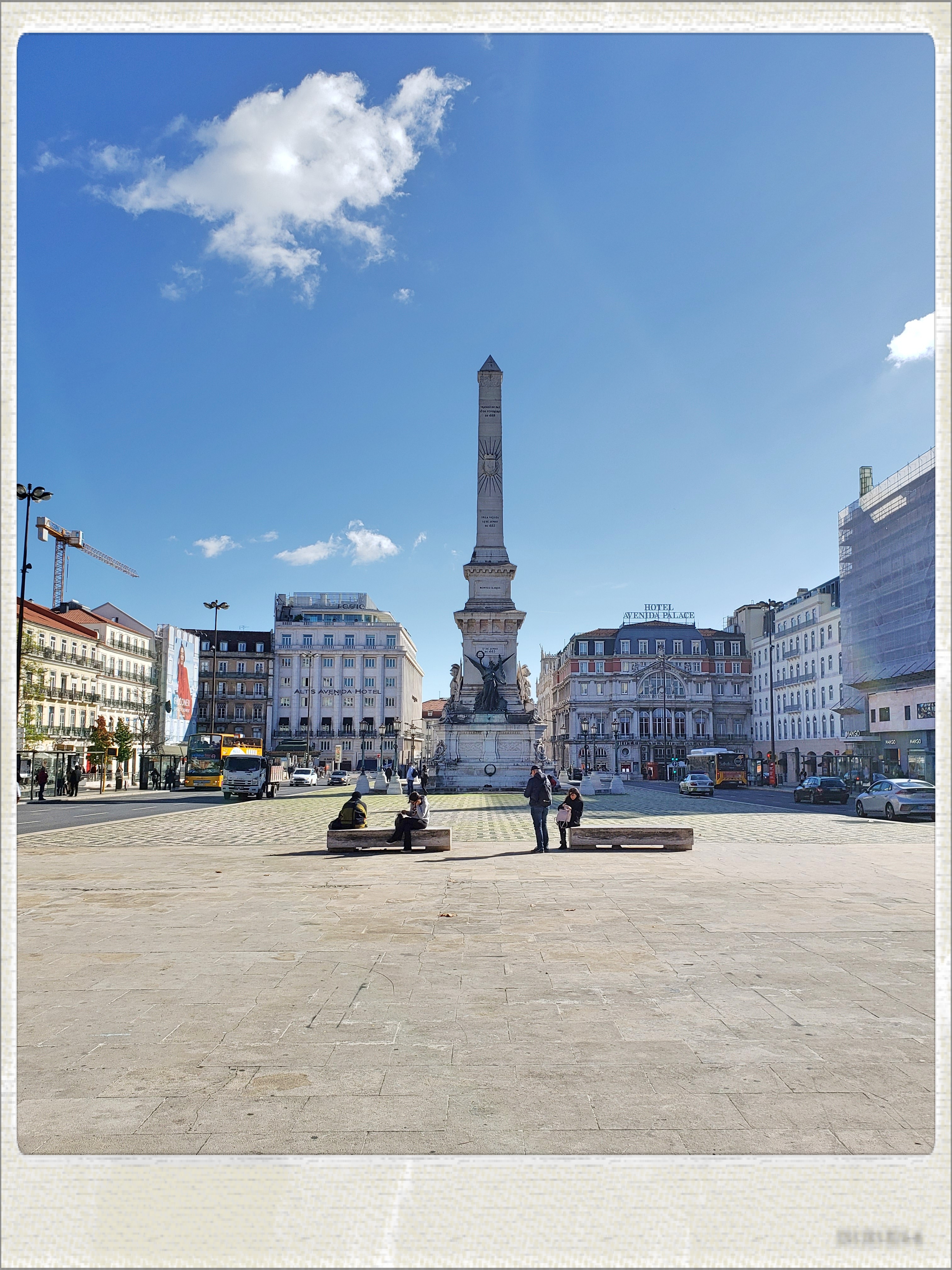
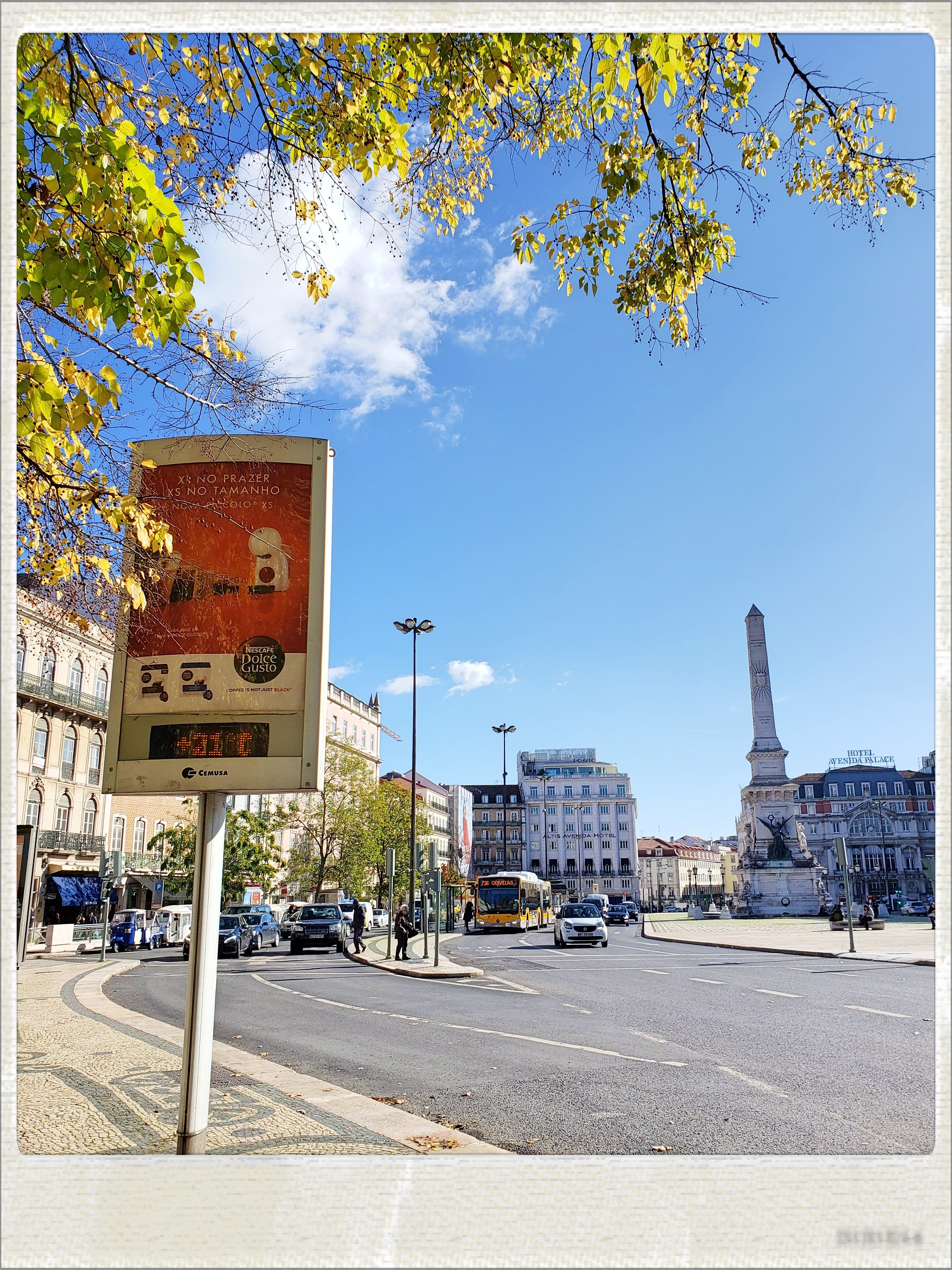
At the southernmost end of Avenue da Liberdade saw another public square, Restauradores Square. Unlike its circular counterparts, at the centre of the long stretch of greyish white square erected the obelisk carrying the names and dates of the battles fought during the Portuguese Restoration War in 1640.
Rossio-Lisboa Railway Station
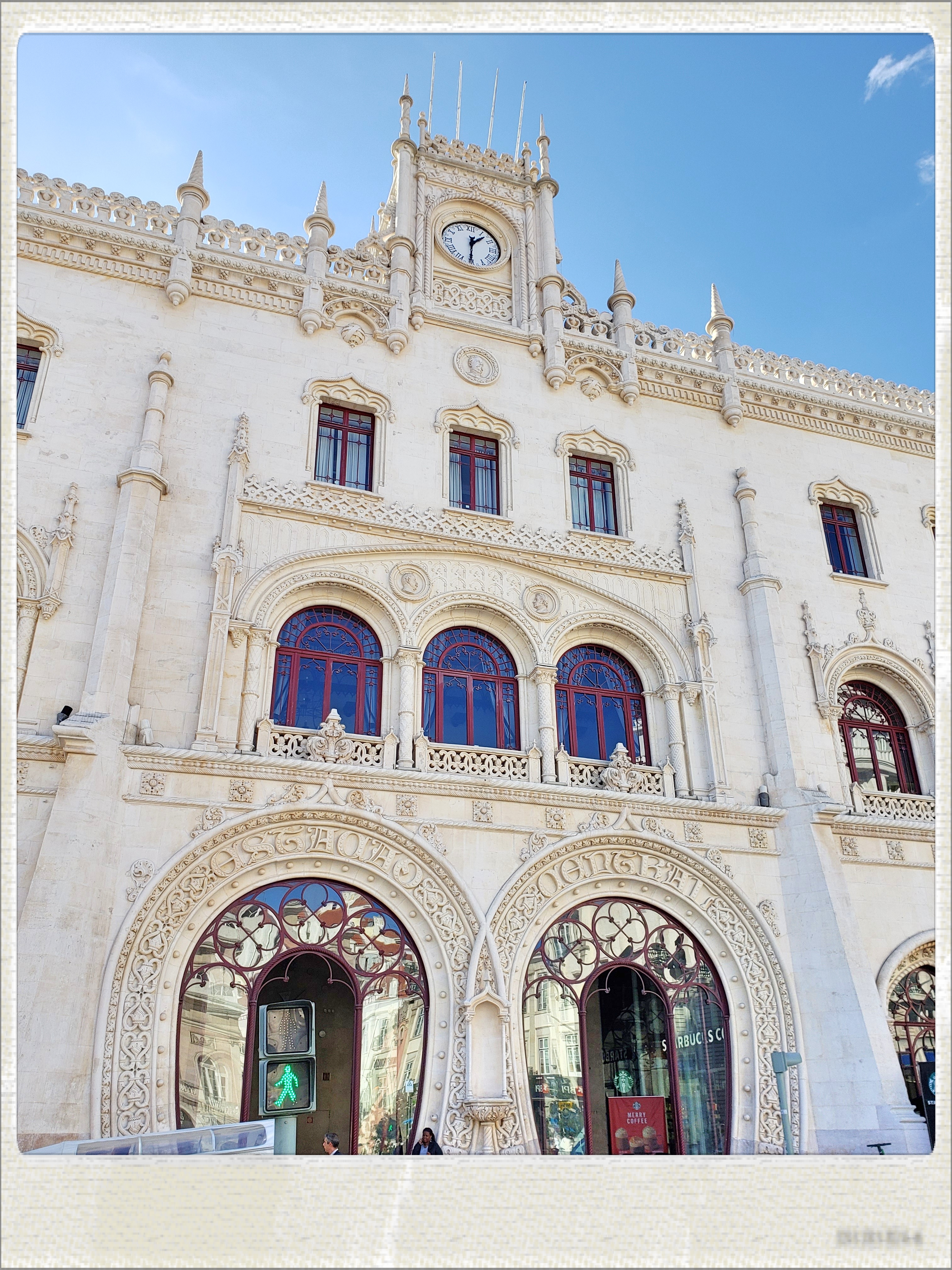
Just a stone’s throw from the Restauradores Square, the facade of the Rossio-Lisboa Railway Station building was a feast for the eyes.
King Pedro IV Square (Praça Dom Pedro IV)
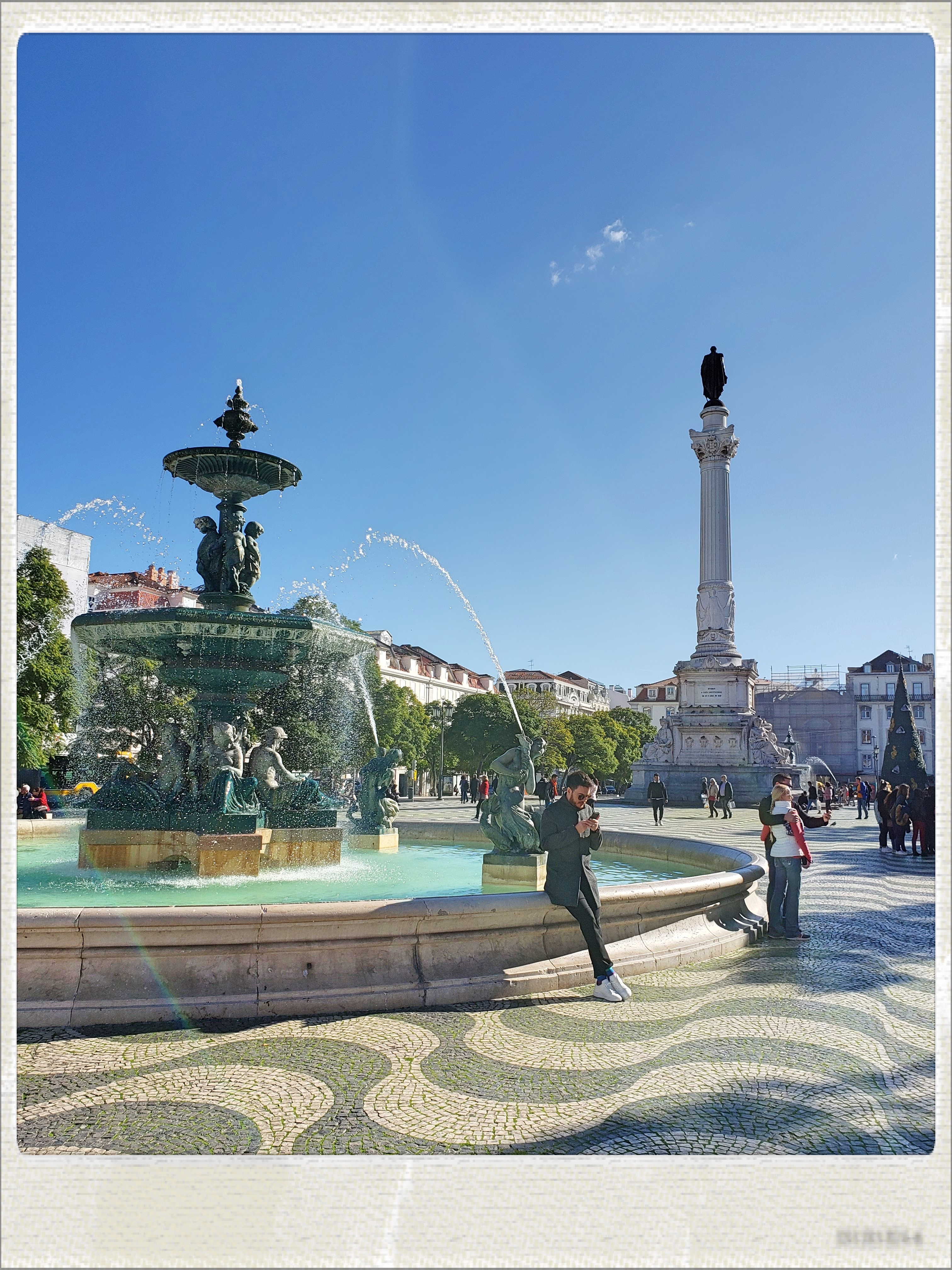
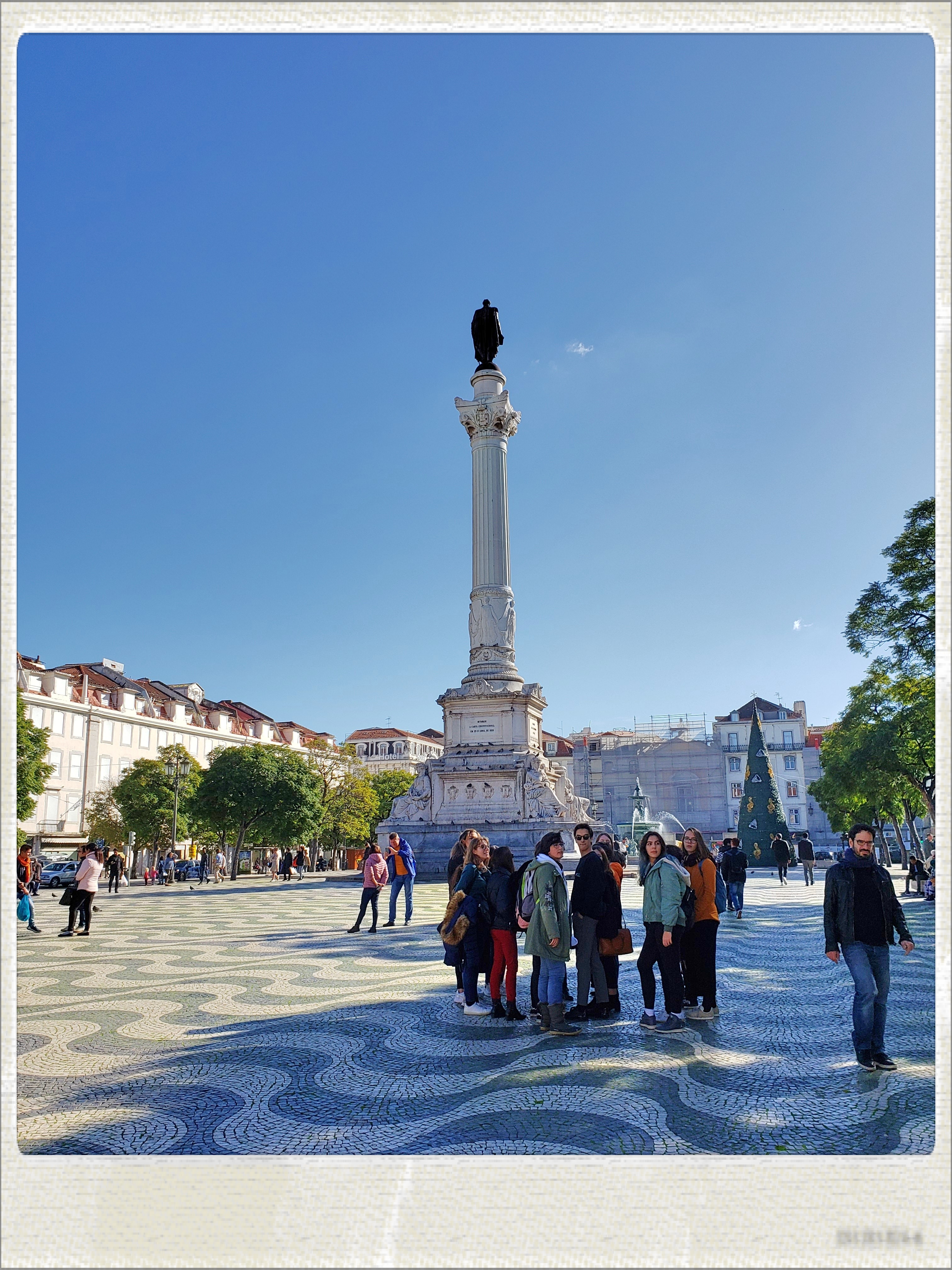
Leaving the Rossio-Lisboa Railway Station, what came into sight was the fourth square/roundabout that I’d came across on that day, the King Pedro IV Square. And I’ve started to call Lisbon ‘the city of Squares’ ever since.
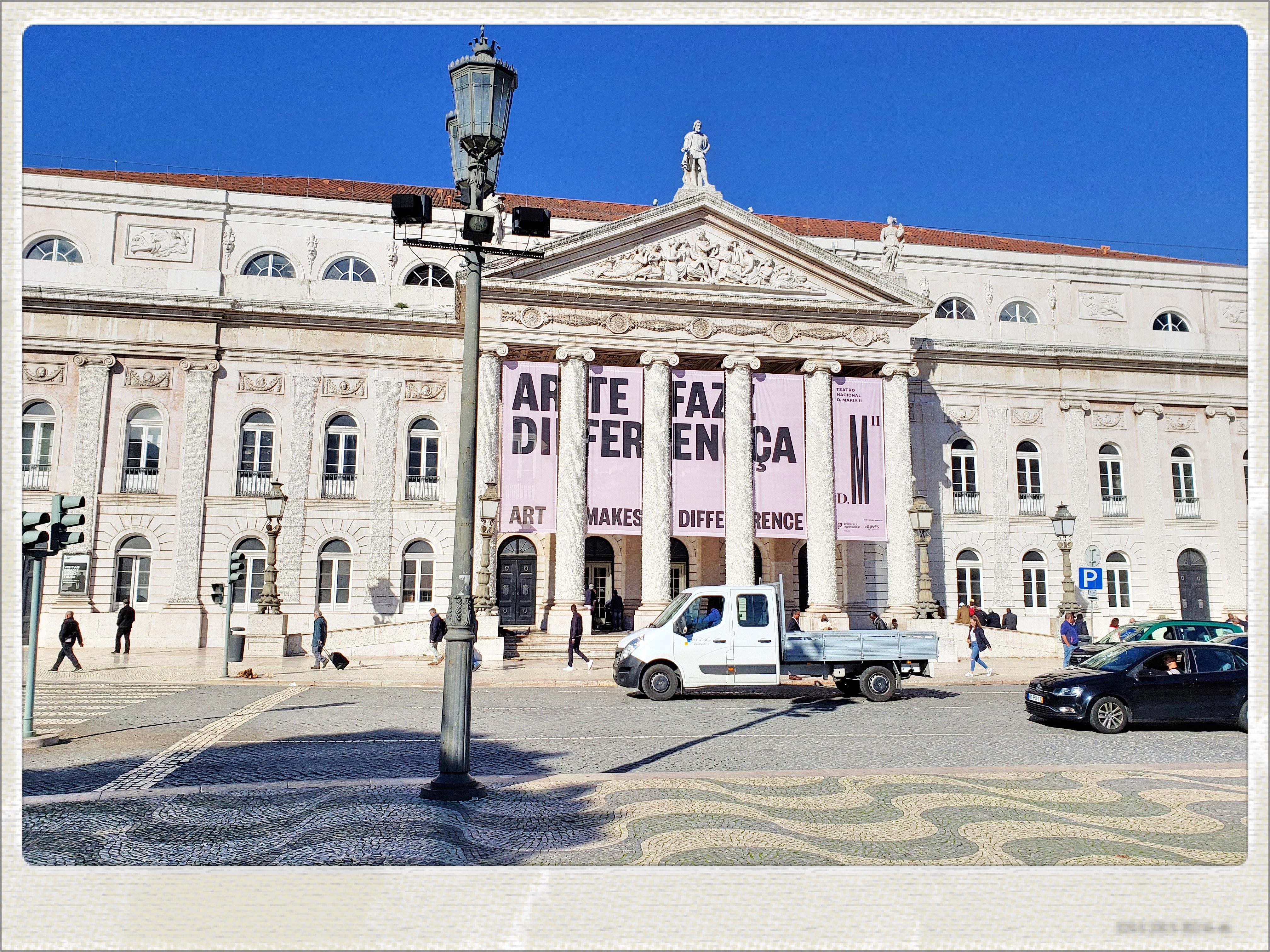
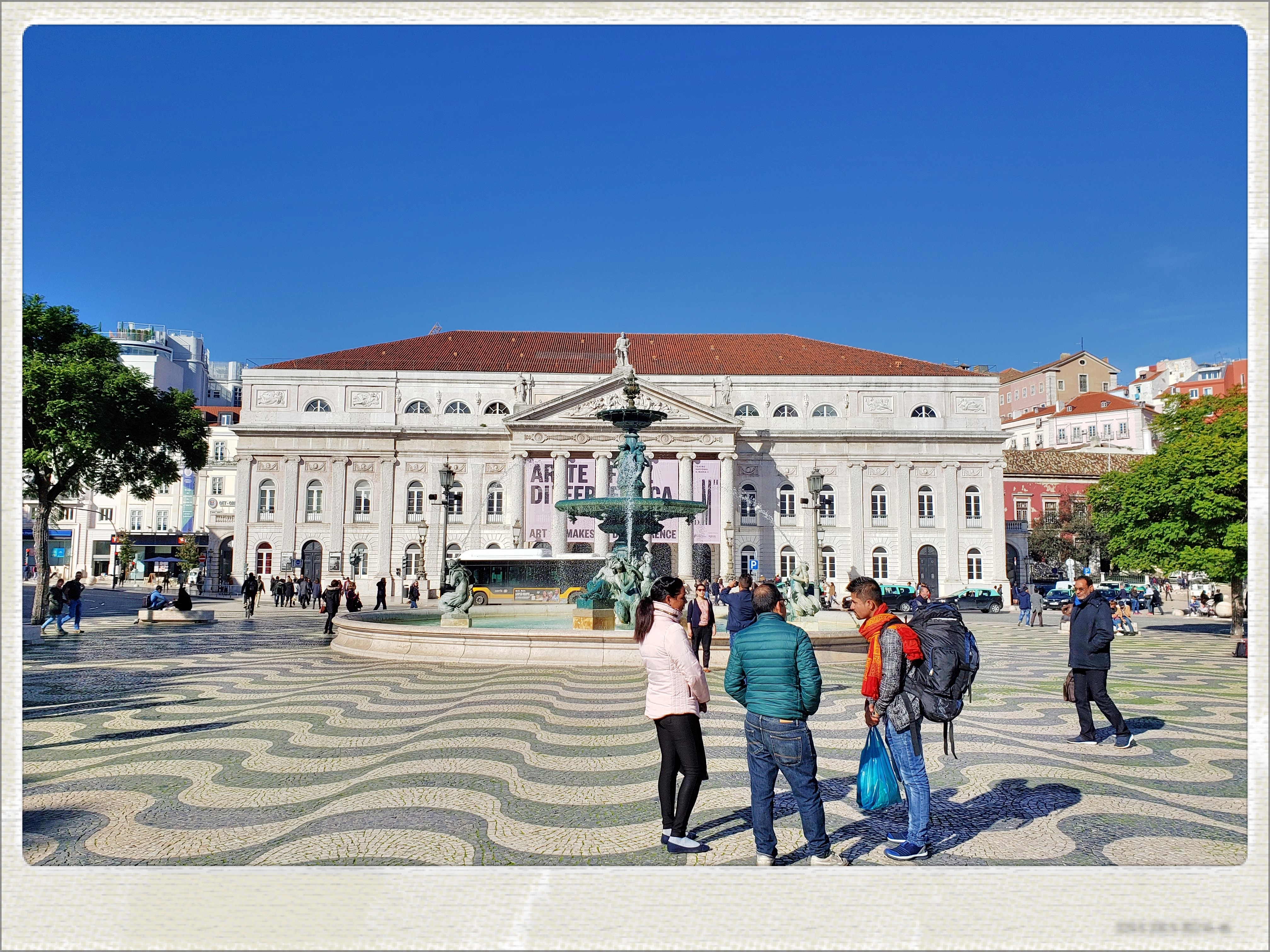
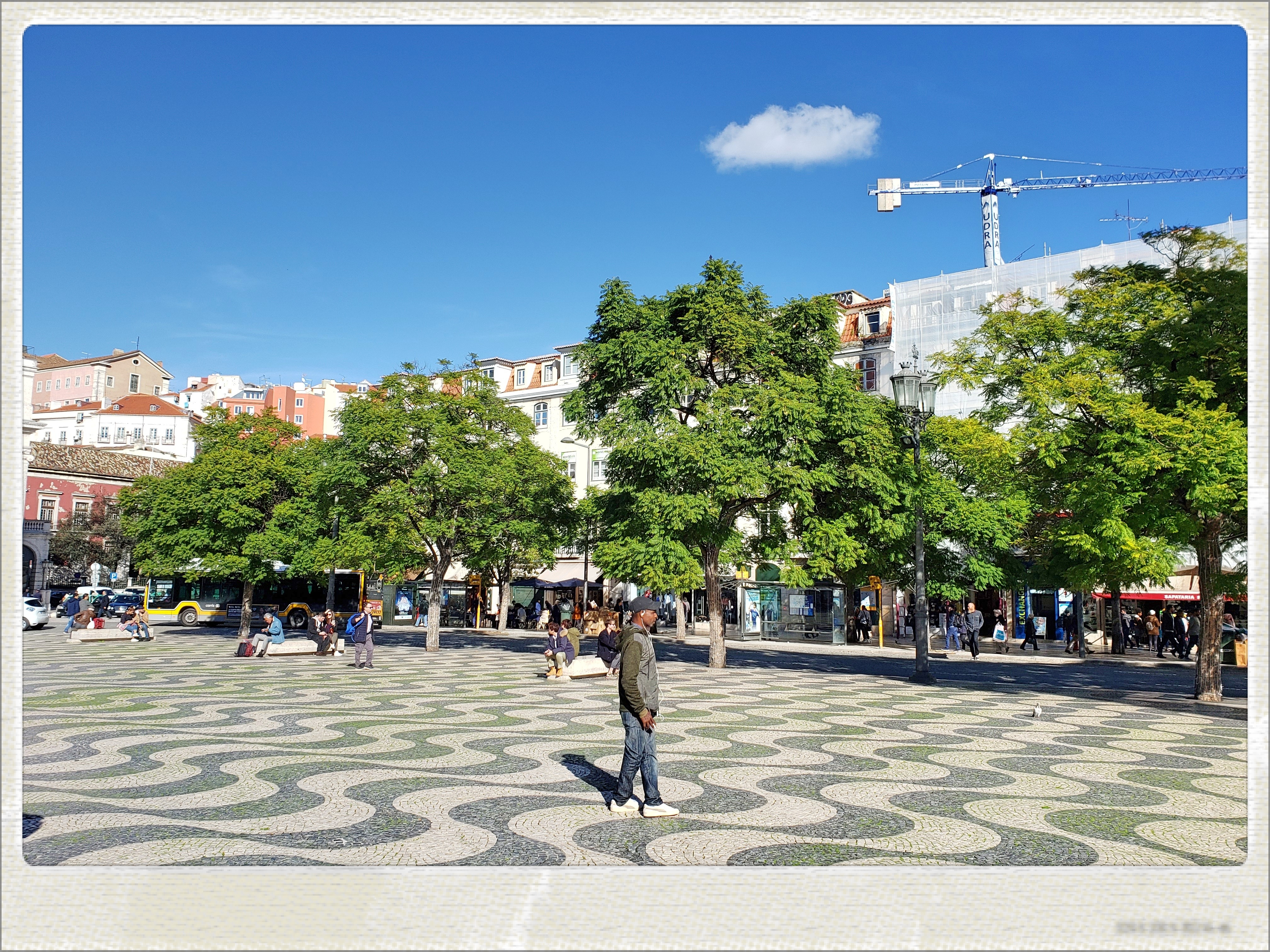
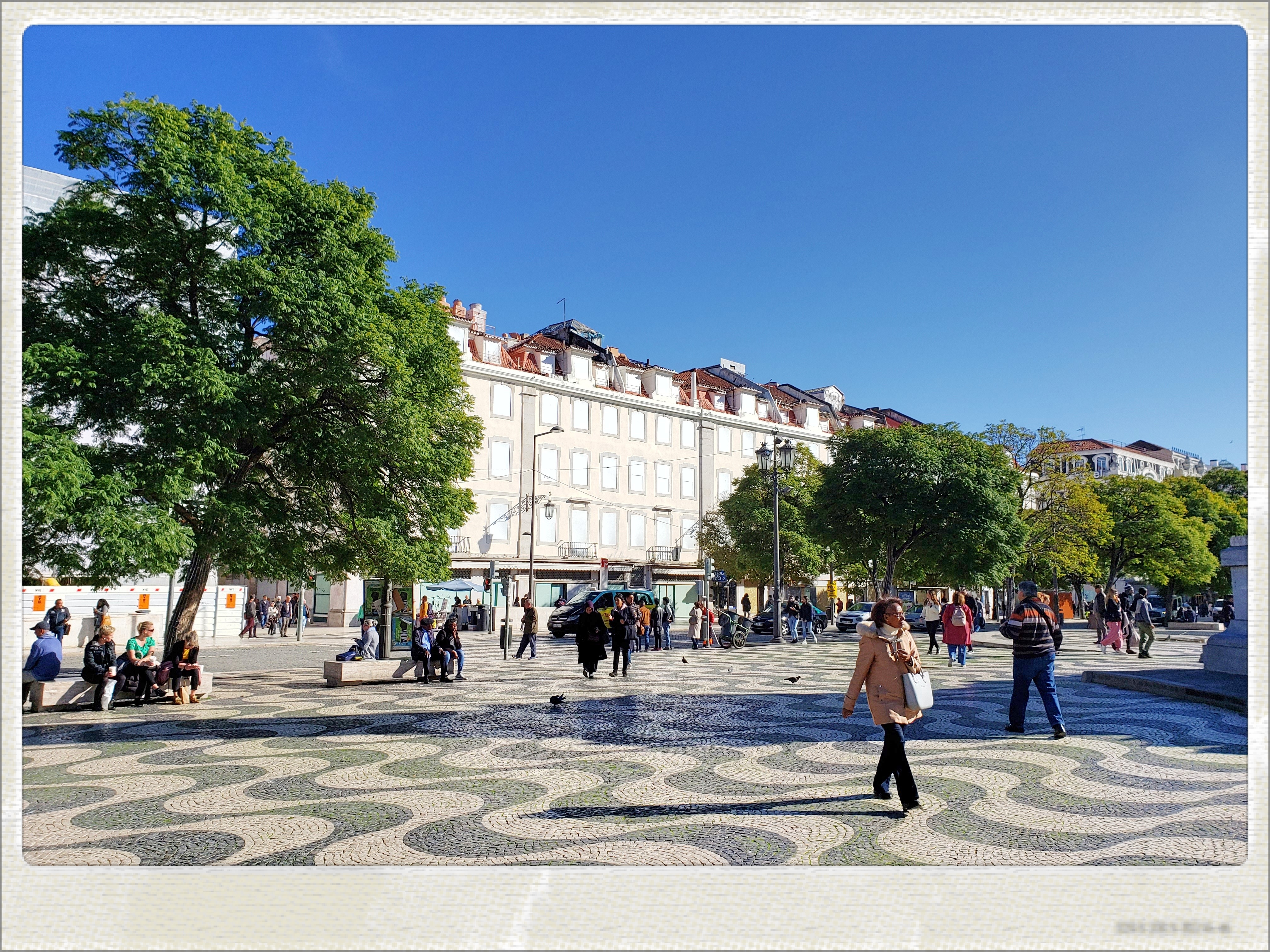
Similar to many of the squares in Lisbon which were characterized by a wide expanse of open space watched over on the four sides by beautiful low rise buildings with an imposing monument erected at the centre, the tree-flanked King Pedro IV Square also featured the Queen Maria II National Theatre (Teatro Nacional D. Maria II) and the one-of-a-kind cobblestone pattern of wavy lines.
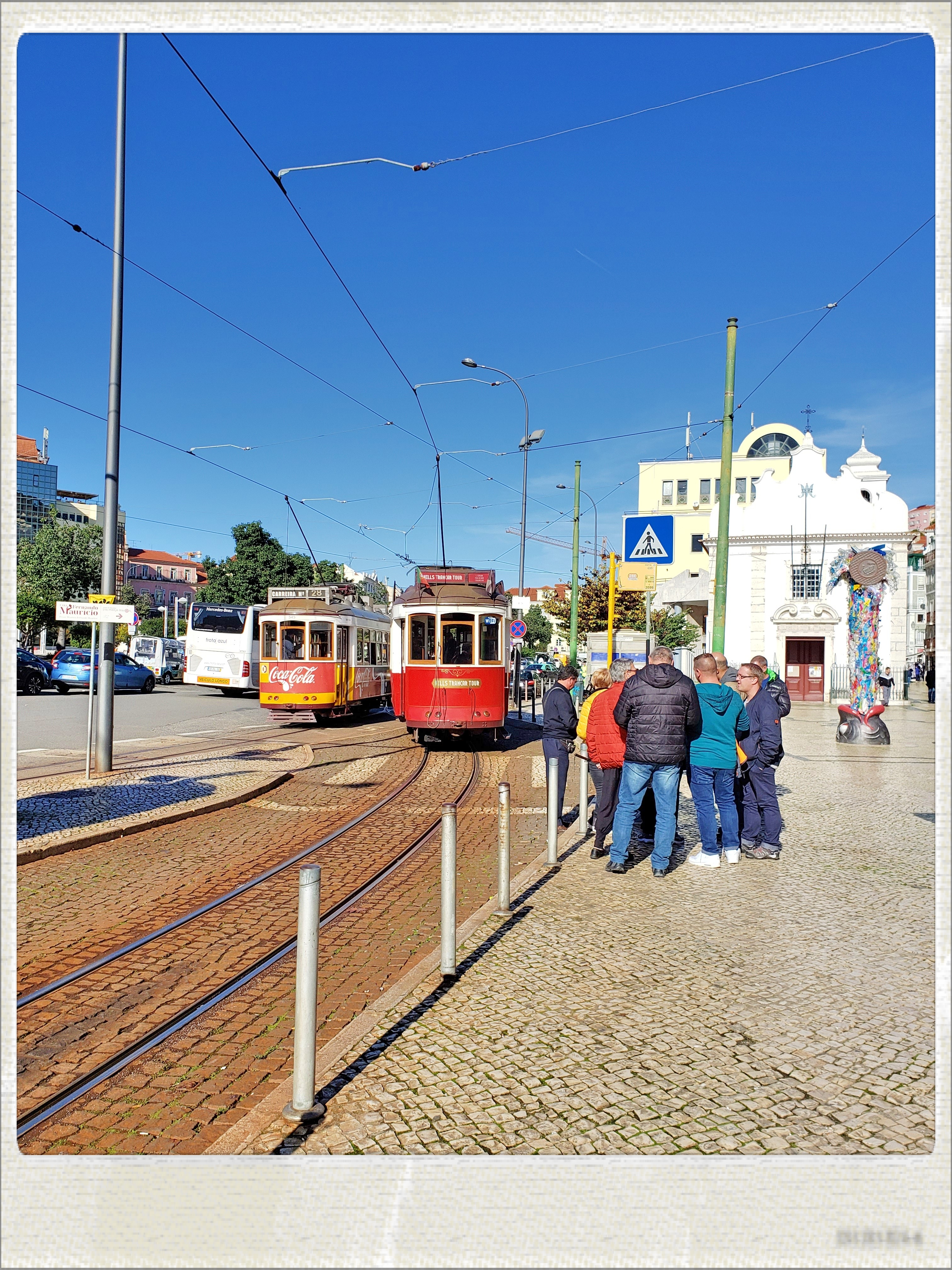
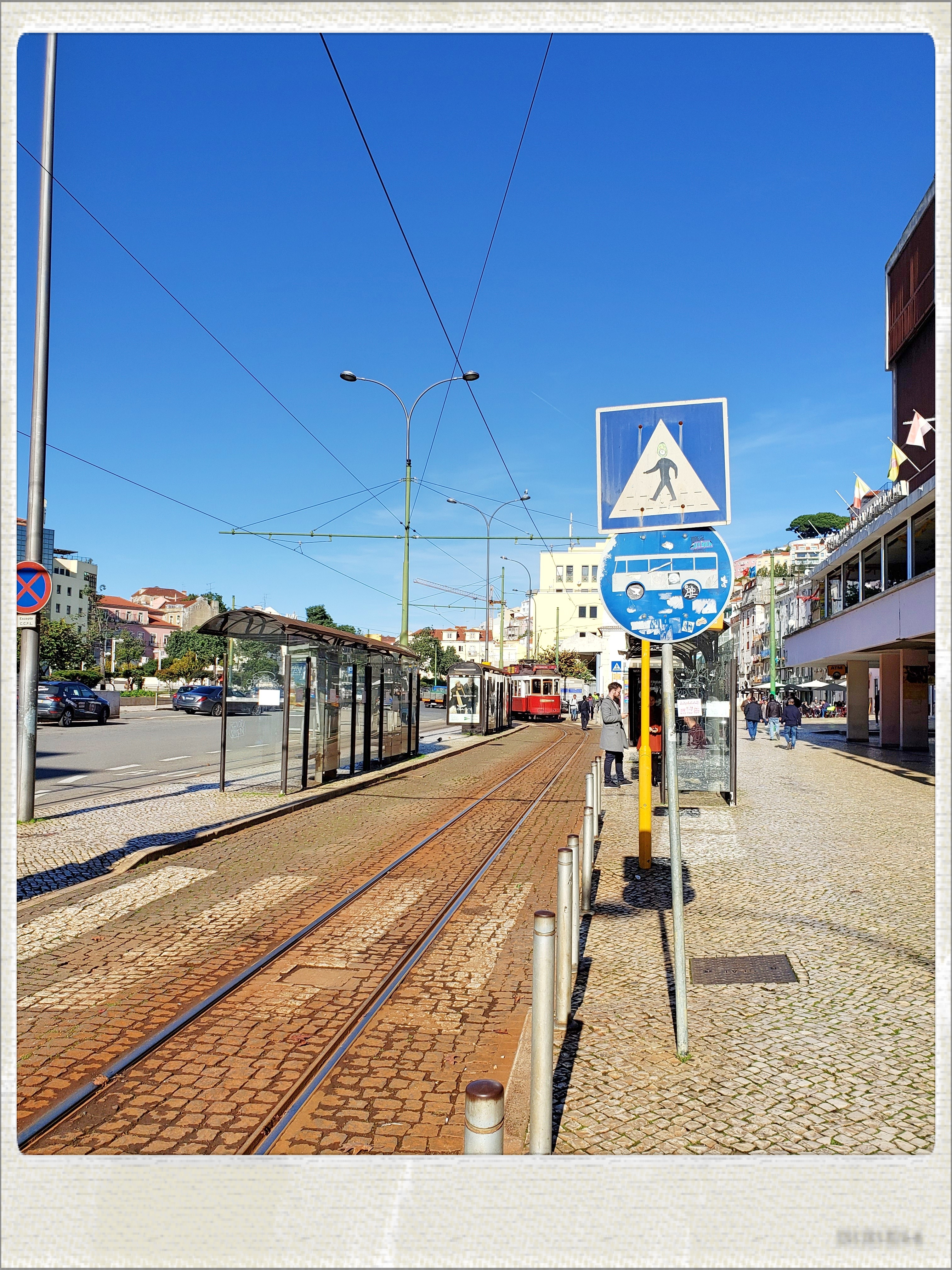
Martim Moniz Tram Stop
Health Escalator (Escadinhas da Saude)
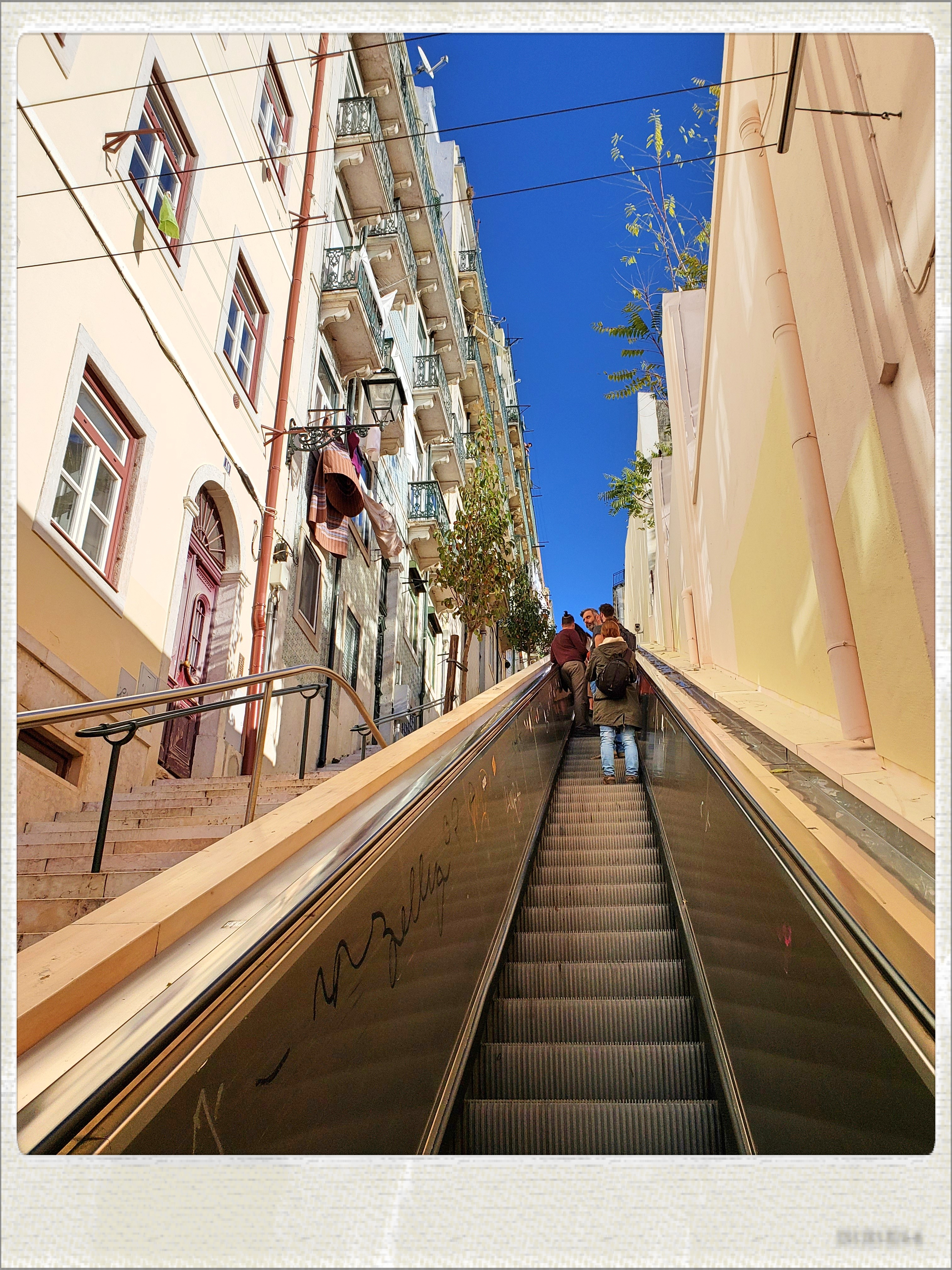
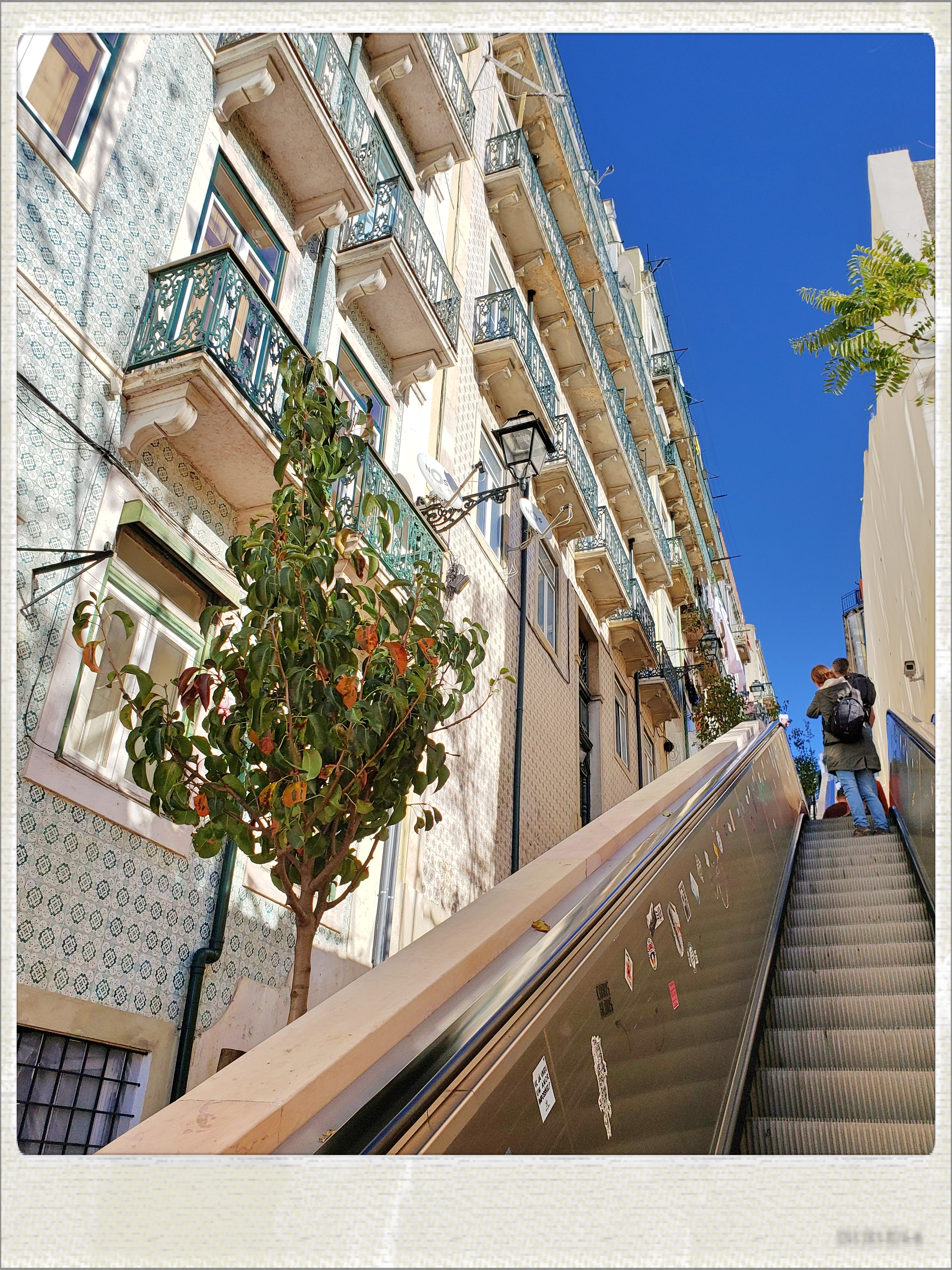
Escalators and elevators dotted the hilly city centre of Lisbon. This ‘Health Escalator’ was located right next to the Martim Moniz Tram Stop.
Alfama district
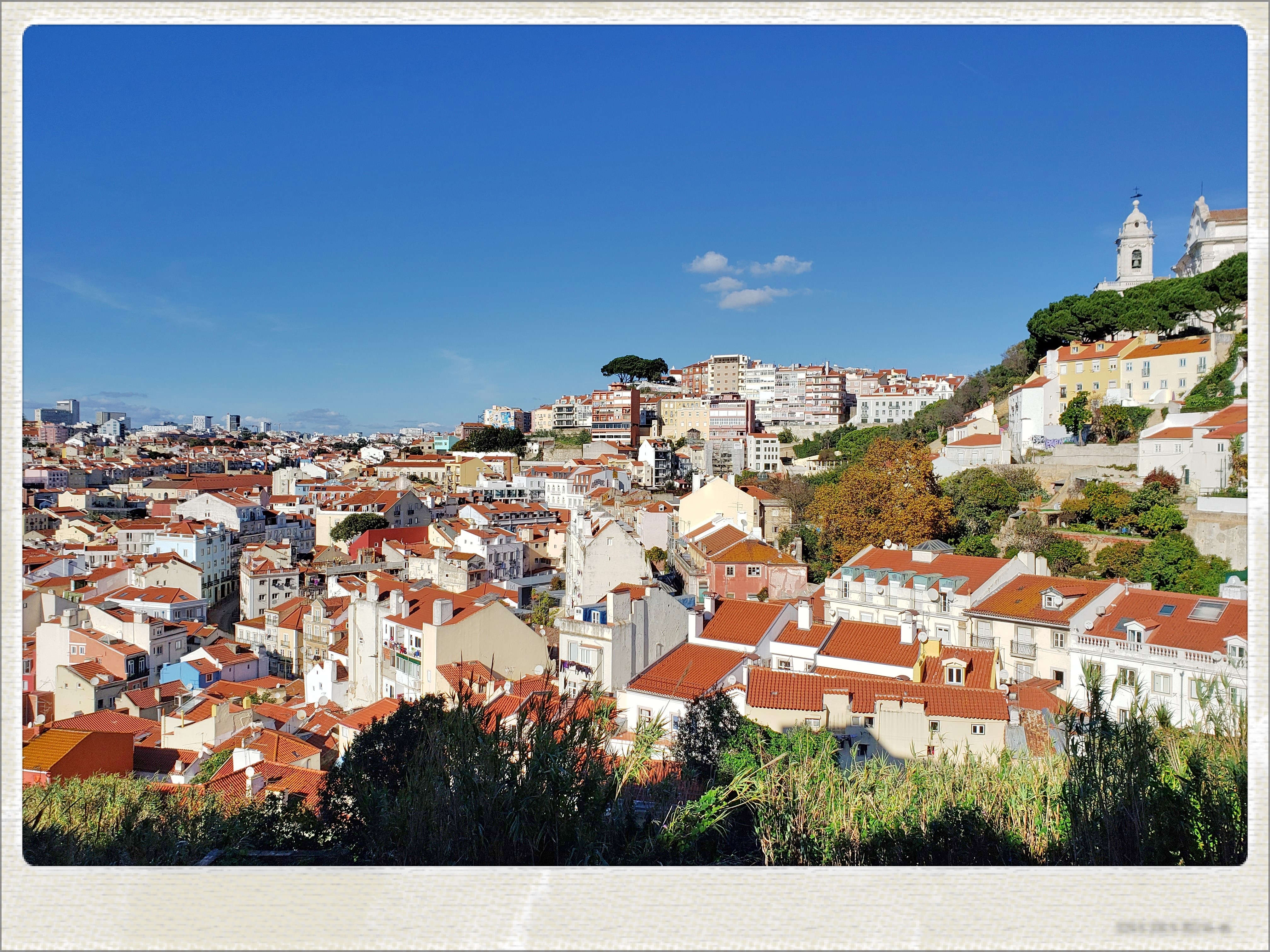
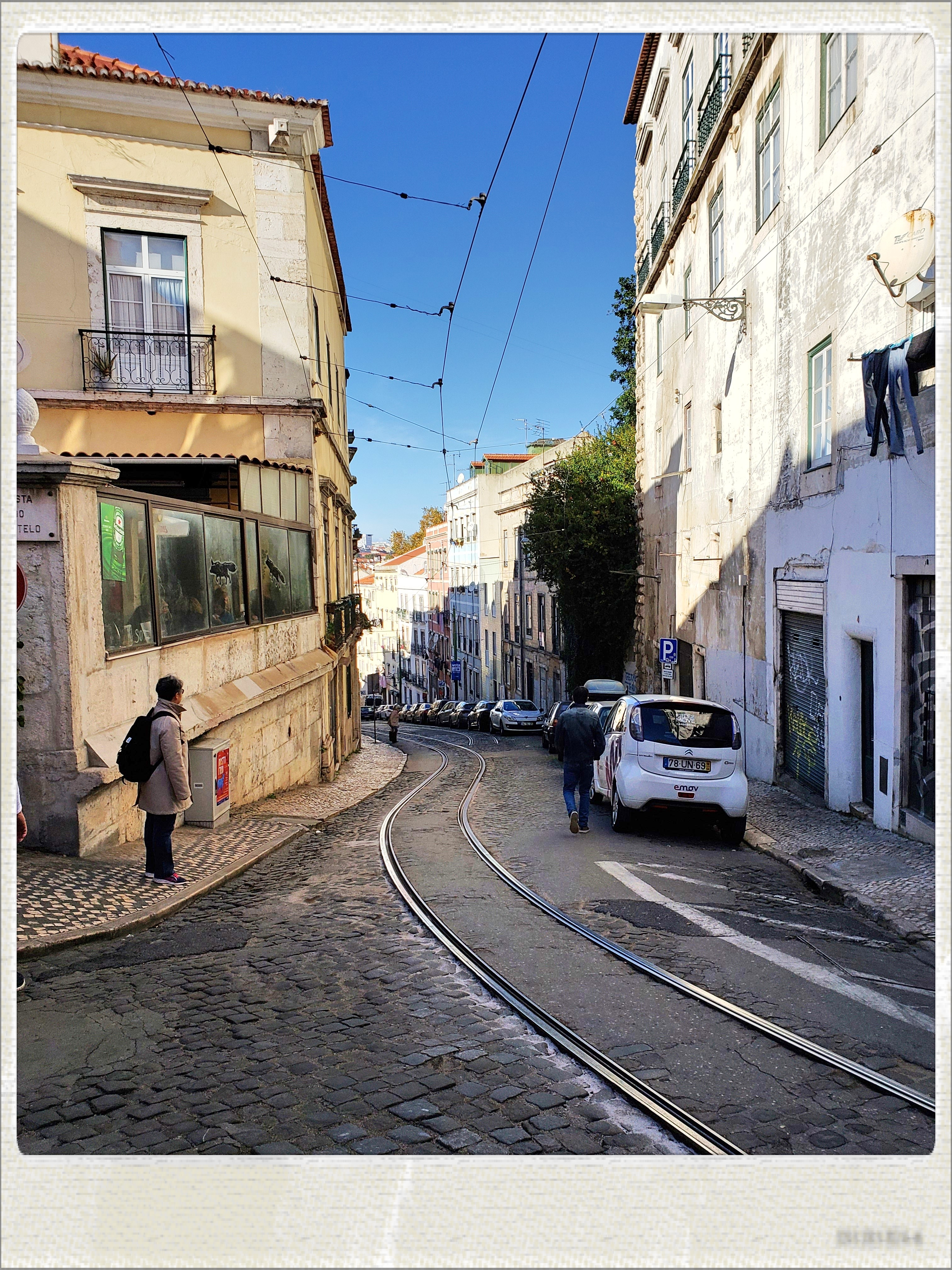
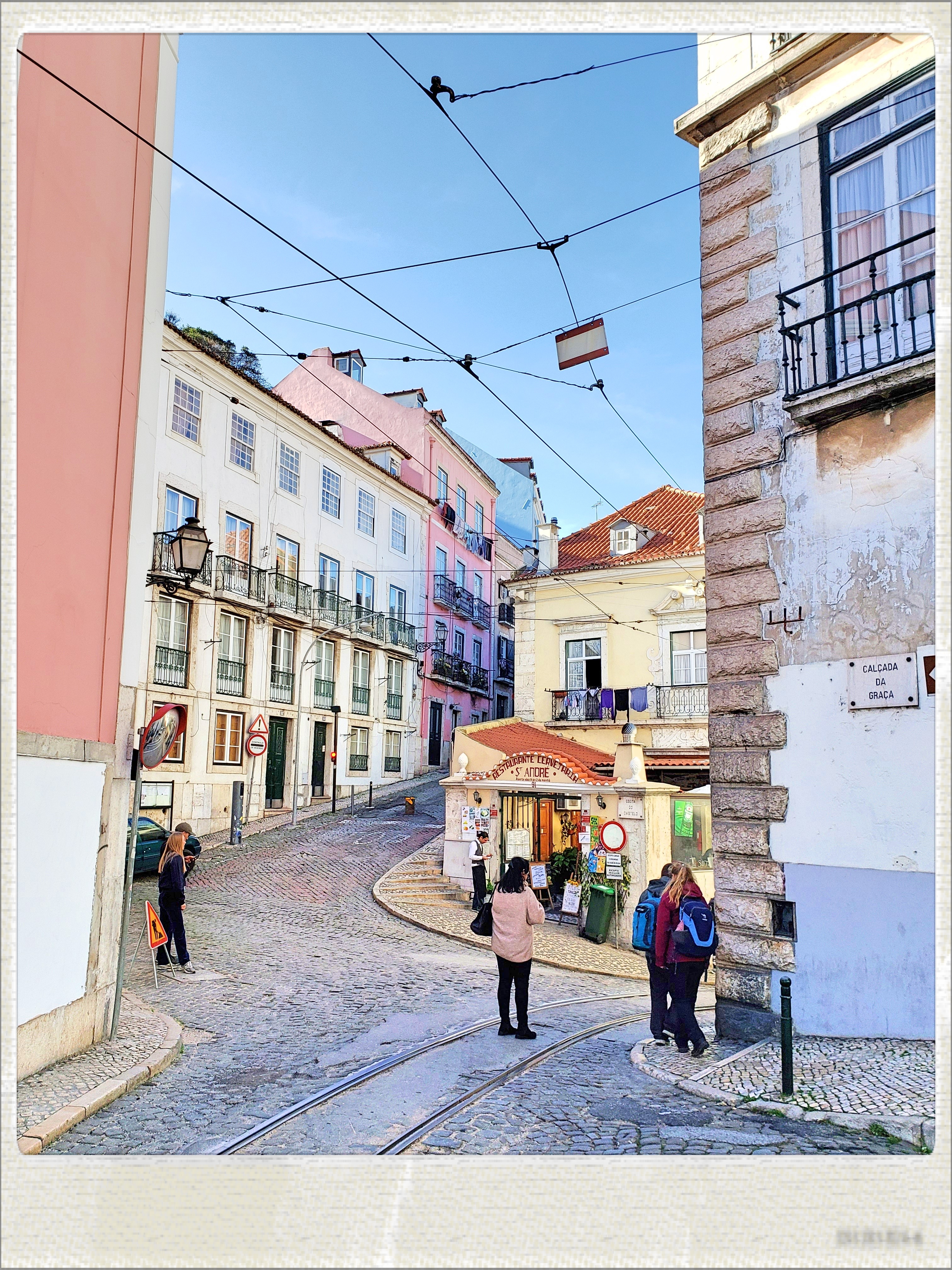
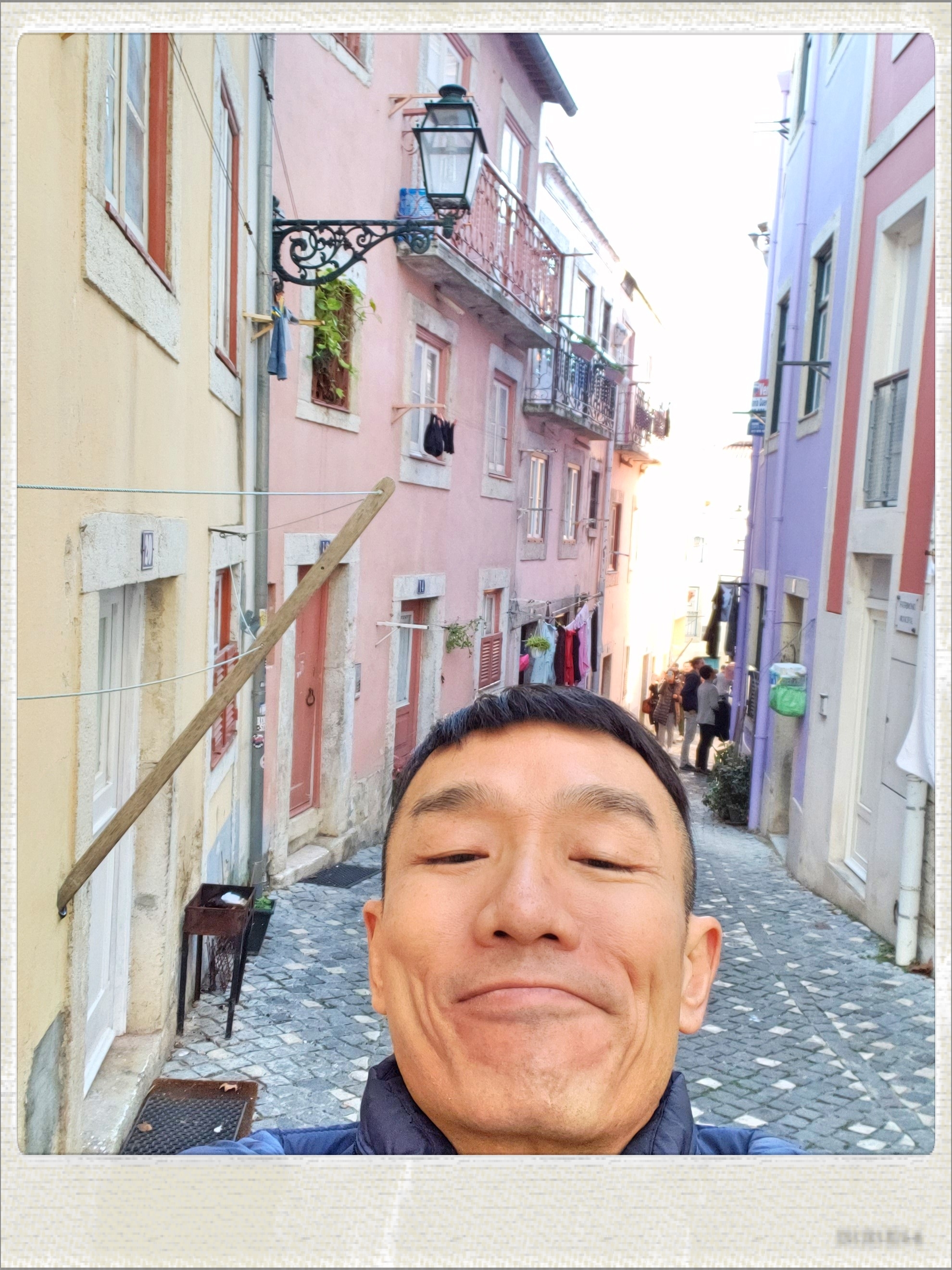
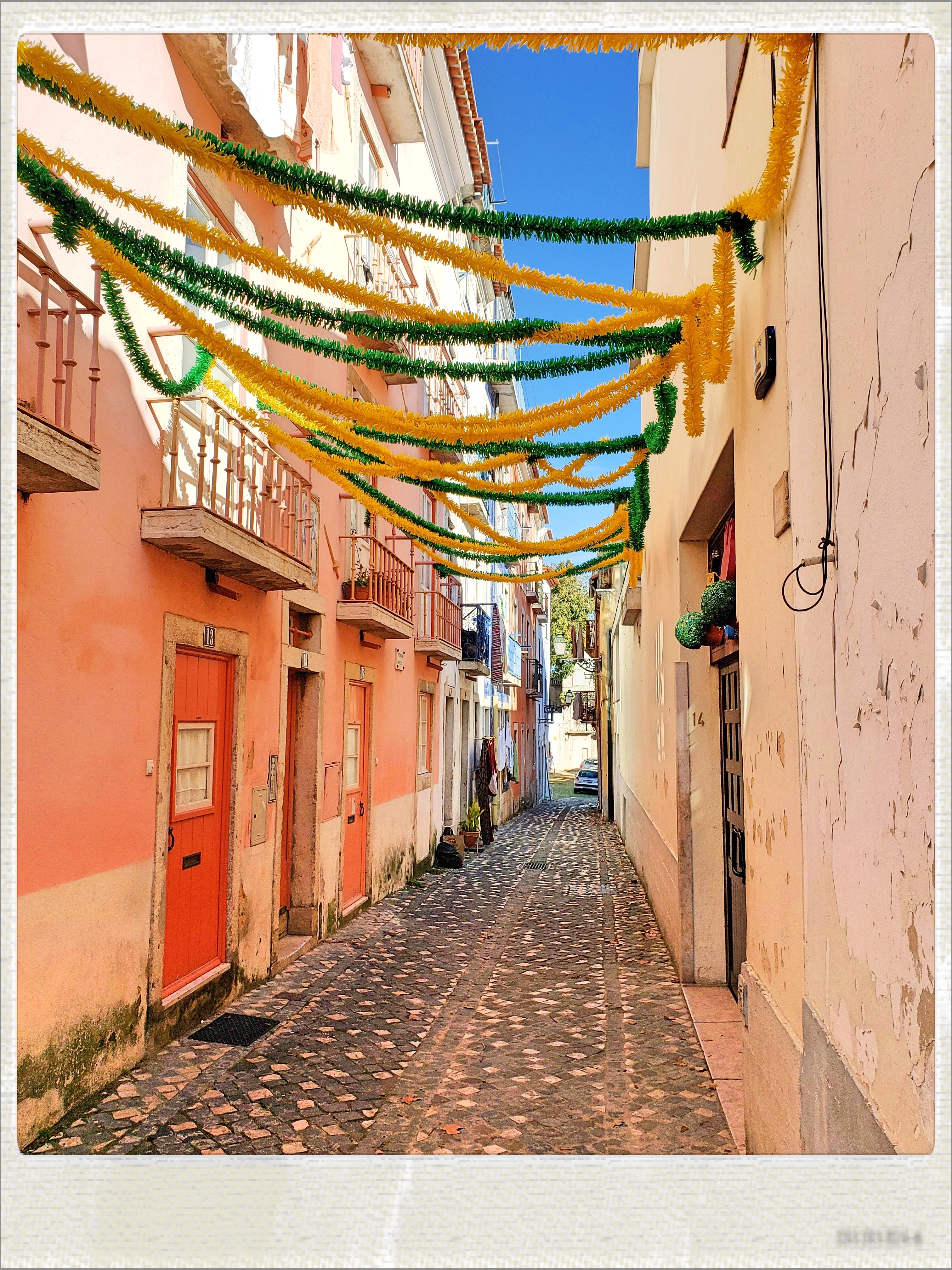
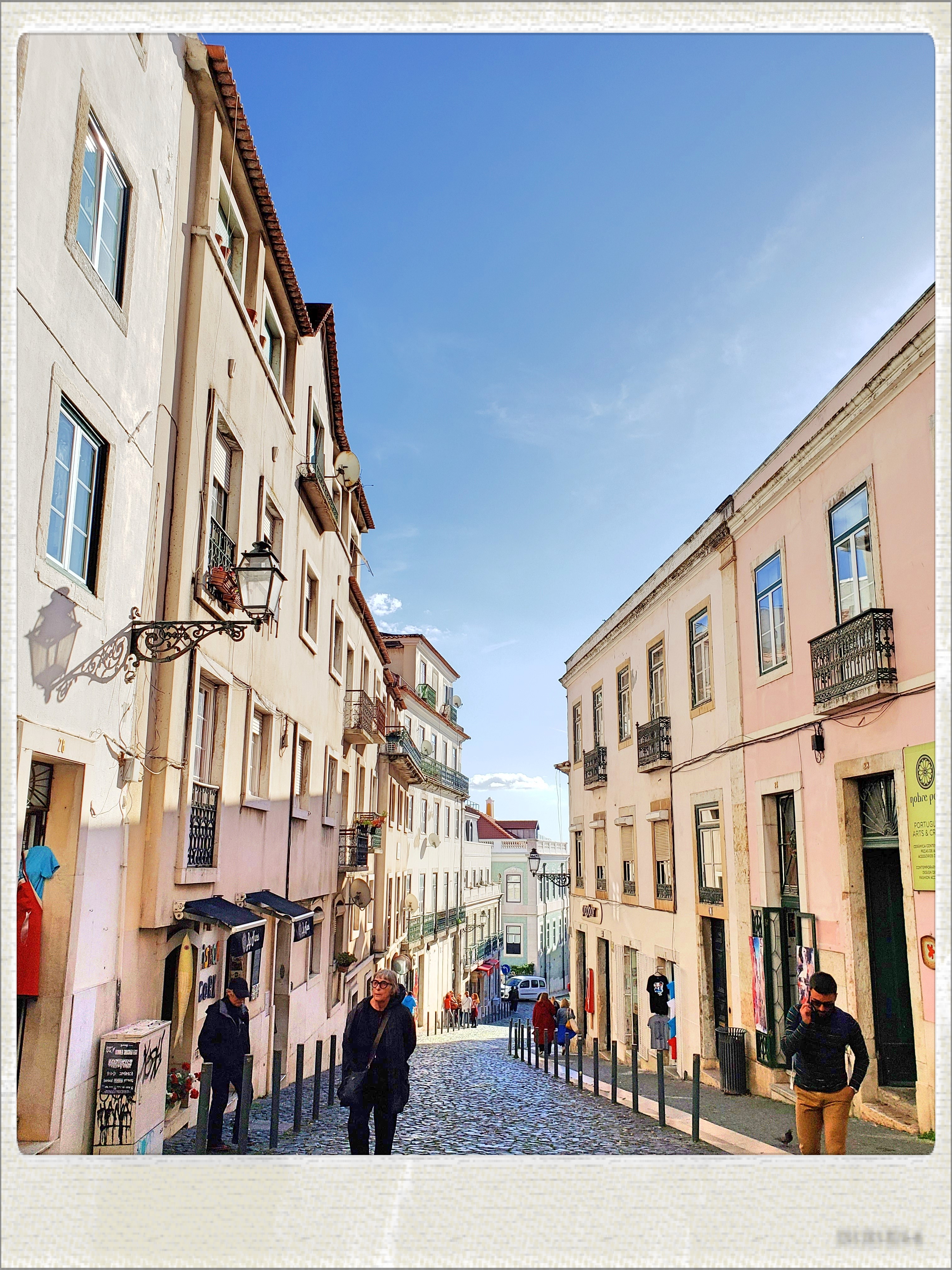
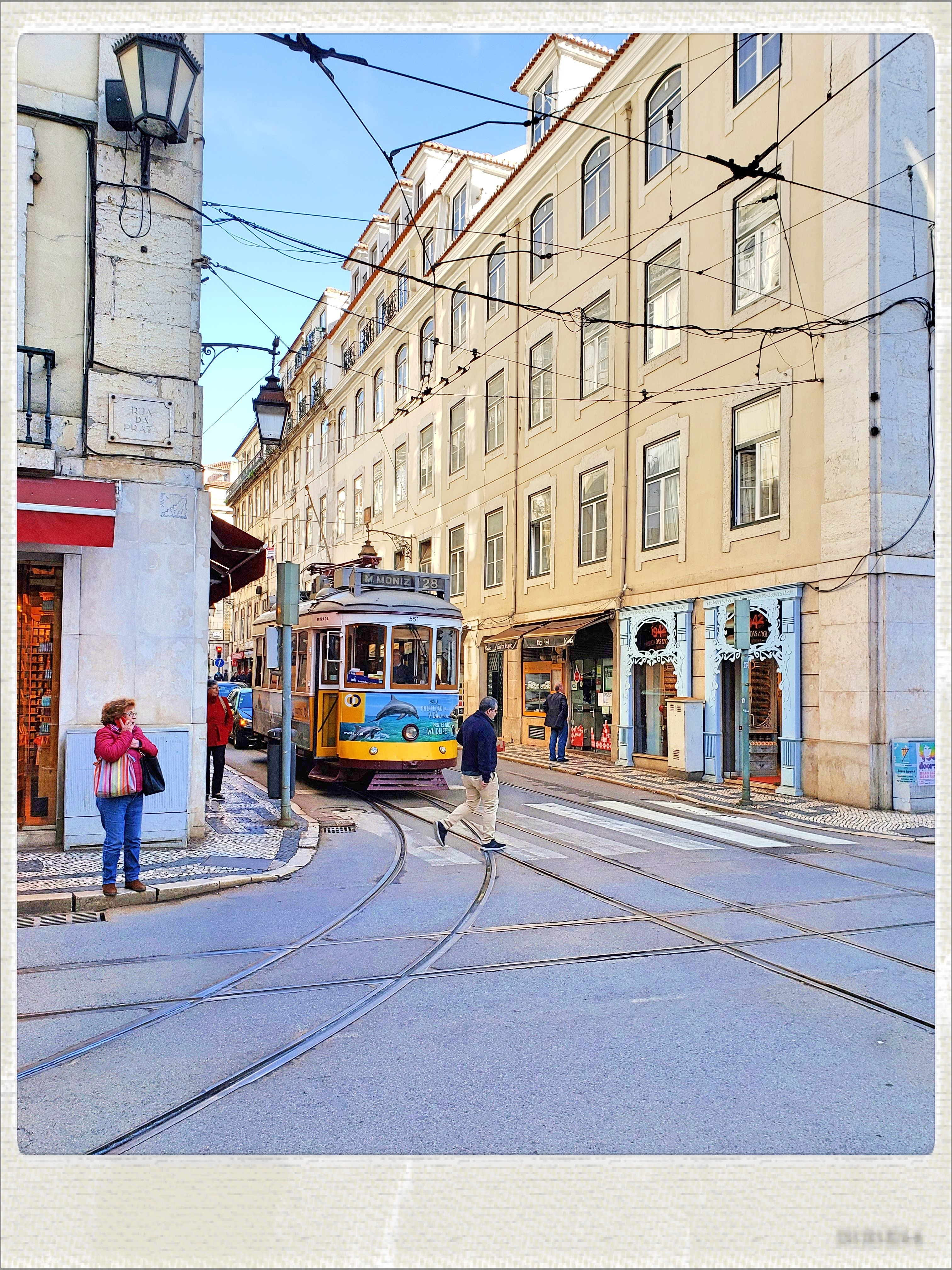
‘Hilly, tortuous, undulating, narrow cobblestone streets and lanes with tram tracks and the criss-crossing overhead tram lines.’
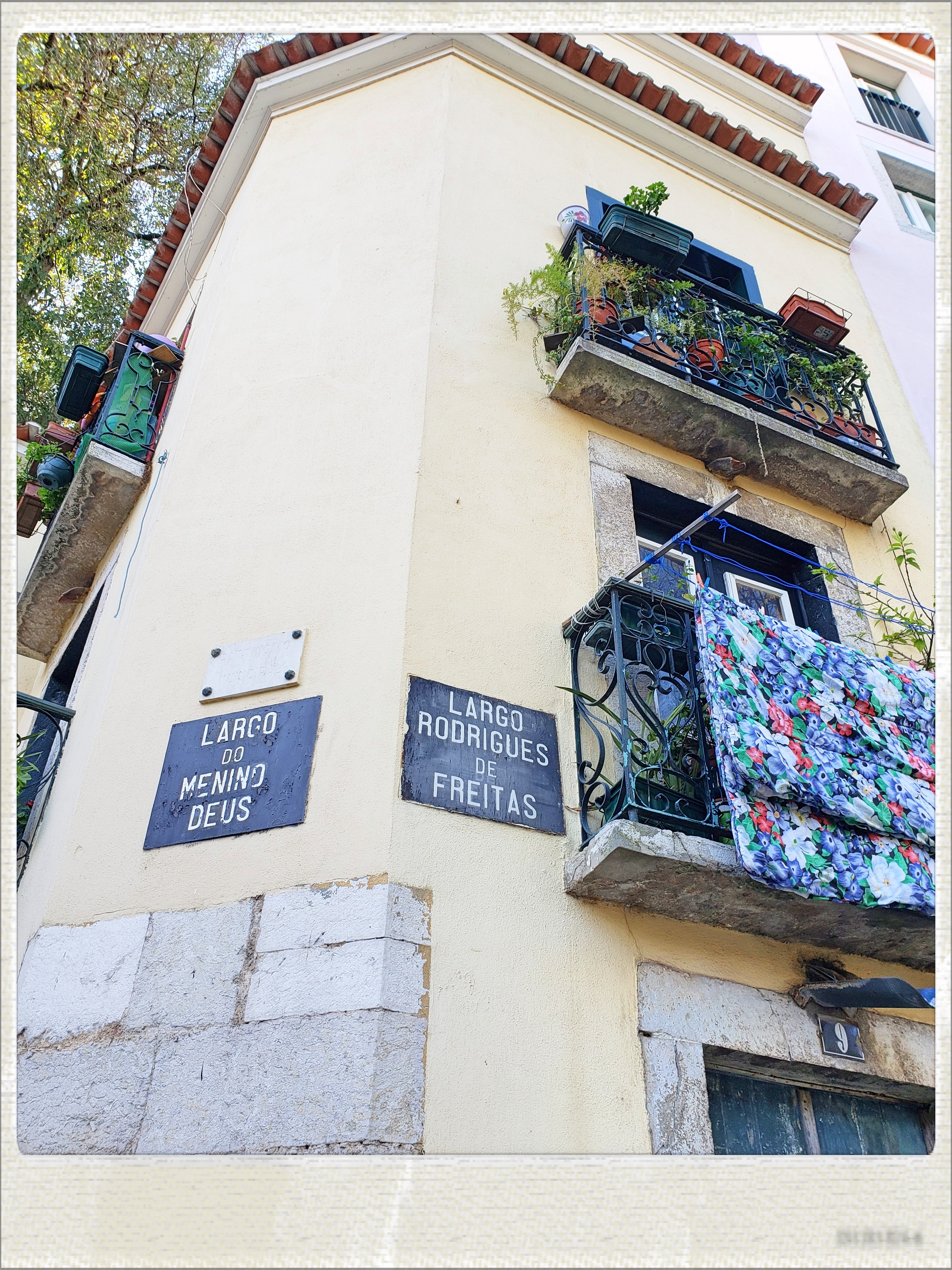
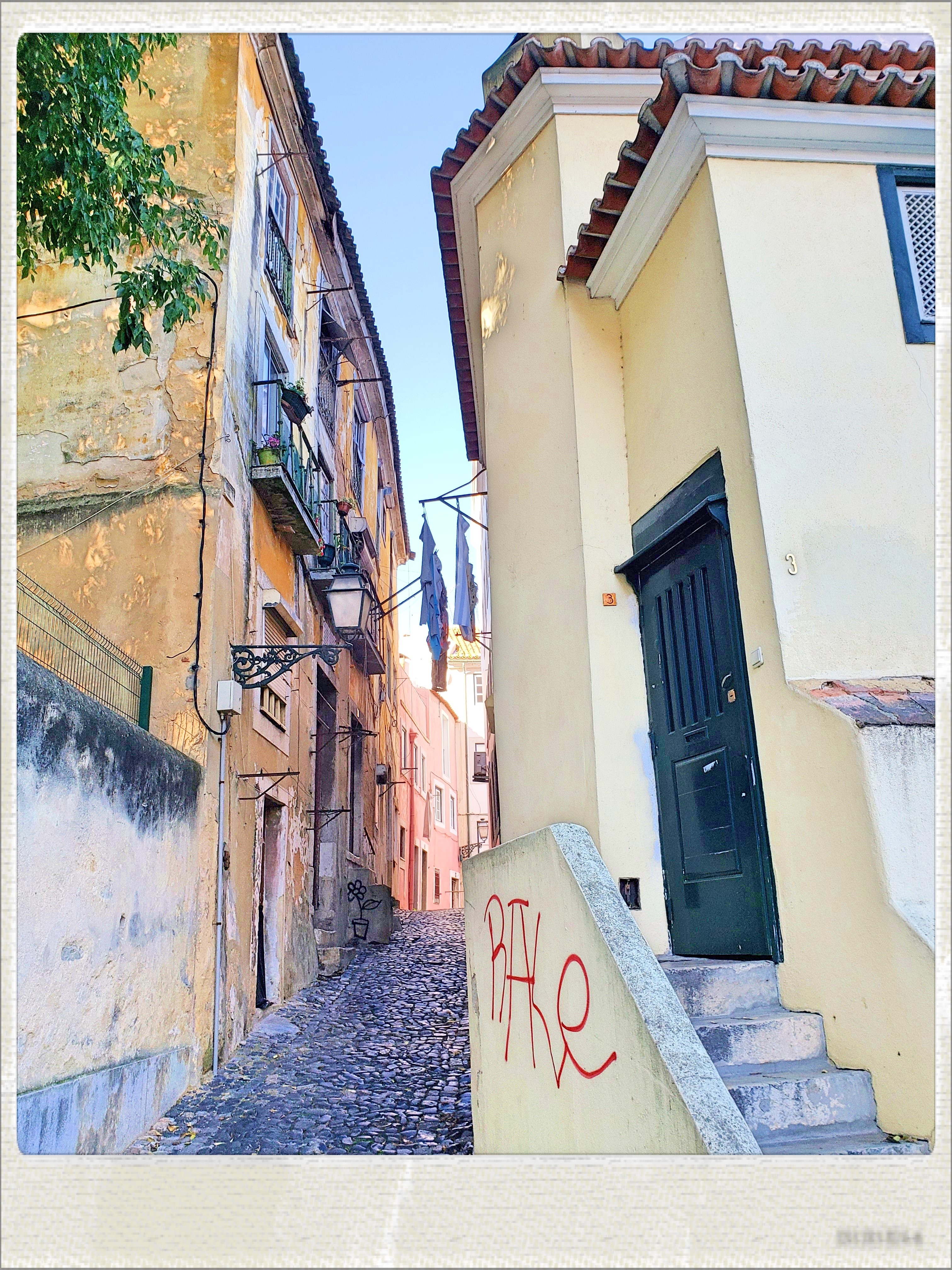
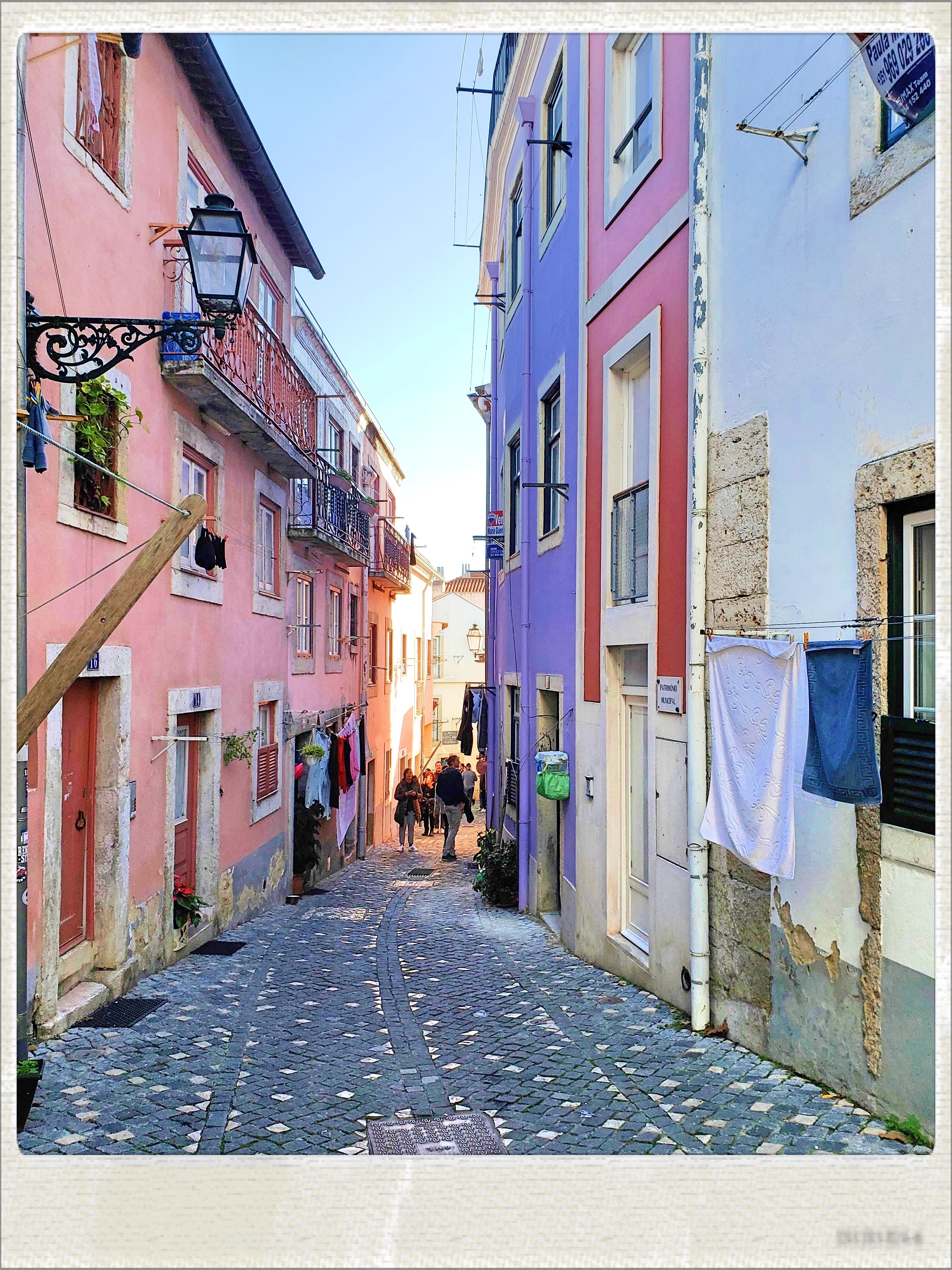
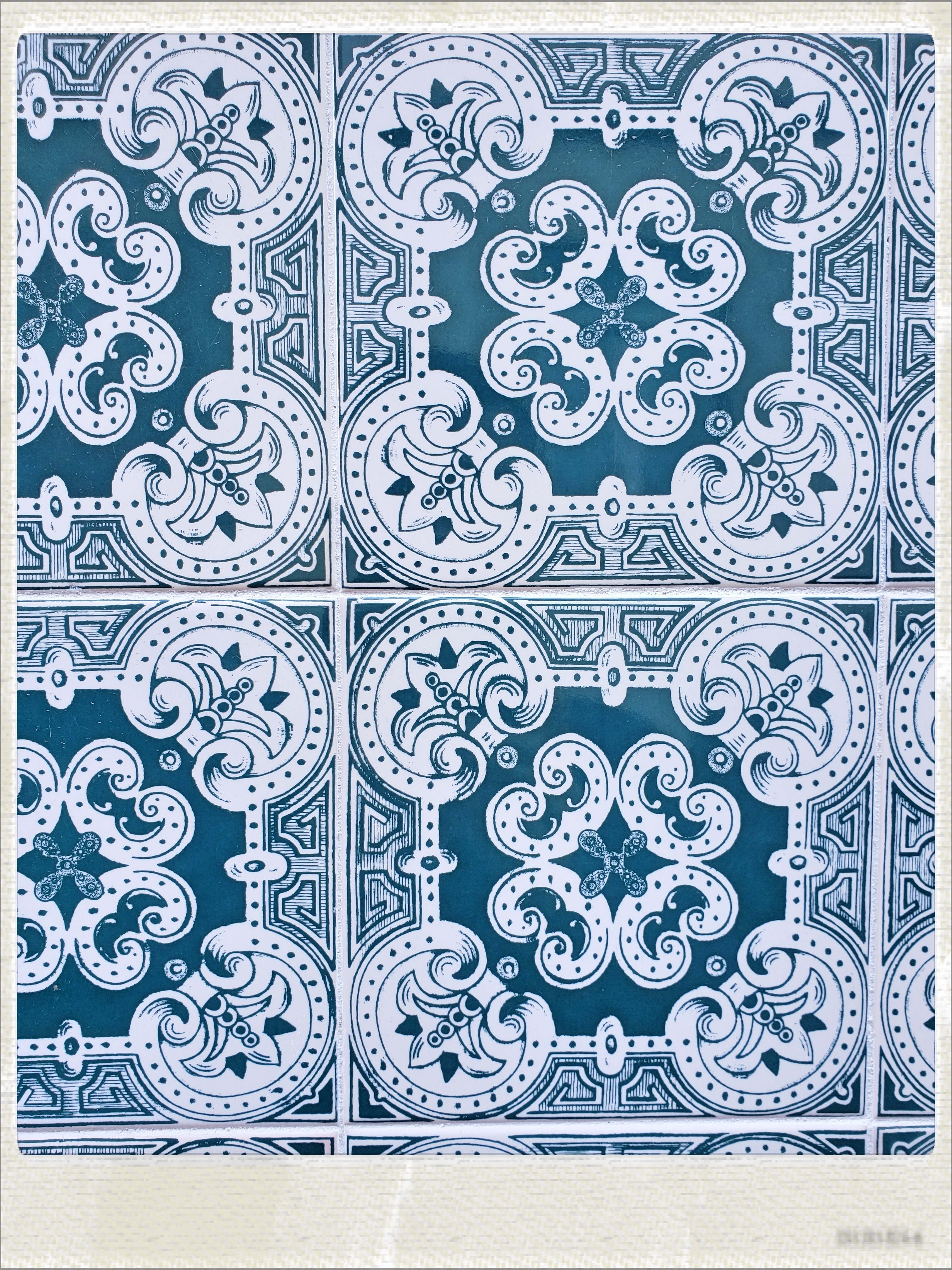
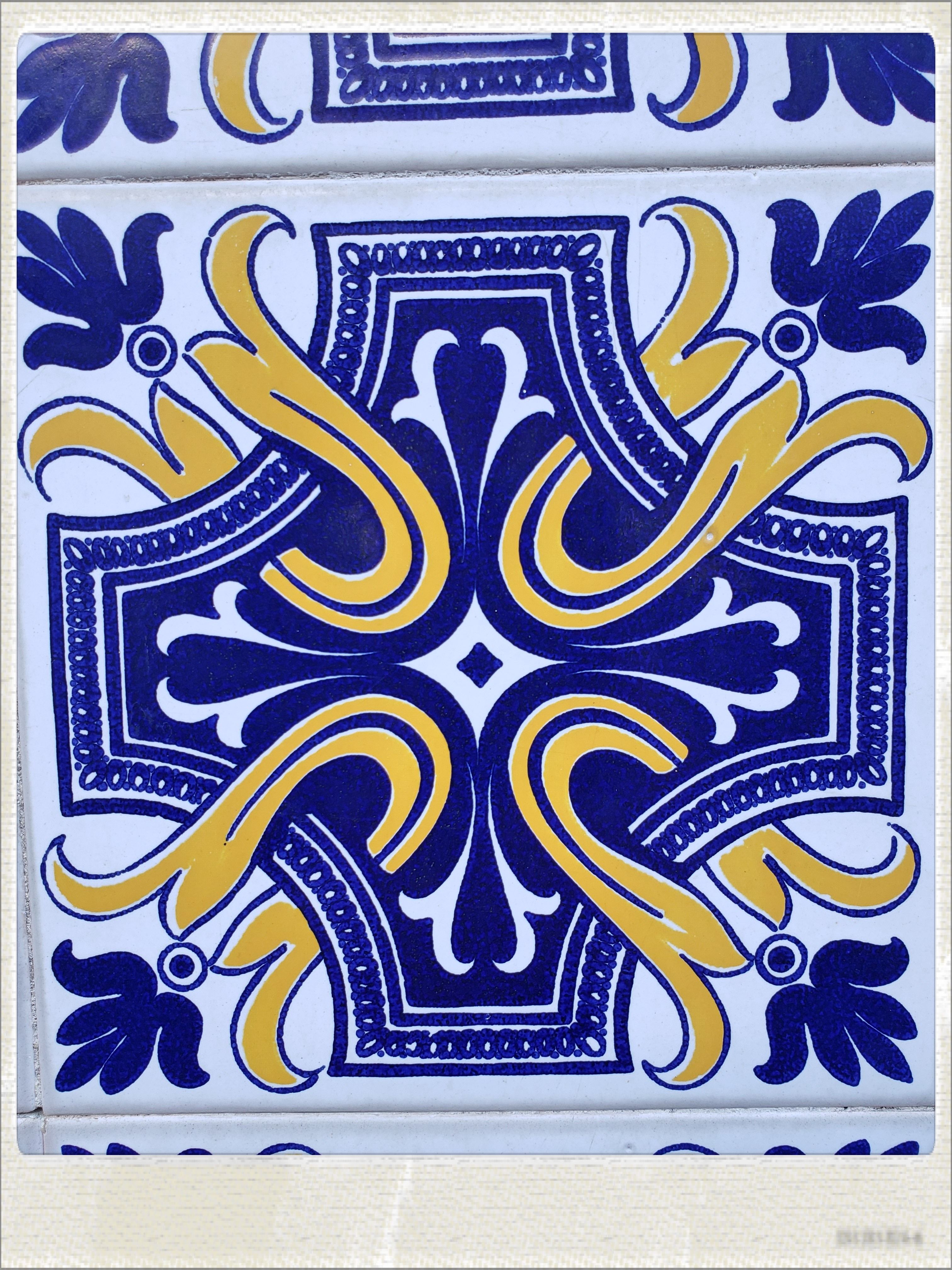
‘Lively, clean, small, cramped technicolor apartment buildings softly-ornamented by the iconic Portugese ceramic tiles.’
I was literally heavily bombarded, in a good sense, by these distinctive features unique to Lisbon as I was roaming through the hilly Alfama district.
Baixa Elevator
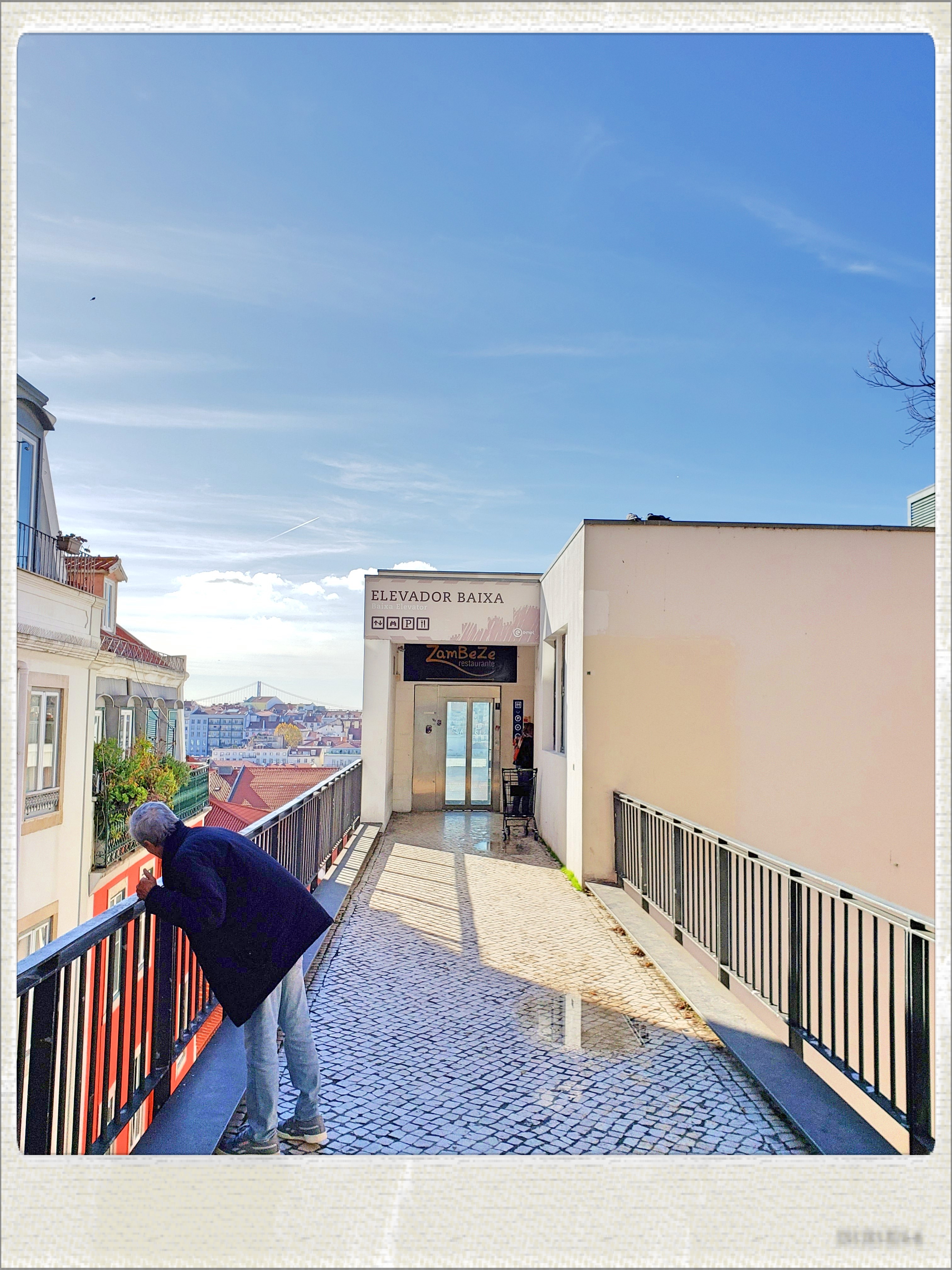
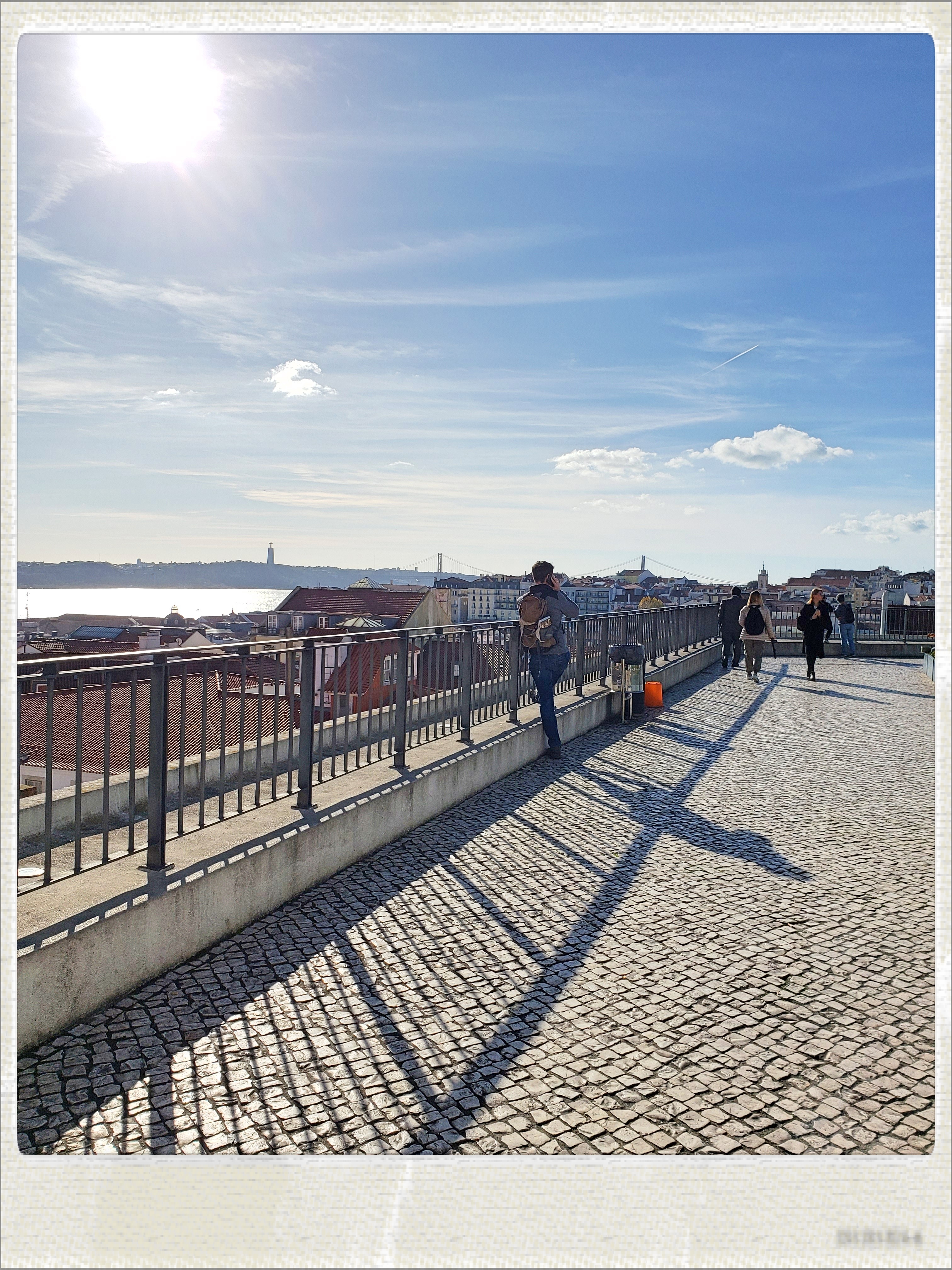
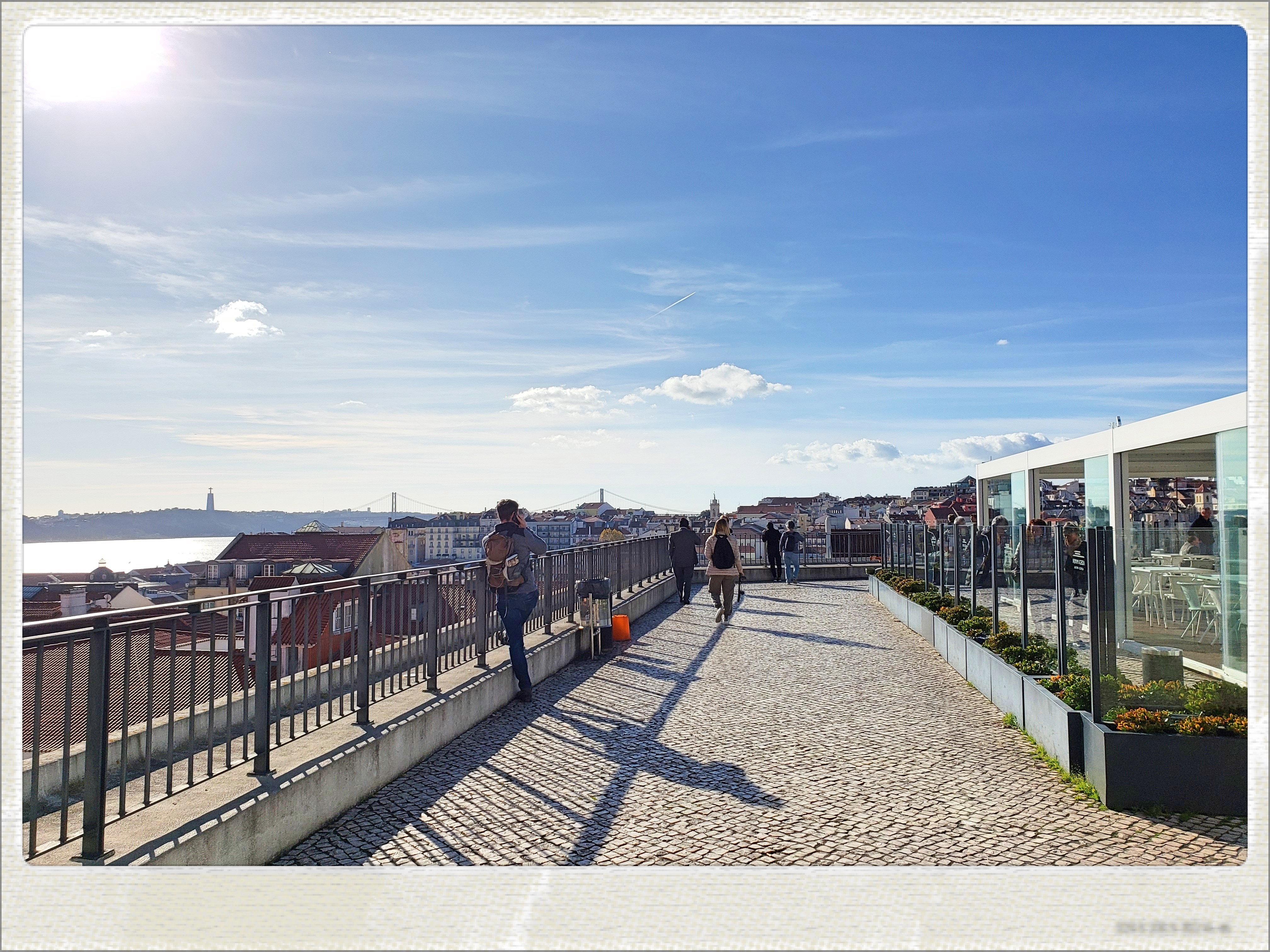
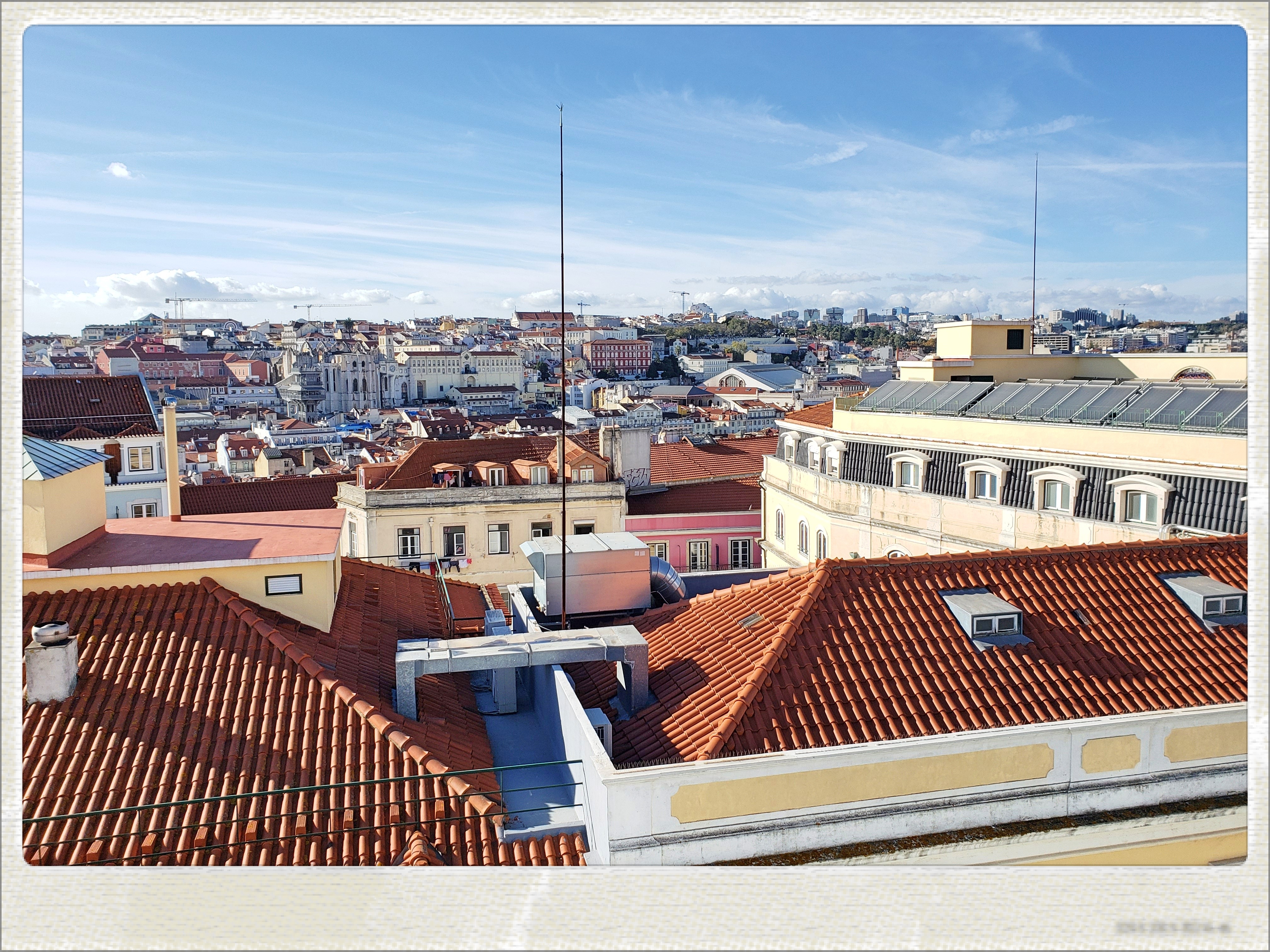
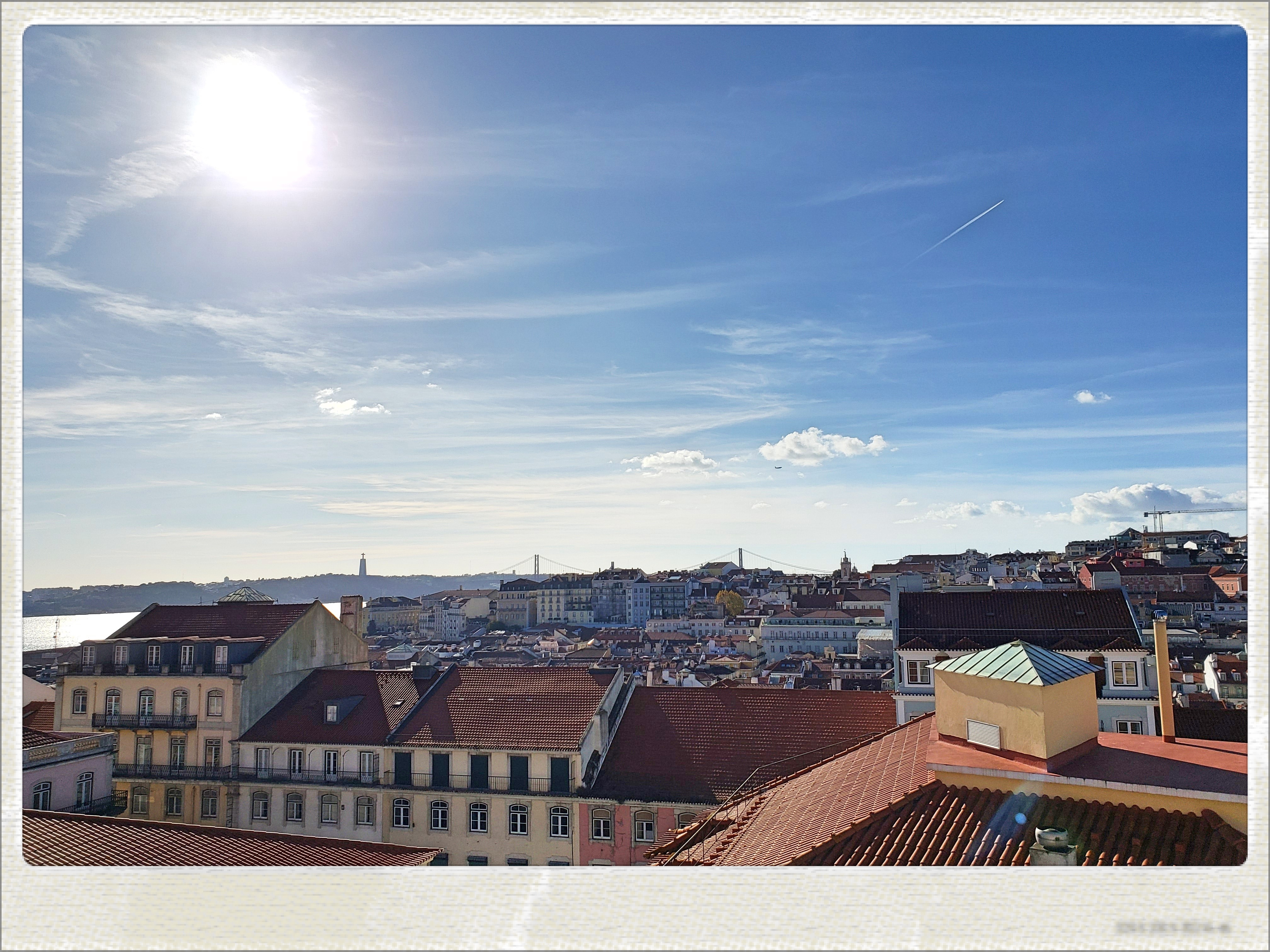
Being engrossed in the one-of-a-kind cityscape of the Alfama district for long, I eventually reached the Baixa Elevator. Being one of the elevators dotting the hilly city centre of Lisbon, not only did it help facilitate the movement the lower street and the hill, it’s rooftop observation deck, overlooking the buildings on the lower street level, offered a panoramic view of the city centre.
Prata Street (Rua da Prata)
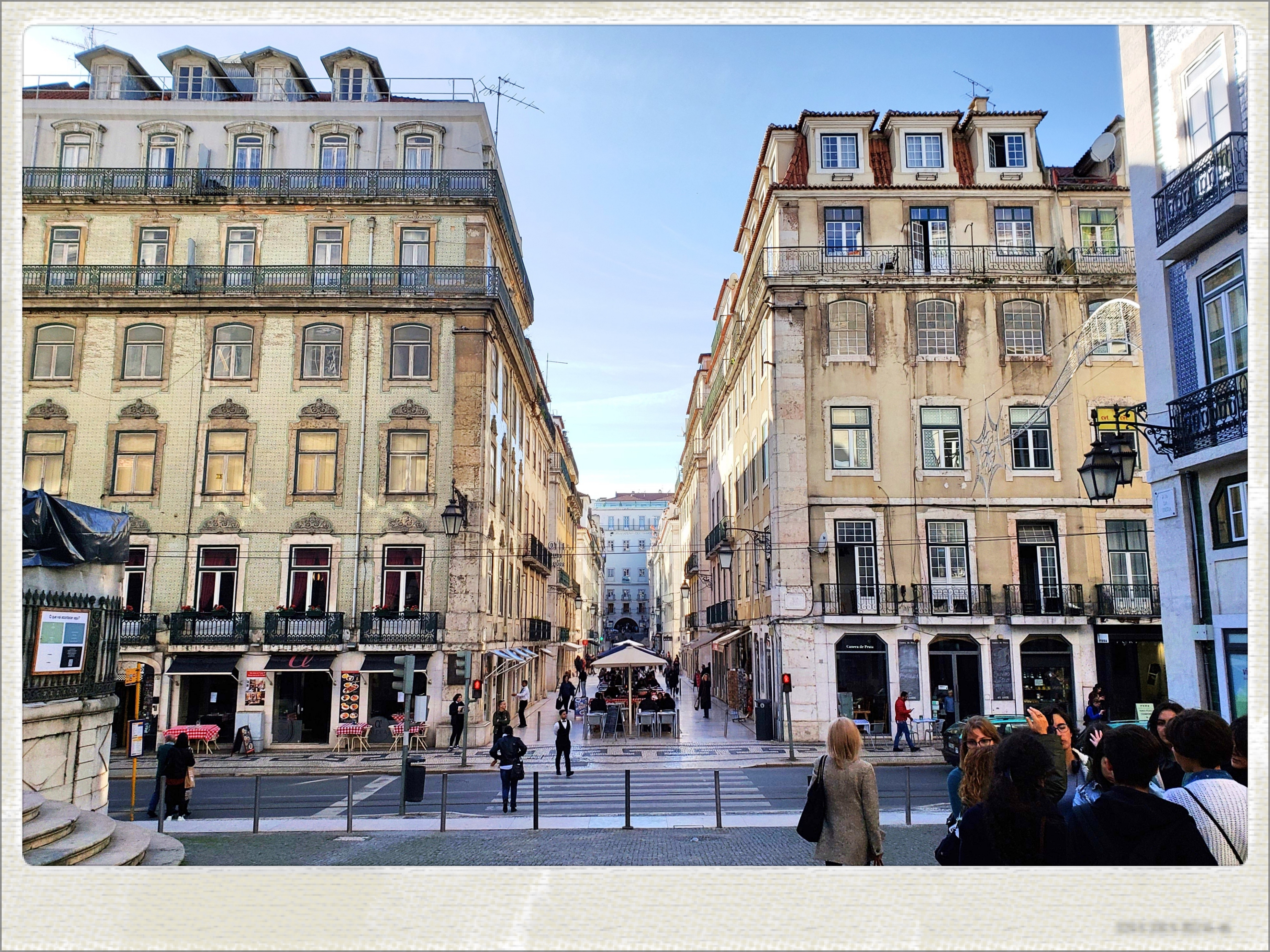
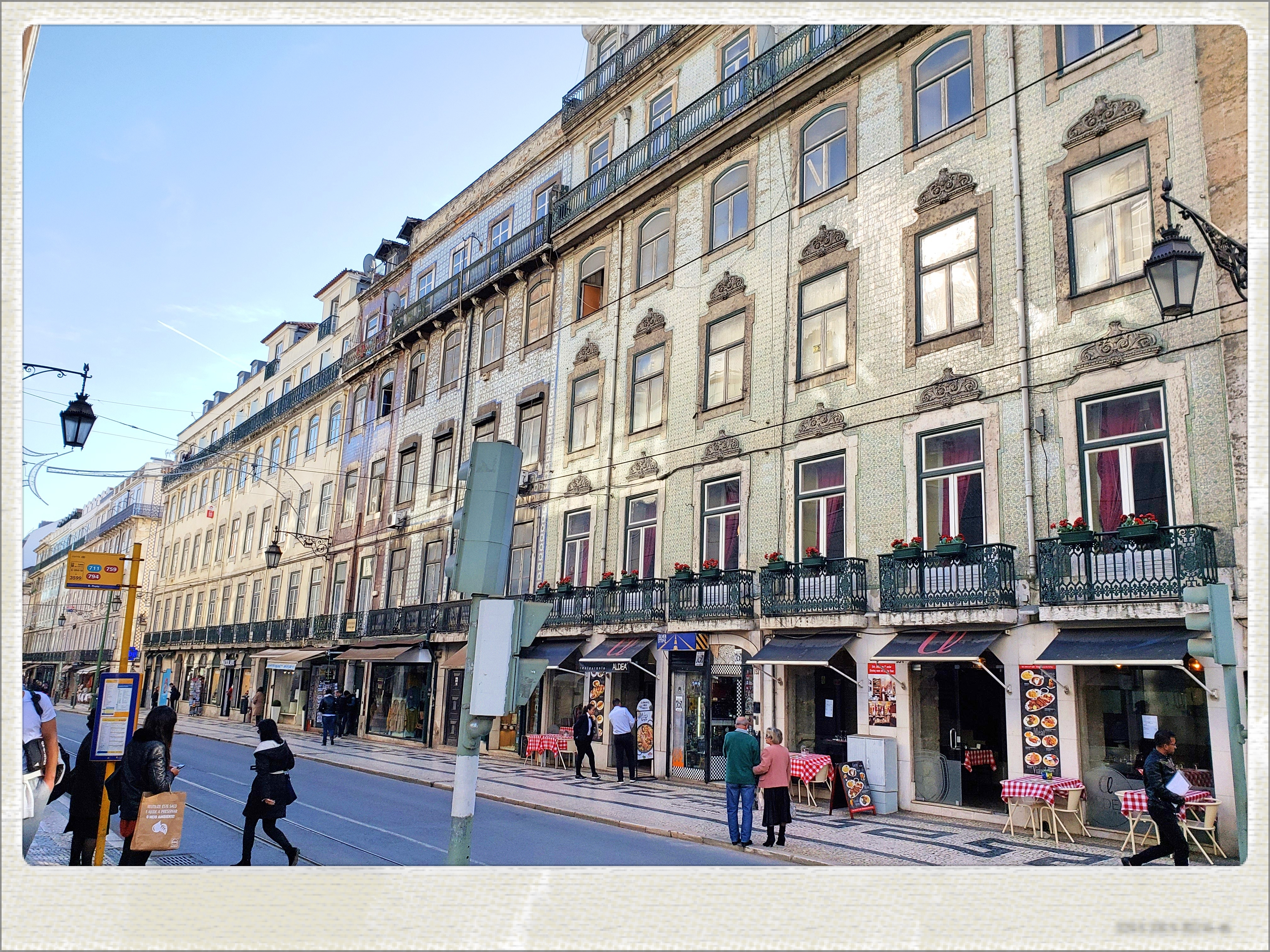
The lower street level exit of the Baixa Elevator was sited in Prata Street, a narrow street flanked with long stretches of shabbyish low-rise and laid with tramway track.
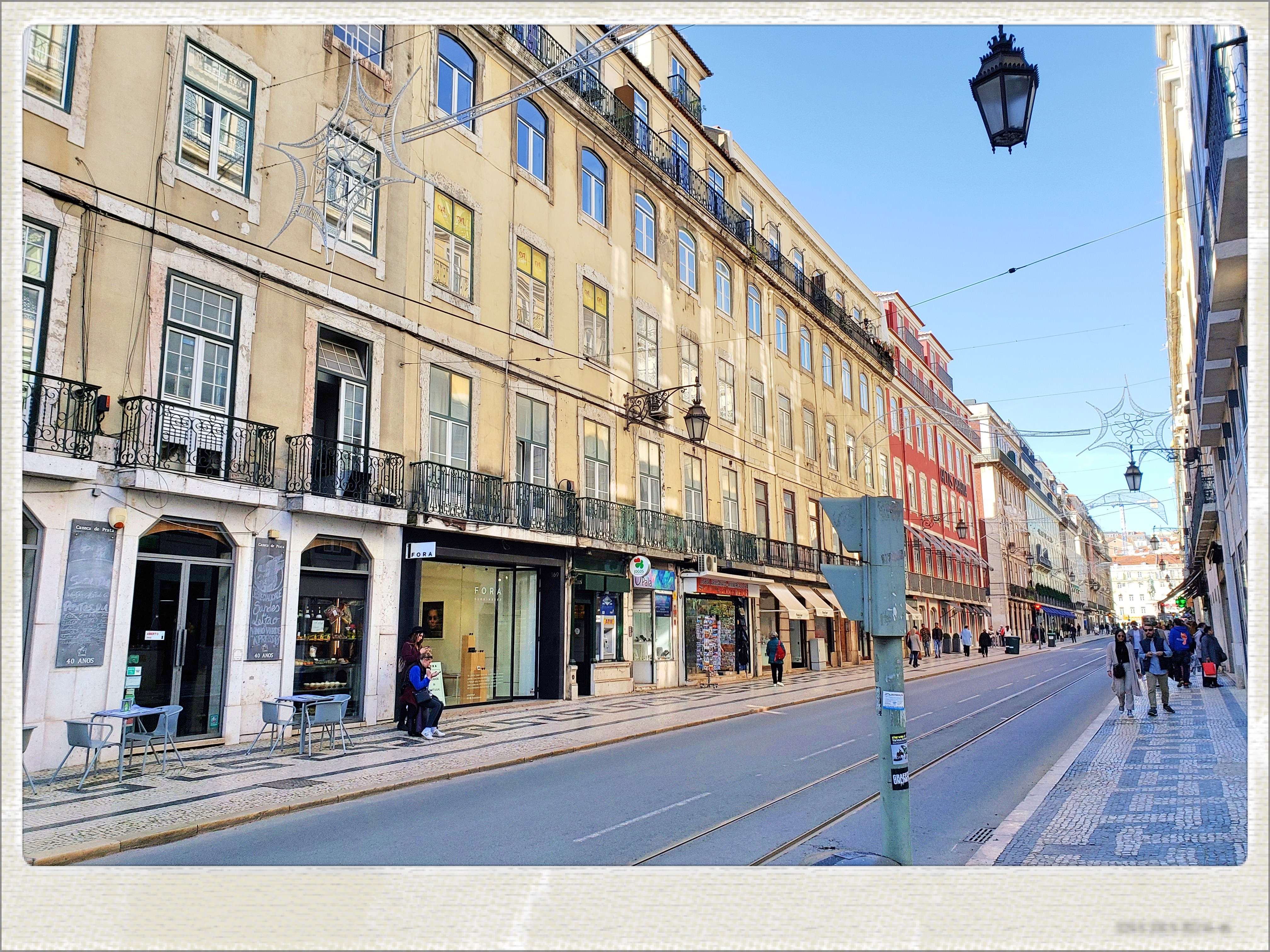
Commerce Square (Praca do Comercio)
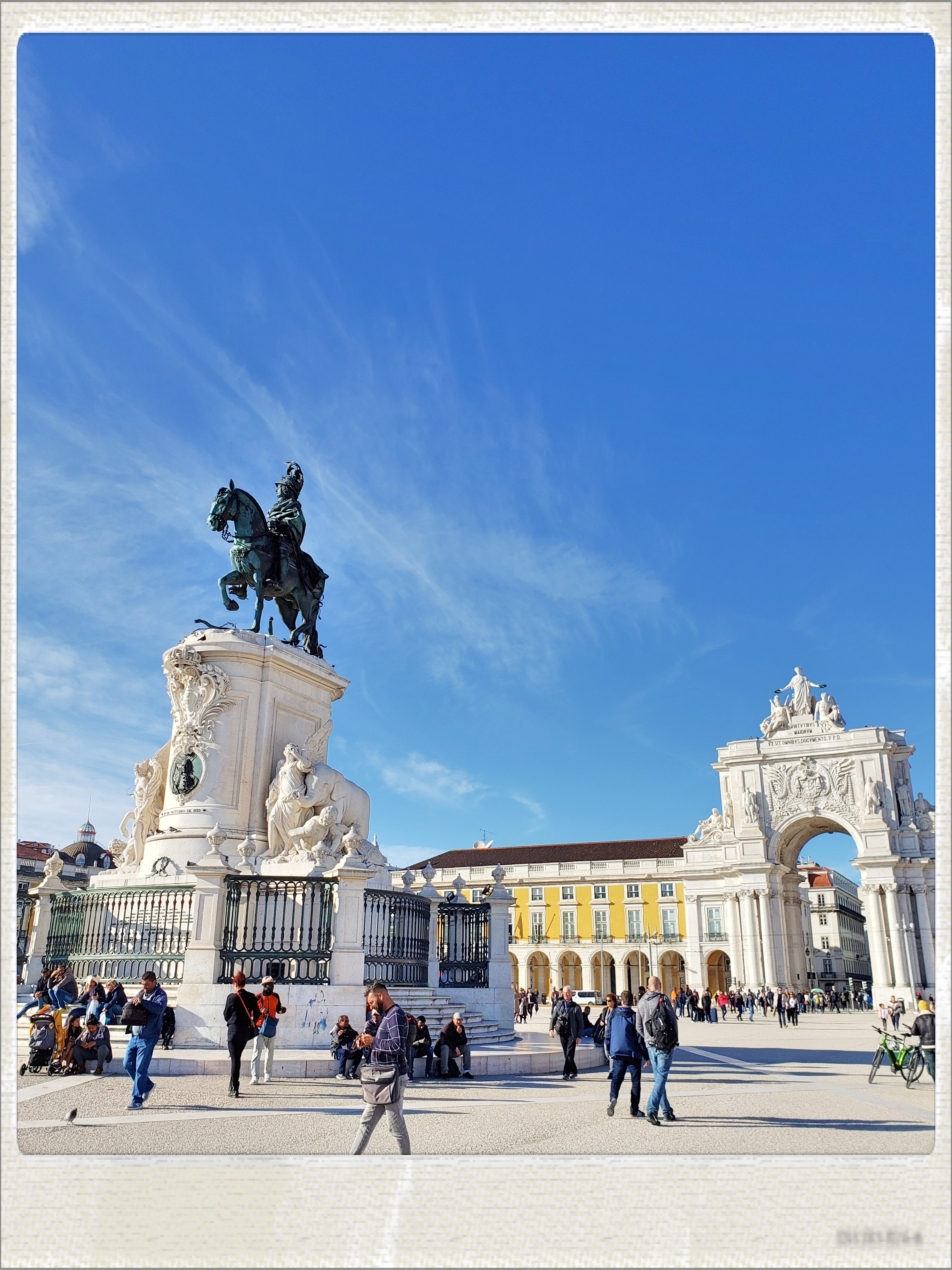
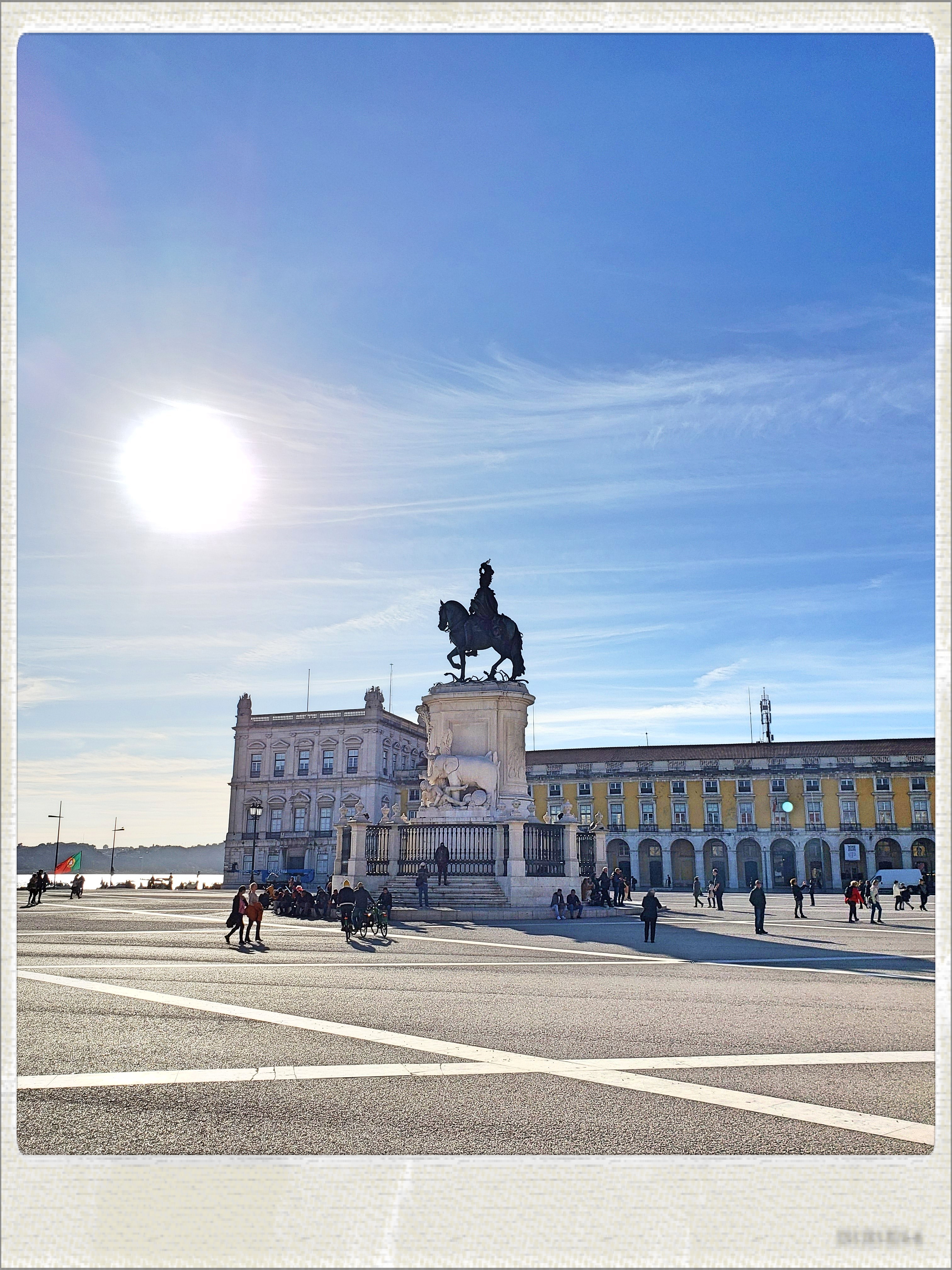
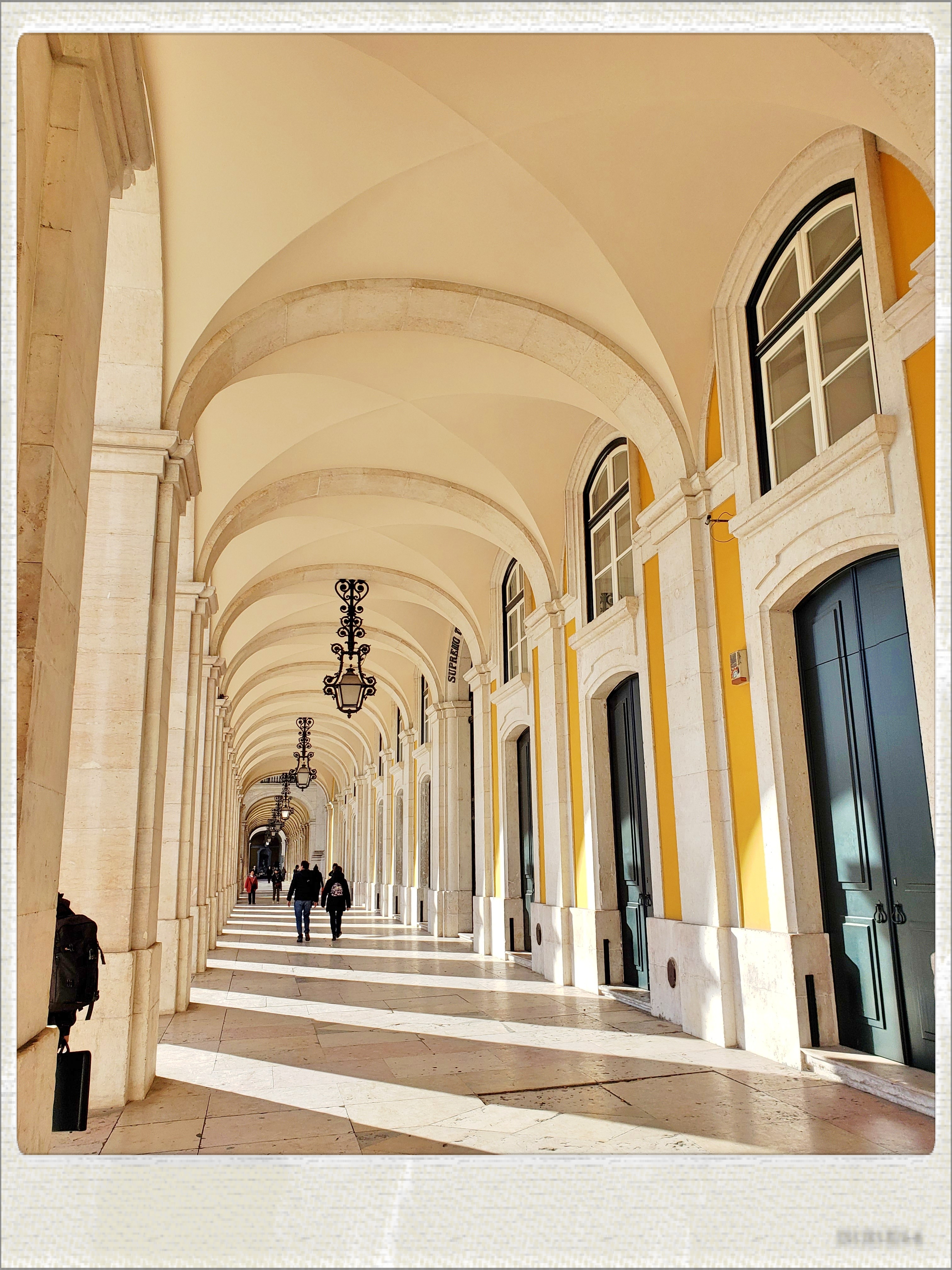
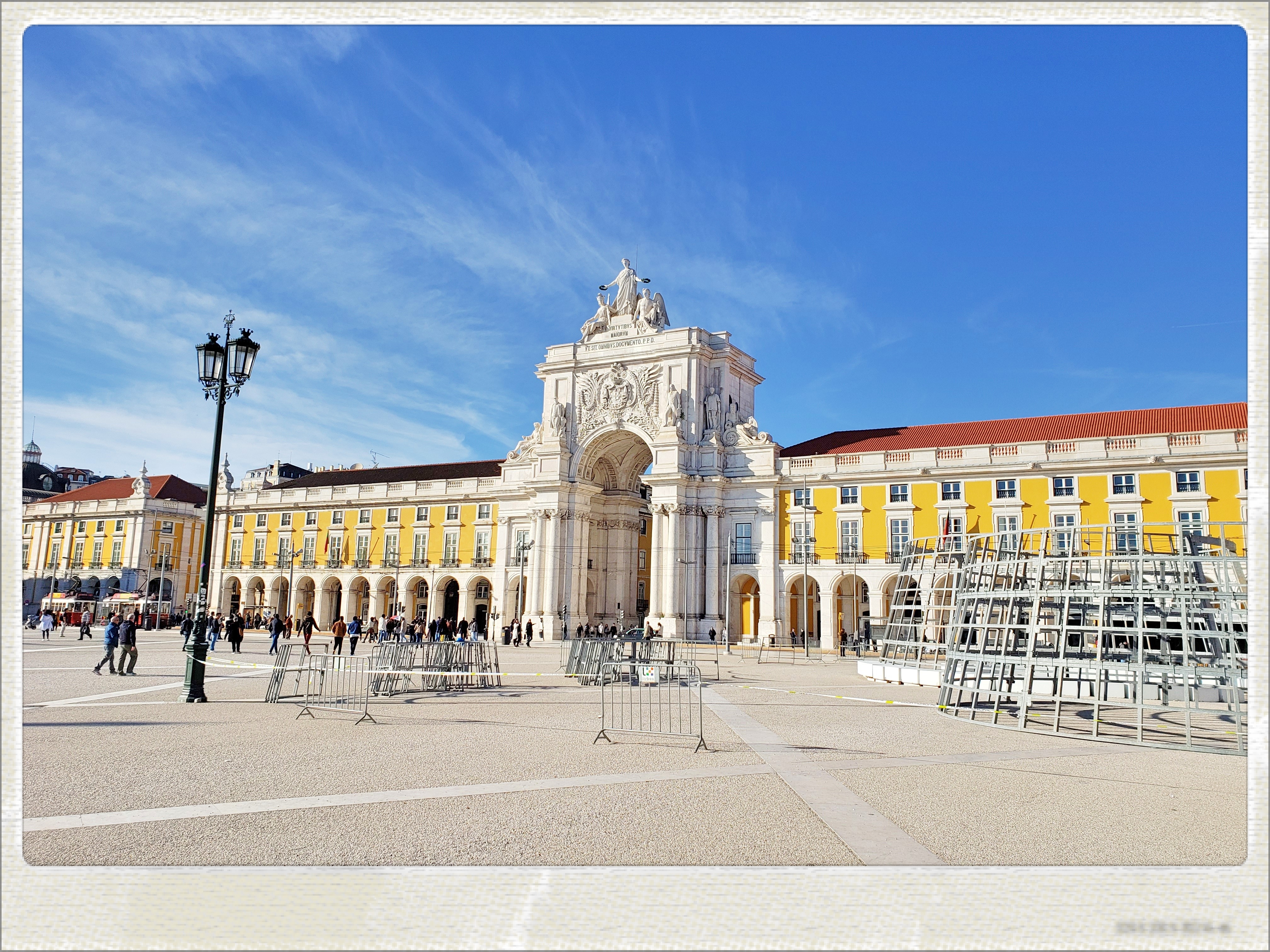
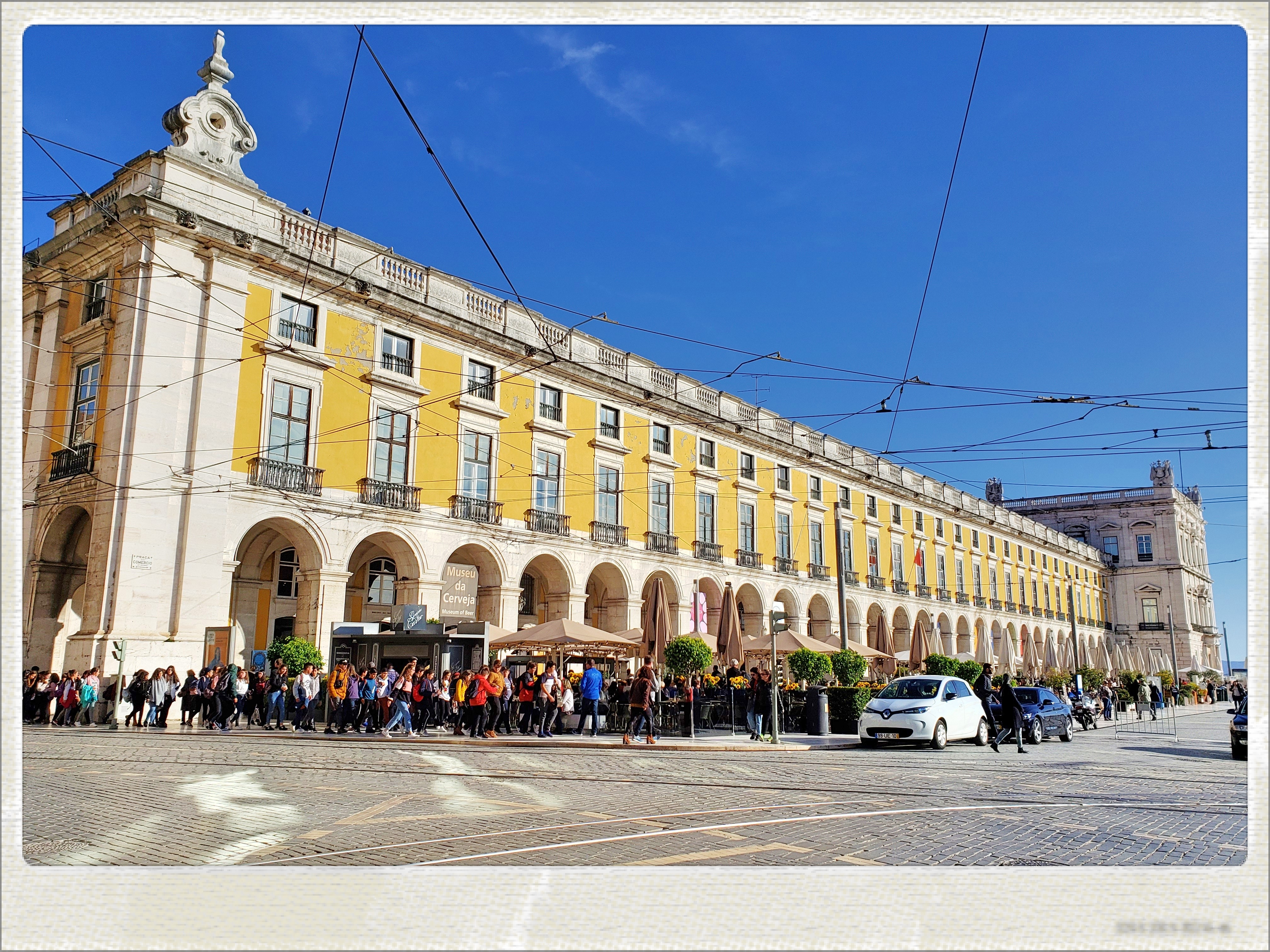
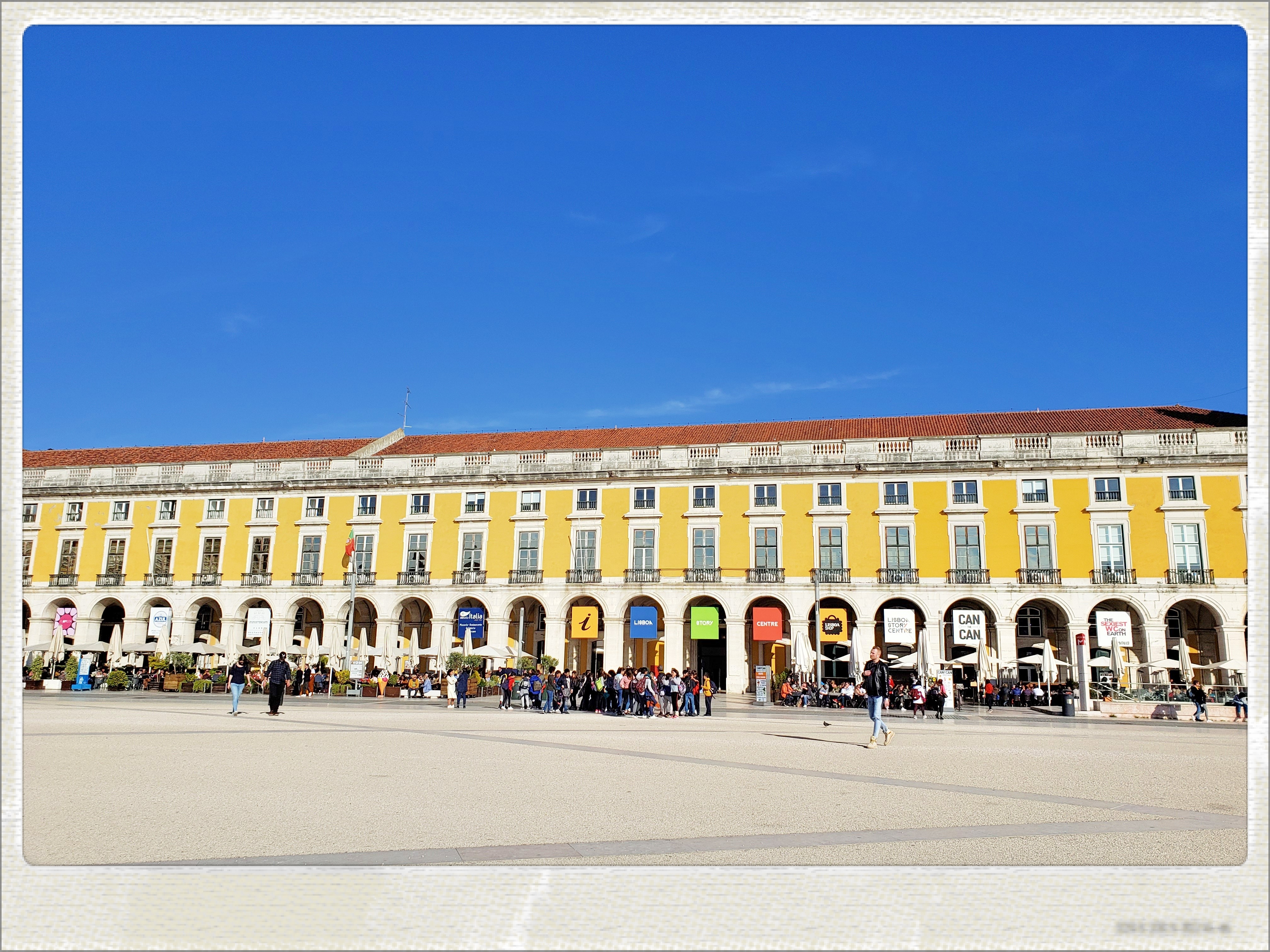
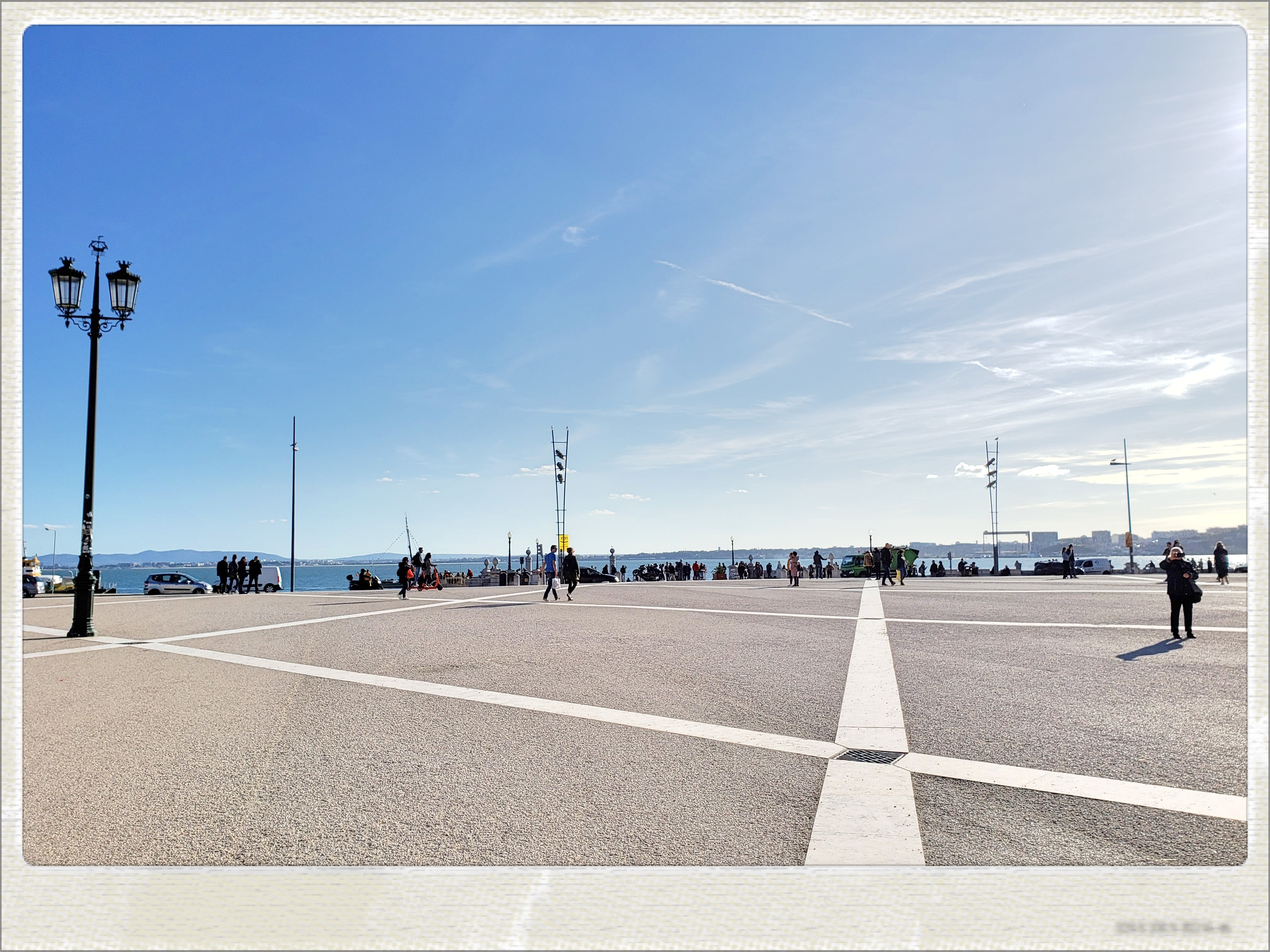
Commerce Square, the fifth graceful squares that I’d taken in that day, blew my mind for its immense size and the uniformly amber-hued facades of the buildings surrounding it.
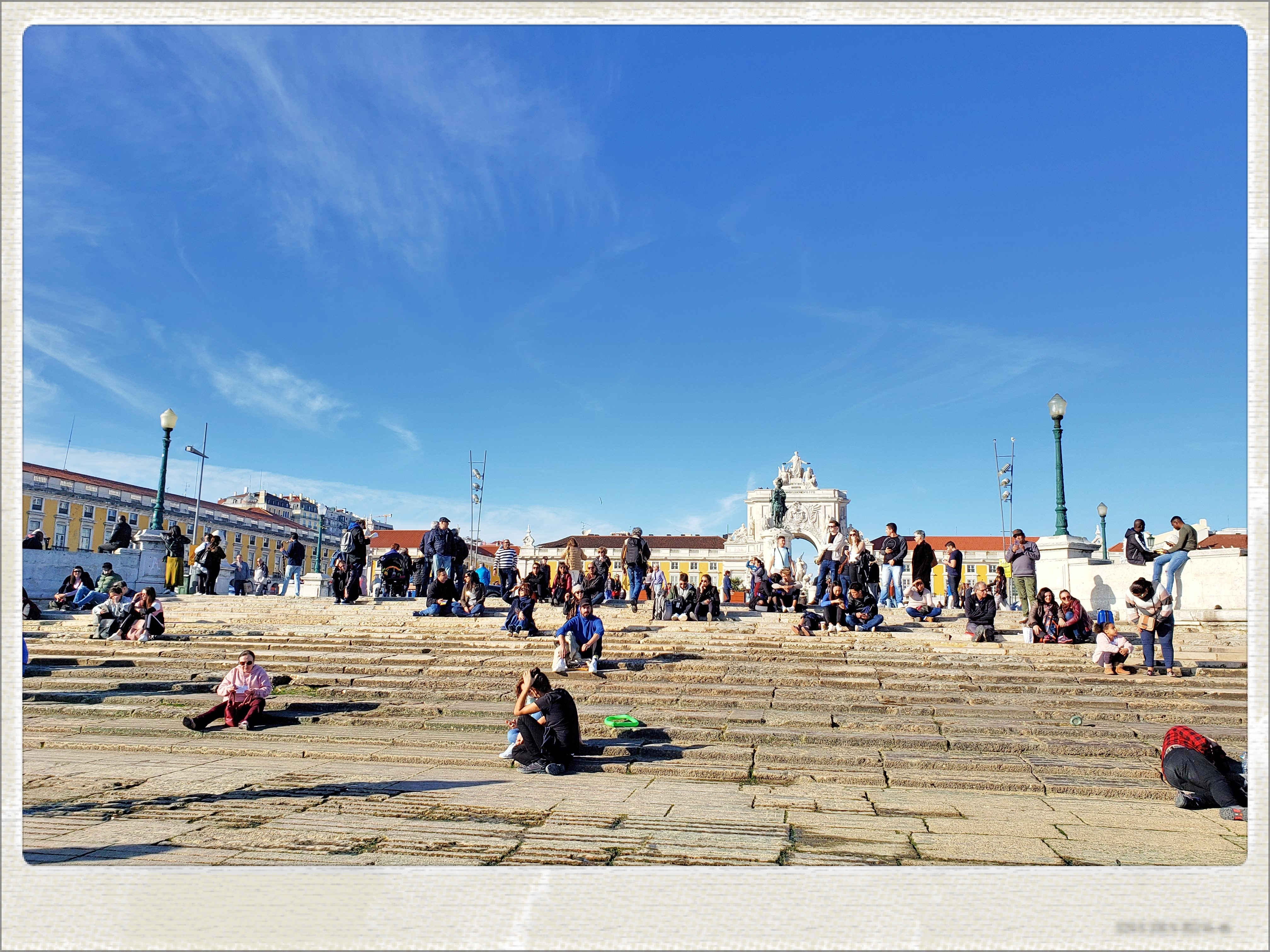
Three of the four sides of the square were watched over by long stretches of three-story building, including the Rua Augusta Arch (Arco da Rua Augusta) on the northern flank.
Like the other squares that I’d taken in on that day, an eye-catching monument was erected at the centre of the square which was dedicated to the illustrious King Joseph I.
On the southern flank of the square was once a grand stairs meant for the arrival of the royal dignitaries. But on the day of my visit, it’d become a popular hang-out for locals and tourists and was strongly reminiscent of the Spanish Steps in Rome.
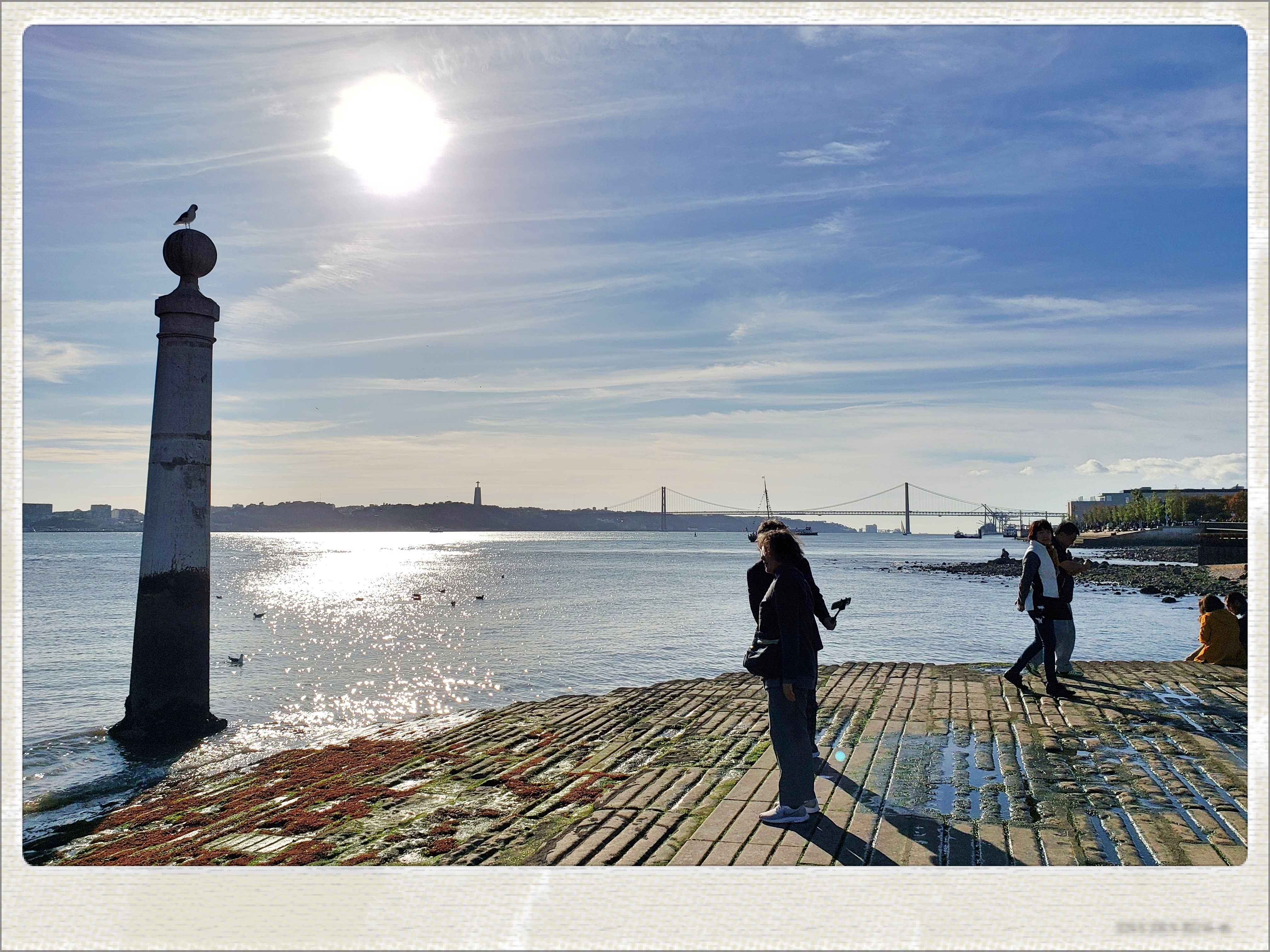
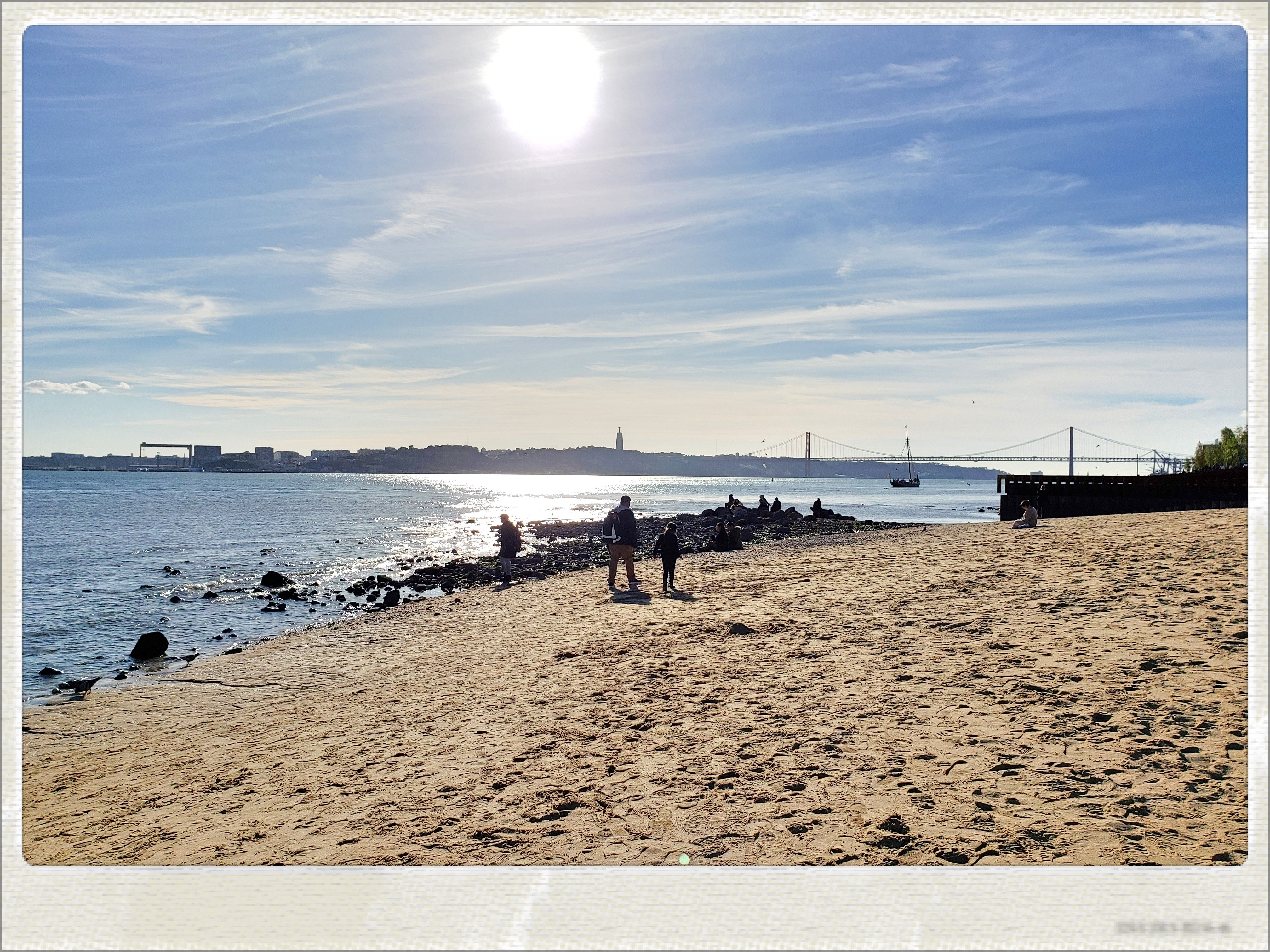
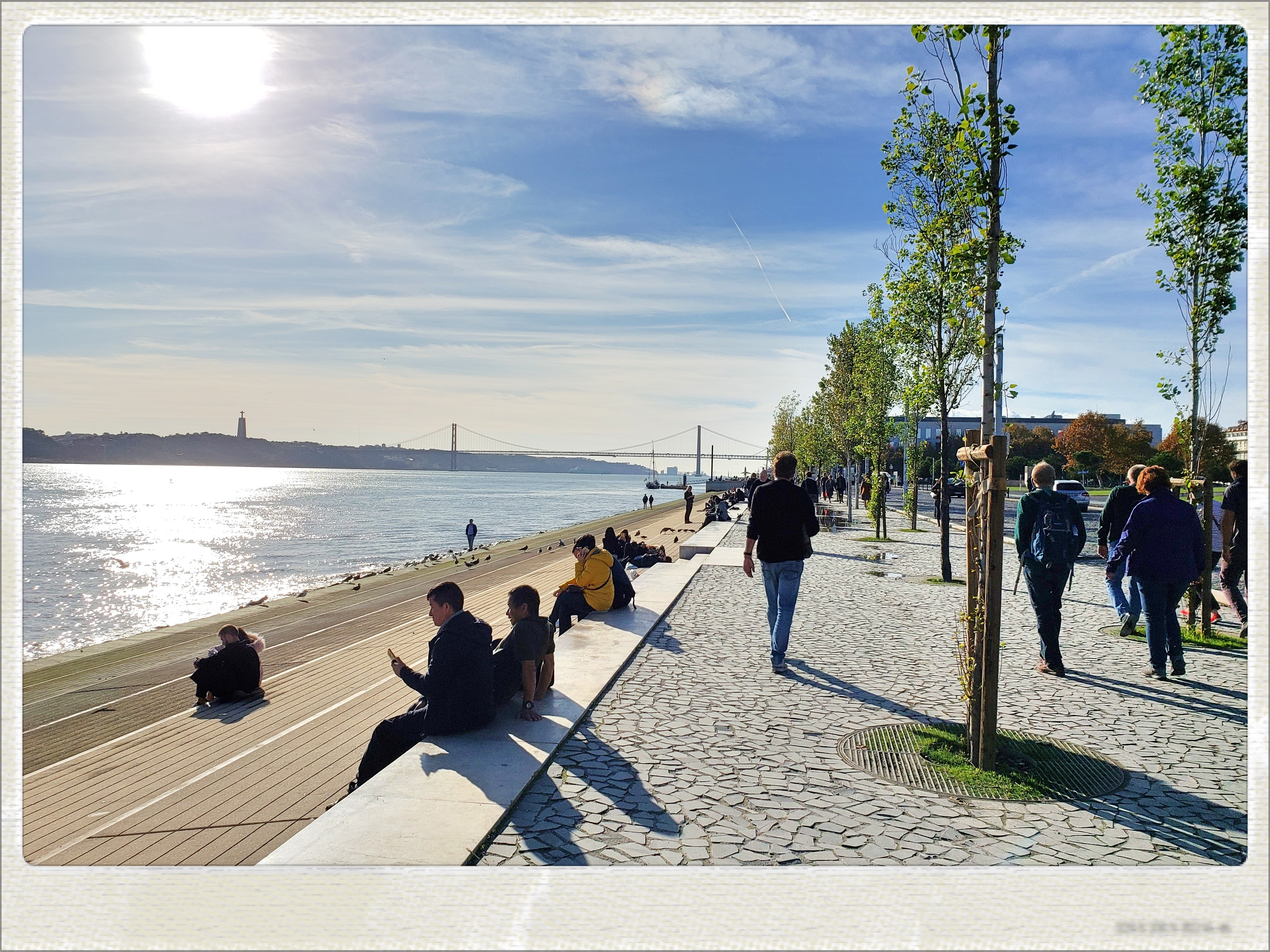
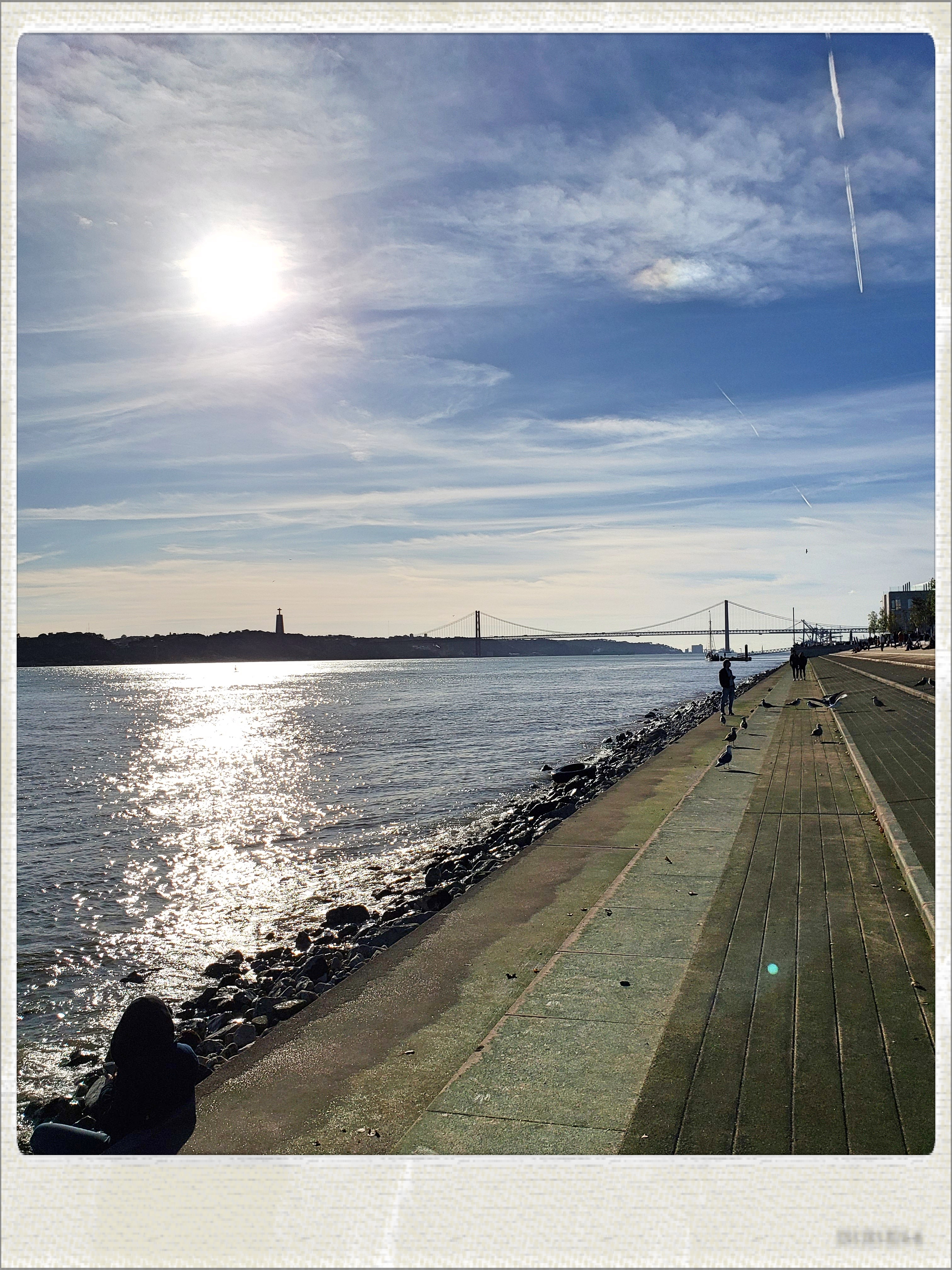
To the west of the stairs was a small stretch of sand and an esplanade offering breathtakingly sunset view of the Tagus River and the 25 April Bridge.
Chiado
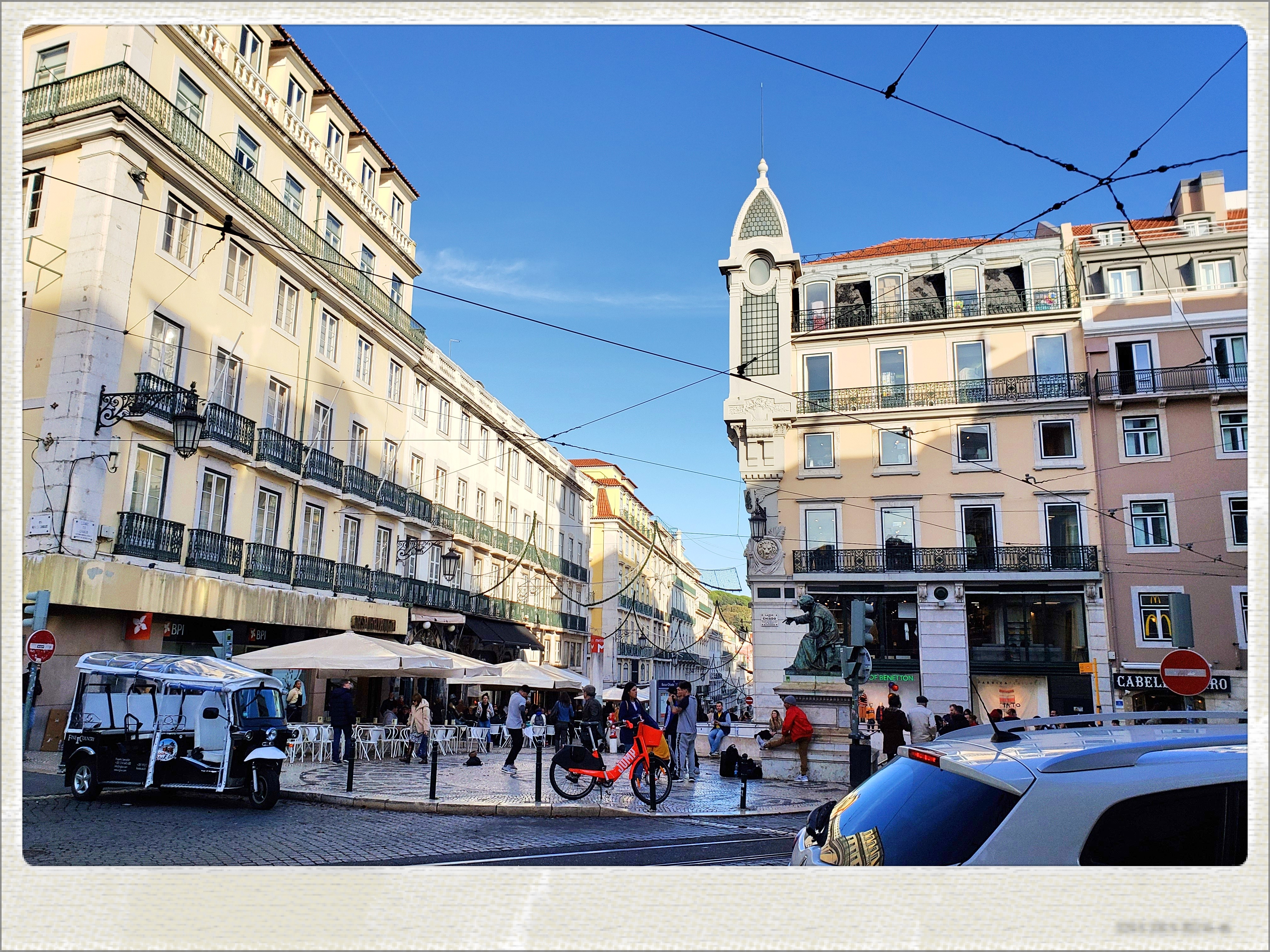
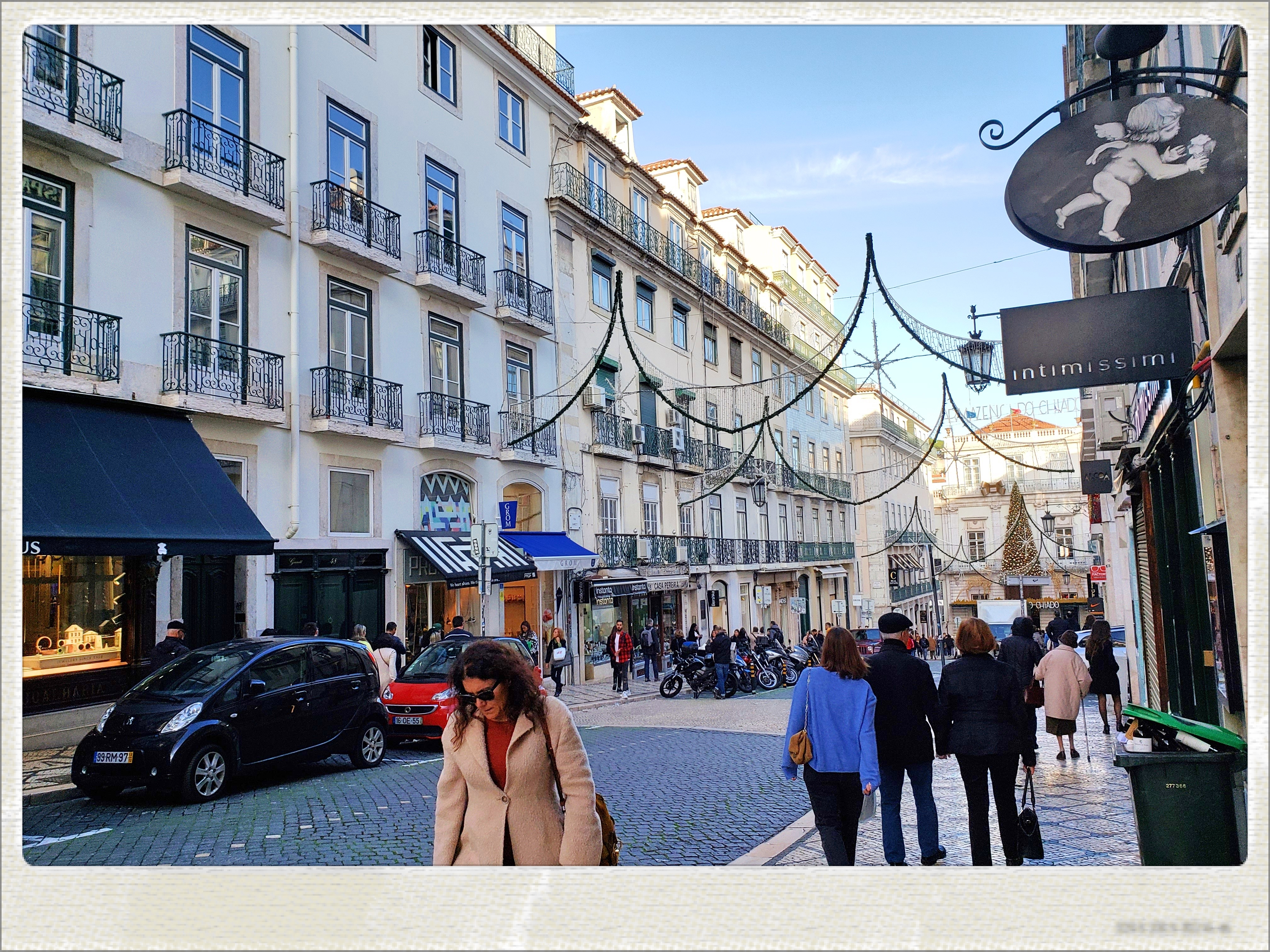
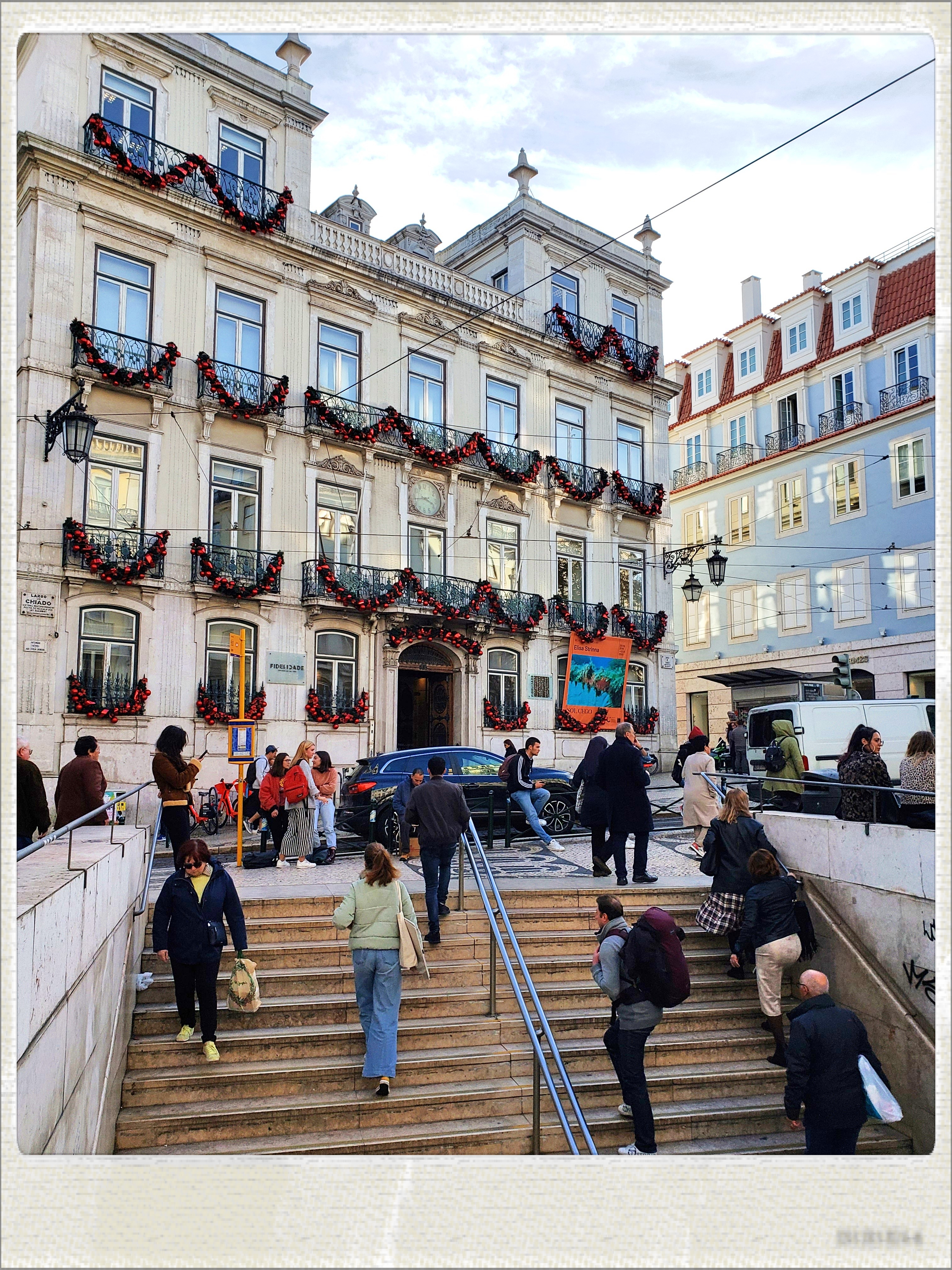
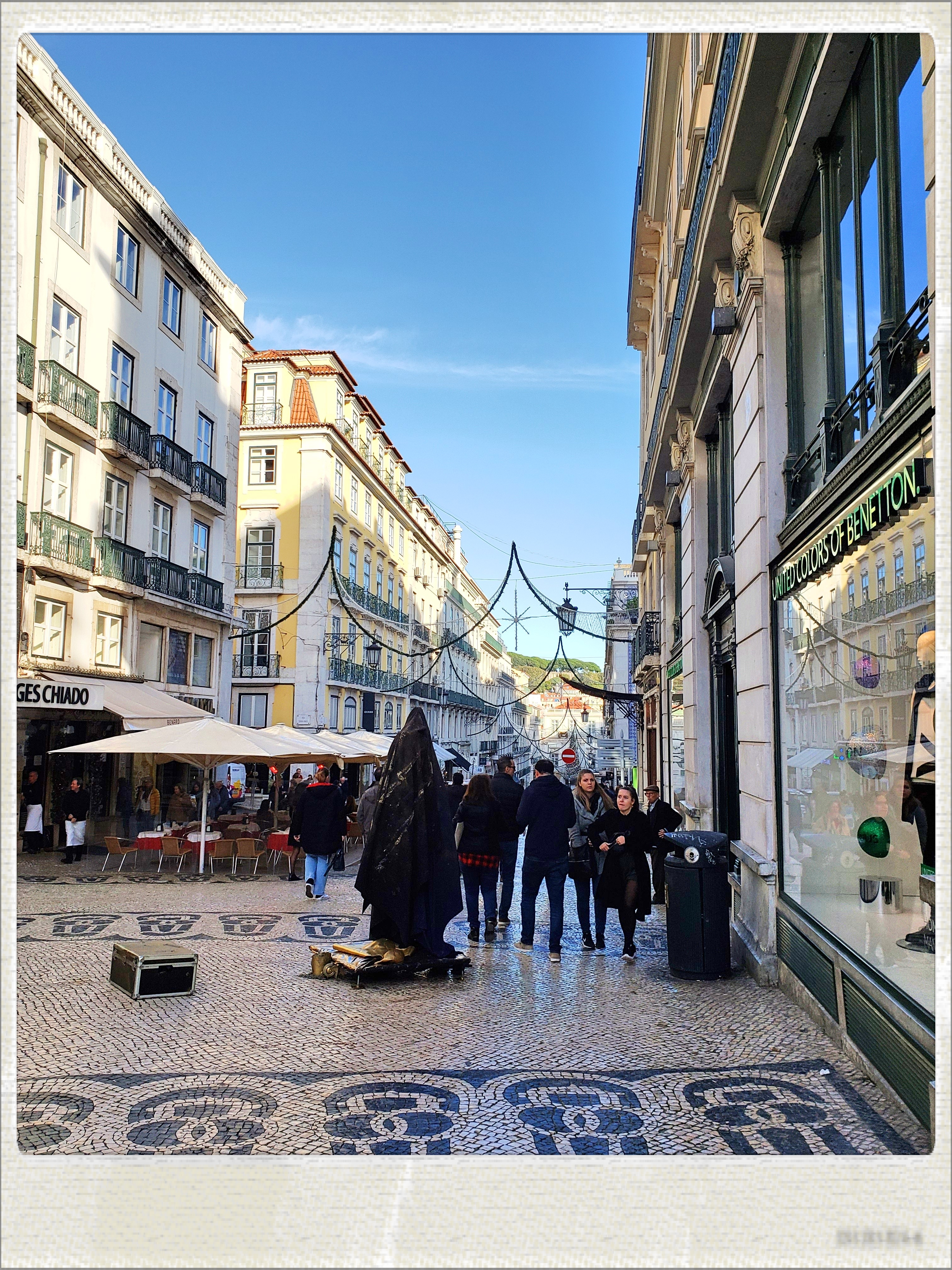
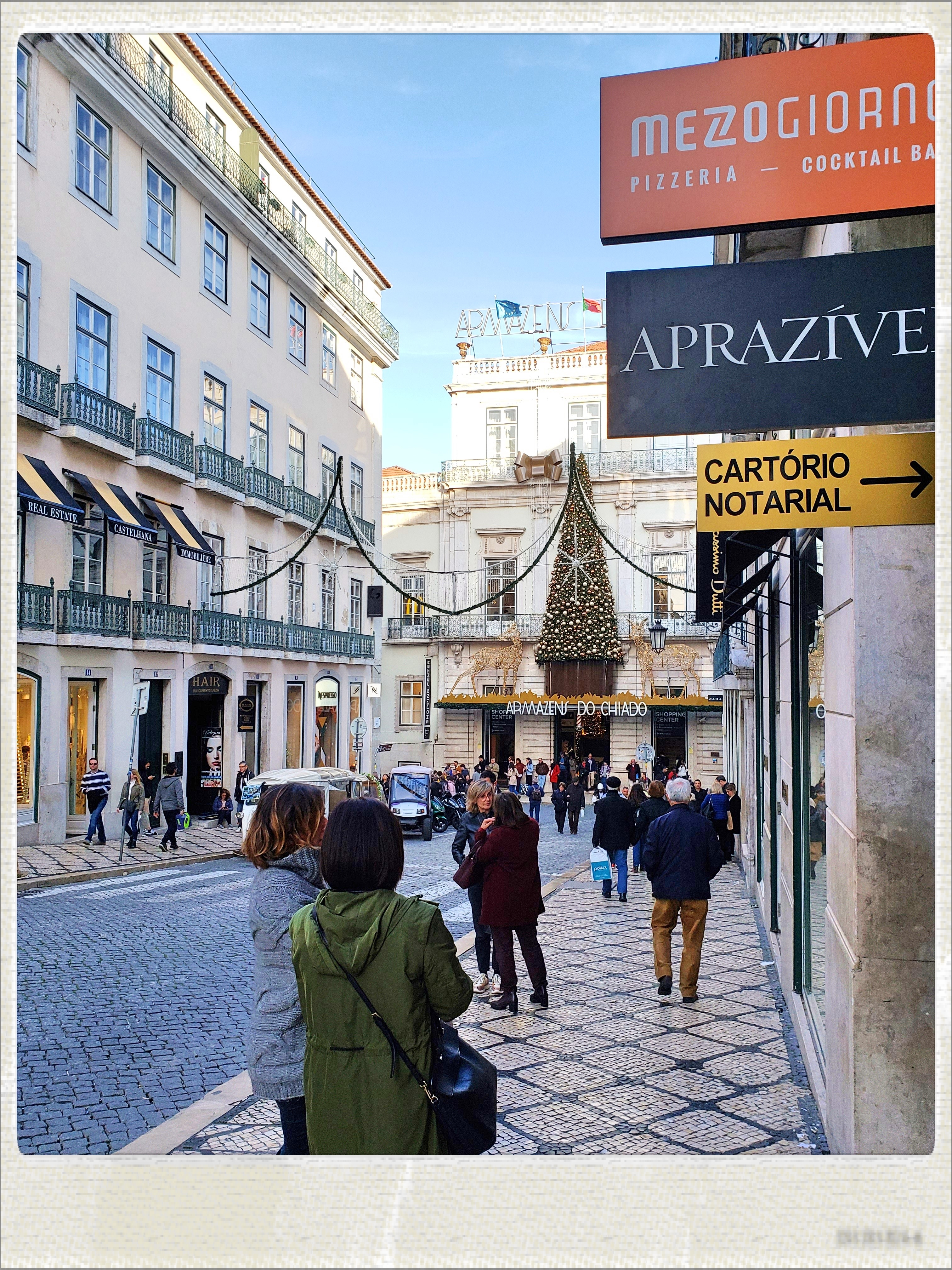
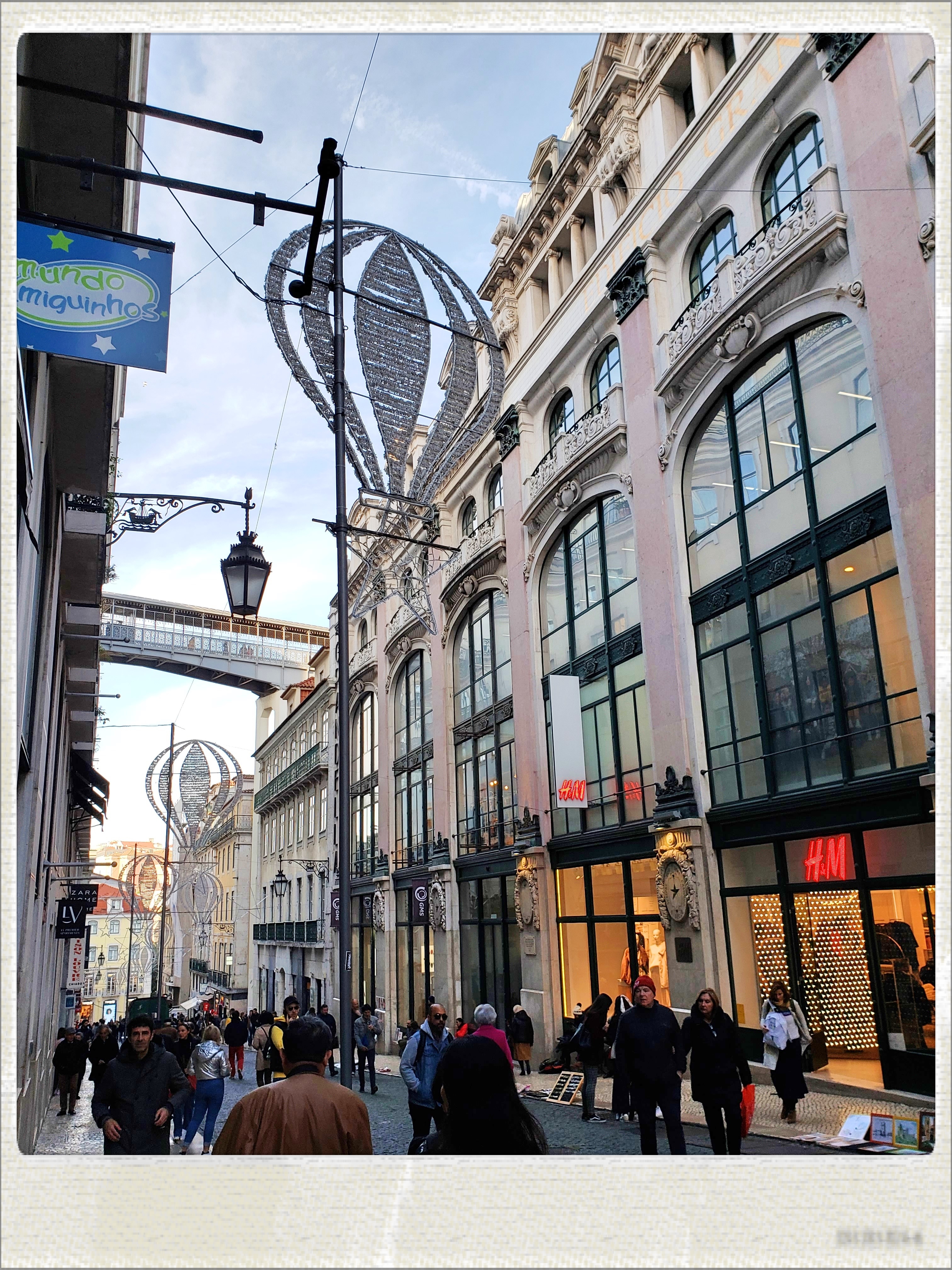
After resting and recharging my phone on the esplanade along the Tagus River, I headed towards Chiado, which was an important commercial and cultural centre in Lisbon featuring bang-on-trend stores and the world renowned pastel de nata shop.
Santa Justa Lift (Elevador de Santa Justa)
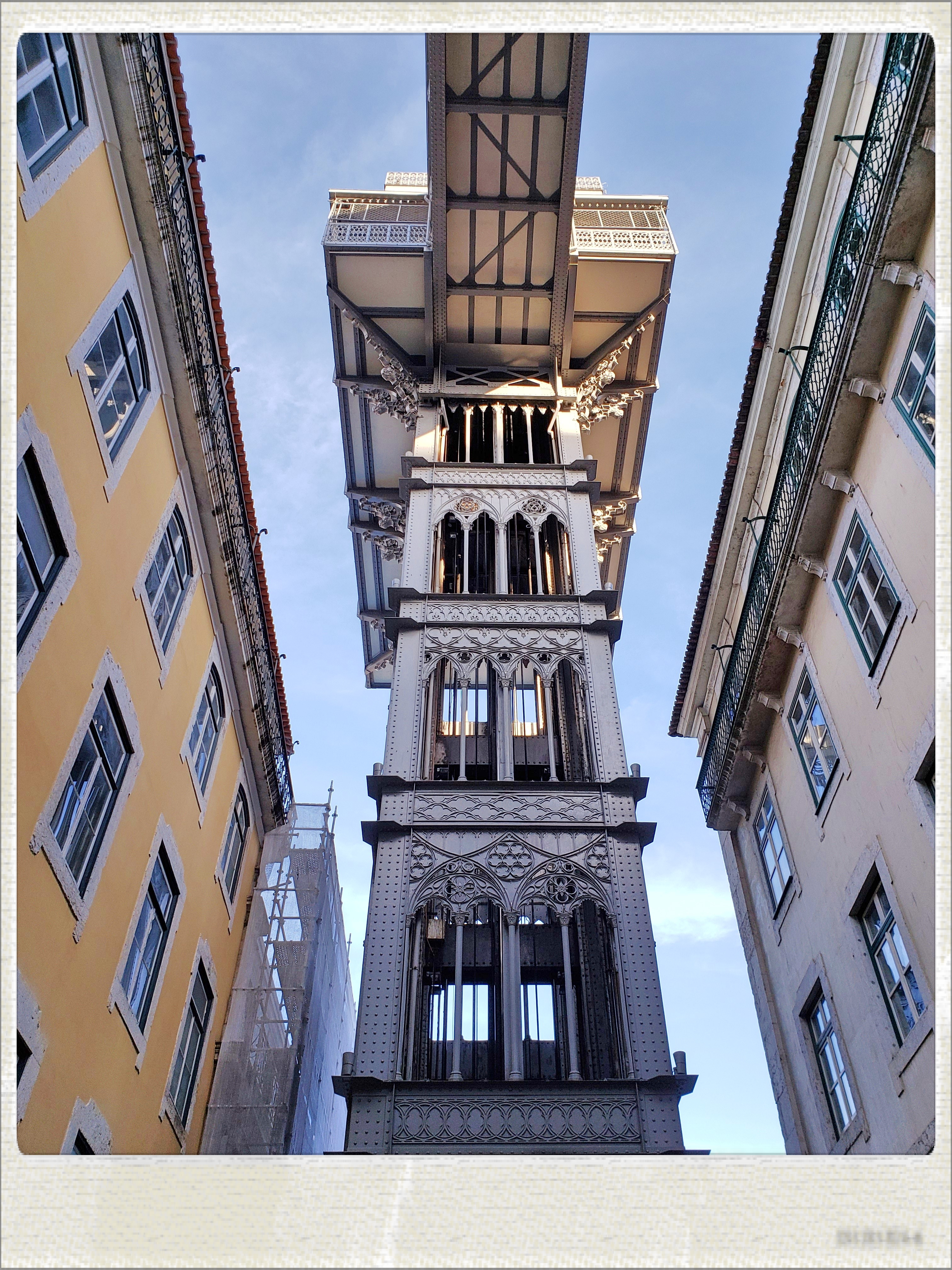
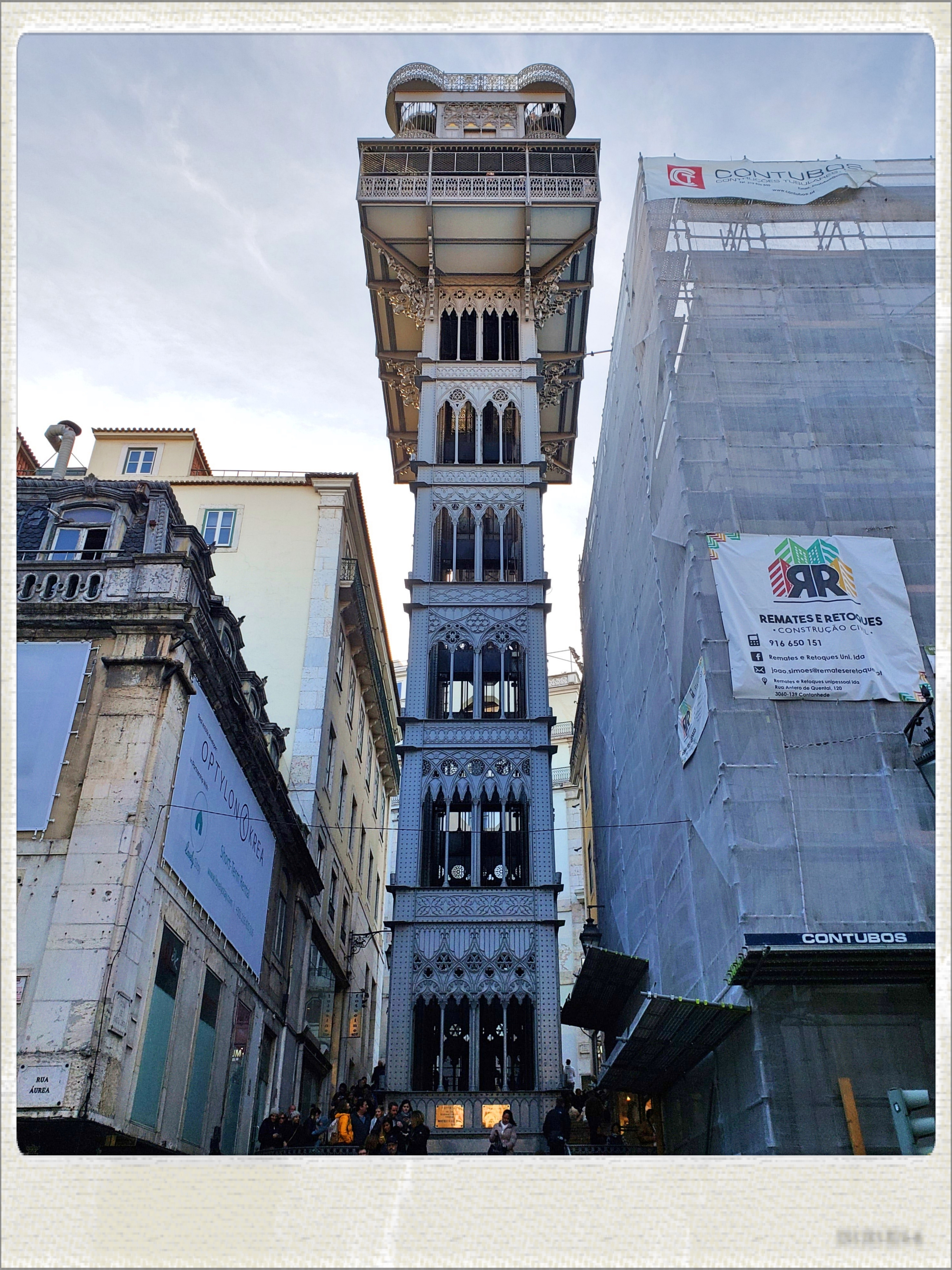
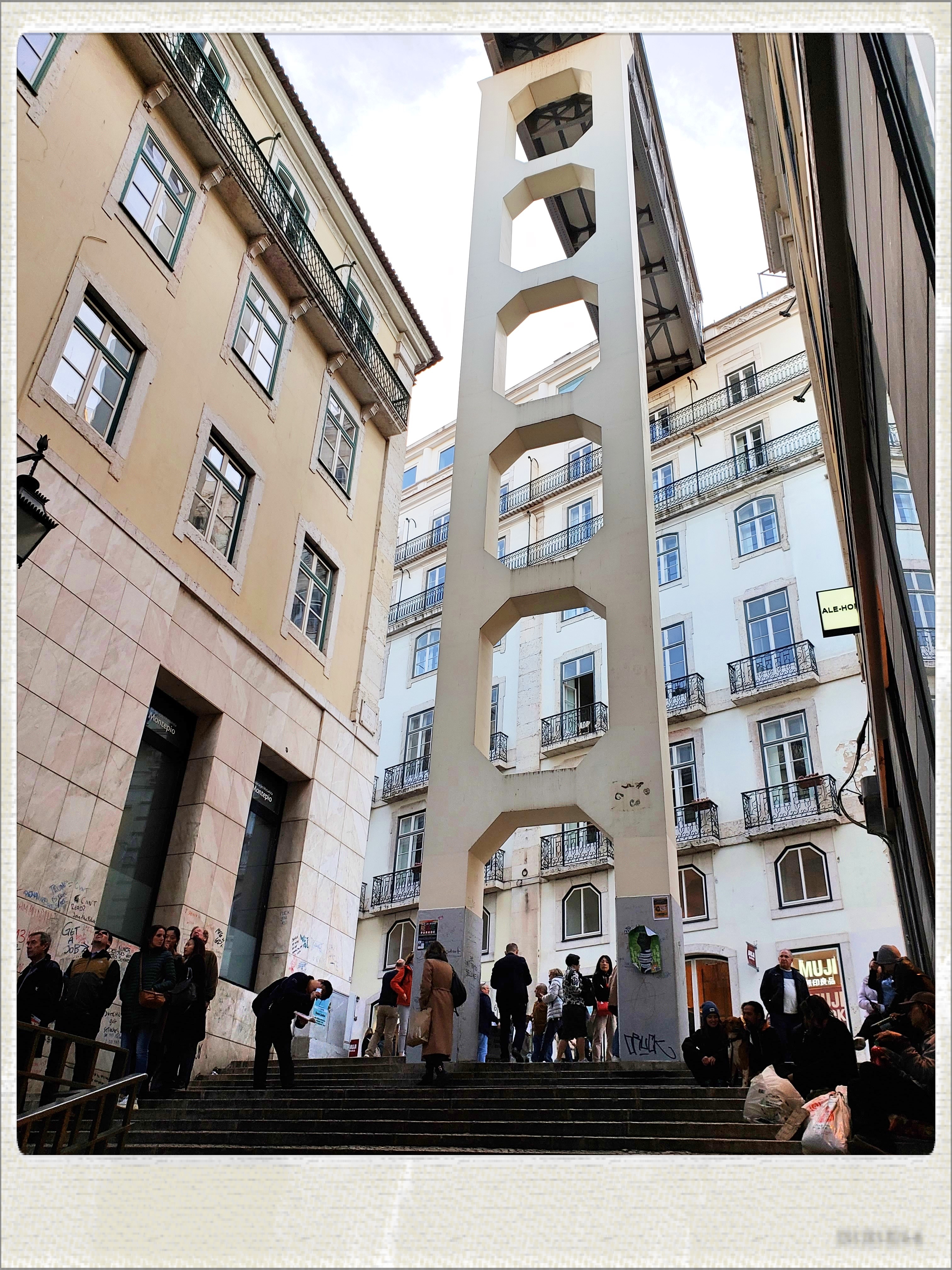
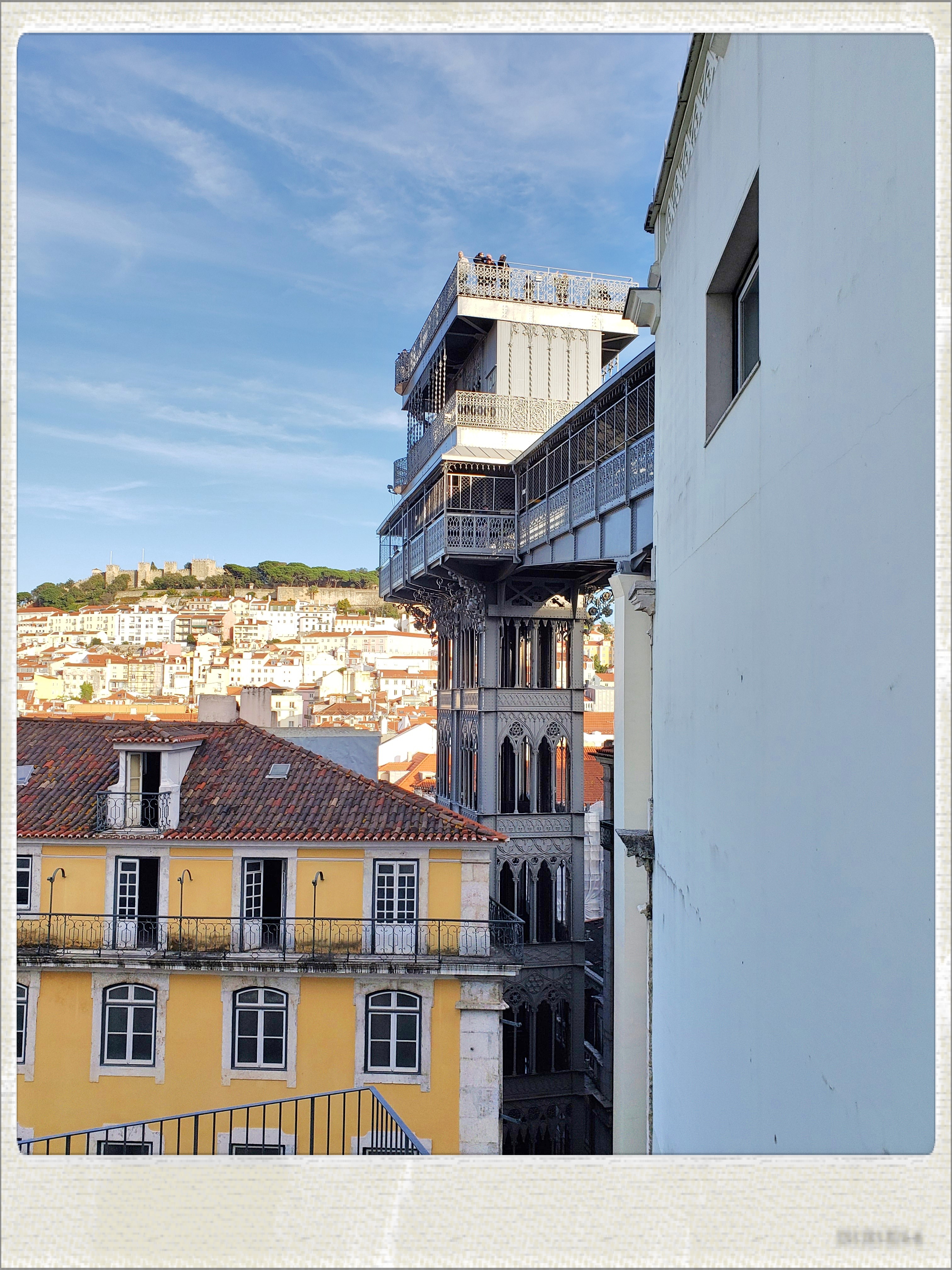
The gigantic metallic Santa Justa Lift was just too conspicuous to go unnoticed for anybody who passed by Chiado.
Opening in 1899, the stand-out behemoth connected the lower streets of Baixa with the higher Carmo Square. Instead of joining the long queues, I went up to the higher Carmo Square on foot.
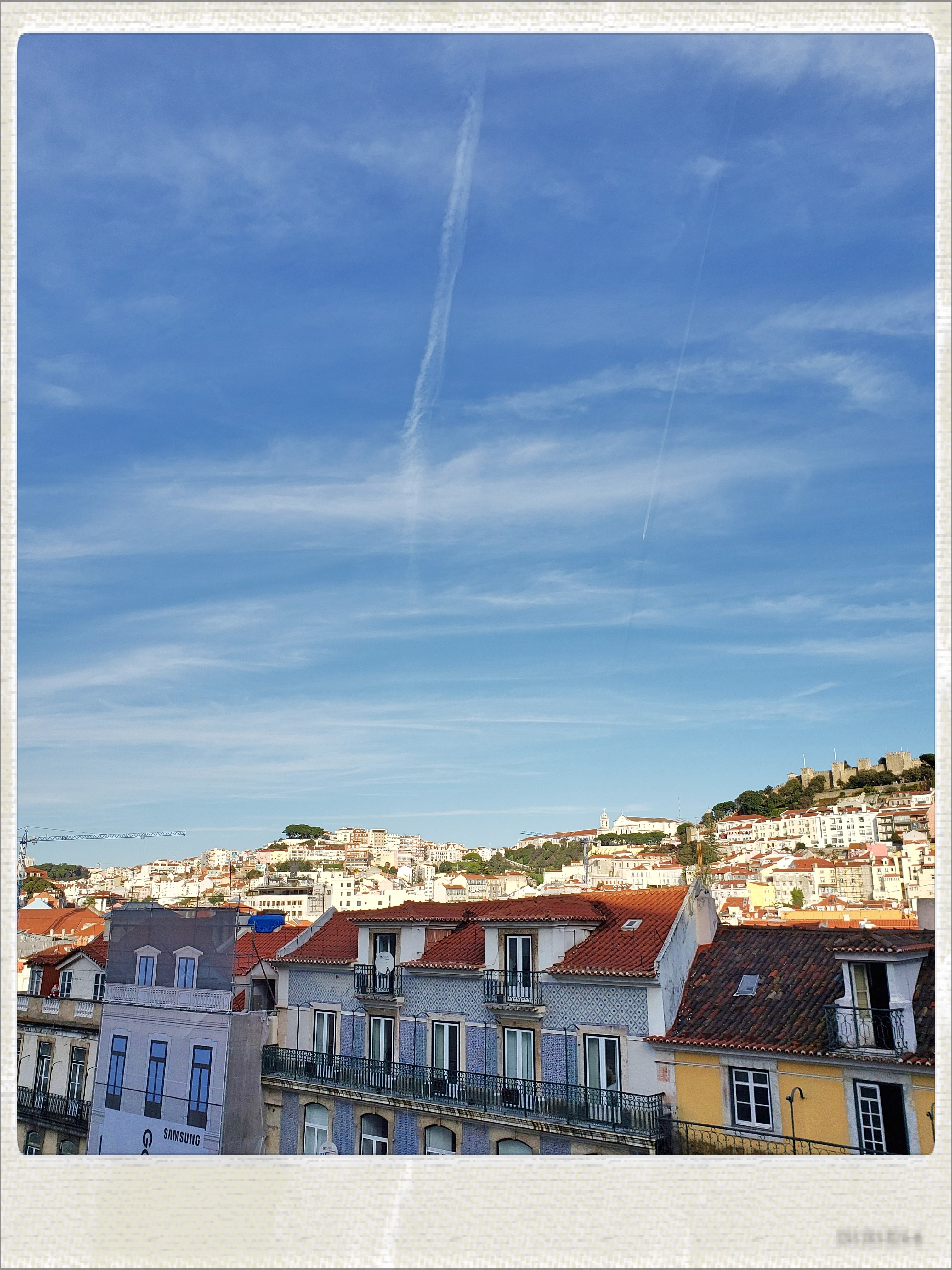
Rossio-Lisboa Railway Station
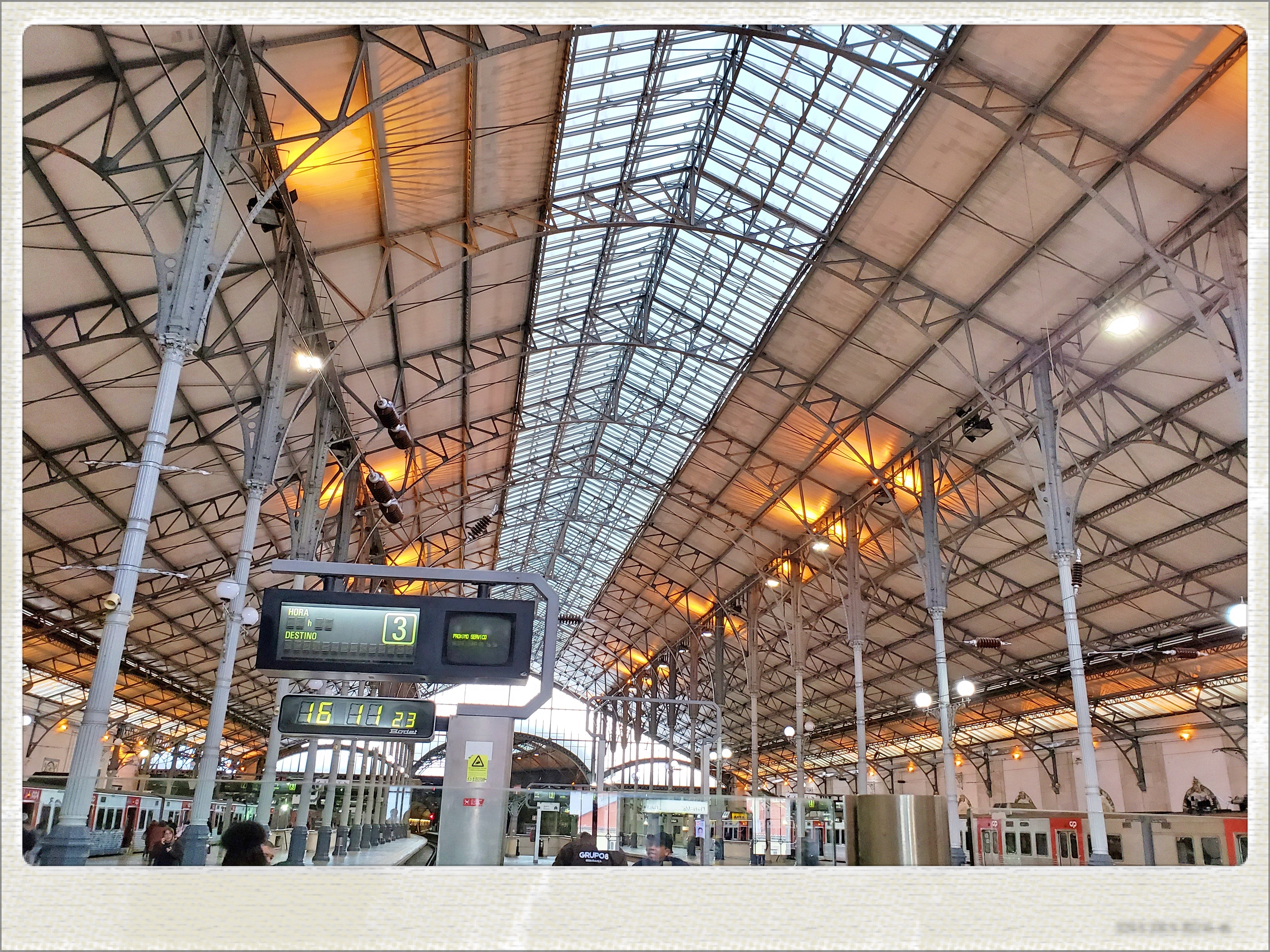
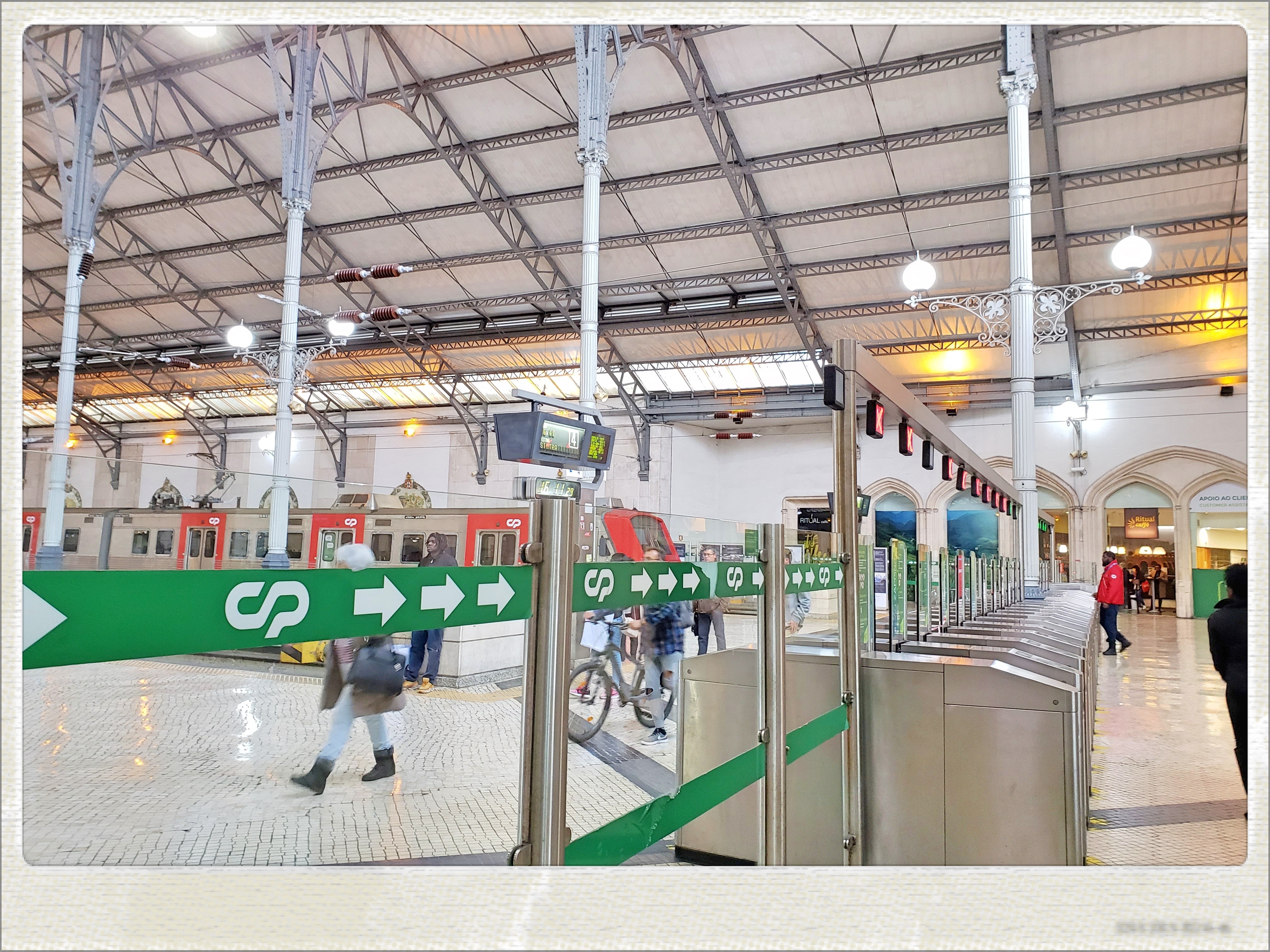
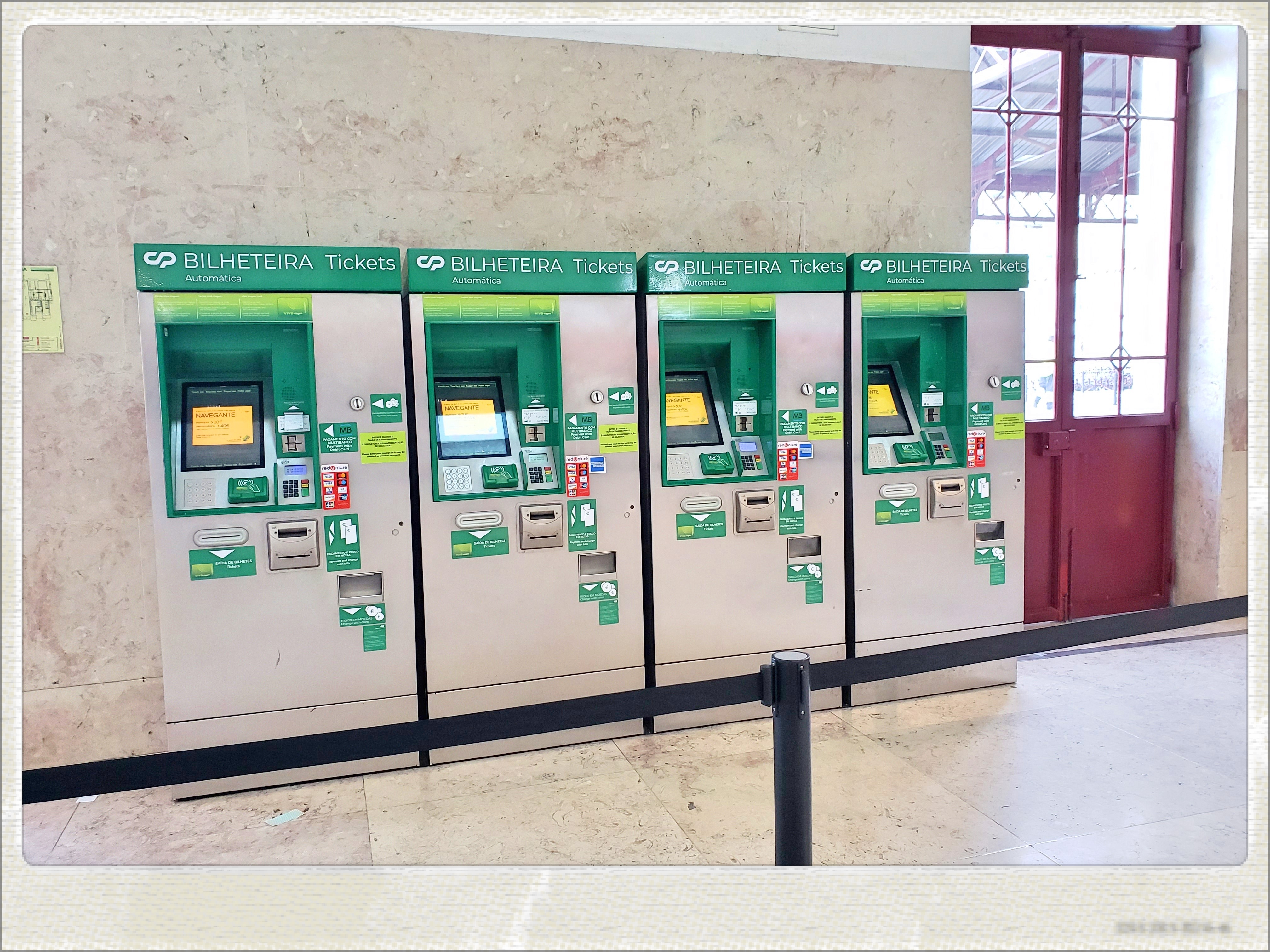
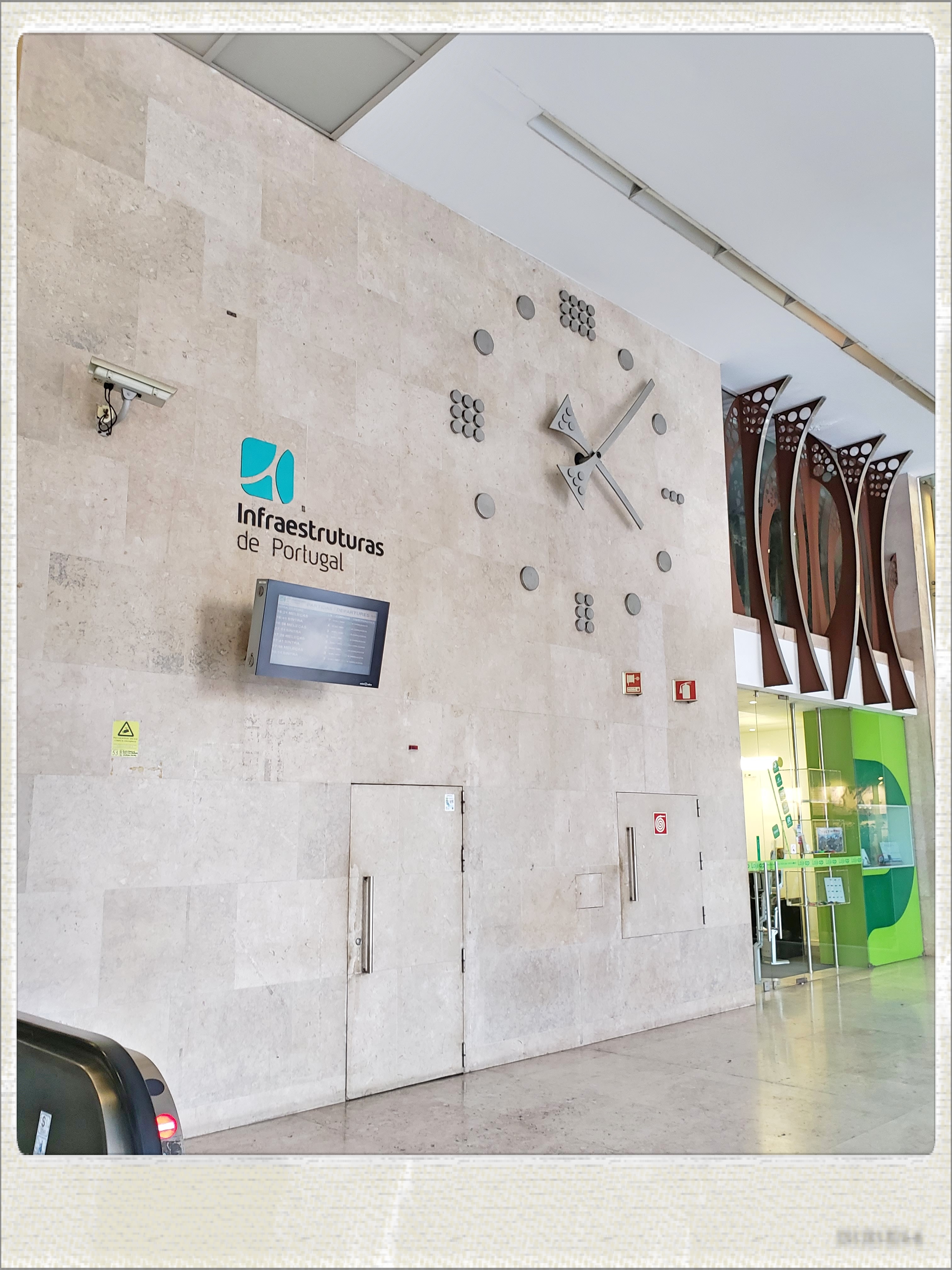
On my way back to the hotel, I went past the Rossio-Lisboa Railway Station.
 My Travel Journal TWO