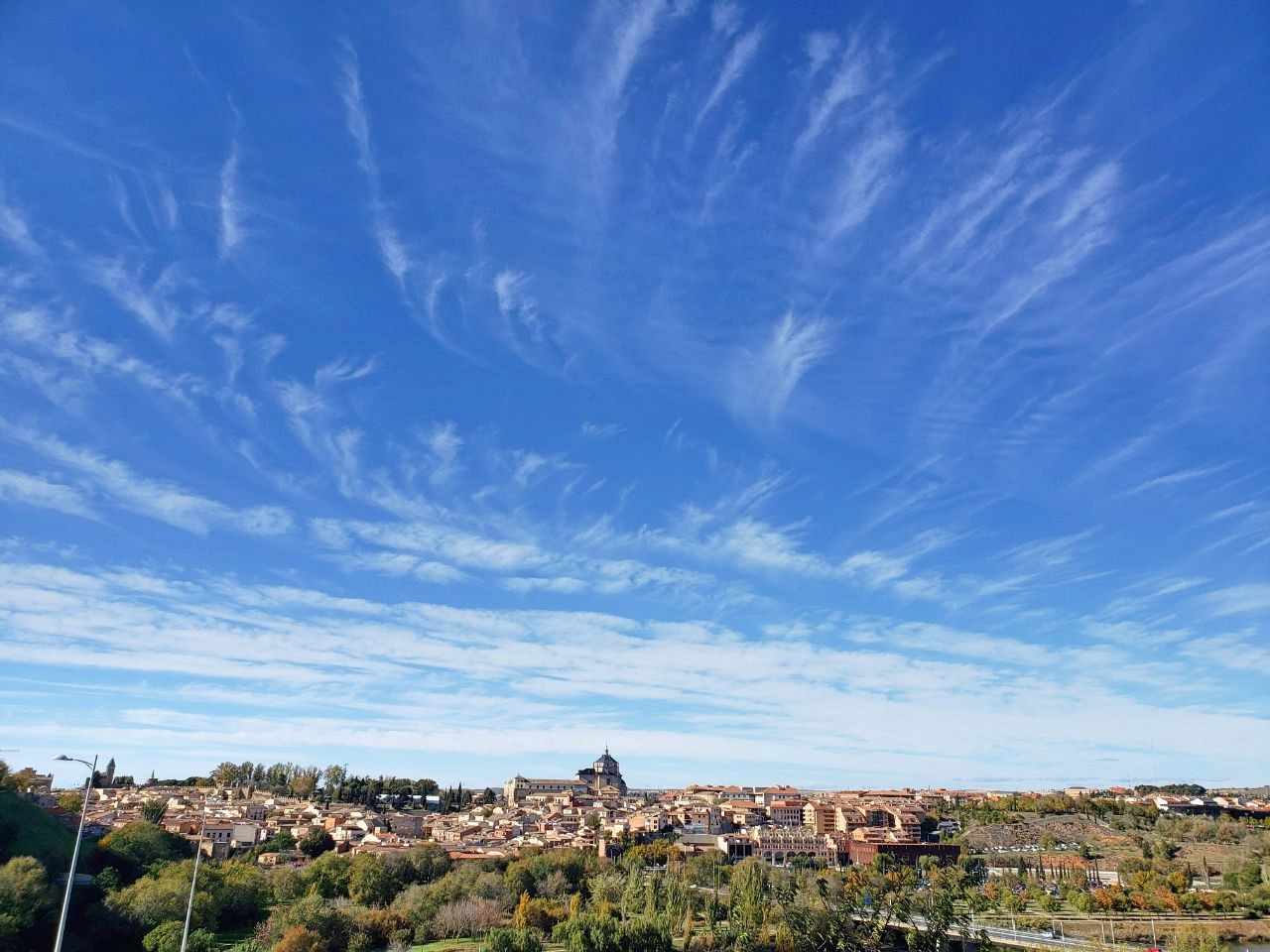
Calle de Jose Ortega y Gasset
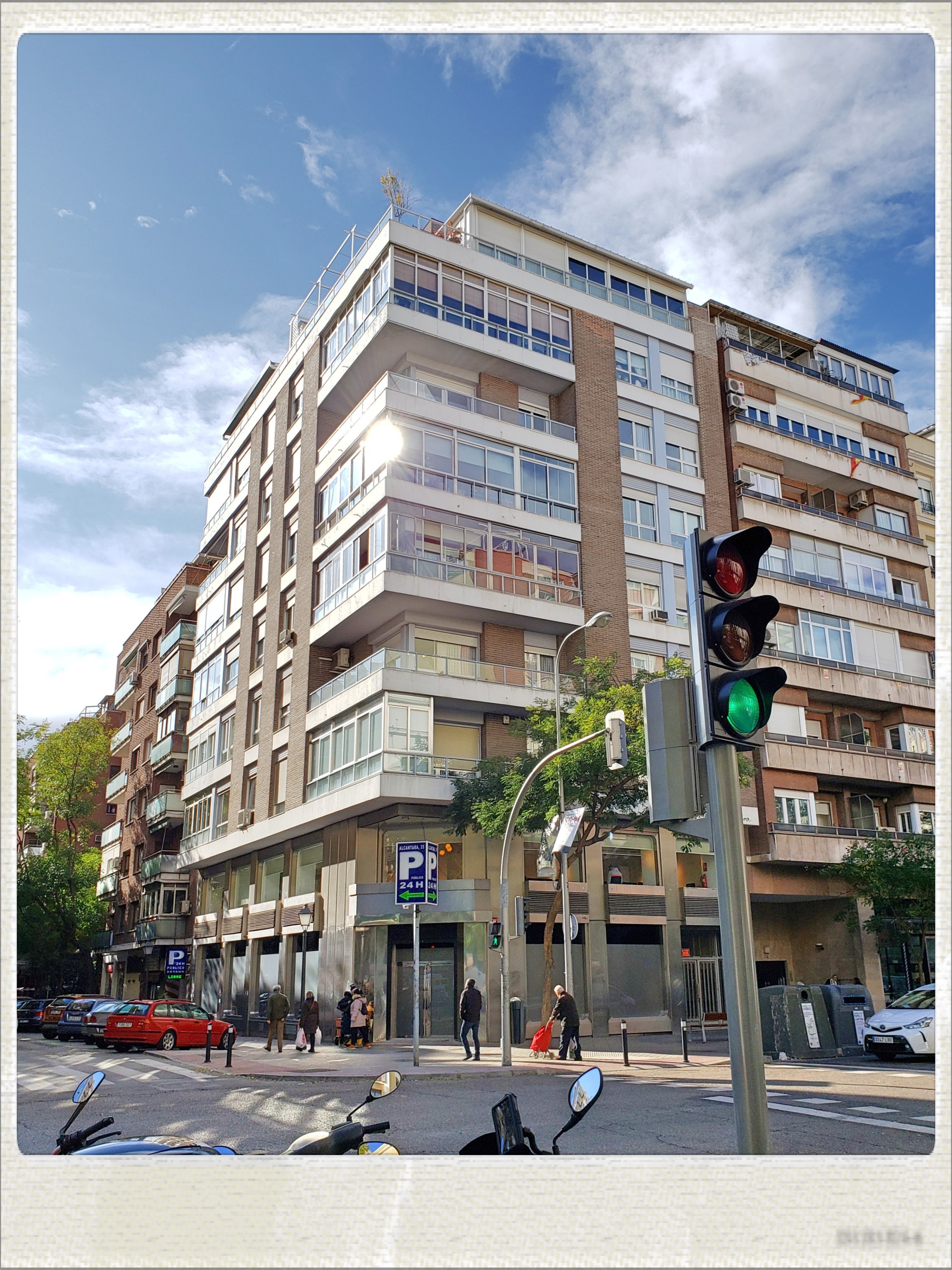
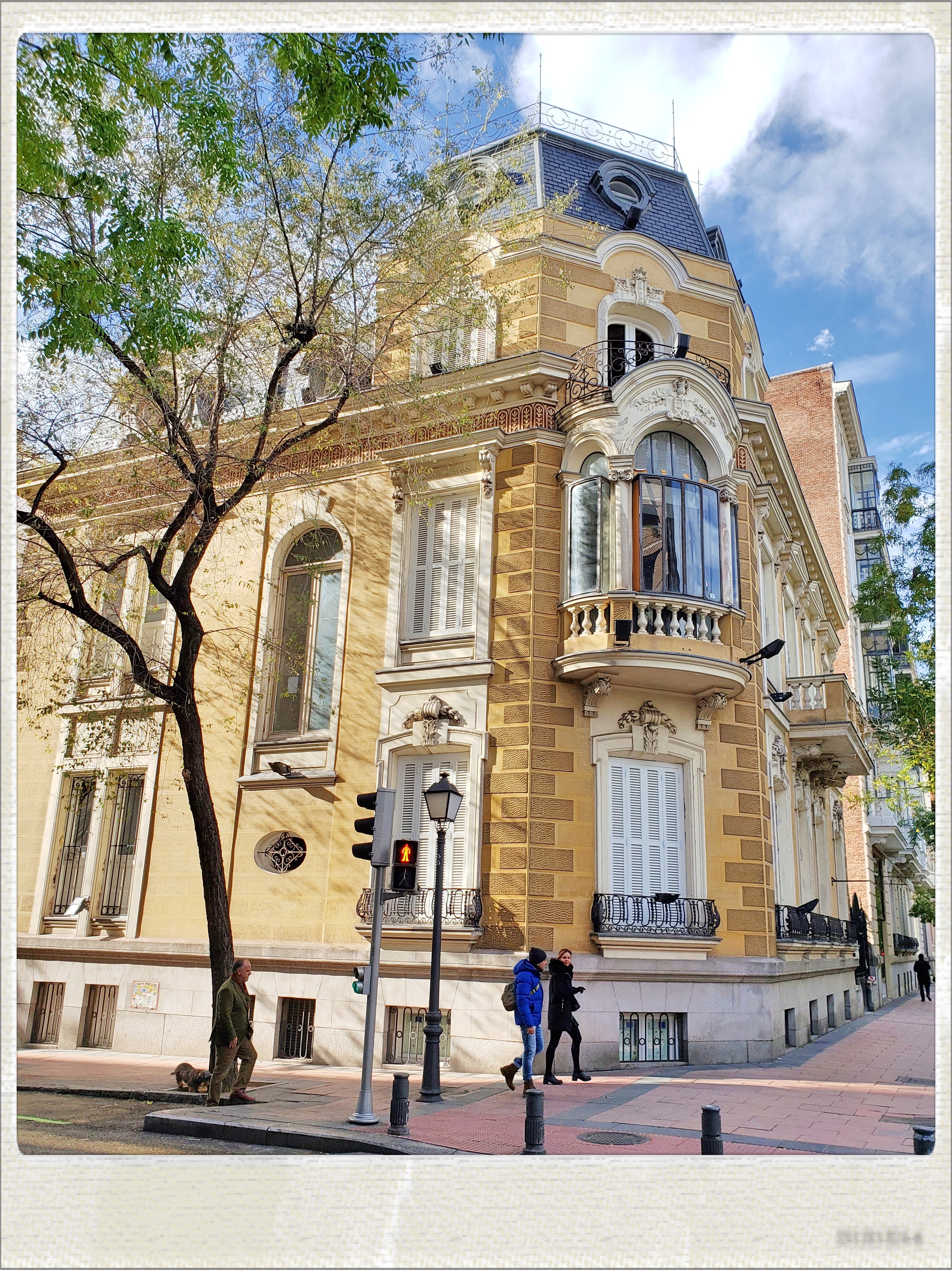
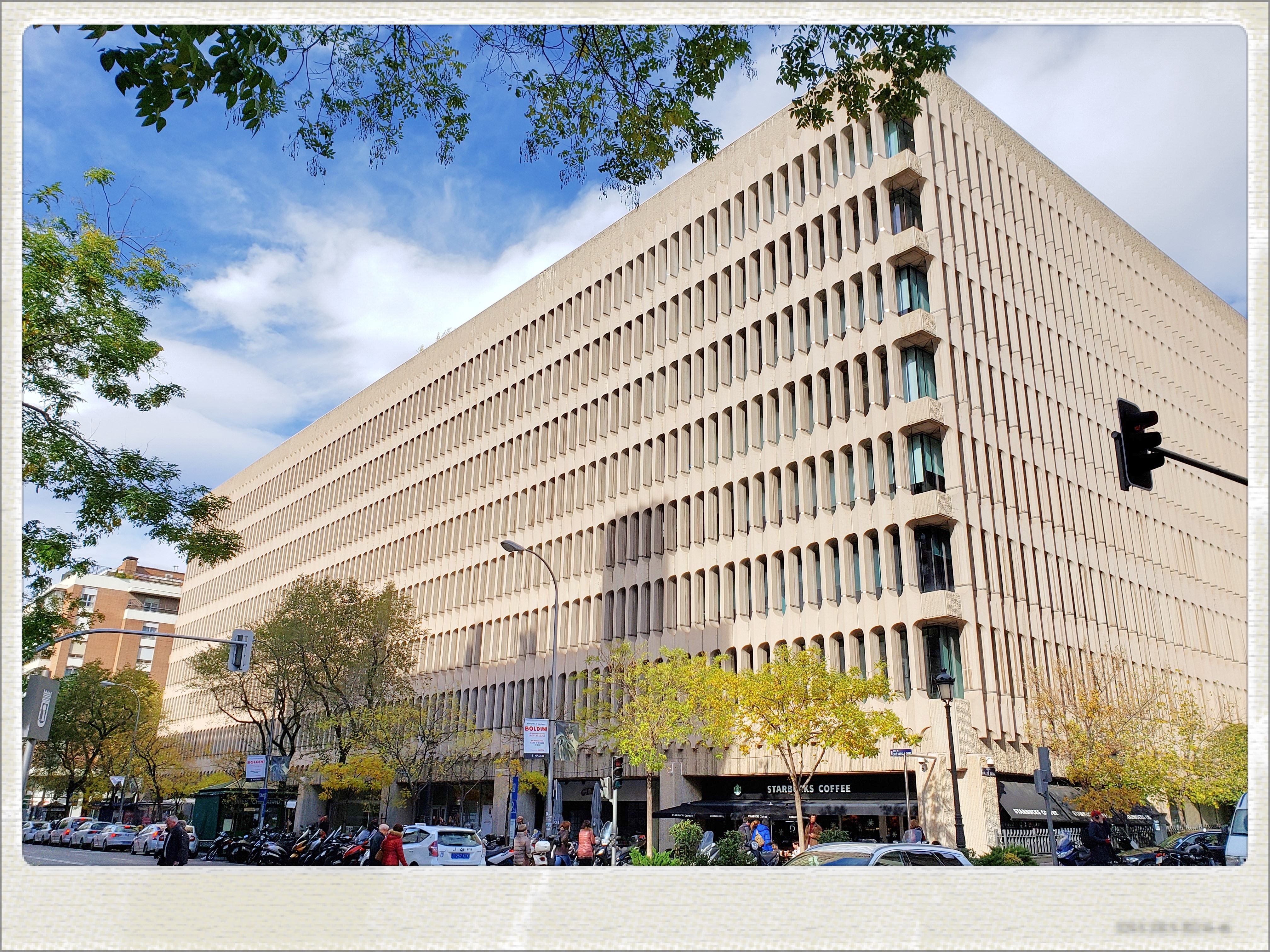
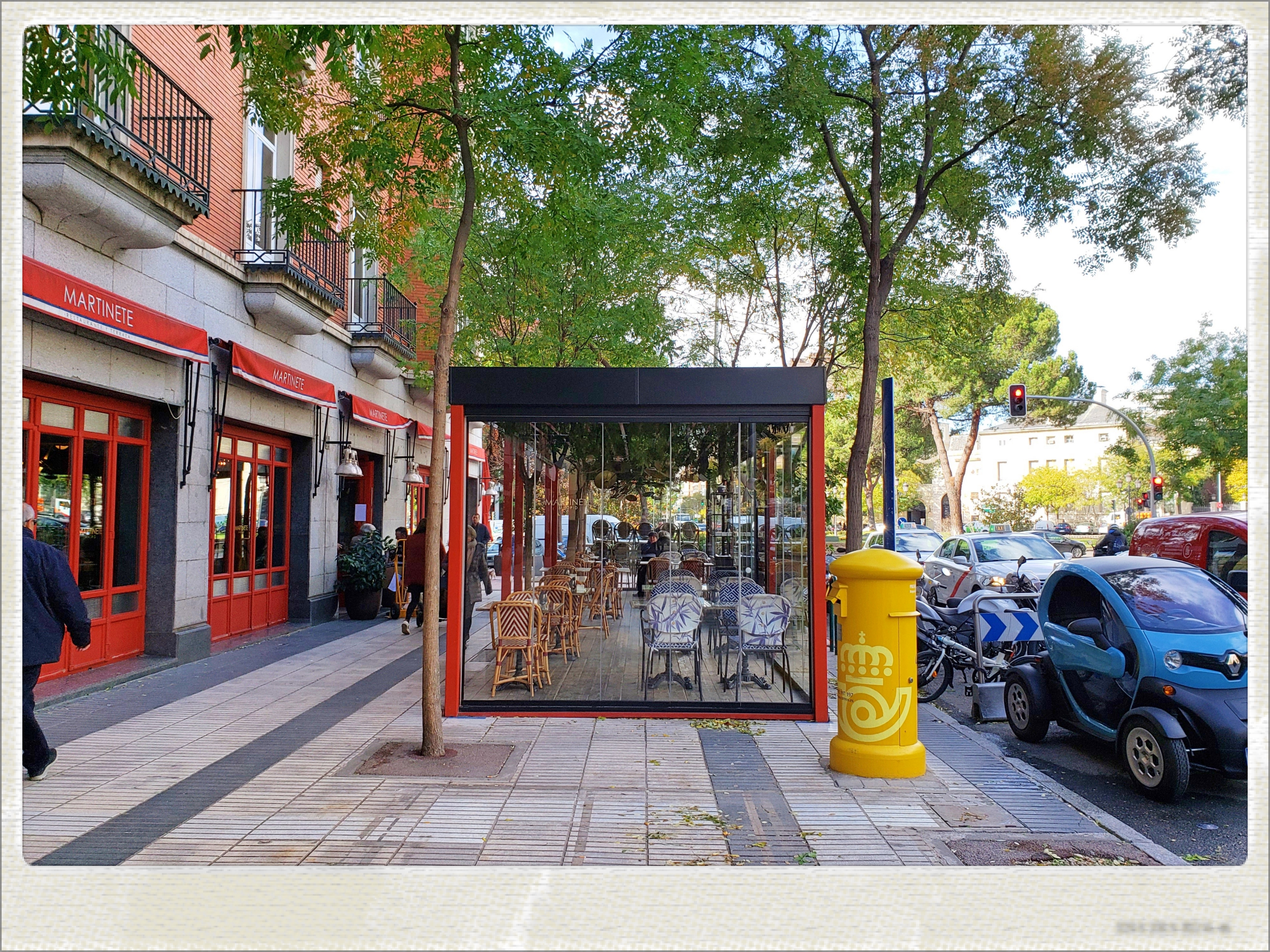
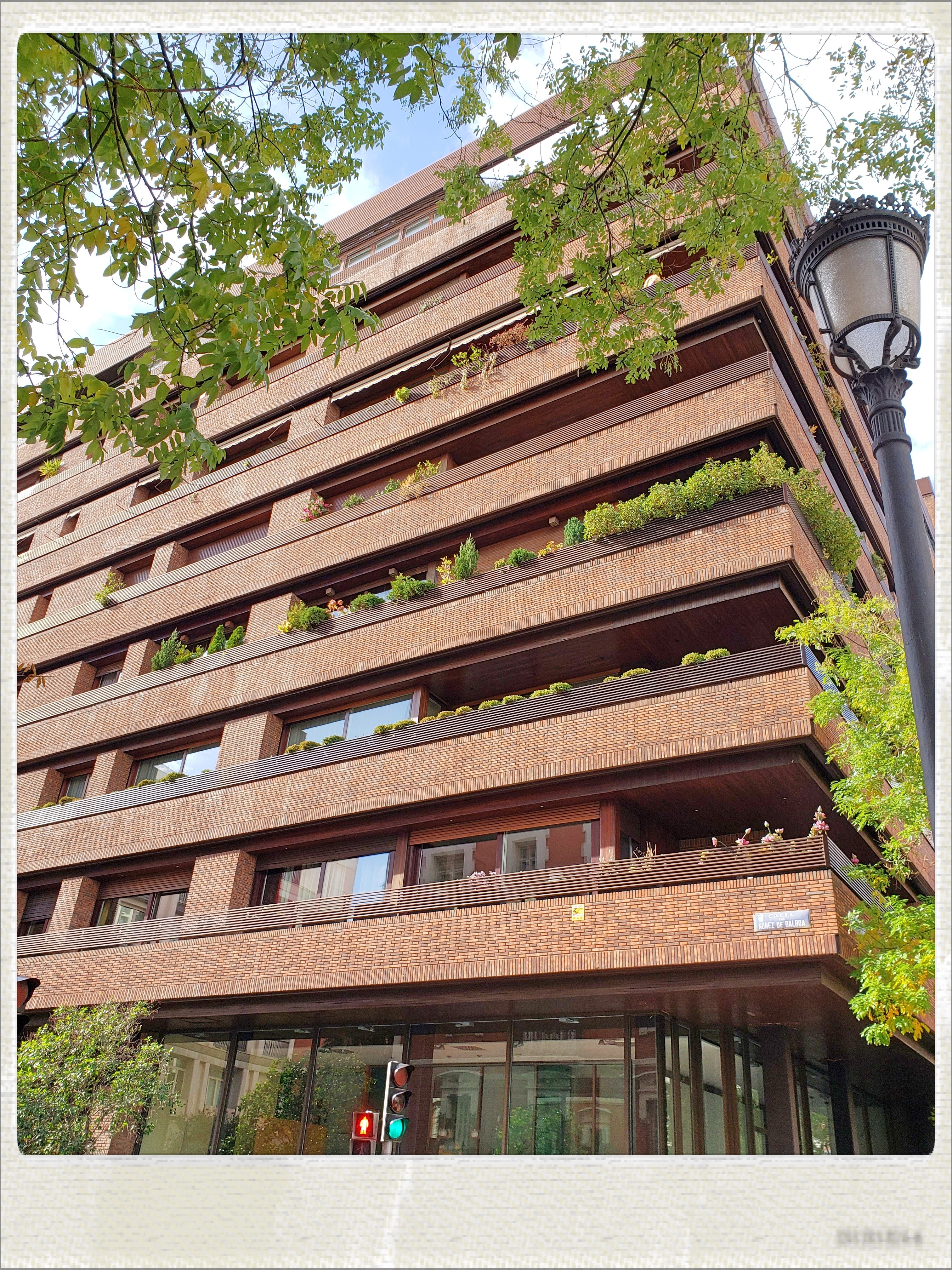
Though I wasn’t used to the cold weather yet, similar to the day before, I started my second day of exploration on foot as opposed to taking any form of transportation because in Madrid beautiful buildings abounded, from gracefully embellished classical houses, modern residential buildings with huge balcony to the highly controversial Brutalist commercial buildings.
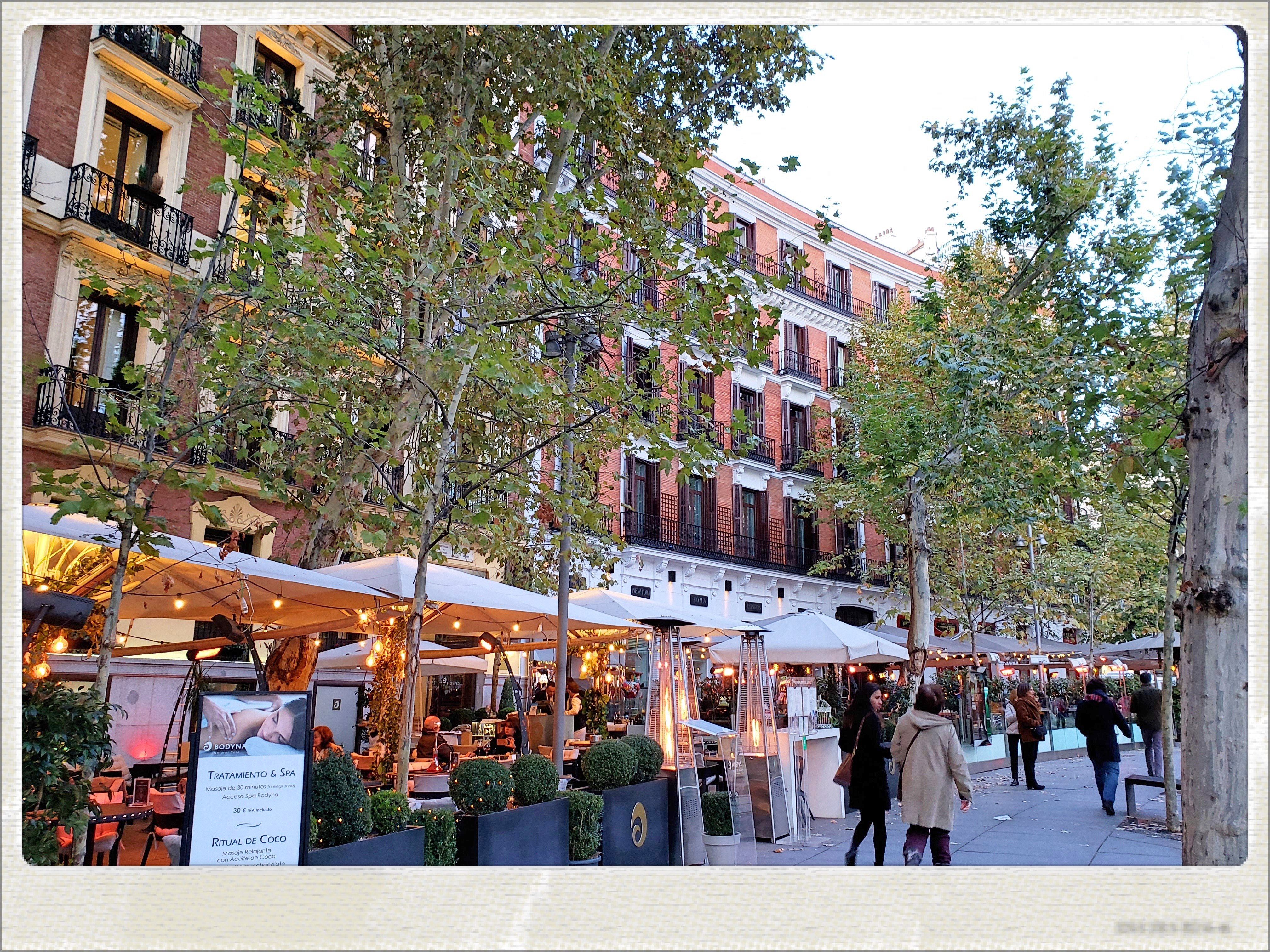
Despite the cold and windy weather, the local people still enjoyed dining in the semi-alfresco restaurants.
Plaza de Colon
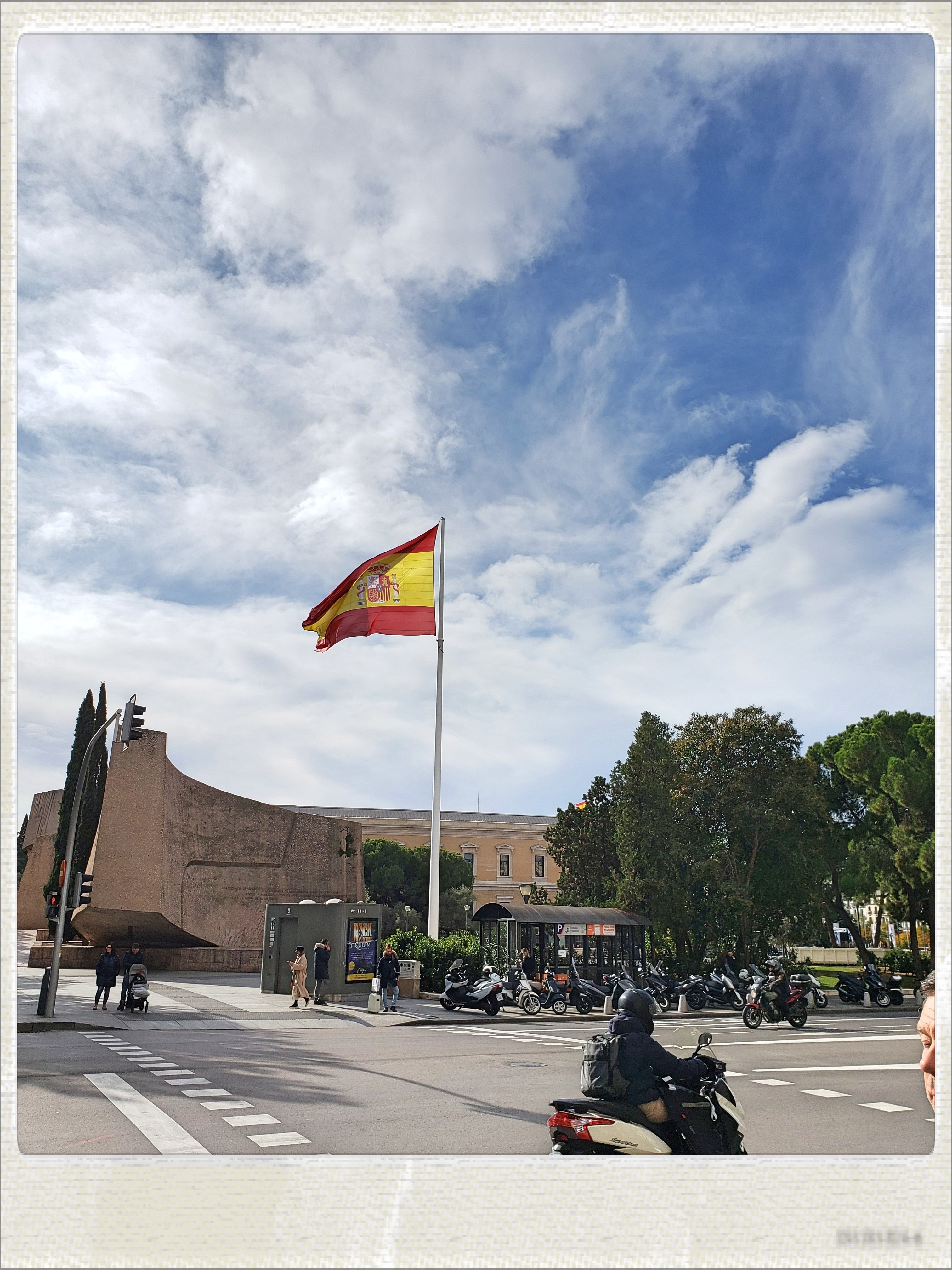
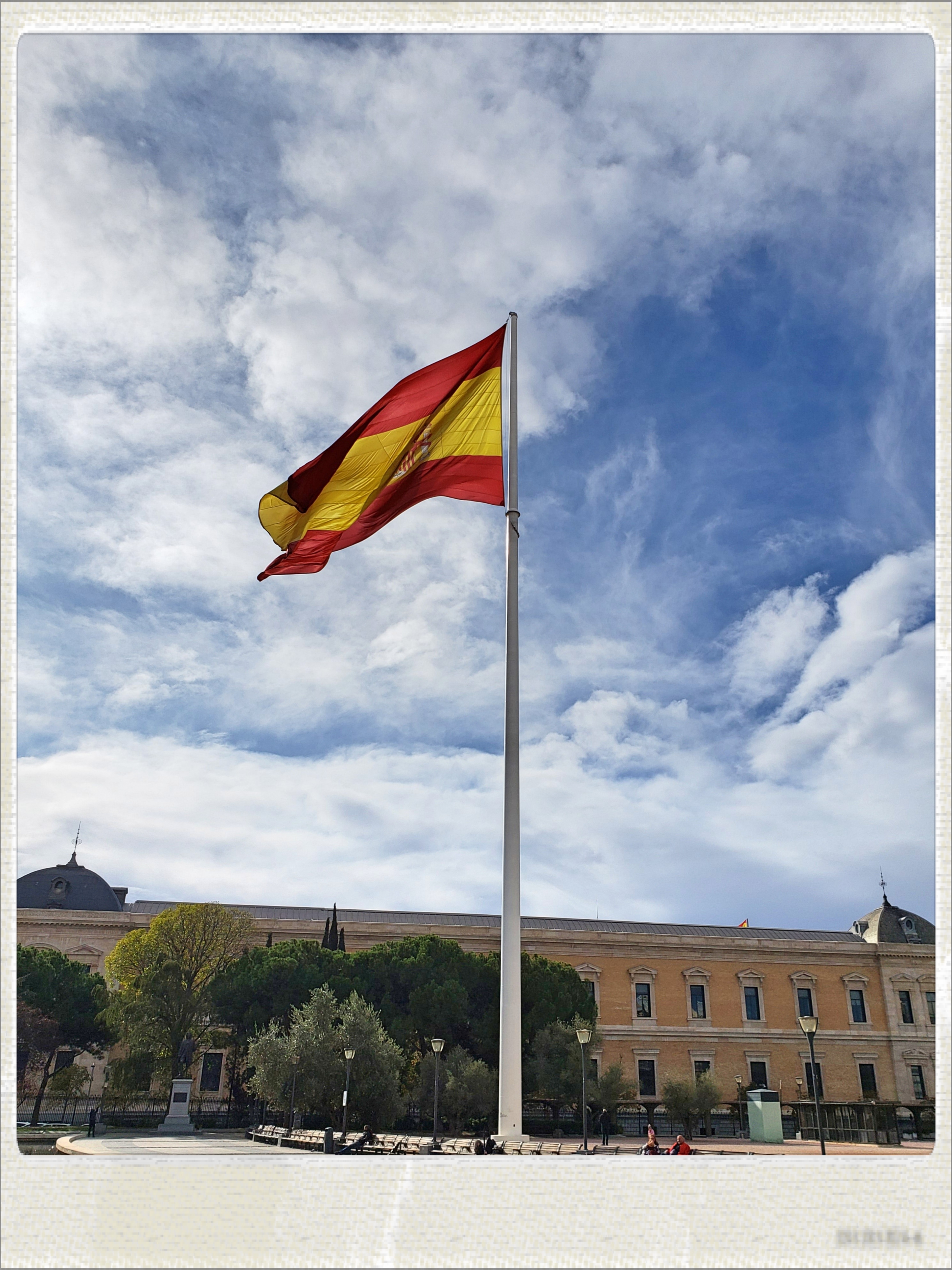
Looking at one of the largest flags that I’d ever seen flying in Plaza de Colon, the expansive national flag of Spain made me realize that I was by no means a patriotic but an utter narcissist.
I love myself so much more than the communities that I belong to.
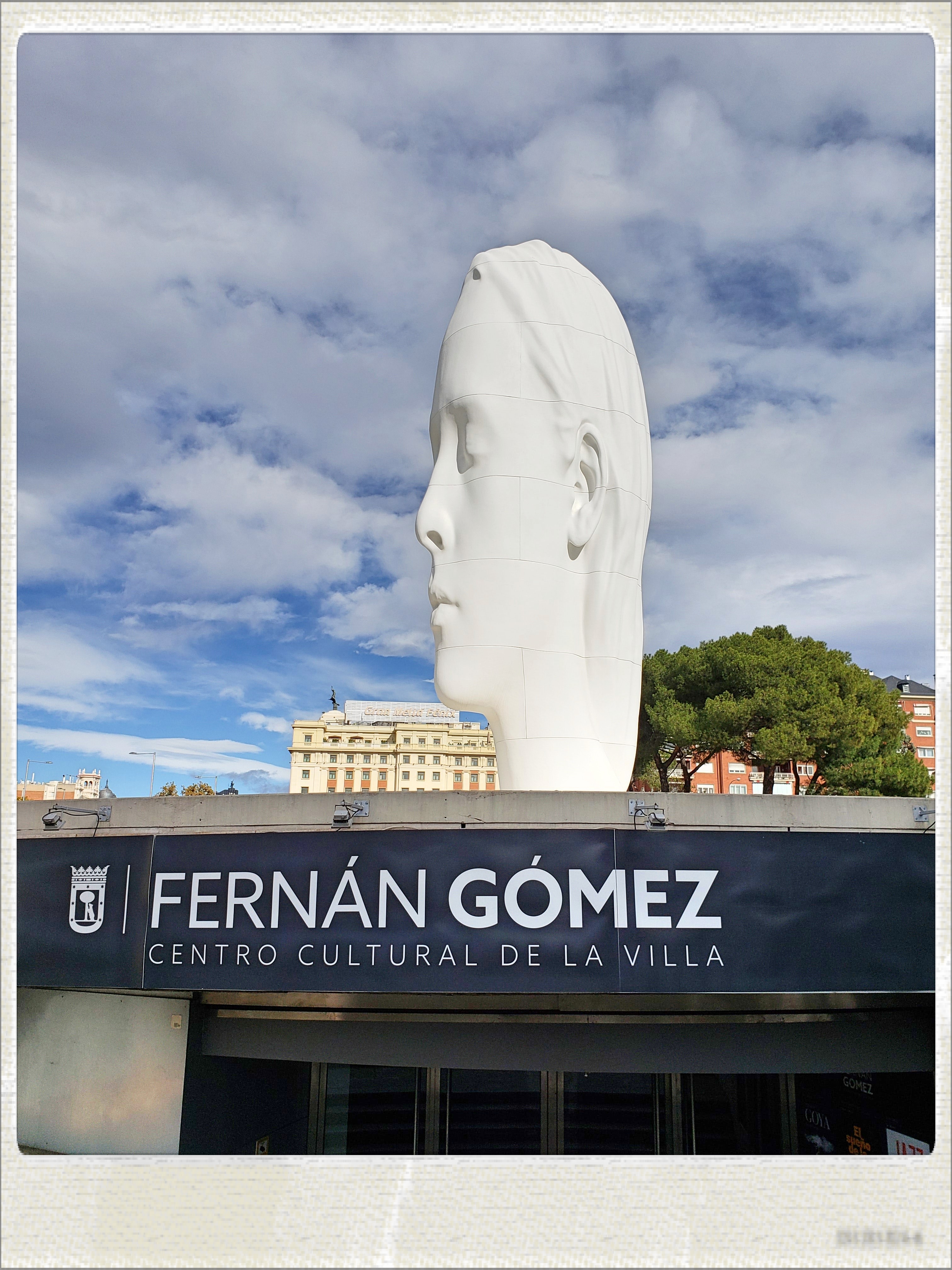
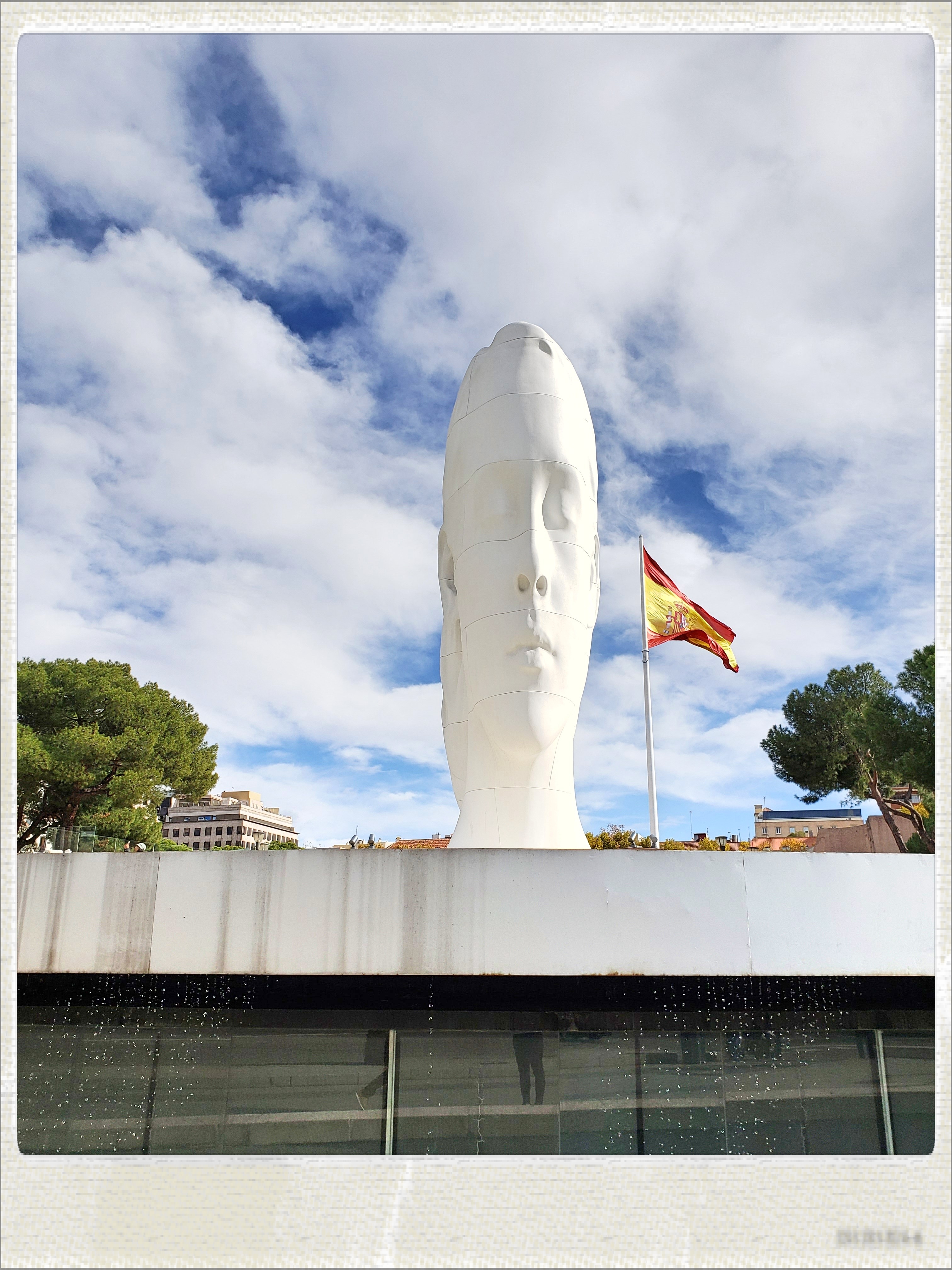
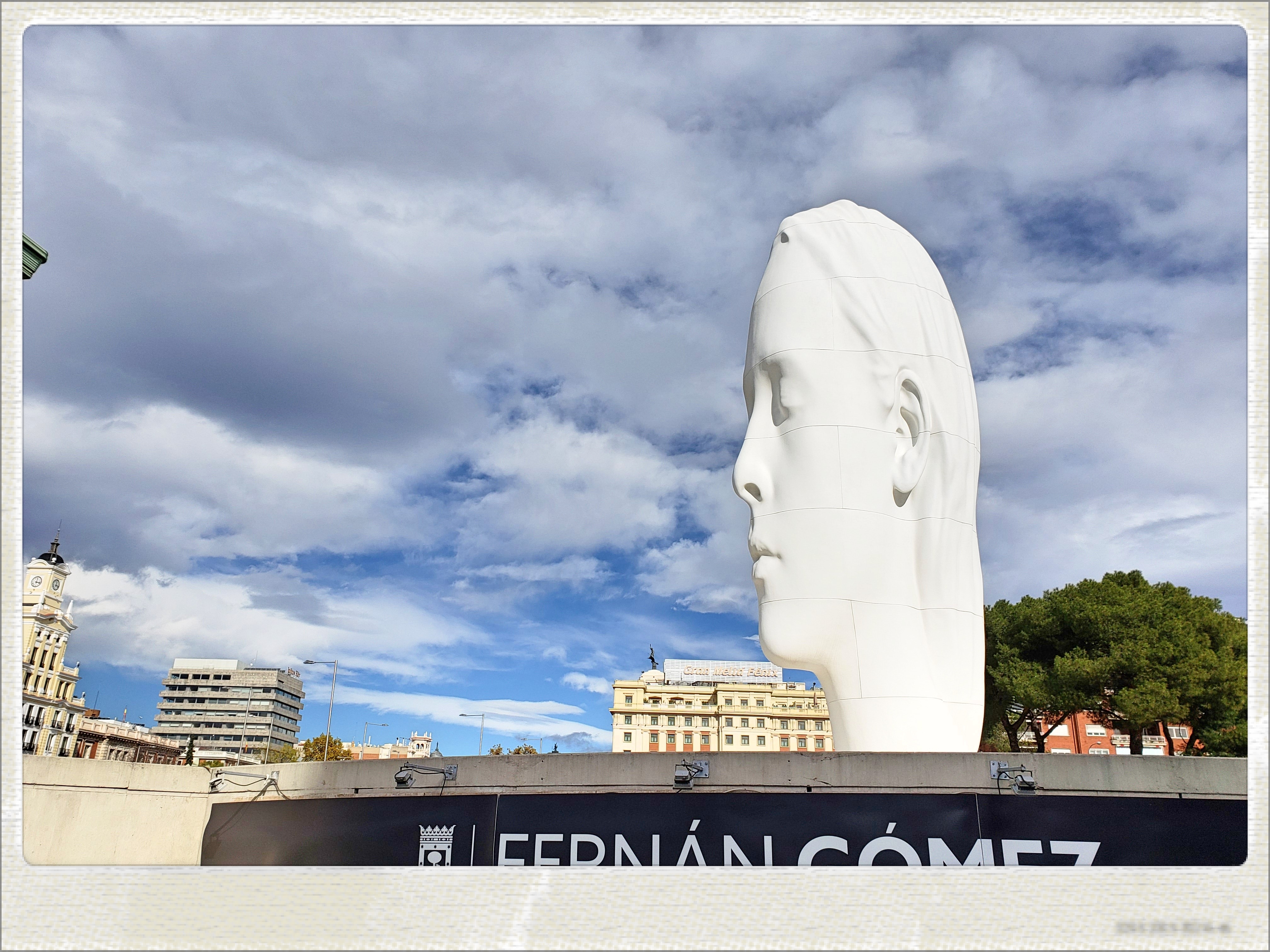
Fernán Gómez Cultural Centre of Villa (Fernán Gómez Centro Cultural de la Villa)
I have to say that I wouldn’t have noticed the existence of the Cultural Centre if it had not been ‘Julia’, the eye-catching white marble sculpture created by artist Jaume Plensa.
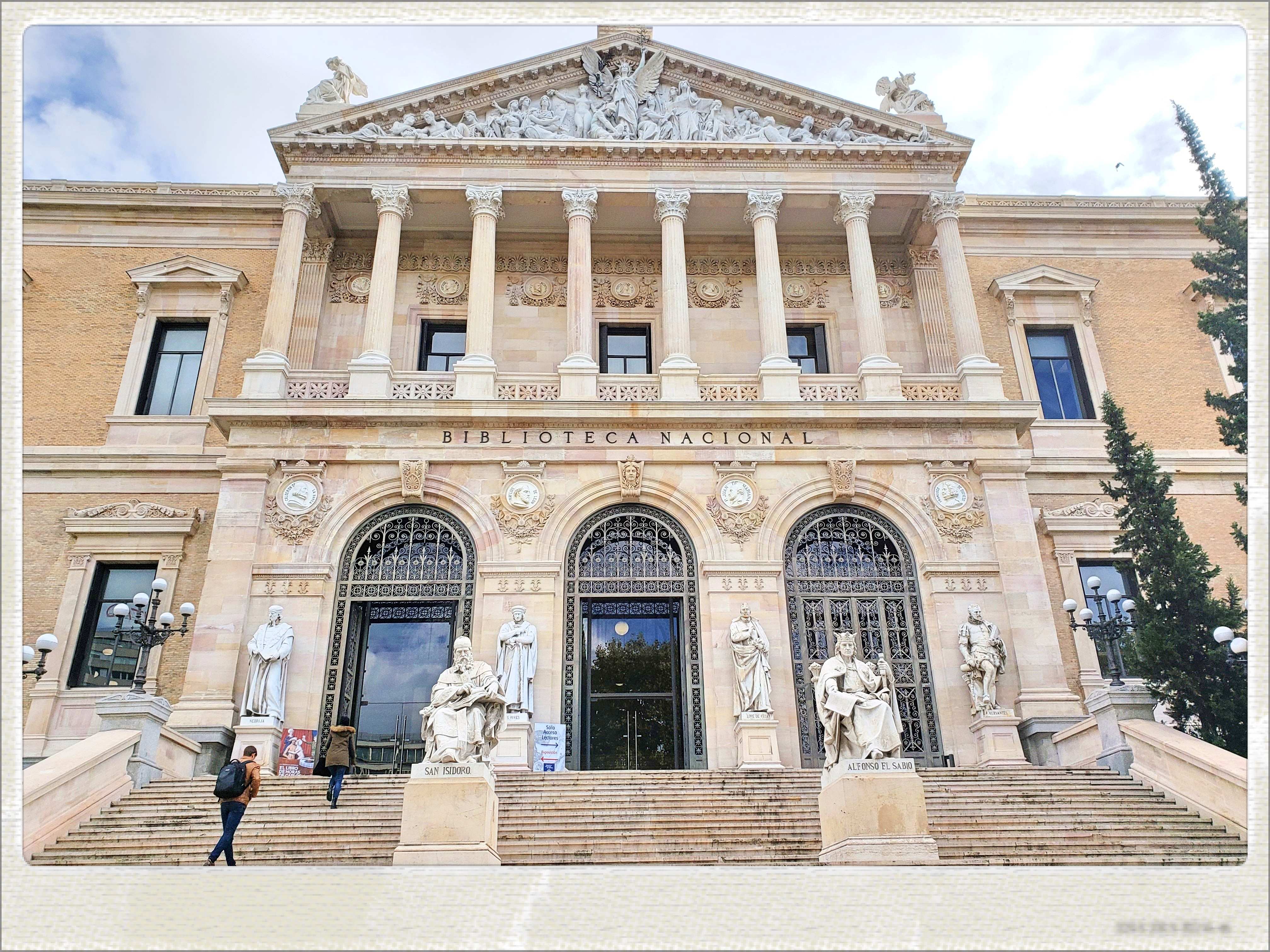
National Library of Spain
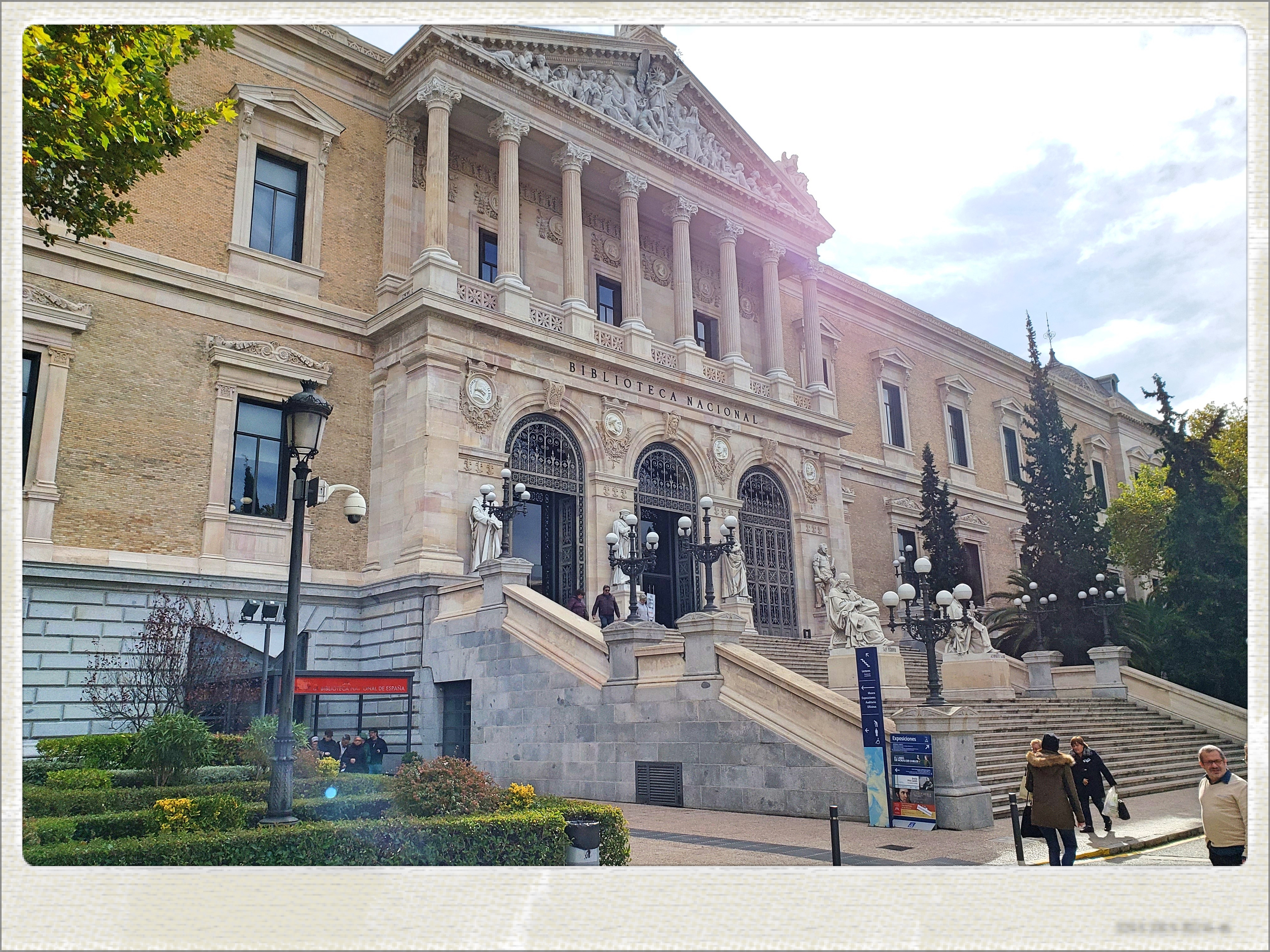
To the south of ‘Julia’ stood the graceful edifice of the National Library of Spain.
Plaza de Cibeles
Madrid, featuring a myriad of public squares, including the buzzing and bustling Plaza de Cibeles, was literally my heaven as an aficionado of public squares.
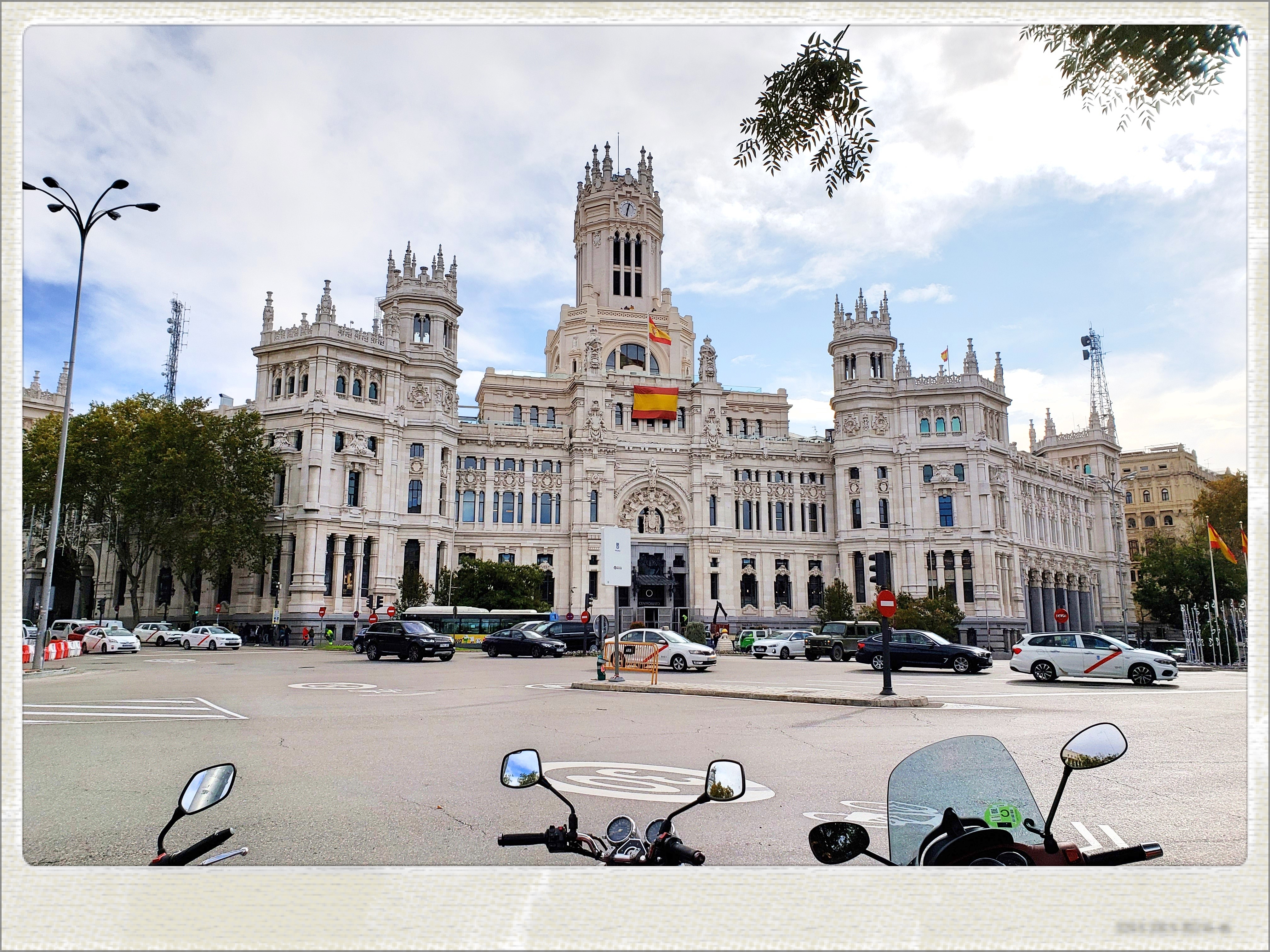
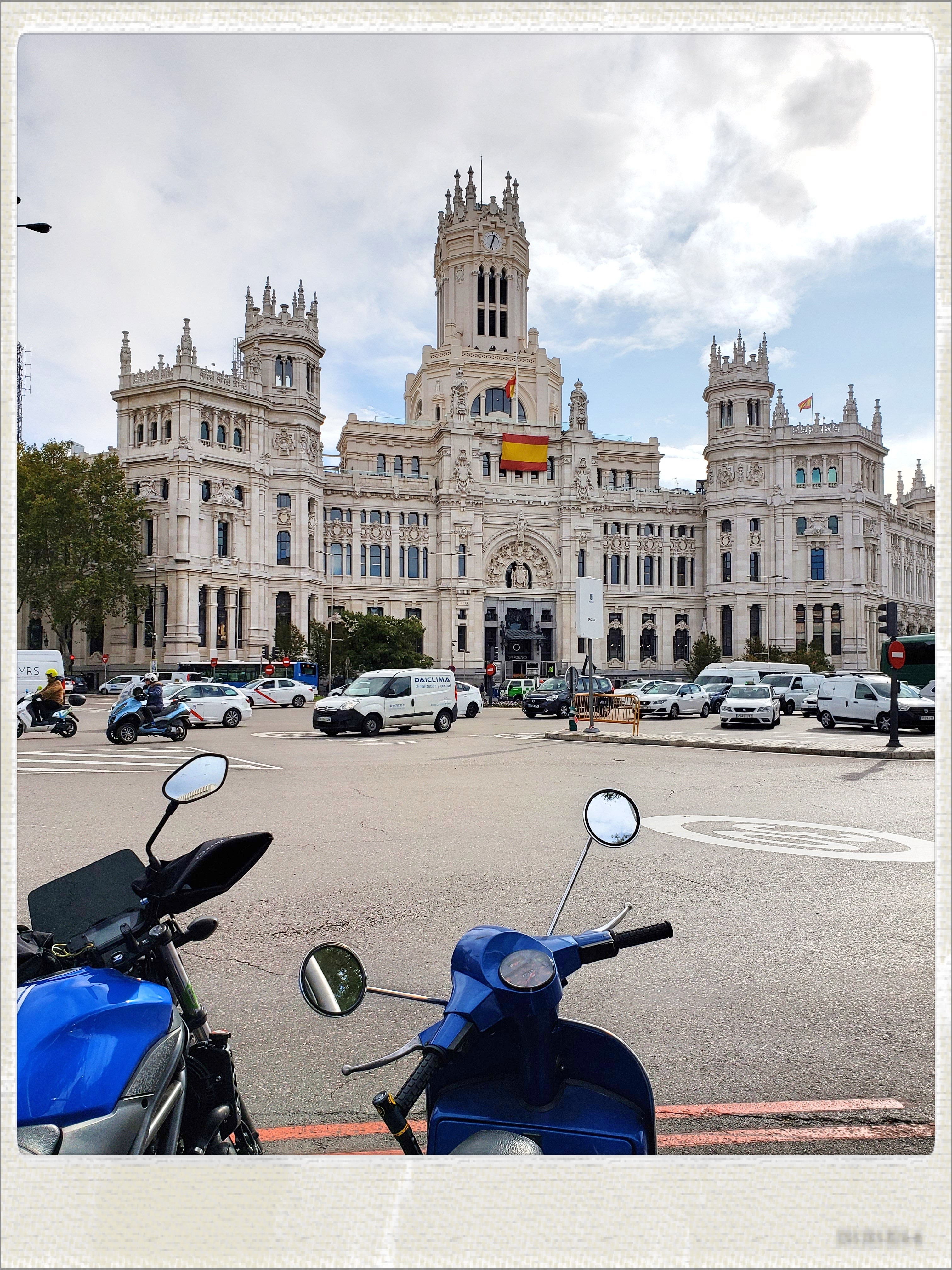
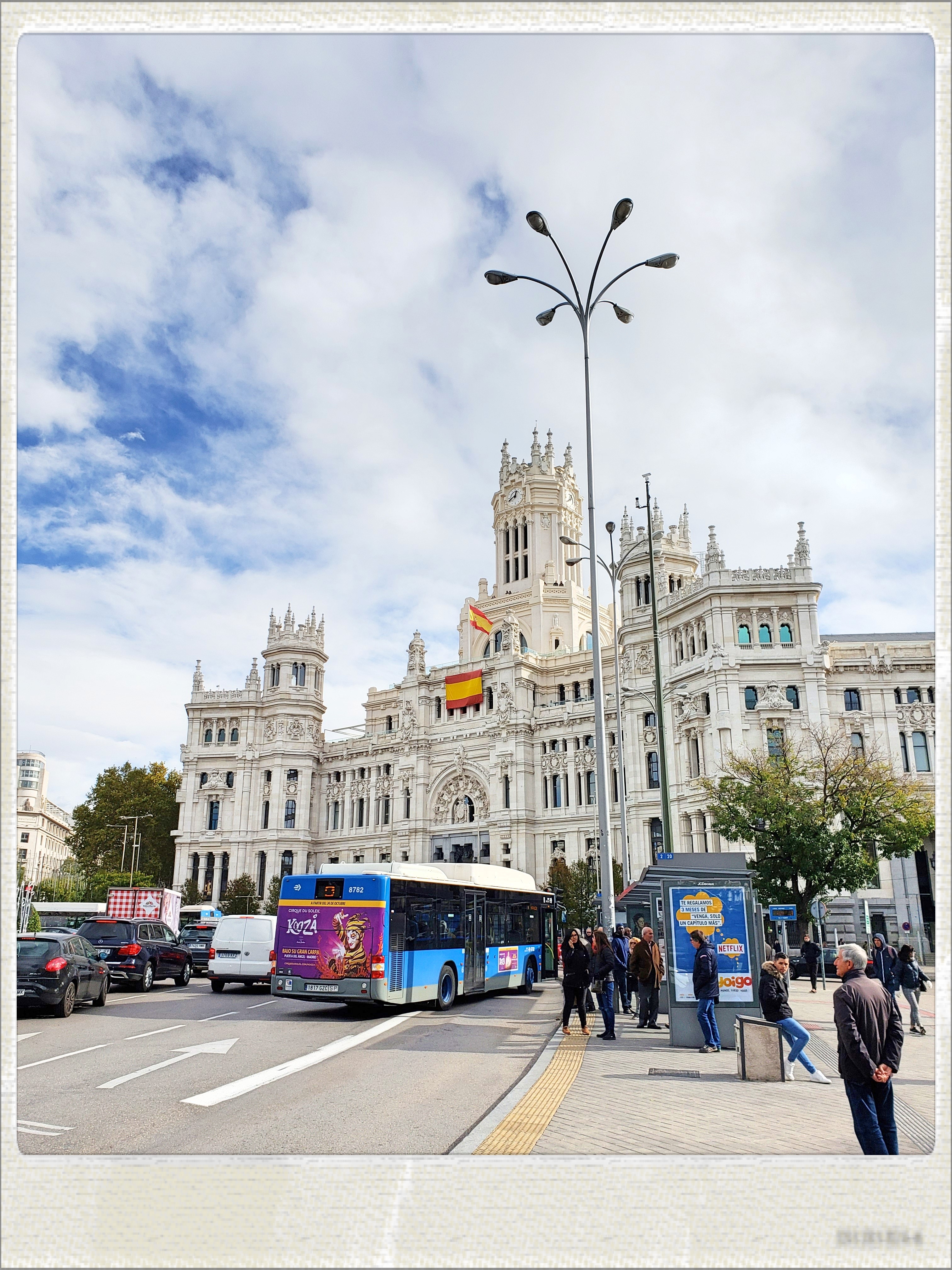
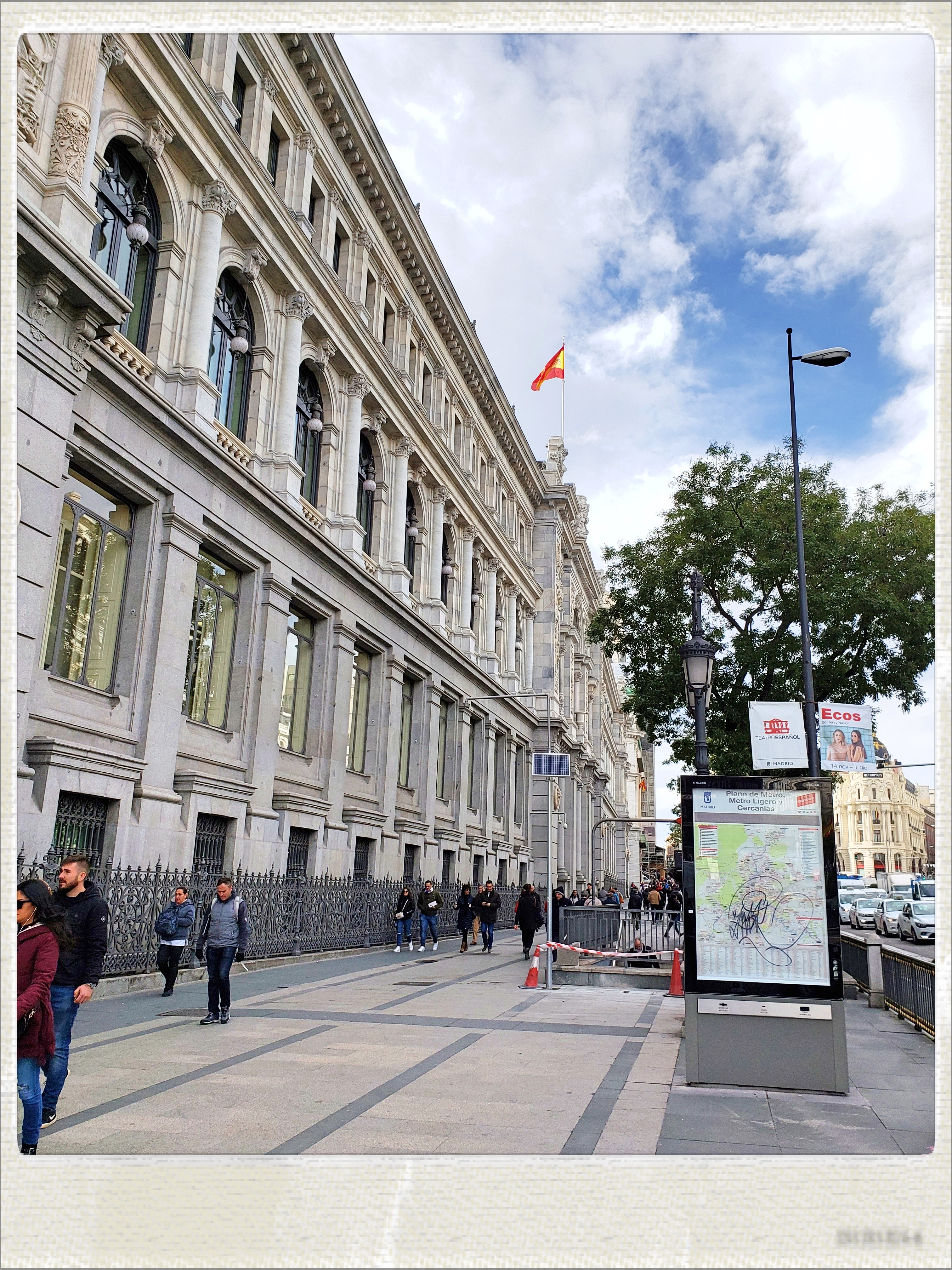
As one of the most iconic plazas in Madrid, Plaza de Cibeles was delimited by a number of prominent buildings including the Plaza de Cybeles Palace which drew most of my attention.
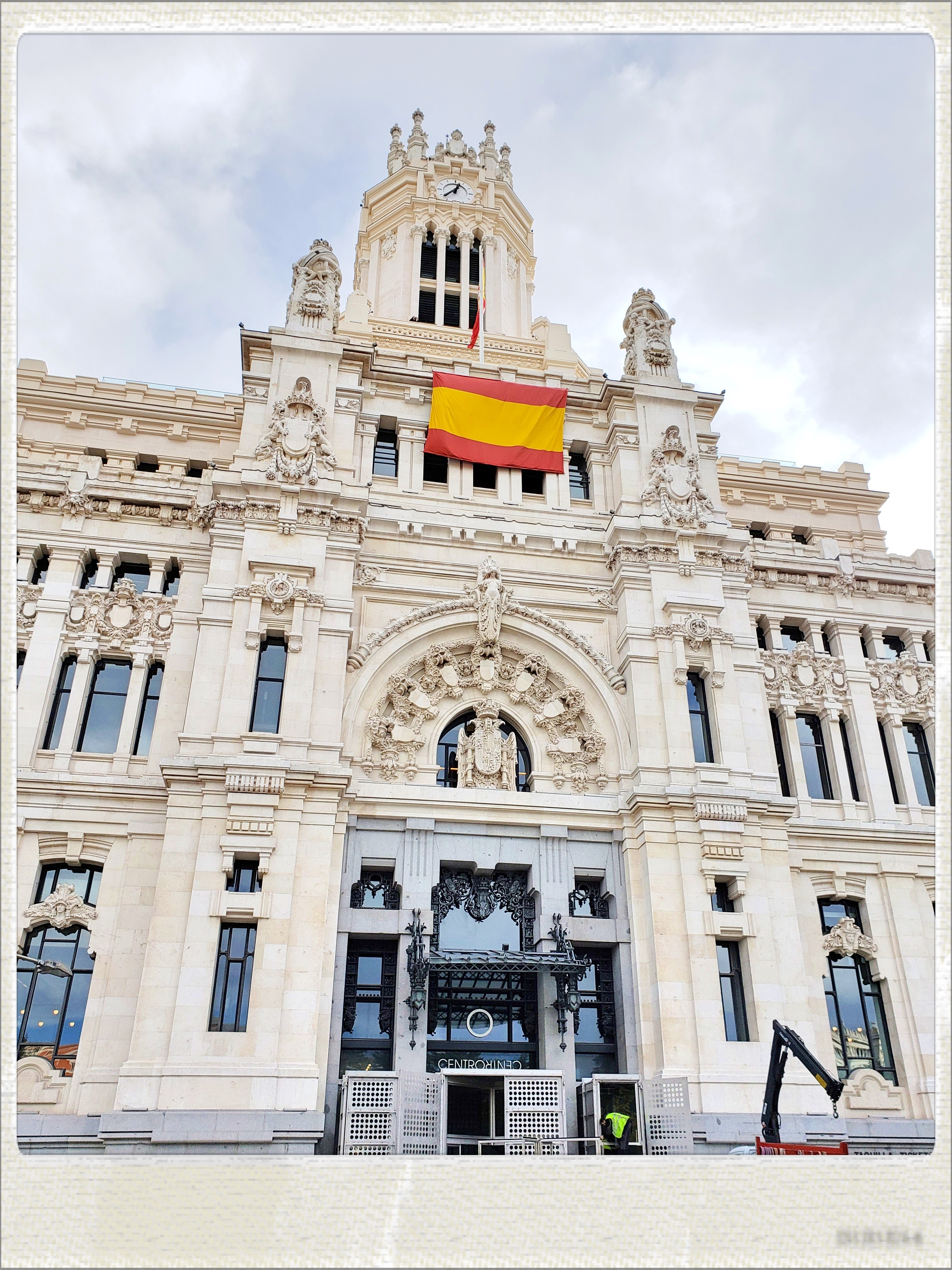
Cybeles Palace is a complex composed of two buildings with my beloved white facade. Formerly the city’s main post office and telegraph and telephone headquarters, it is now occupied by Madrid’s City Council, serving as the city hall, and the public cultural centre CentroCentro.
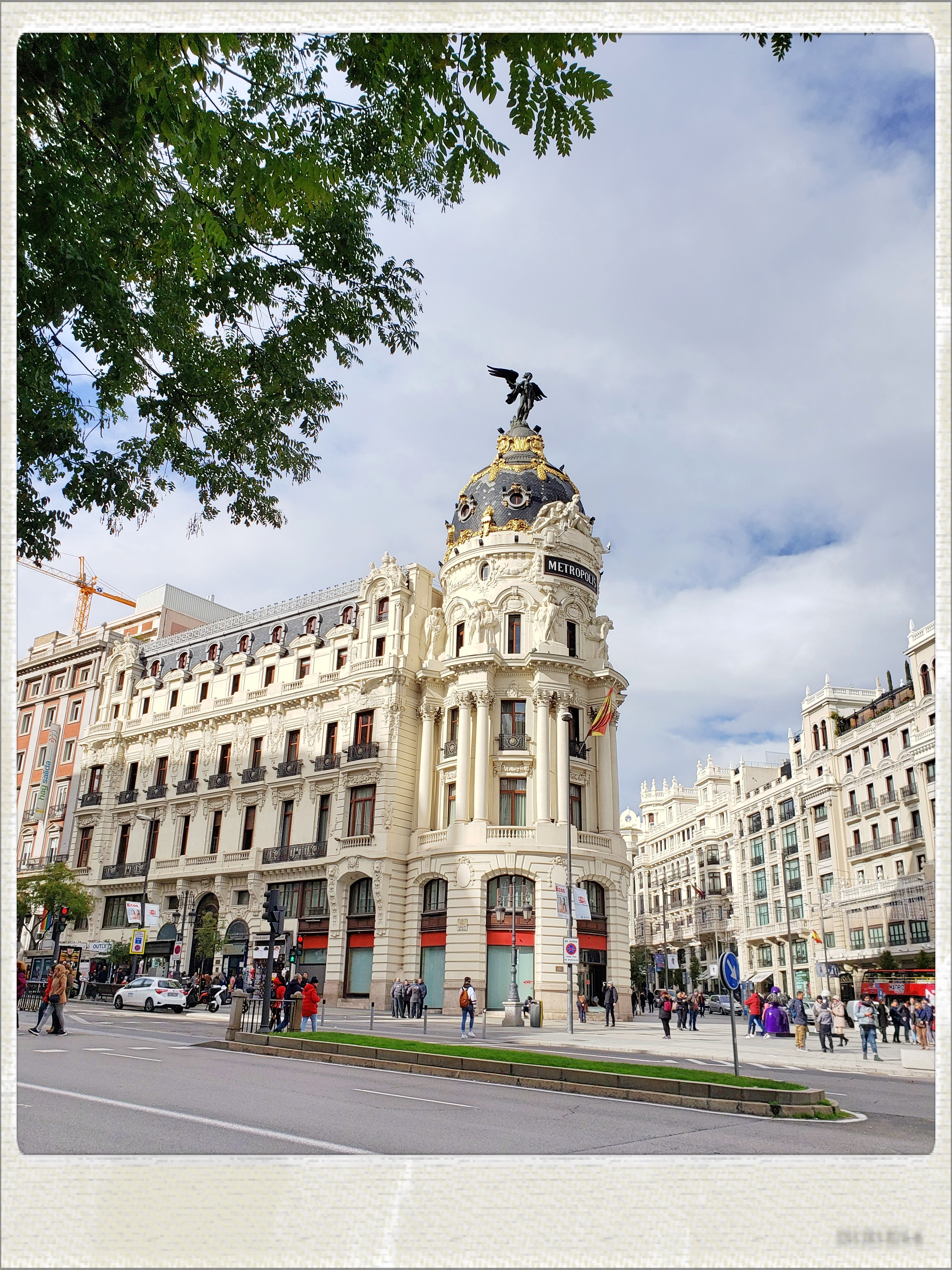
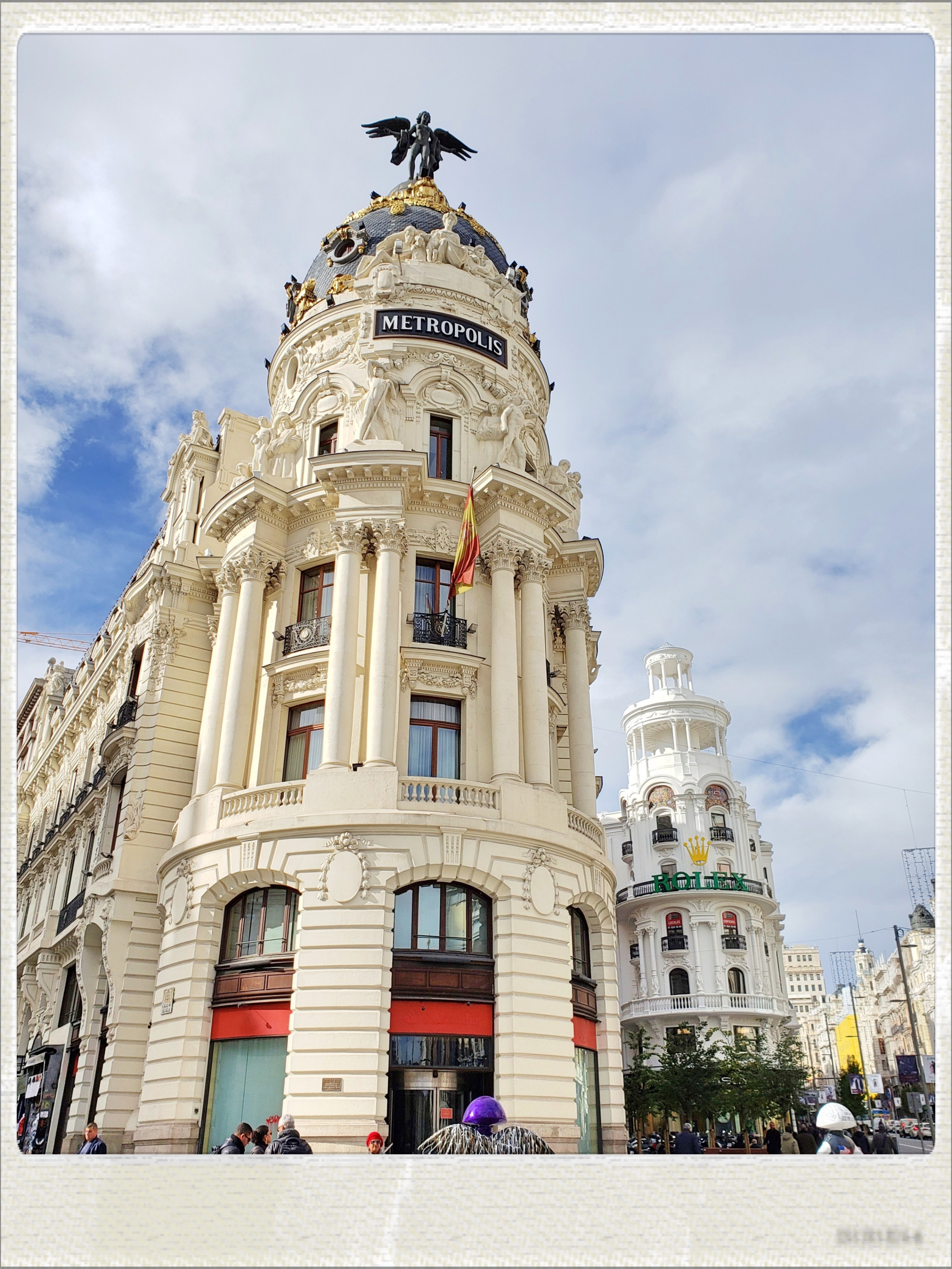
Metropolis Building
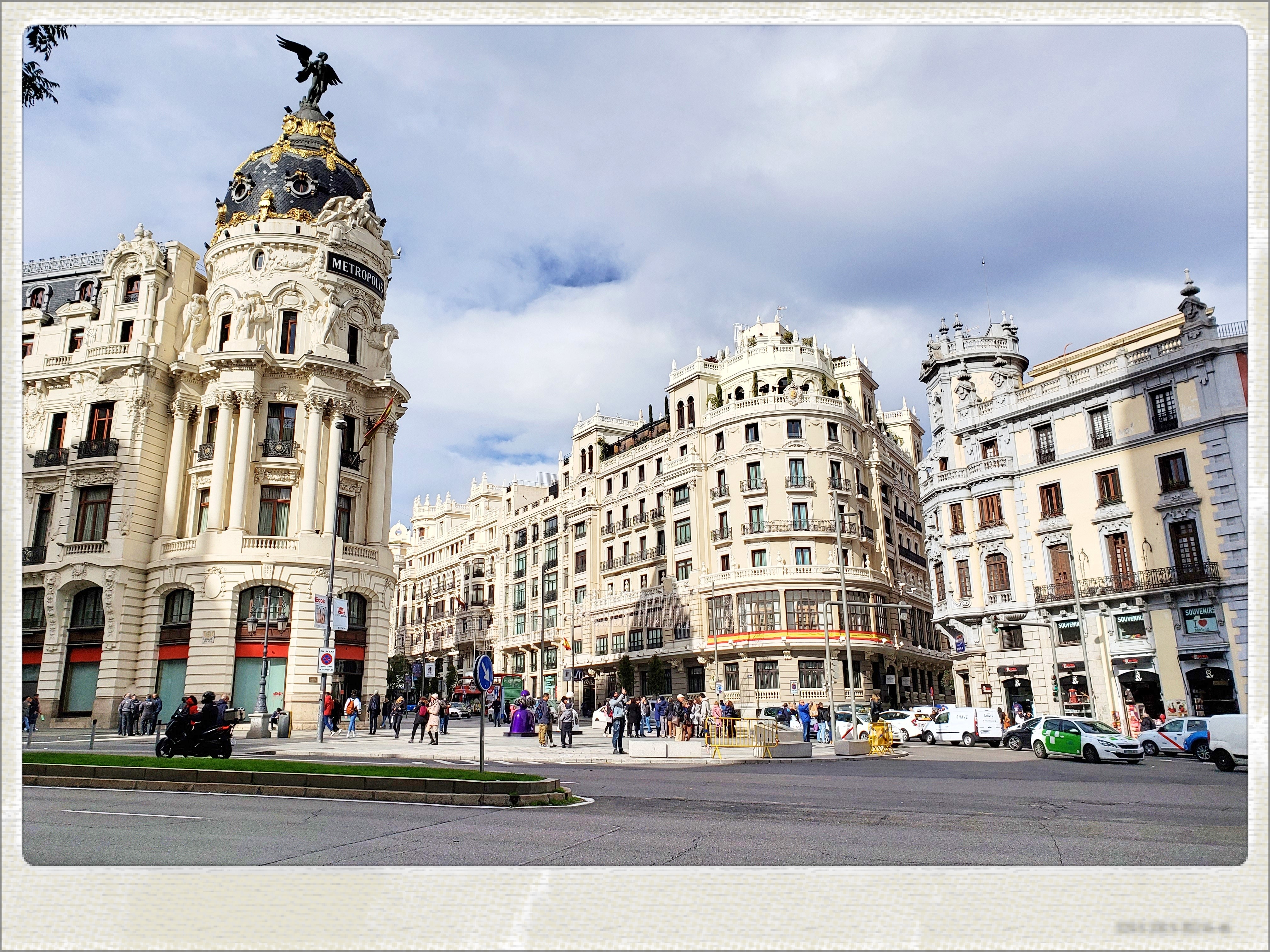
Here comes another white marble classical building standing on the easternmost end of Gran Via, the main shopping and commercial district in Madrid.
Gran Via
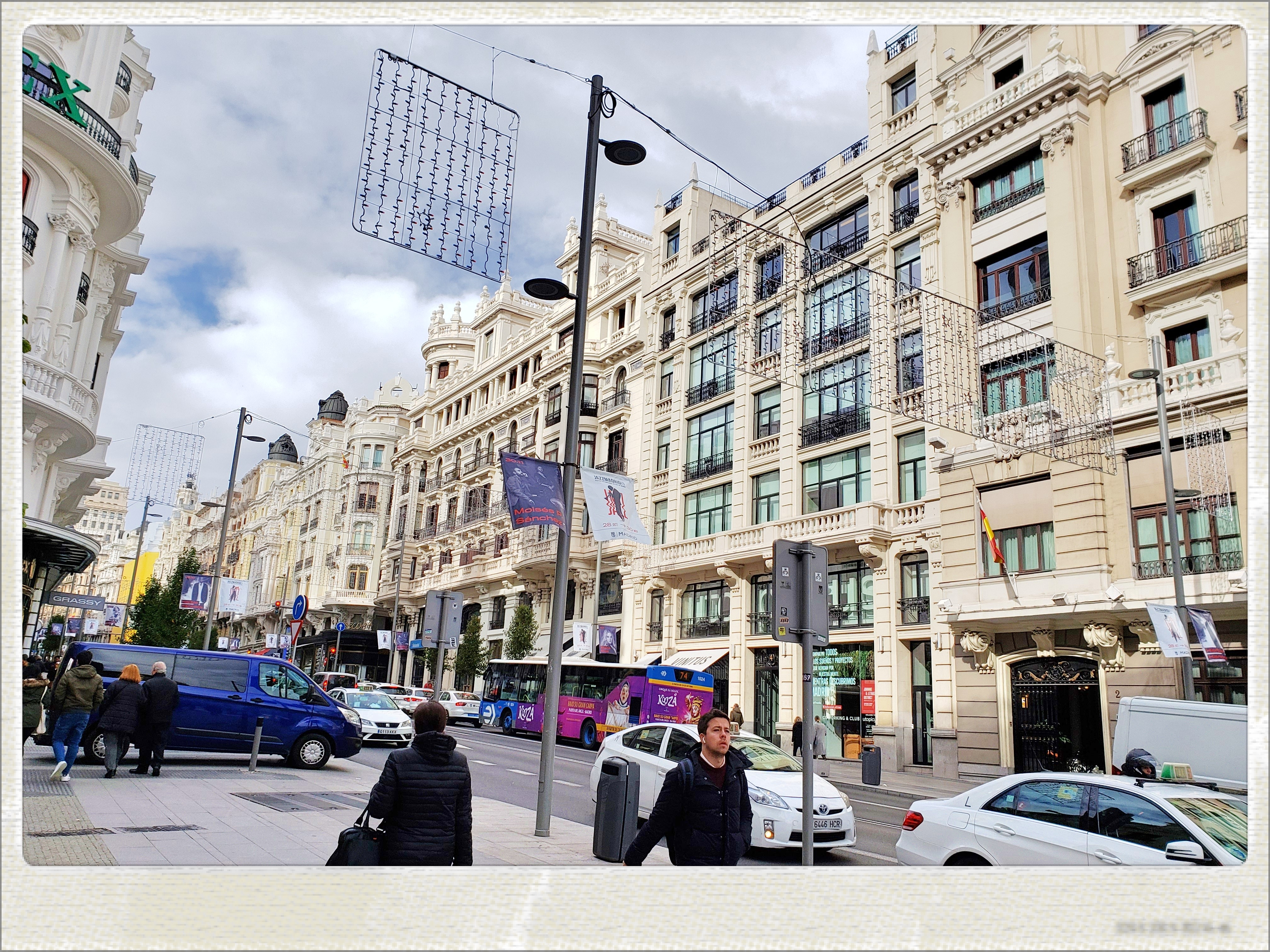
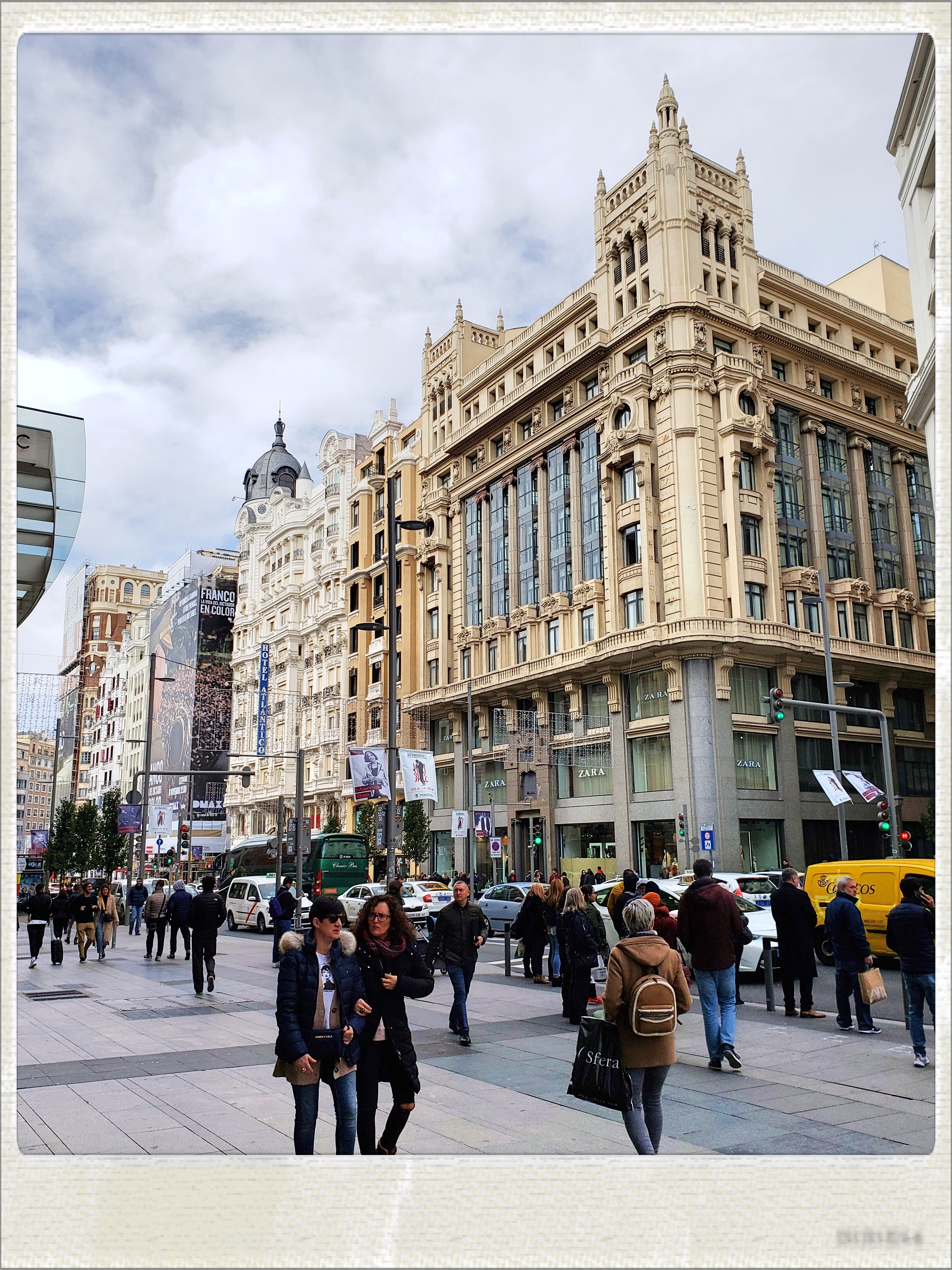
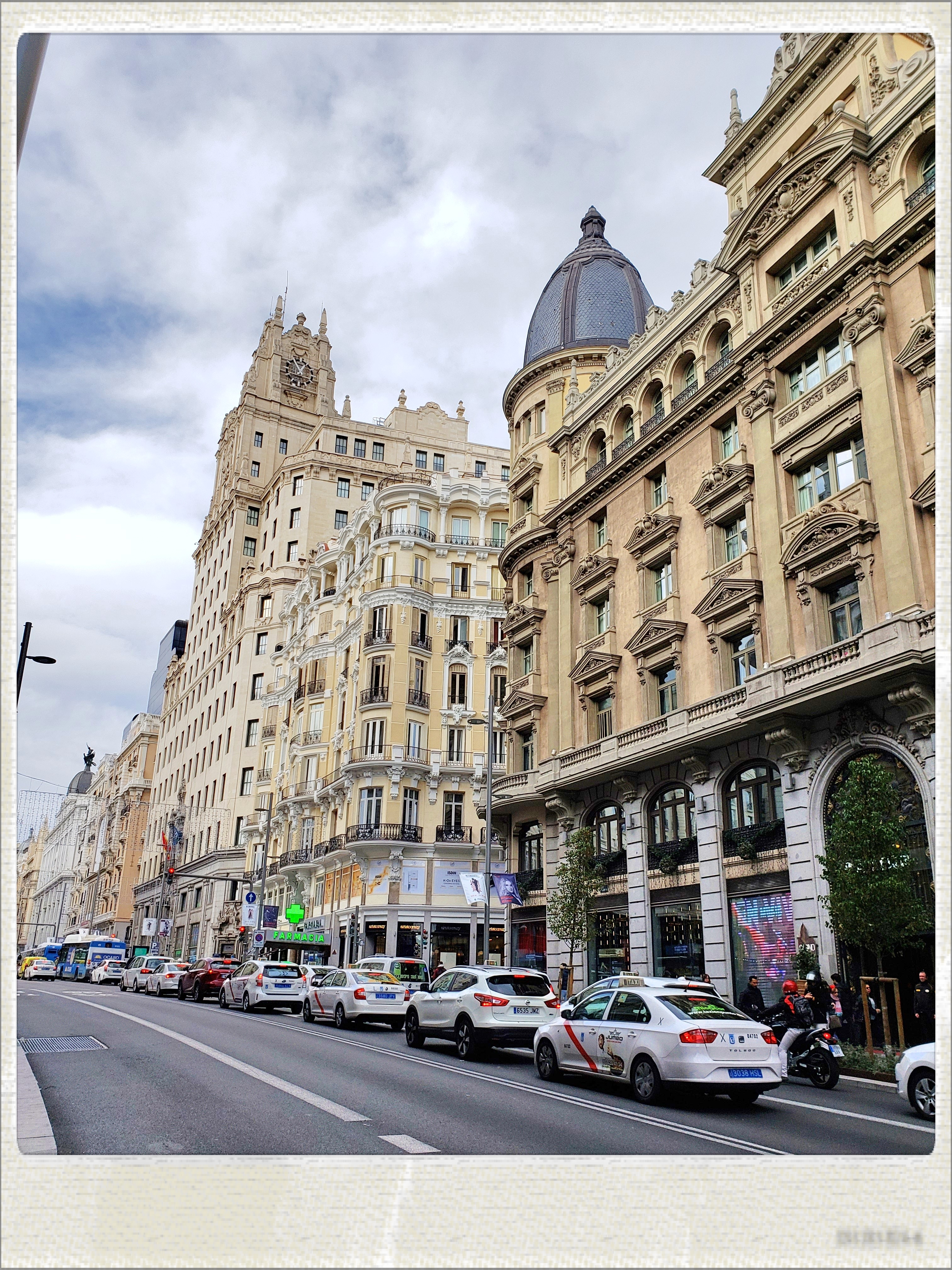
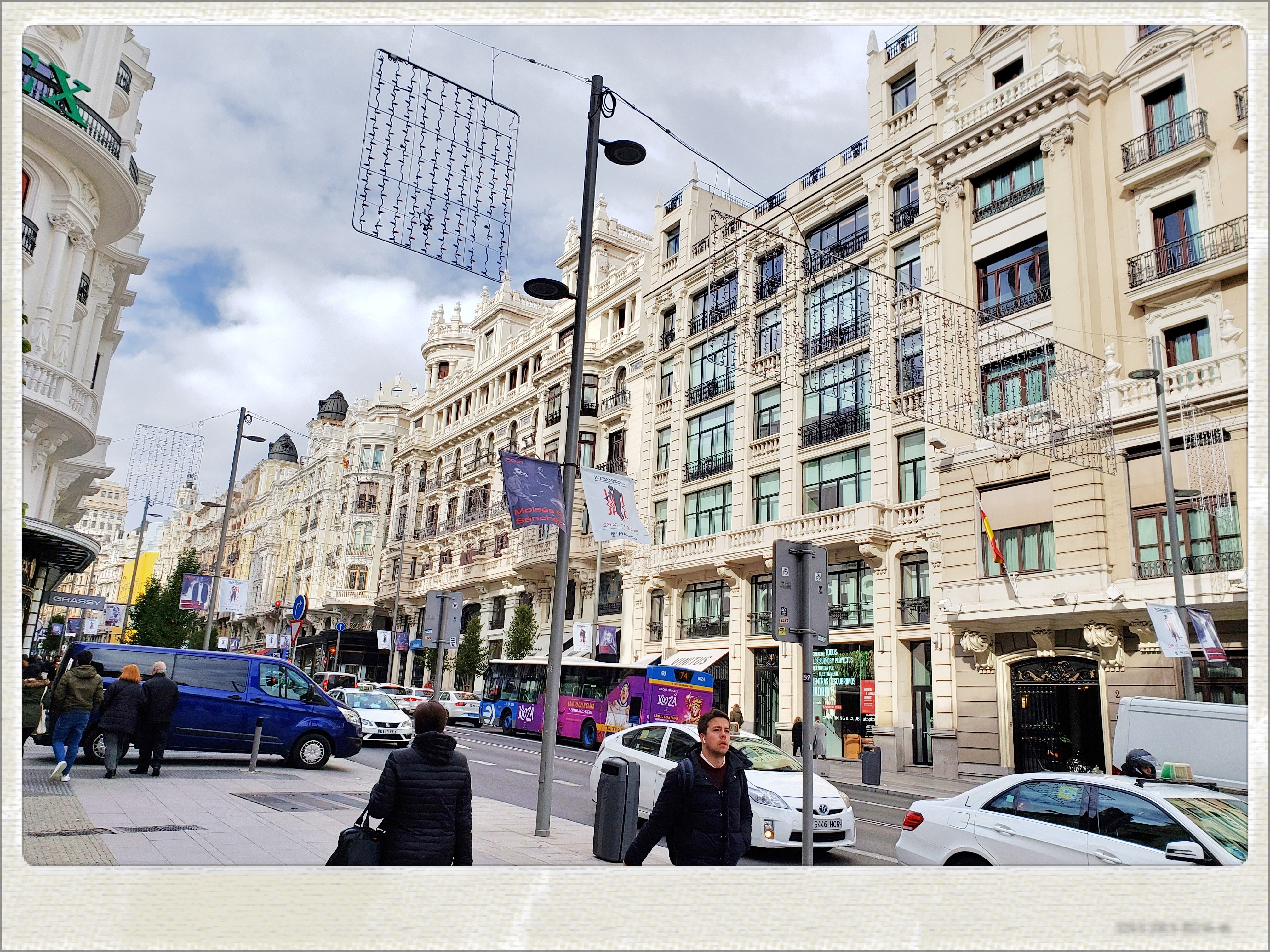
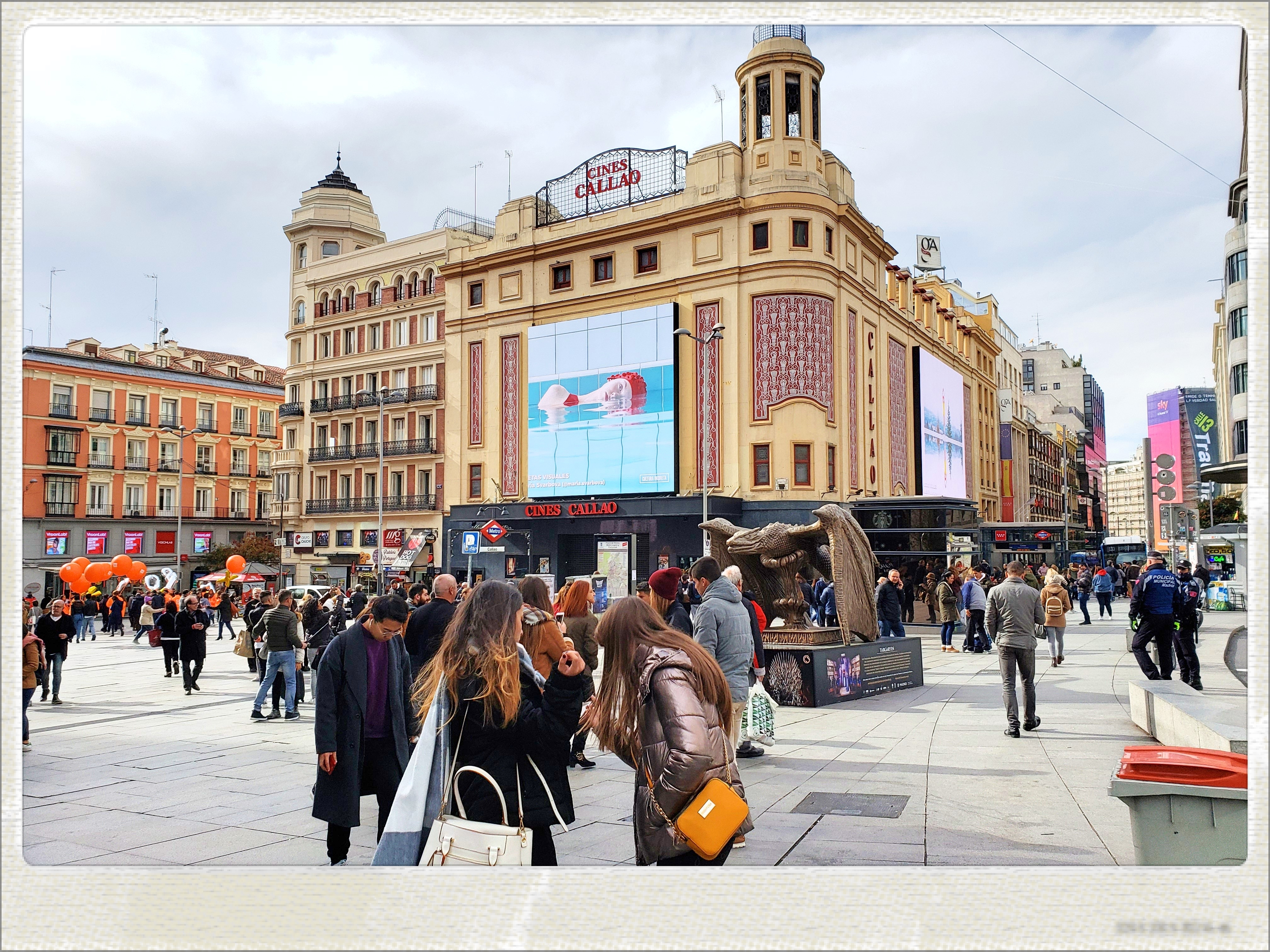
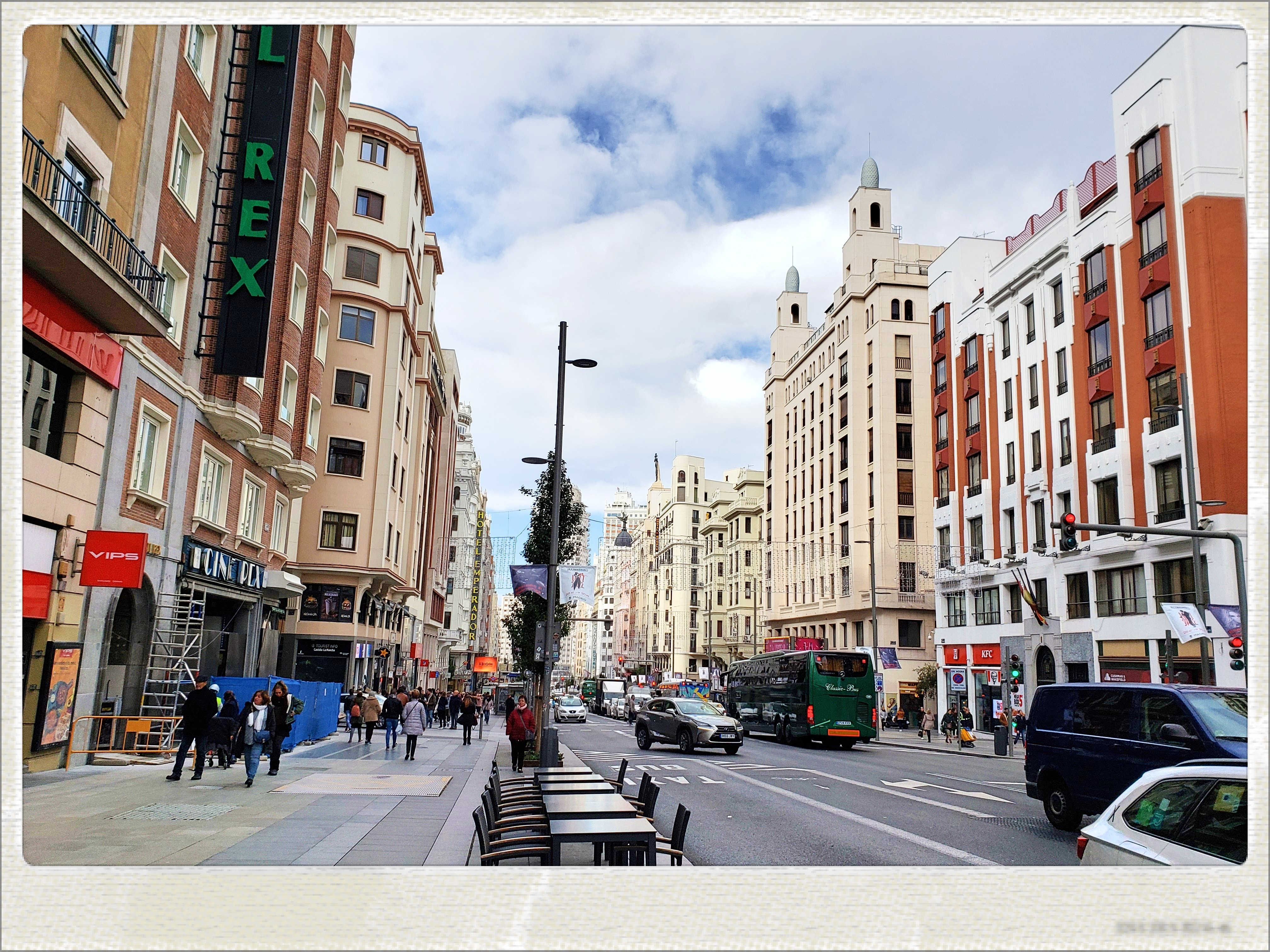
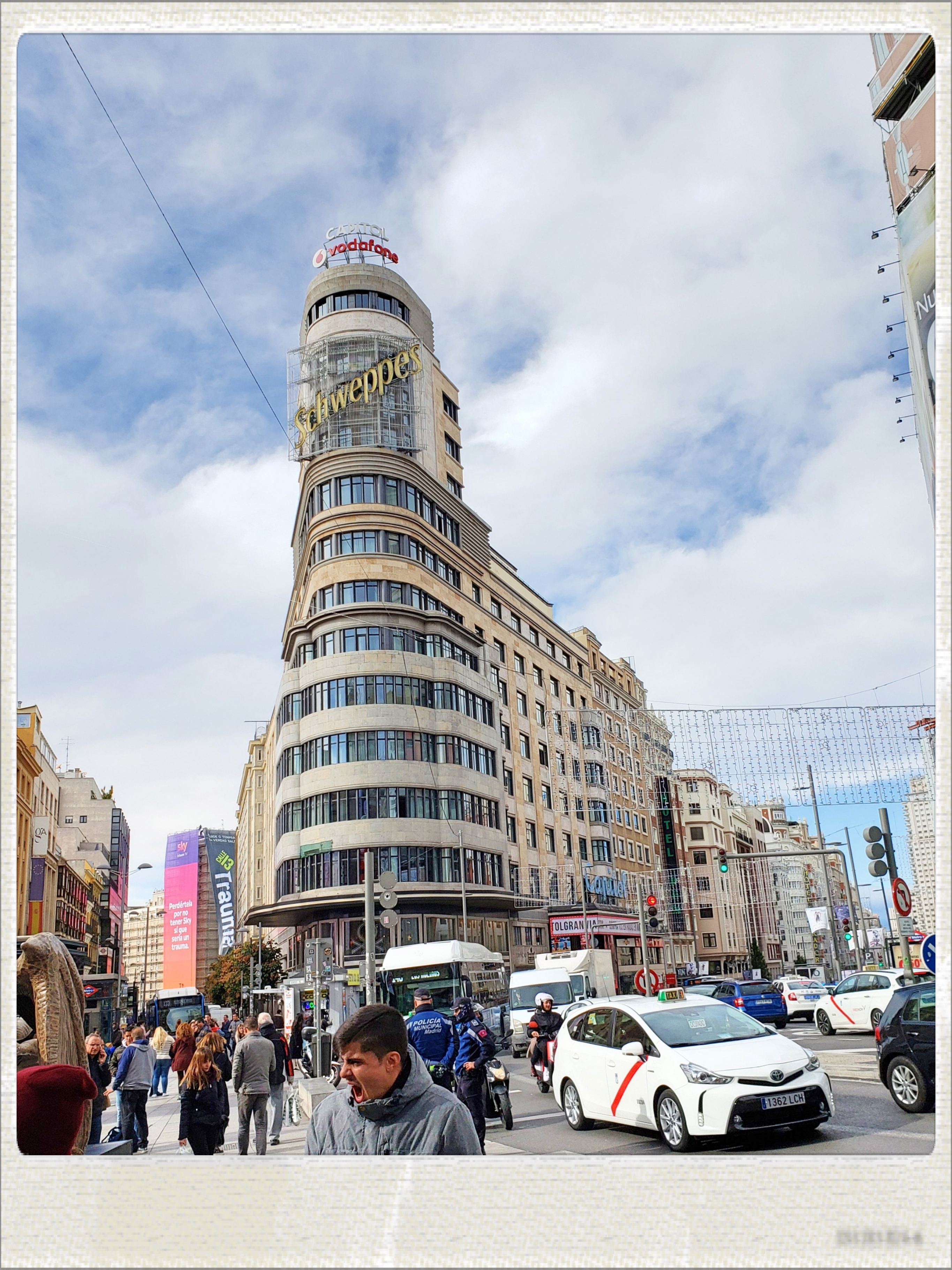
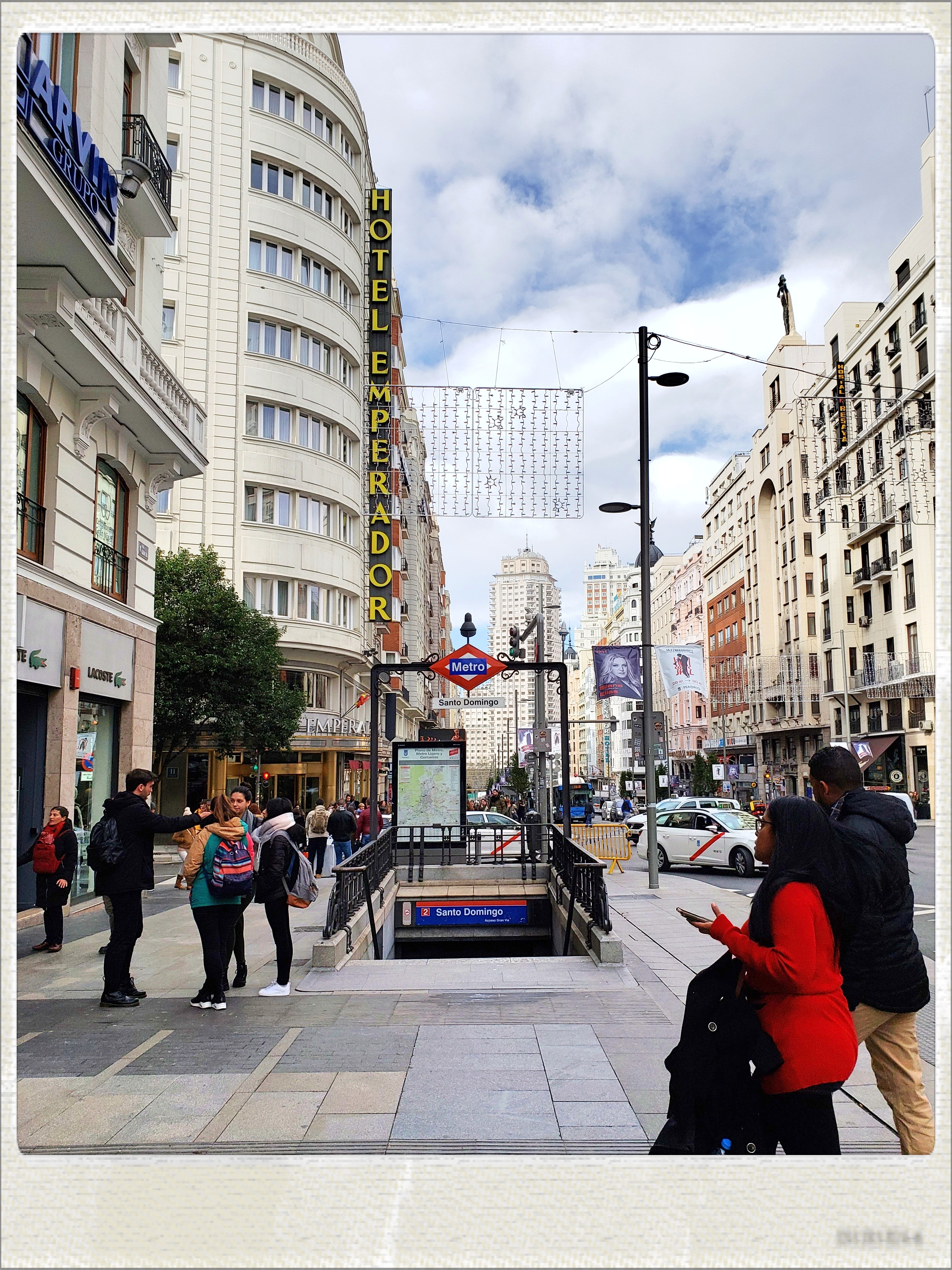
A two-lane two-way narrow streets flanked with white, greyish white and brownish white richly ornamented classical buildings, Gran Via literally transported me to a really quirky horizon like no other.
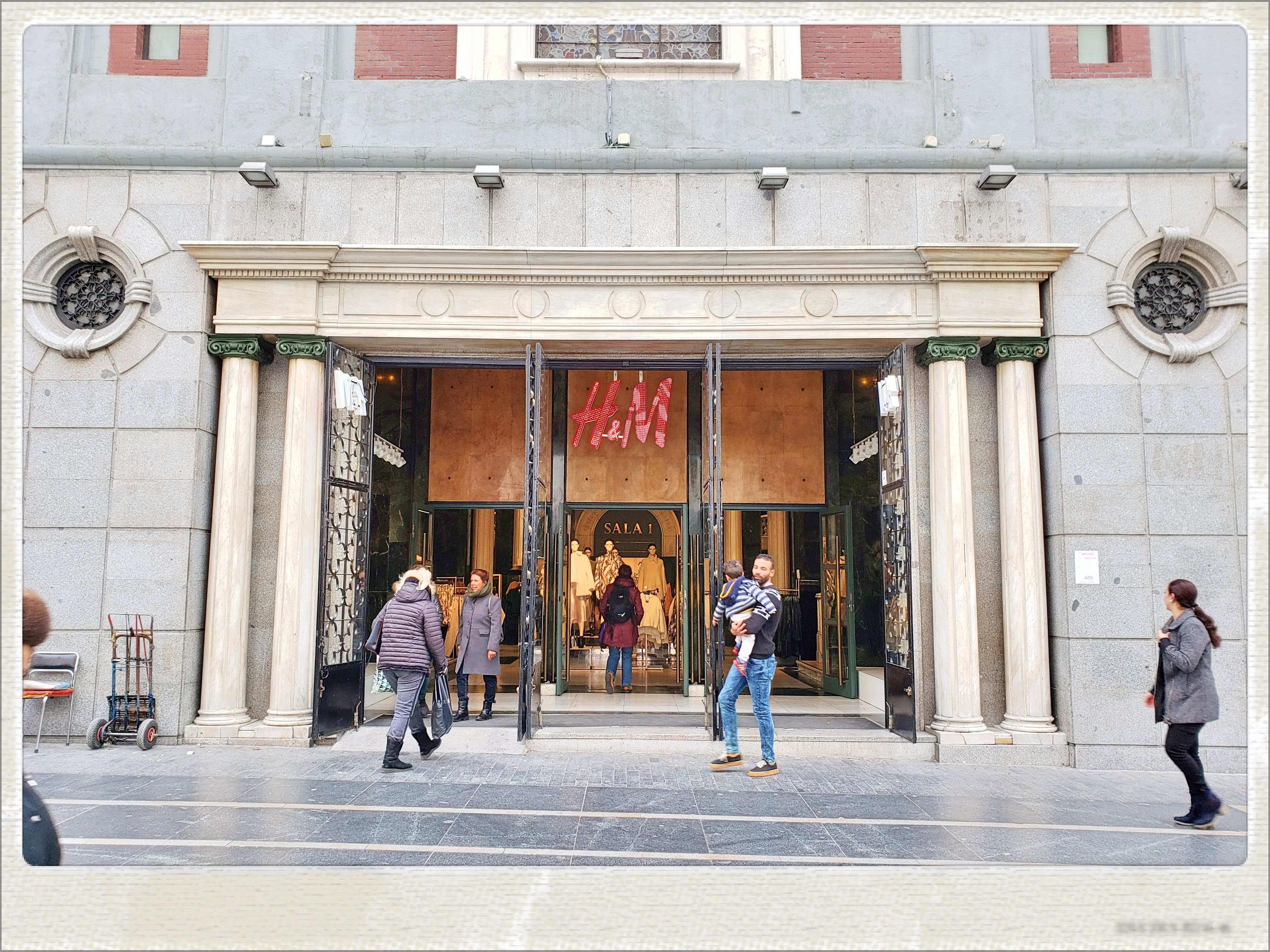
Gran Via was a perfect embodiment of Madrid’s one-of-a-kind prosperity and vibrancy. The centuries-old buildings housed the hippest boutiques and restaurants, along with the modern stores selling cutting edge mobile phones and electronic goods. The retro theatres boasting their lofty and grand auditoriums, were showing the latest films.
According to Wikipedia, Gran Via street is an urban esplanade in central Madrid. Sometimes called ‘Spanish Broadway’, it’s one of the most important shopping areas with a large number of hotels and large movie theatres. It also serves as a showcase of early 20th-century revival architecture, with architectural styles range from Vienna Succession style, Plateresque, Neo-Mudéjar, Art Deco.
Spain Building (Edificio España)
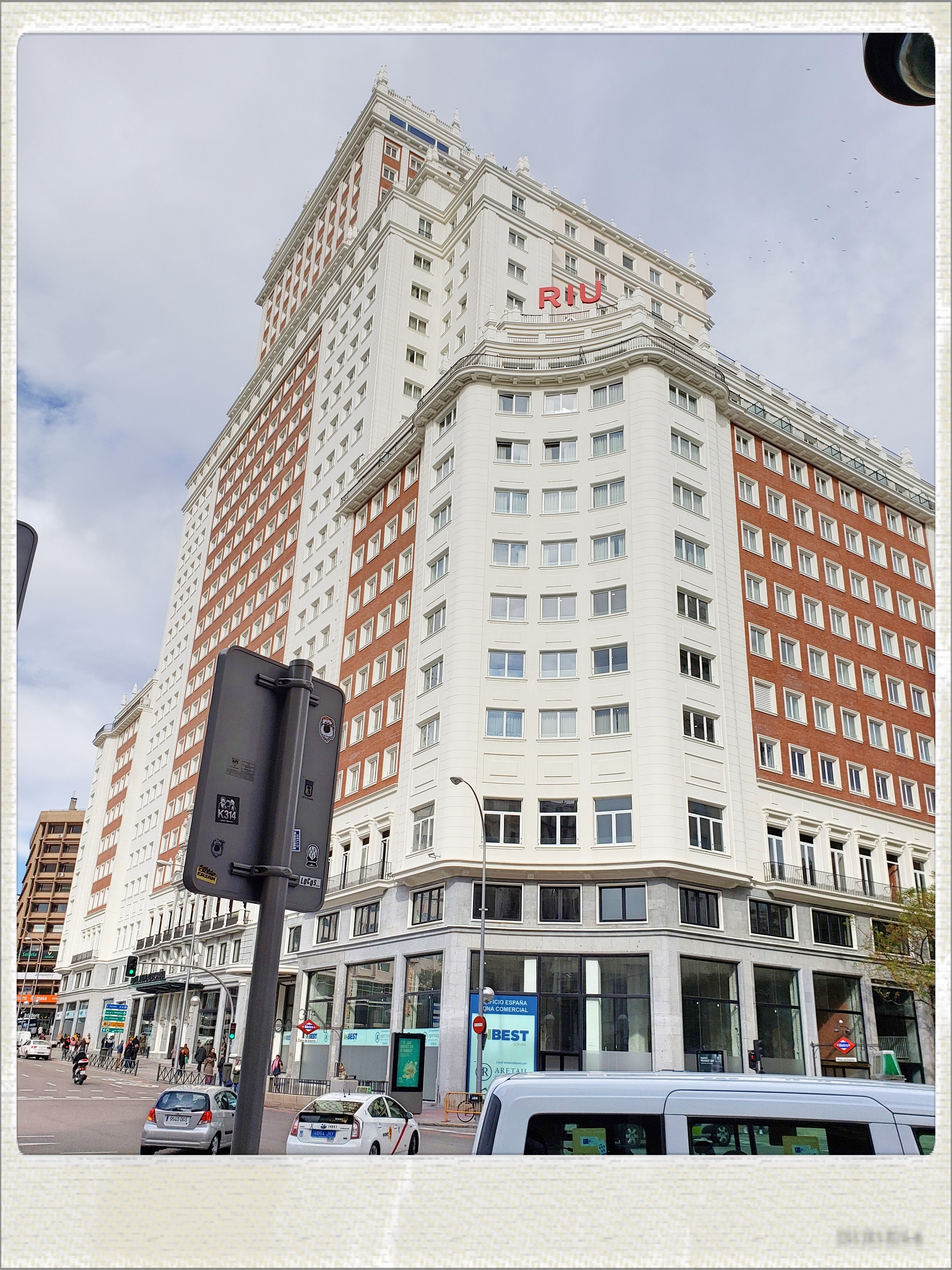
Unfortunately, Plaza of Spain was undergoing reconstruction yet the Spain Building (Edificio España) to its northeast was a feast for the eyes.
Opened in 1953, it’s the 8th tallest building in Madrid and is a mixed-use structure containing a hotel, offices, apartments and shops.
Sabatini Gardens
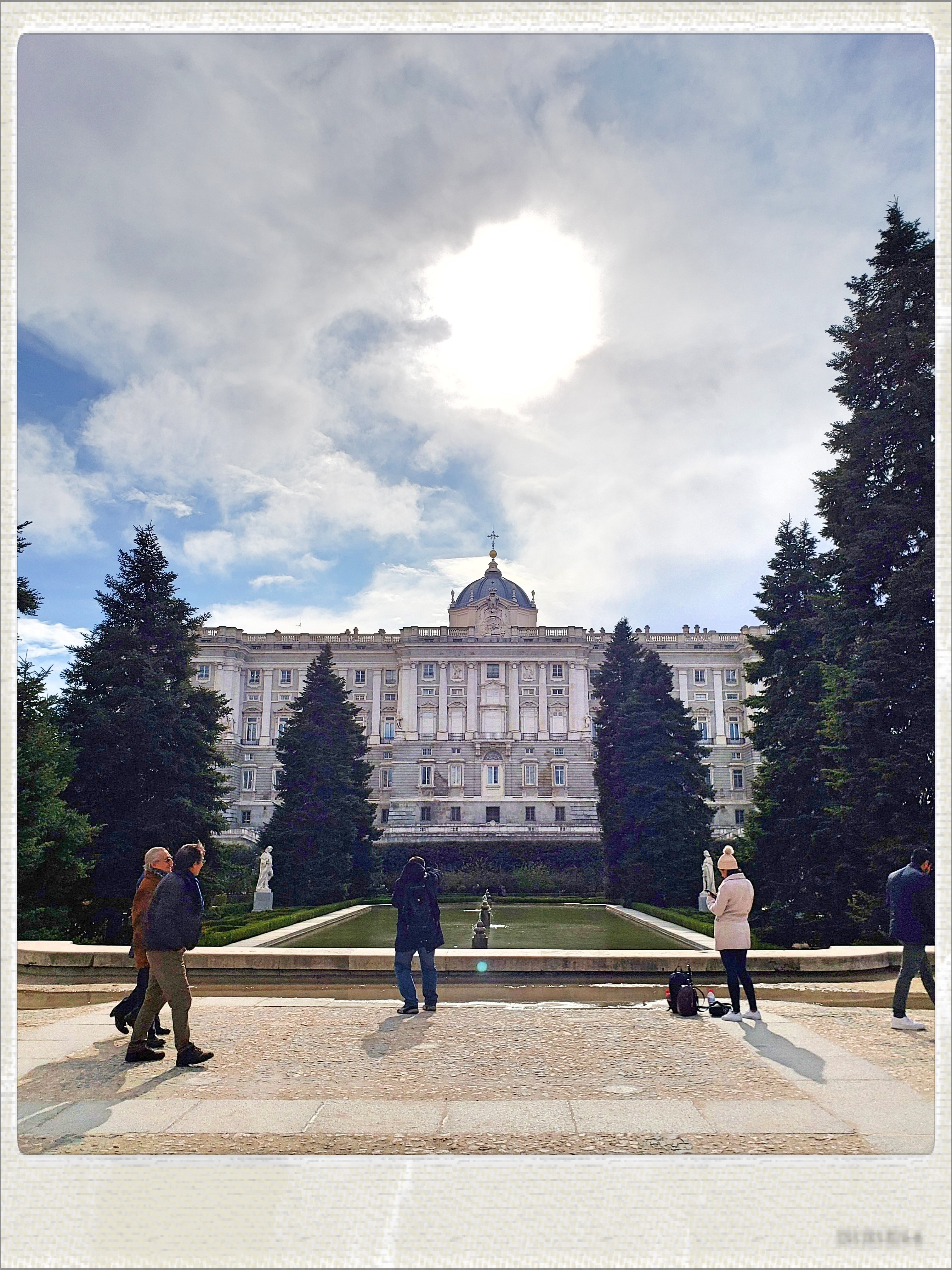
Just a stone’s throw from the Spain Building, the Sabatini Gardens came into sight. As part of the Royal Palace of Madrid, it offered the view of the northern flank of the imposing palace.
Temple de Debod
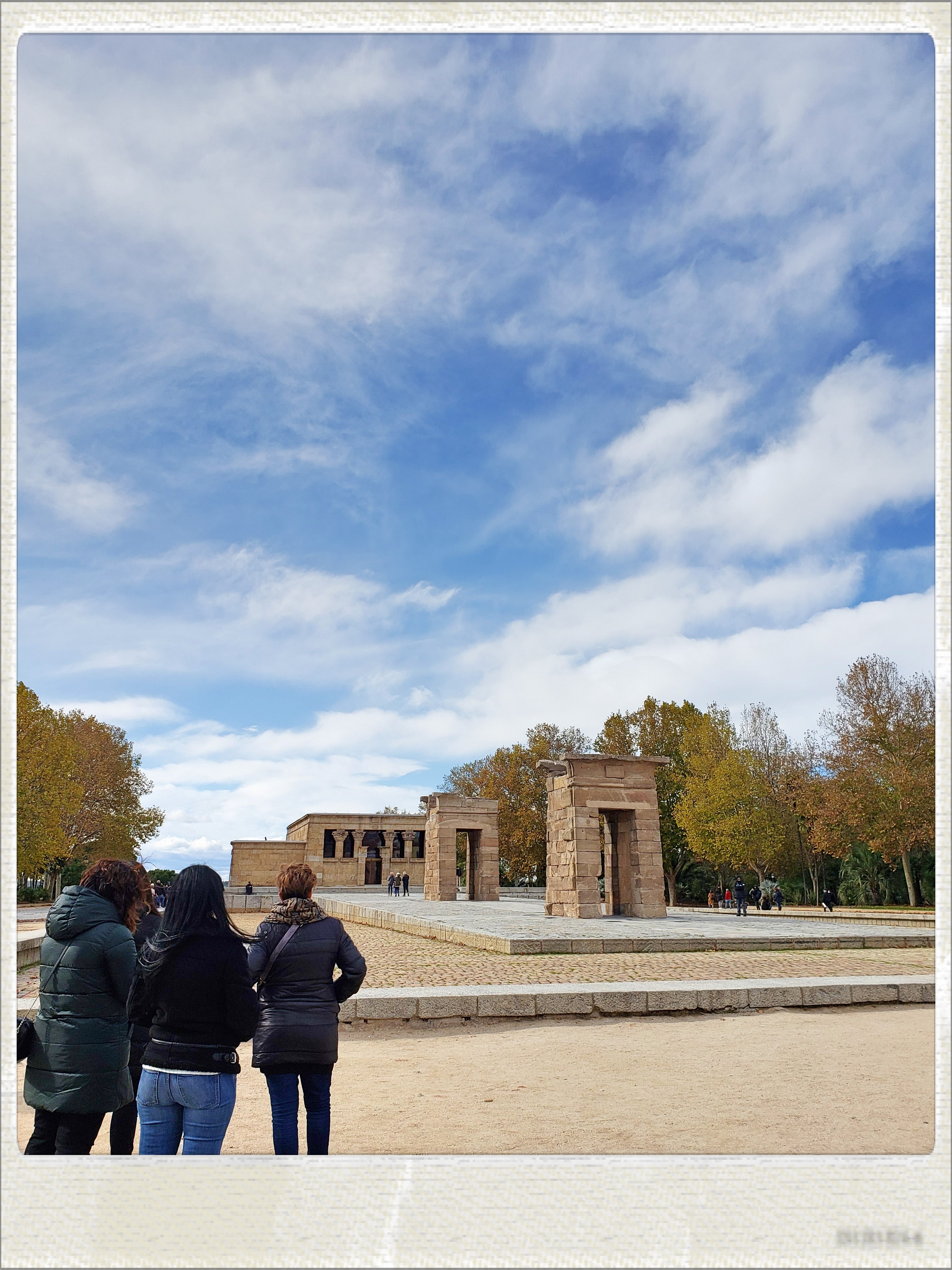
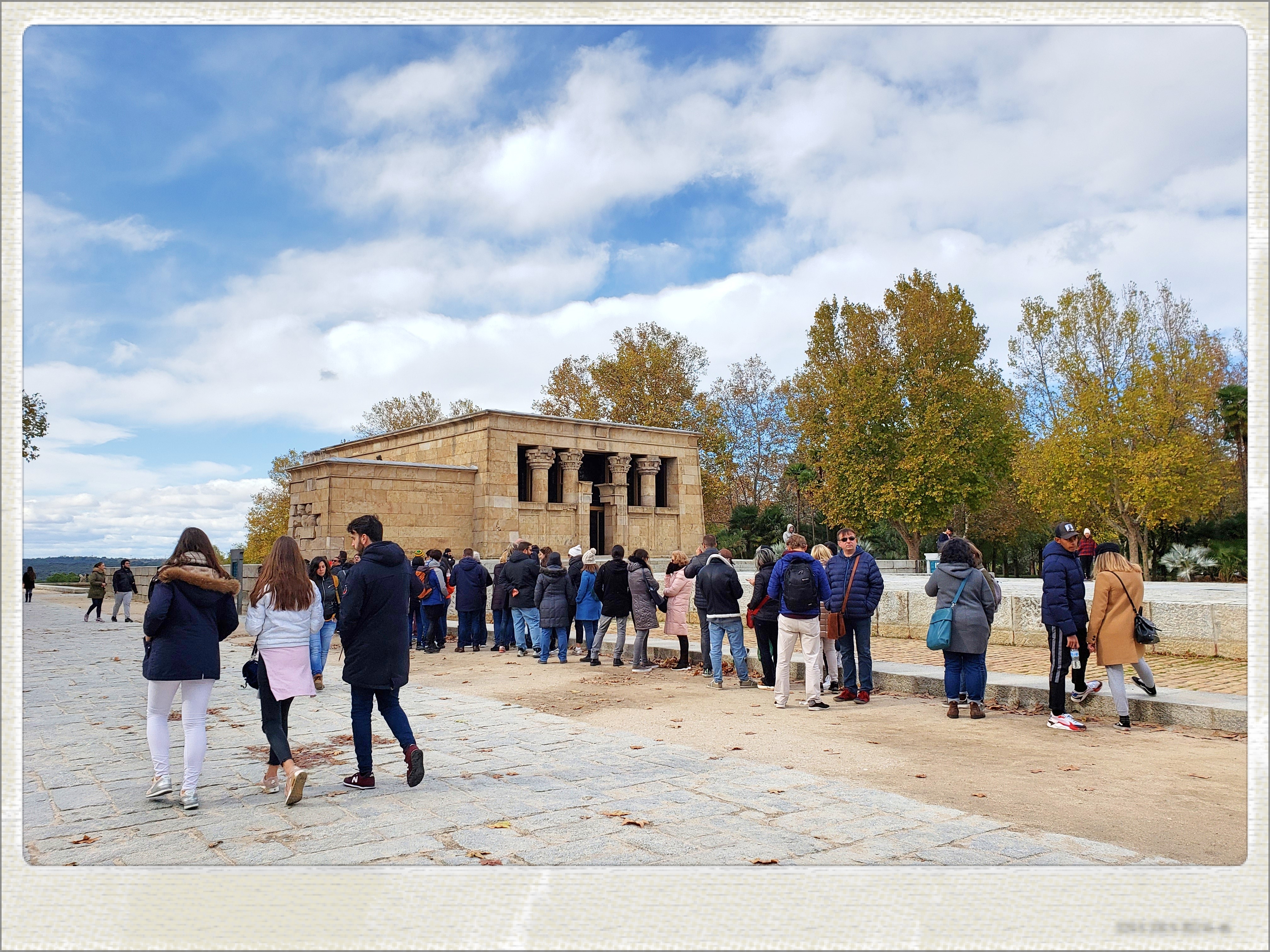
With all due respect, despite its historical significance and being one of the most sought-after tourist spots in Madrid, I didn’t find the Temple de Debod aesthetically pleasing.
Temple de Debod is an ancient Egypt temple that was dismantled and rebuilt in Madrid due to the construction of Aswan High Dam in Egypt.
Madrid Cable Car (Teleférico de Madrid)
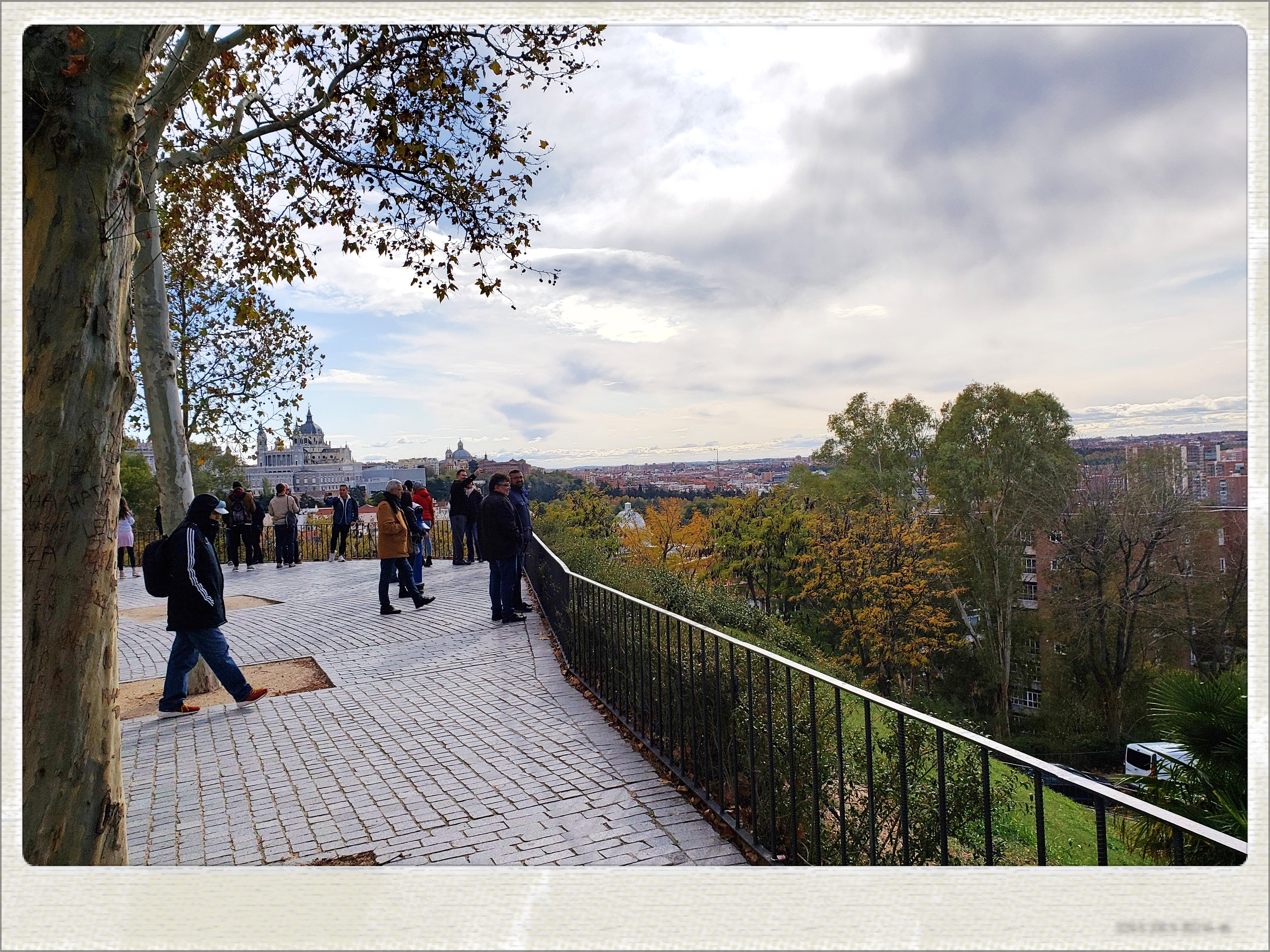
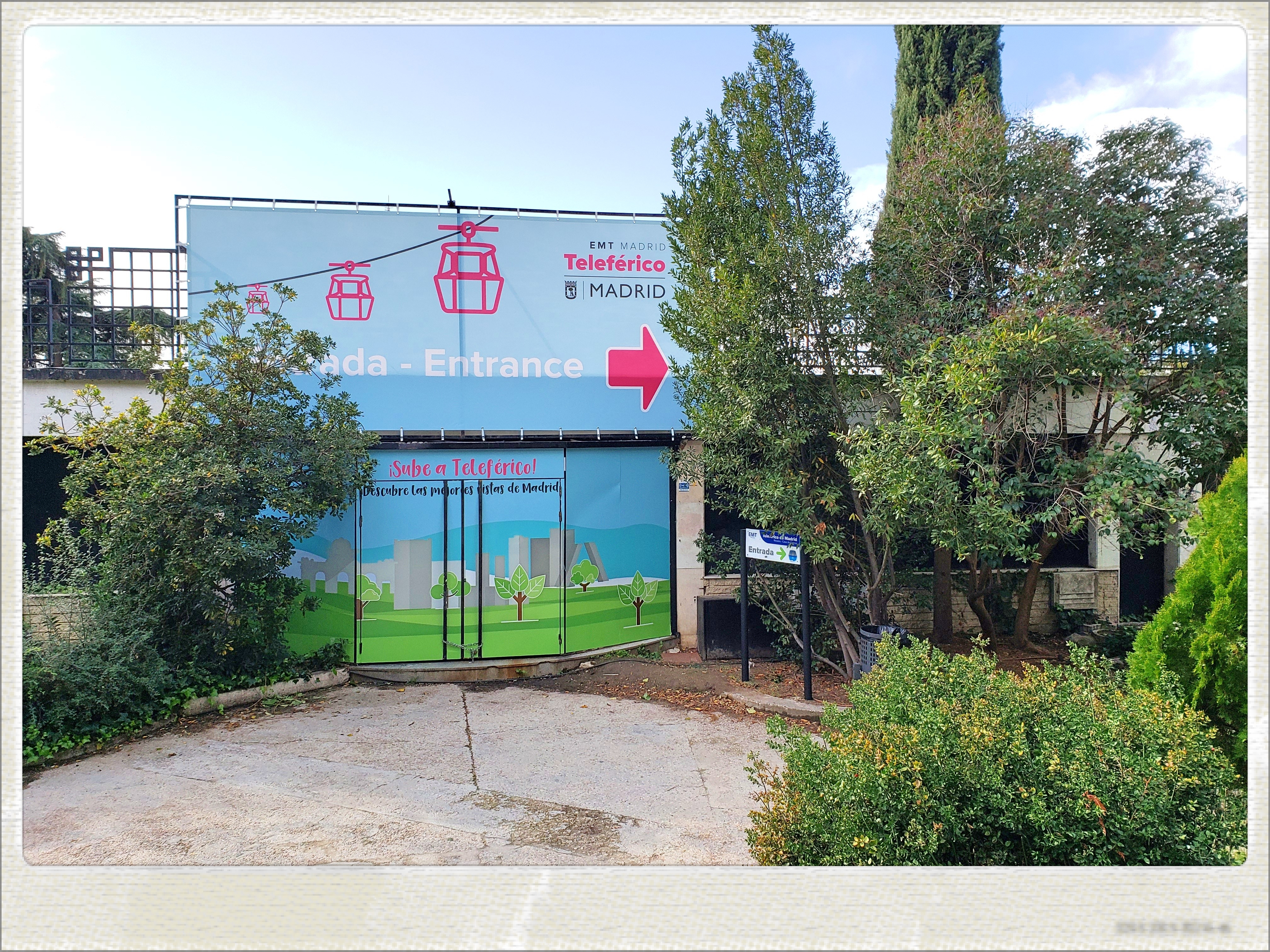
Leaving the Temple de Debod, I headed north. The Madrid Cable Car came into sight after an approximately 10-minute stroll.
Sadly, it was closed, seemingly, permanently?
Later on, I googled it and realised that it opened only on saturdays and sundays during winter.
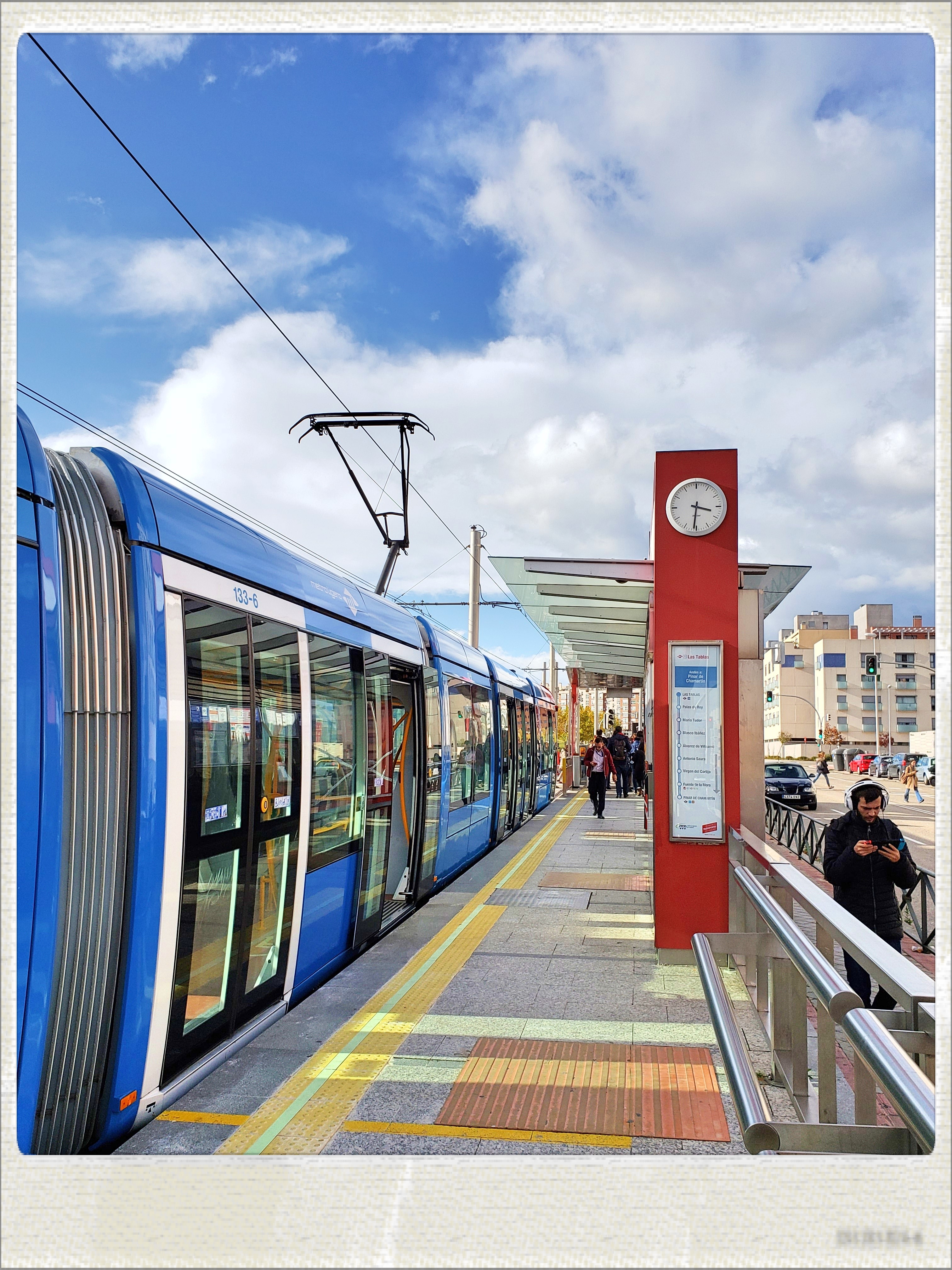
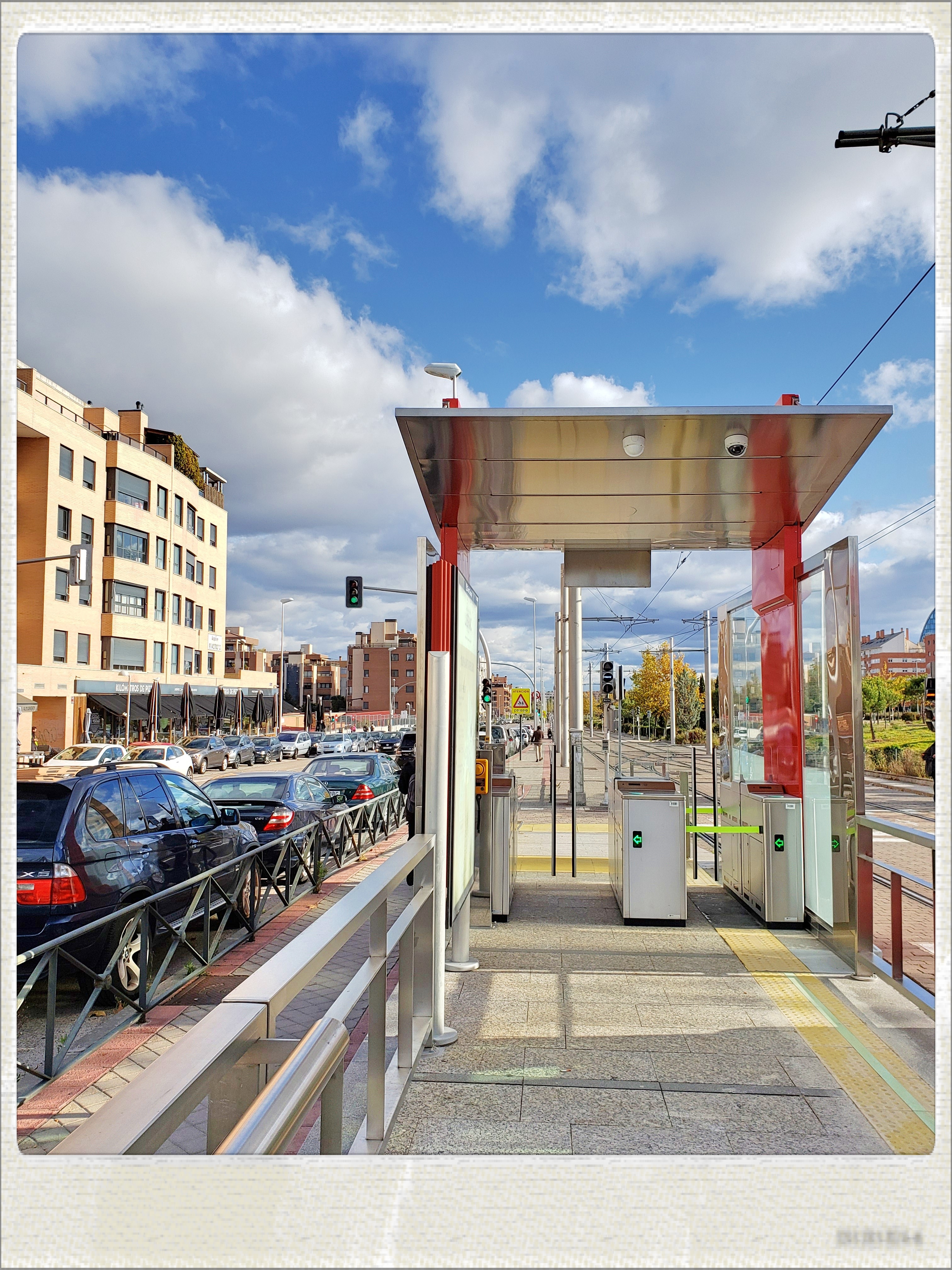
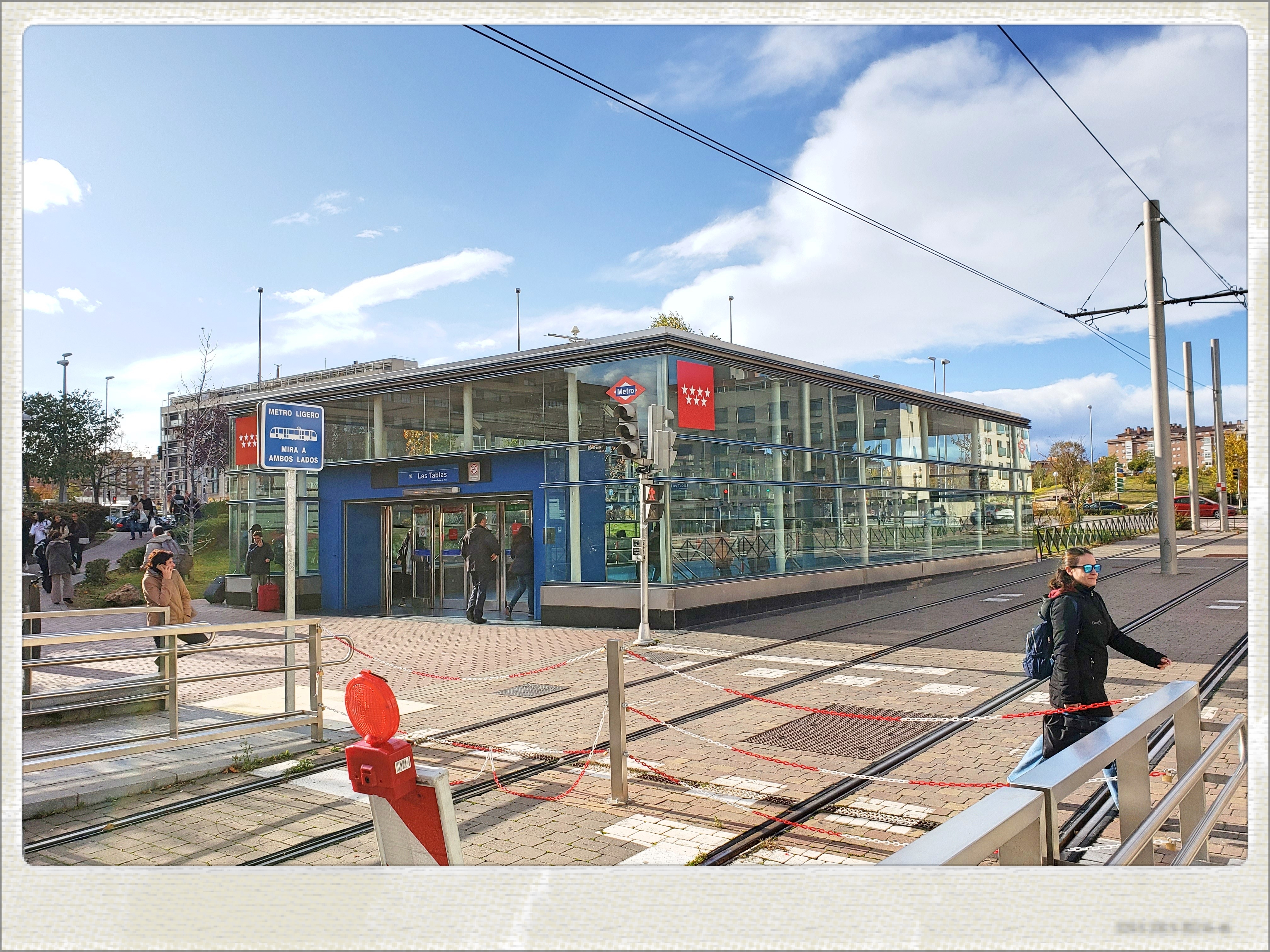
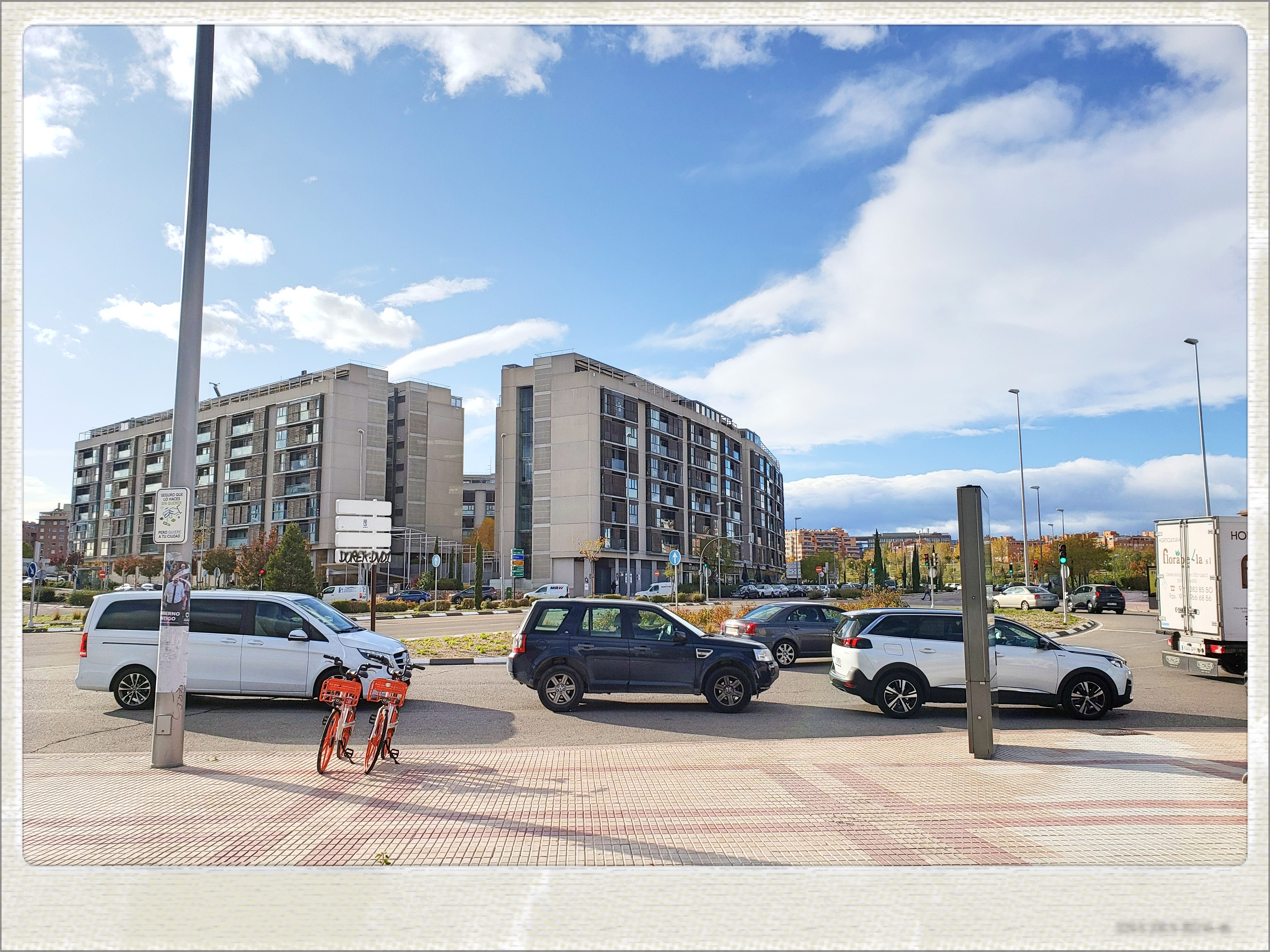
Las Tablas
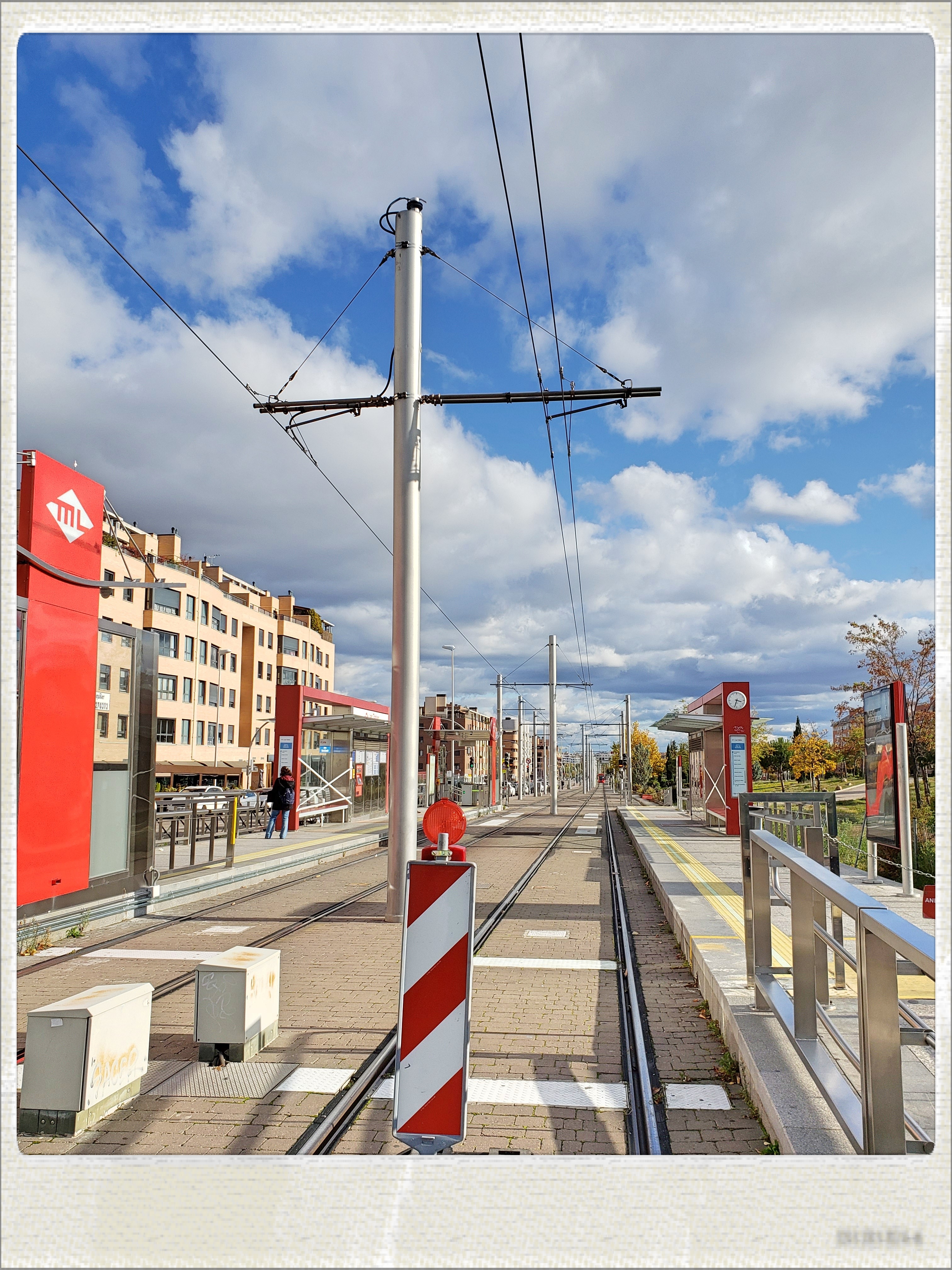
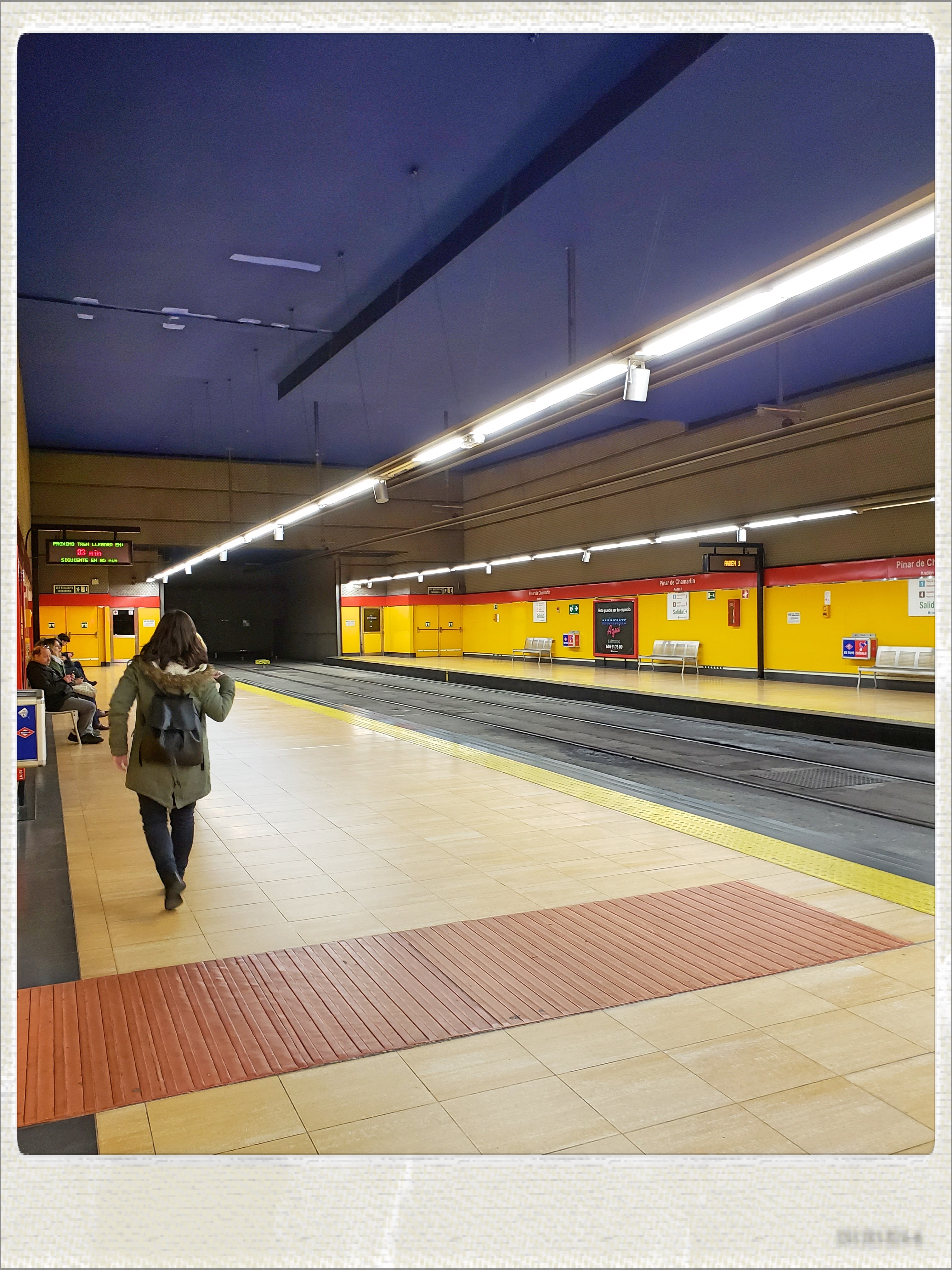
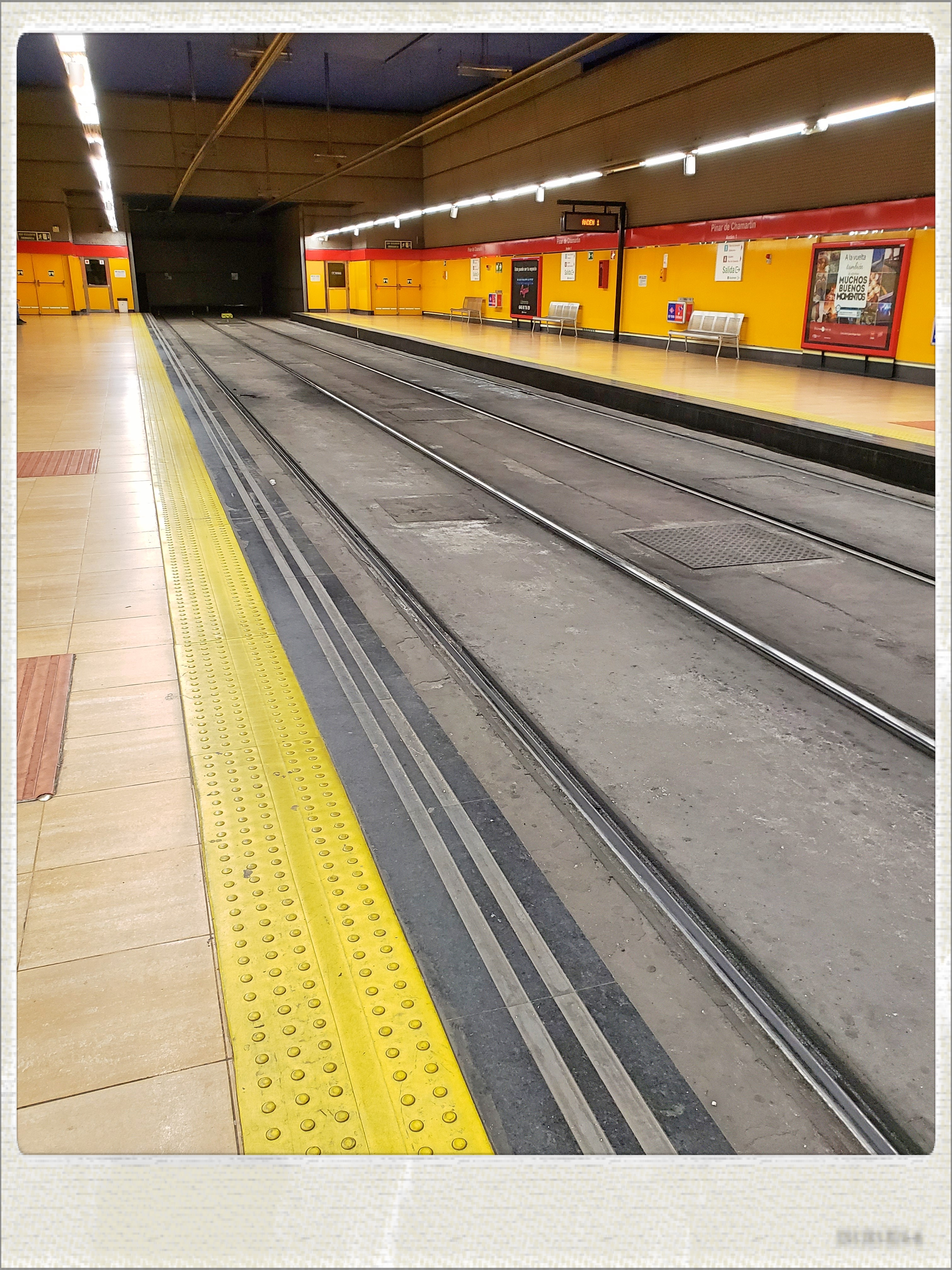
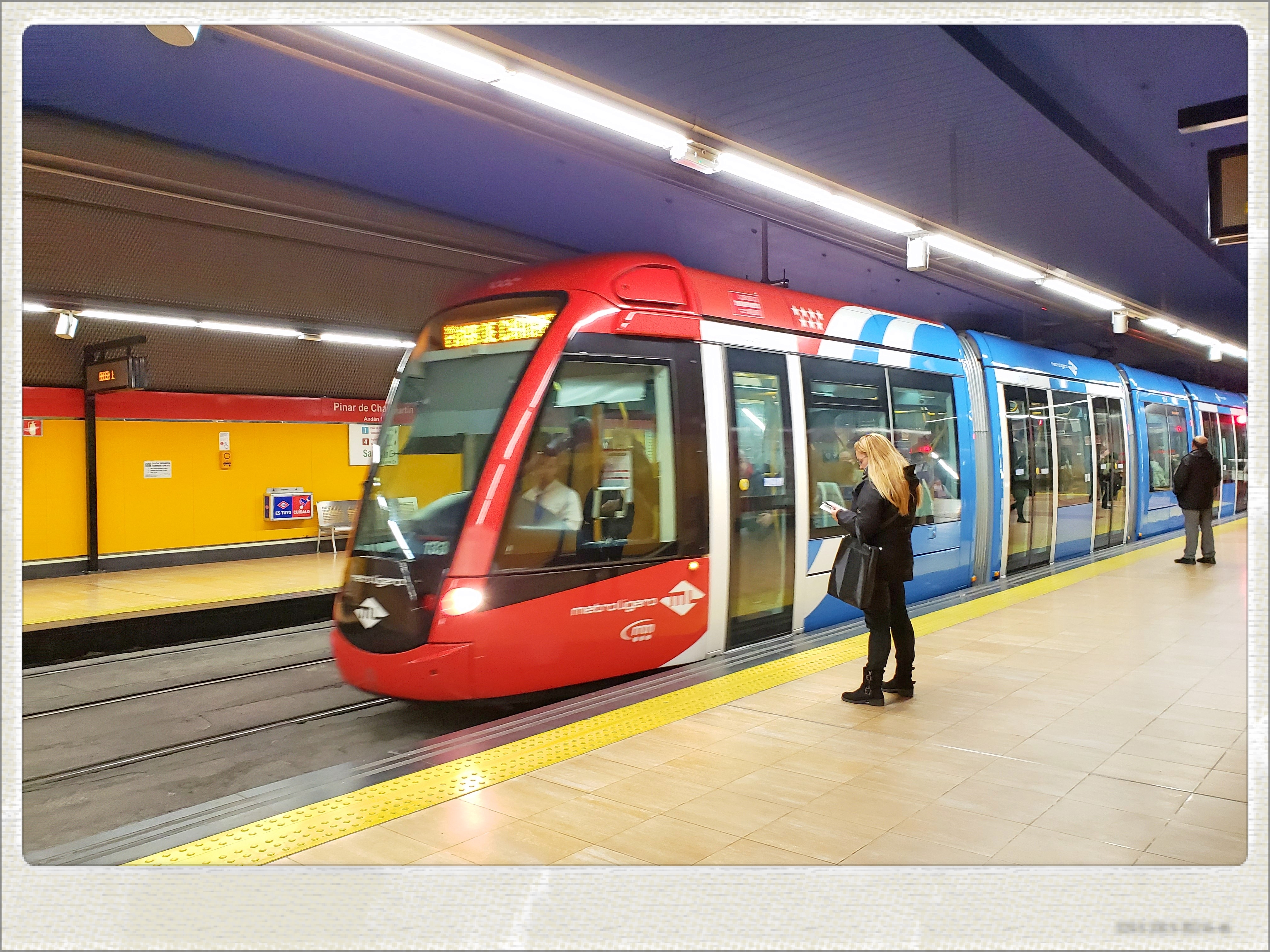
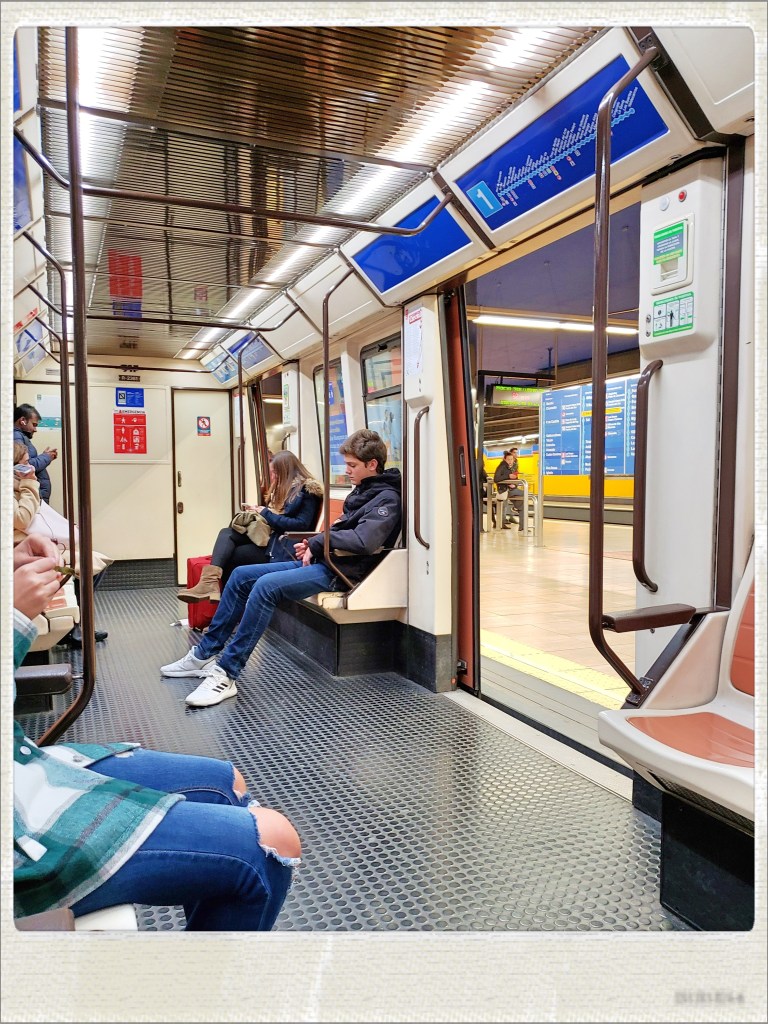
After hours of ceaseless walking, it’s time to take a break. Rather than chilled by the icy wind in one of the beautiful parks in the city or chilling out in a paid cramped cafe, I opted to rest in the metro and light rail carriages.
I was eventually carried to Las Tablas, a brightly hued tram terminus and a metro interchange serving a suburb on the northern part of the city.
Calle de Atocha
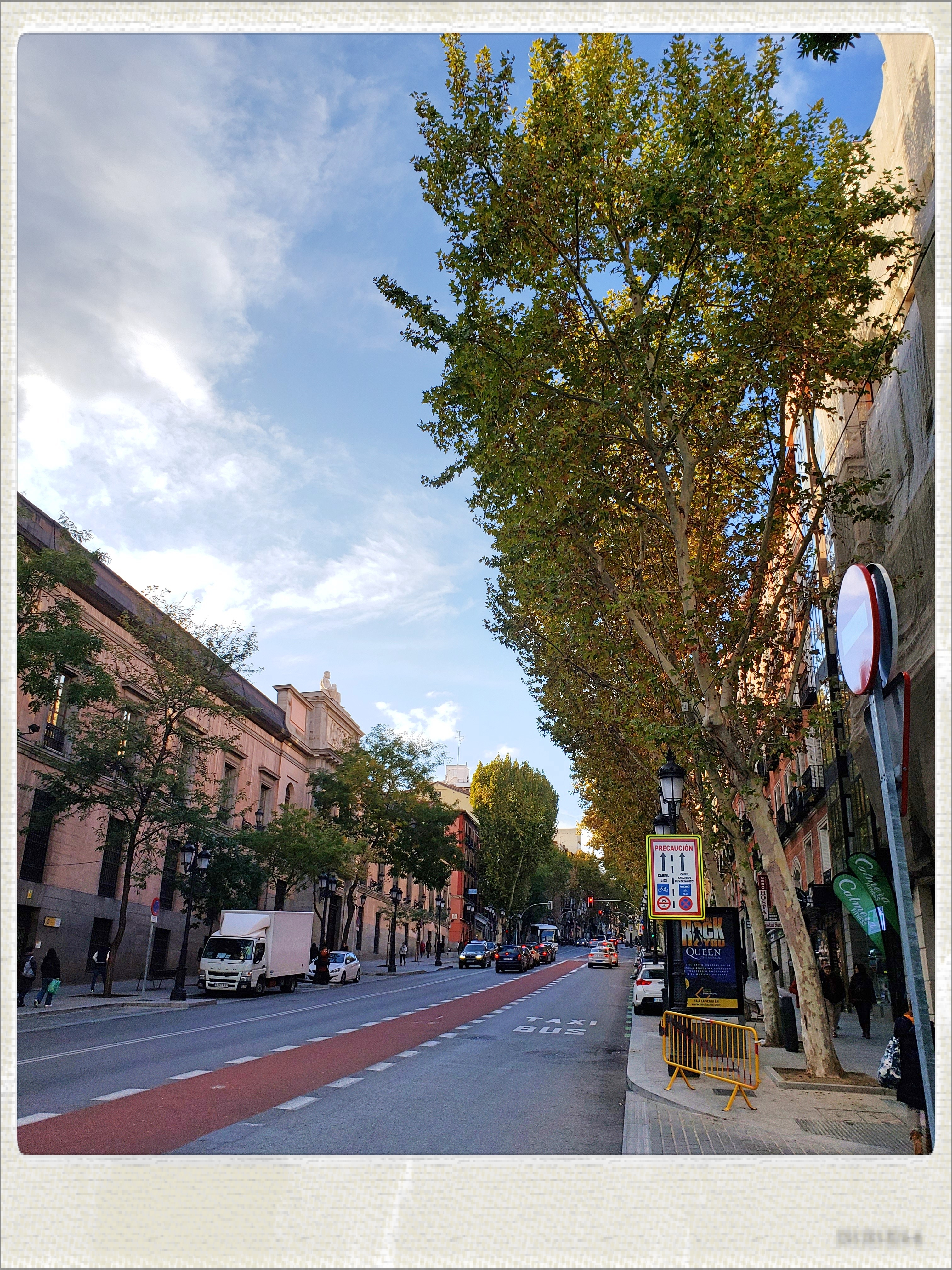
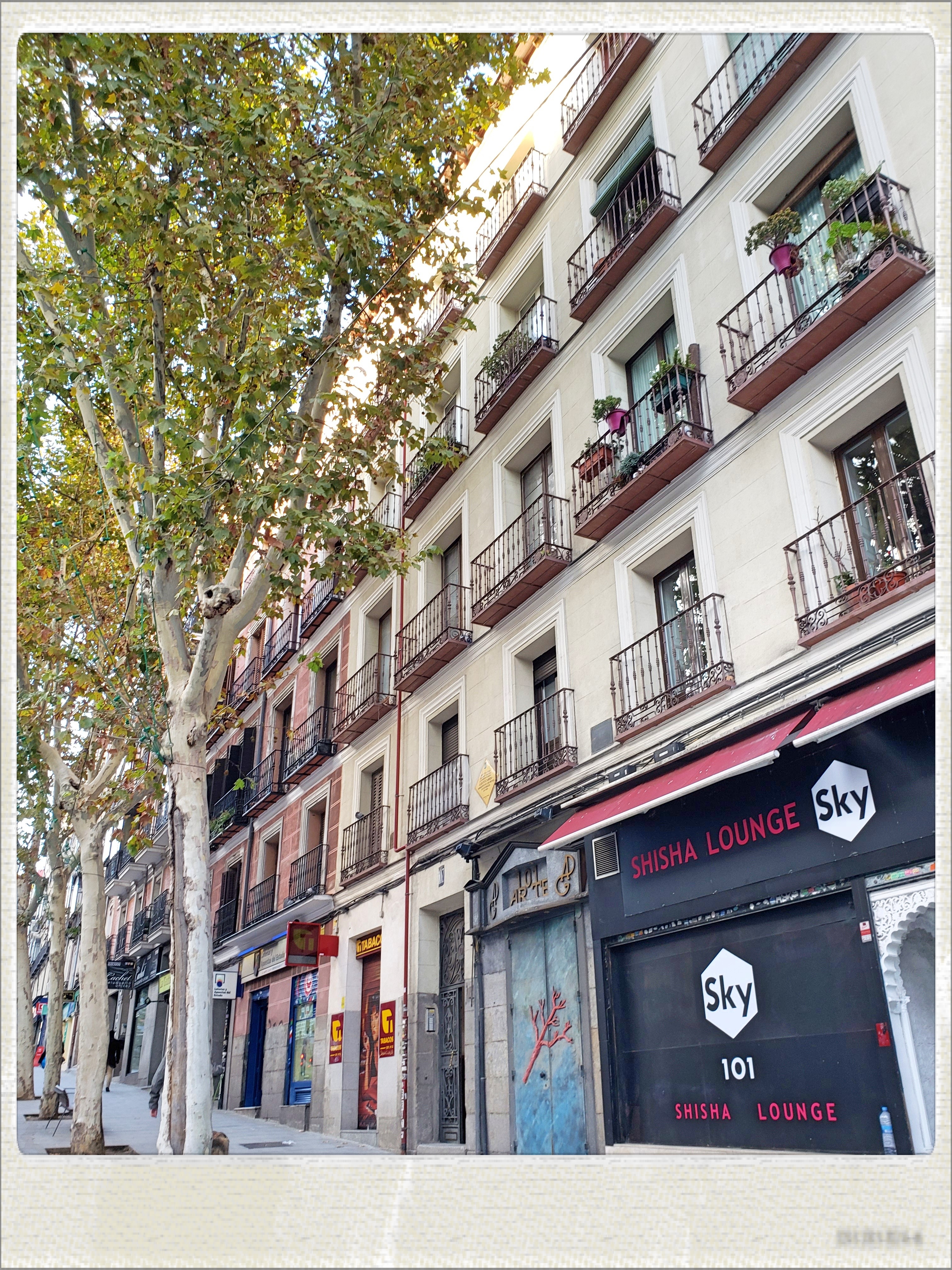
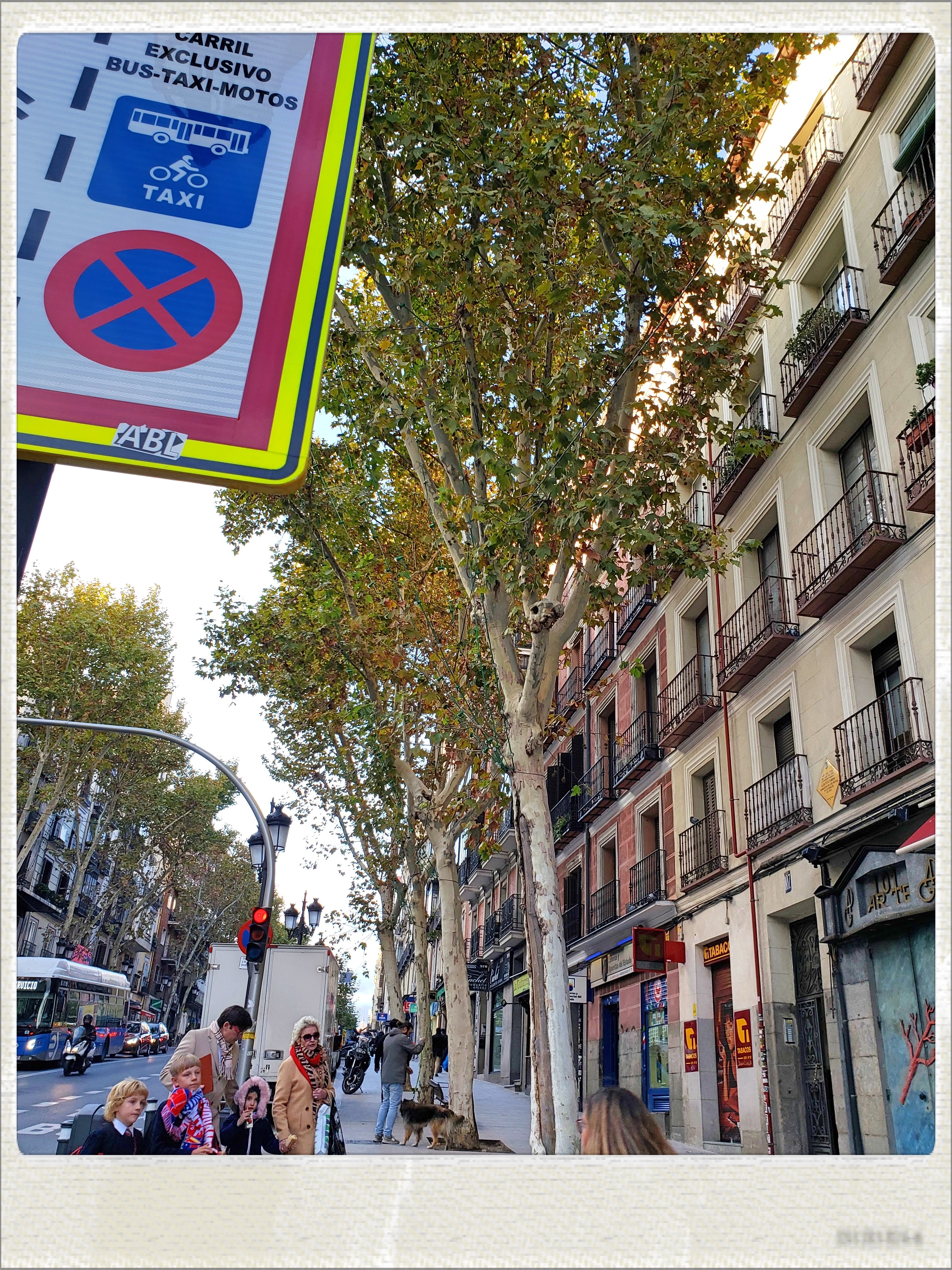
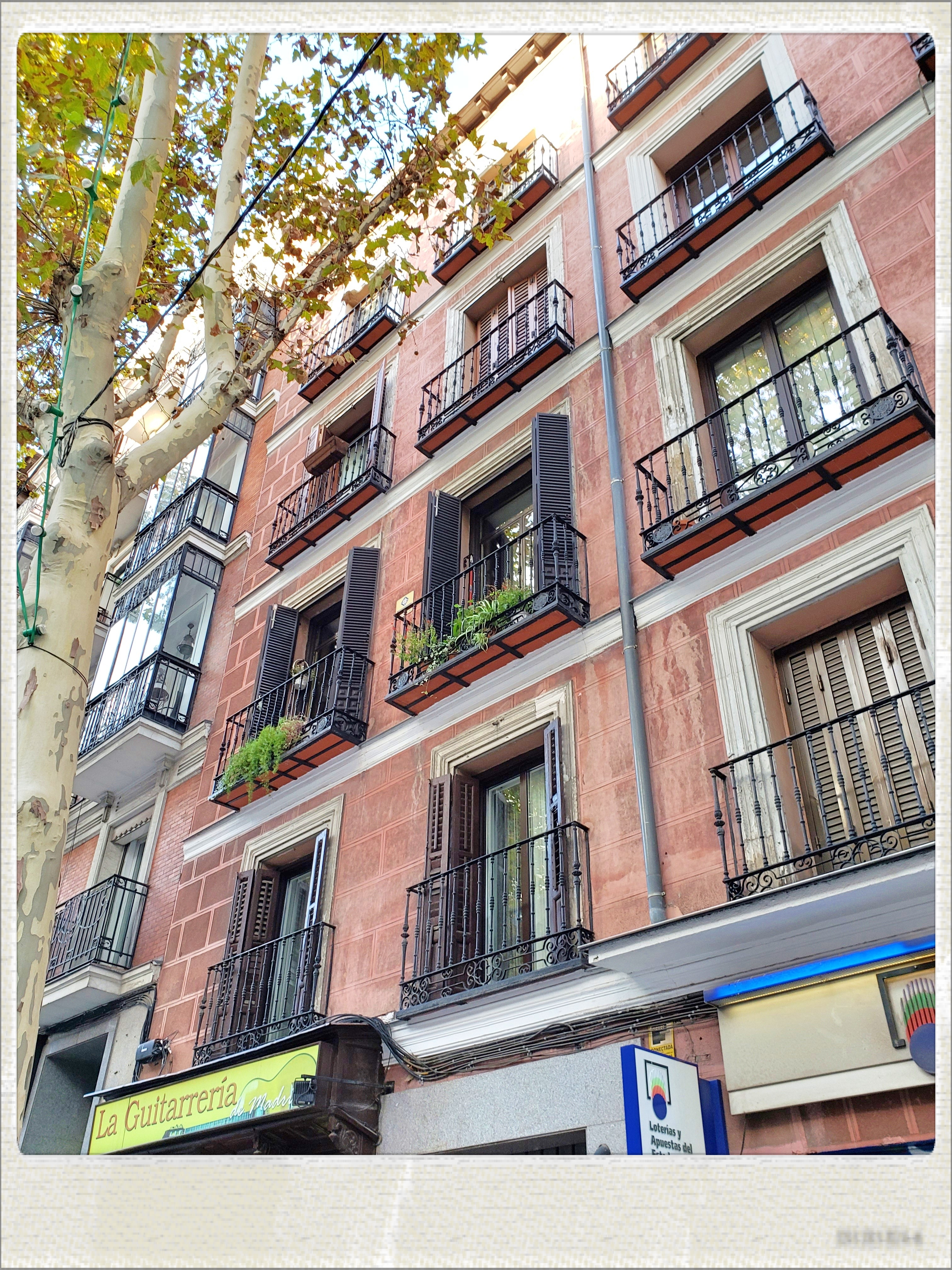
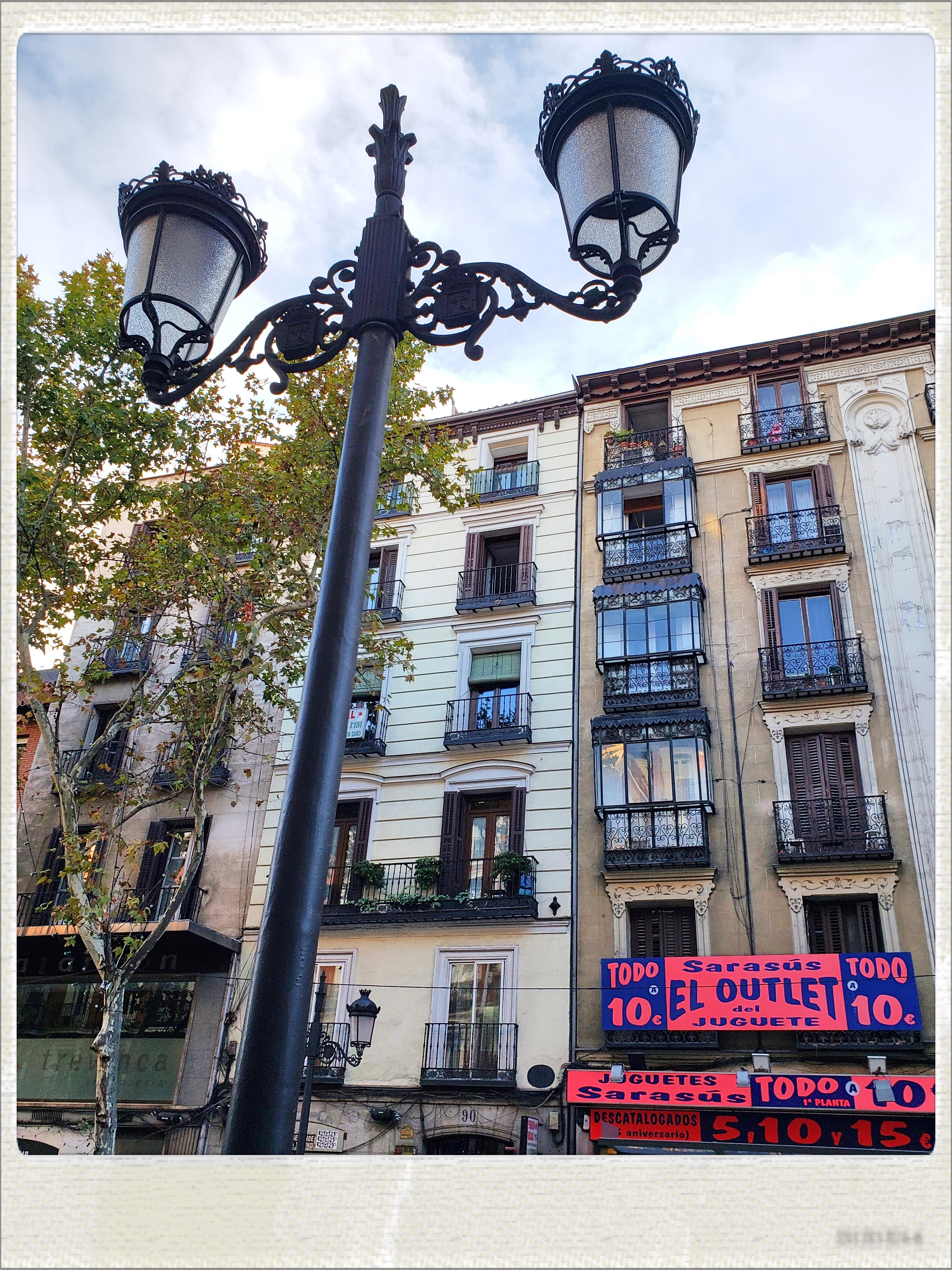
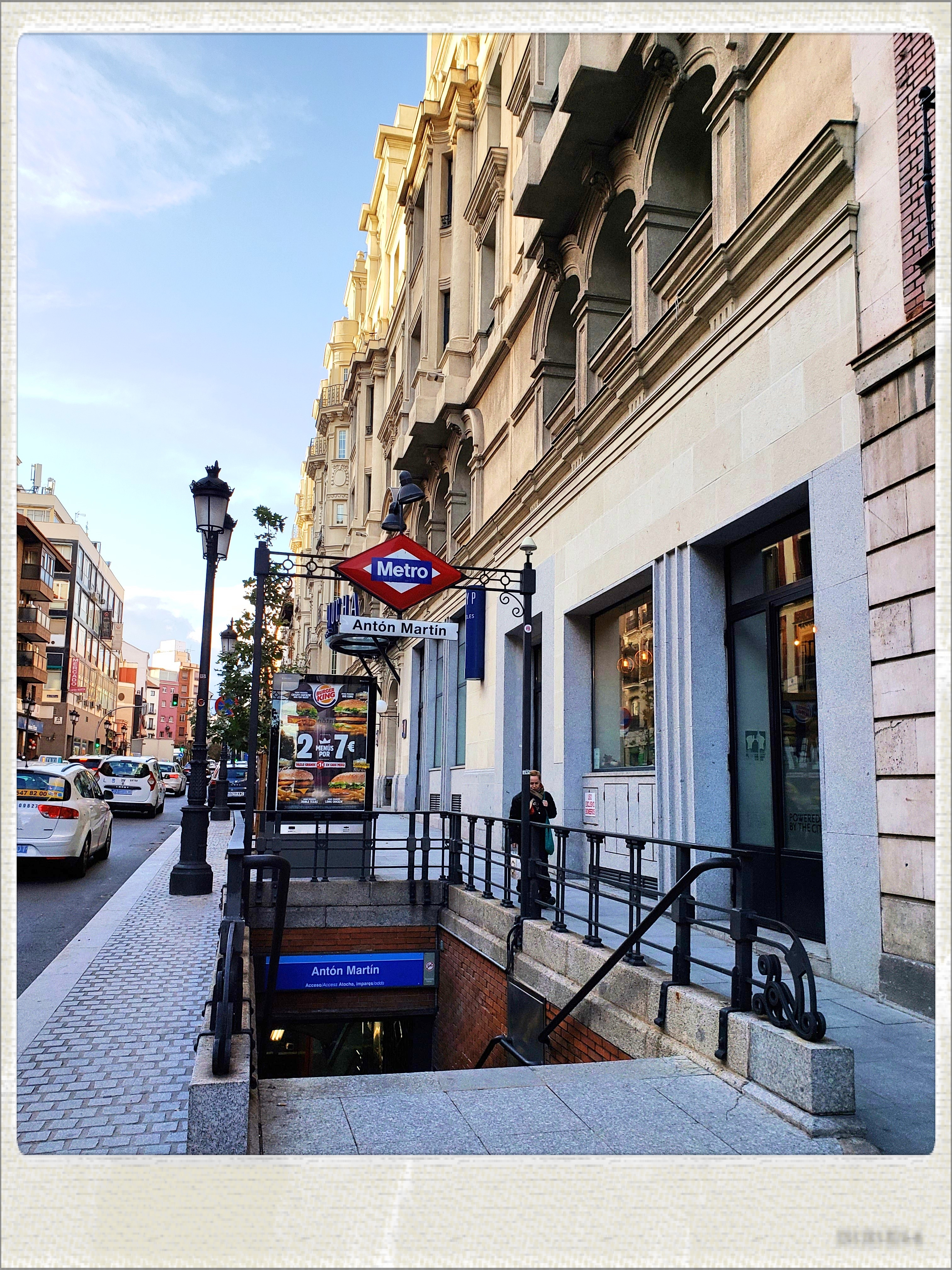
After alighting at the metro station to the north of Atocha Station, the major railway station in Madrid, I started meandering along the Calle de Atocha. The tree-lined gently sloped street was completely watched over on both sides by the 5-story buildings ornamented uniformly by wrought iron balconies.
Plaza de Santa Anna
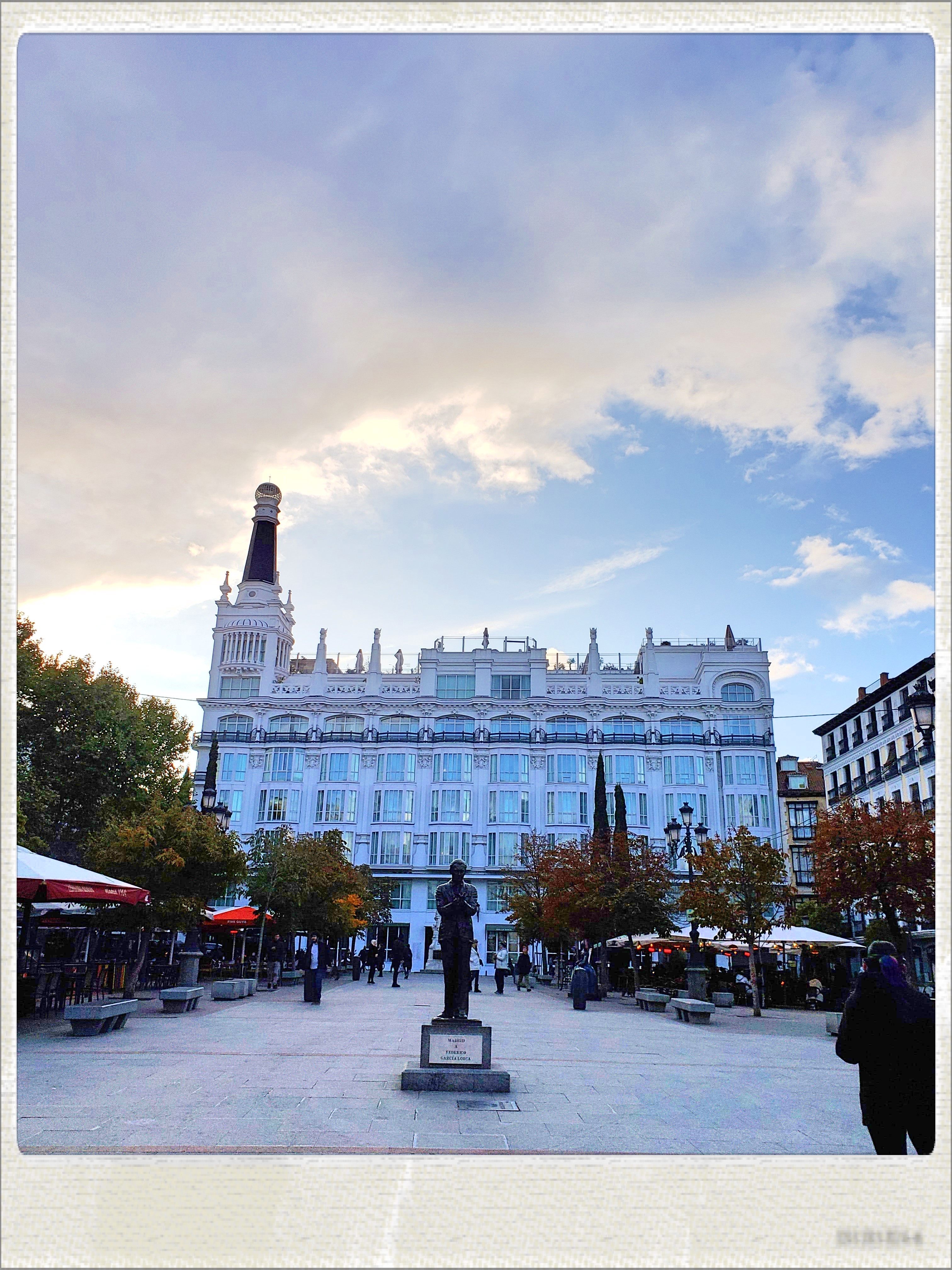
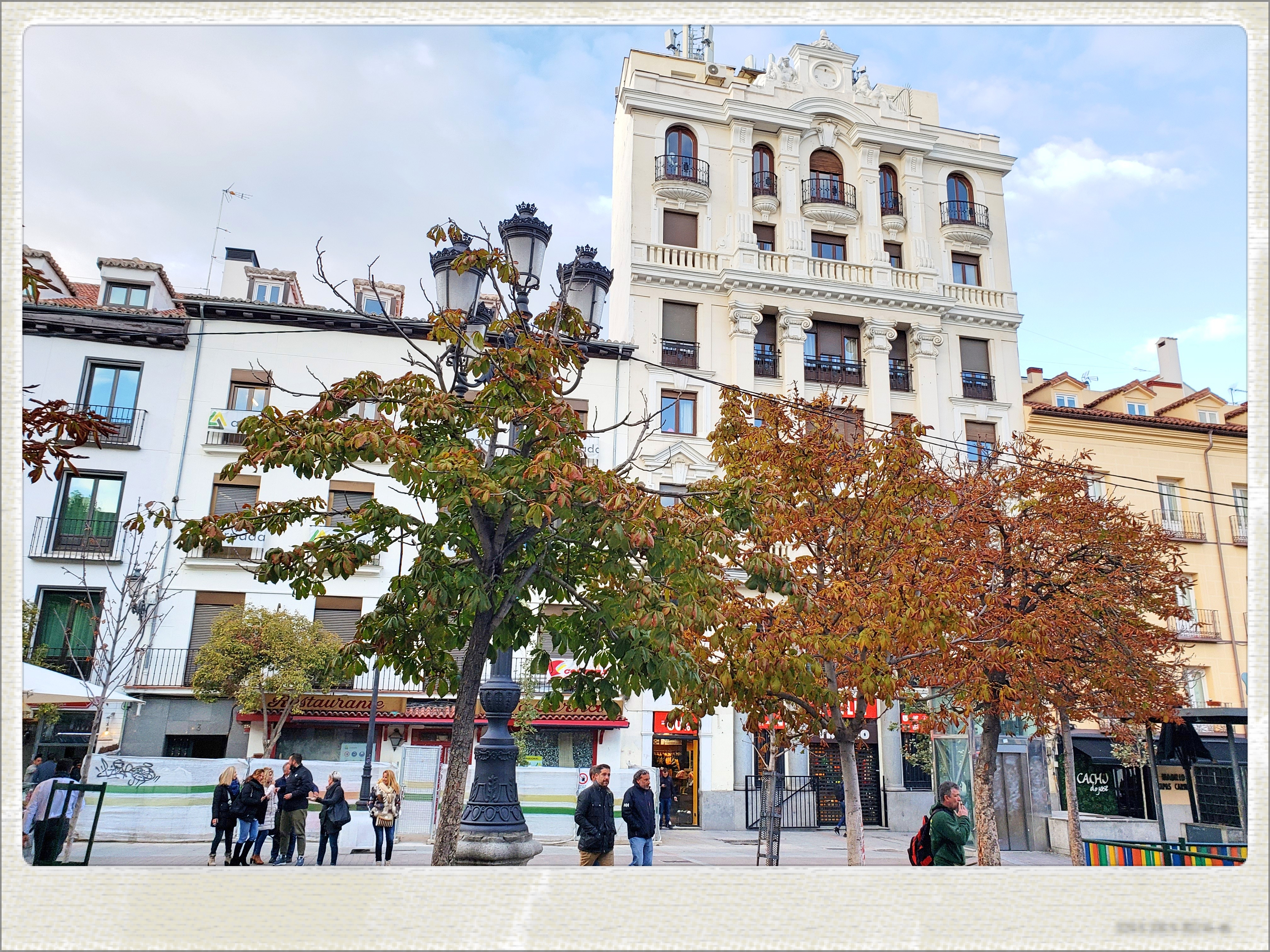
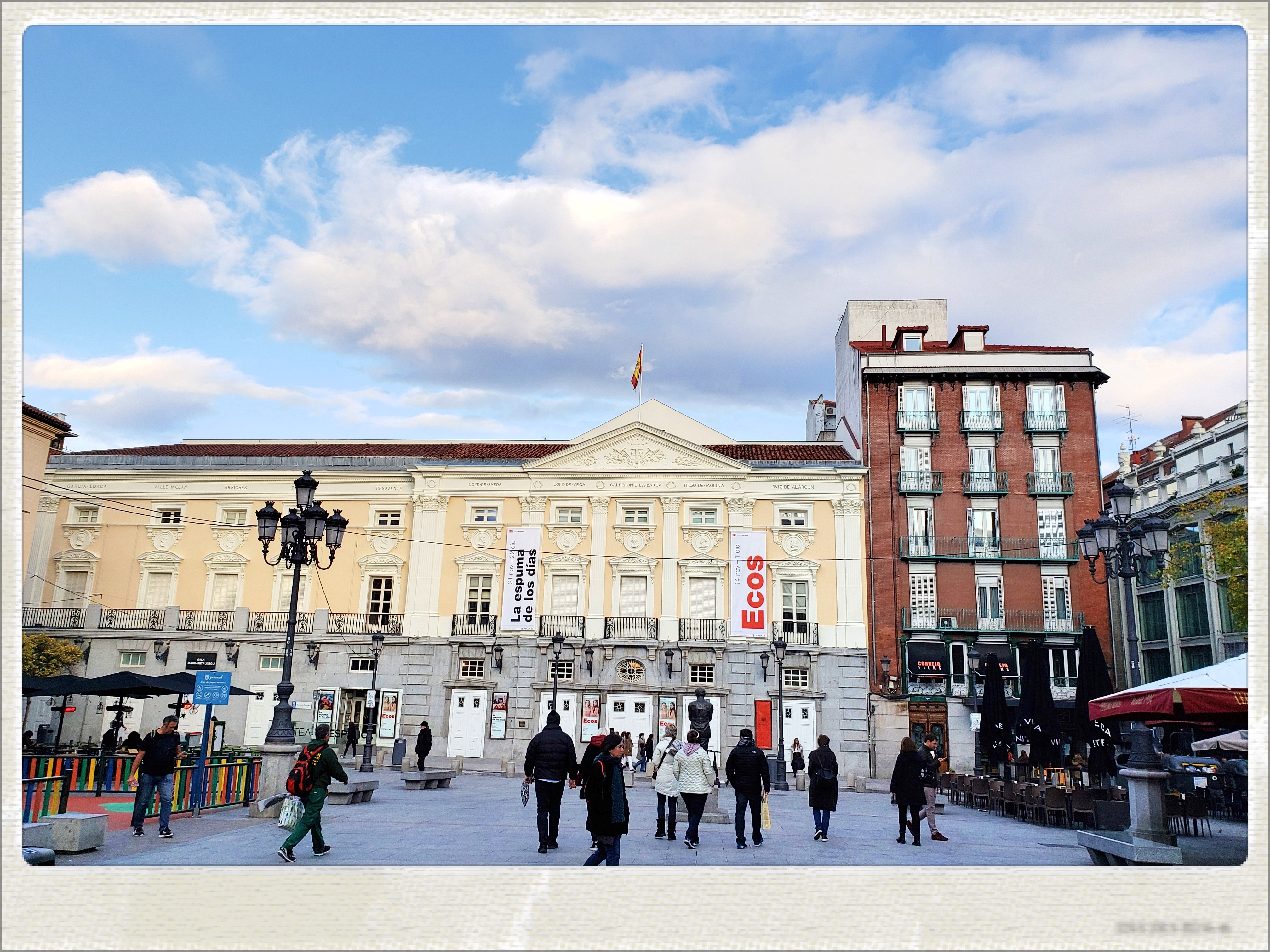
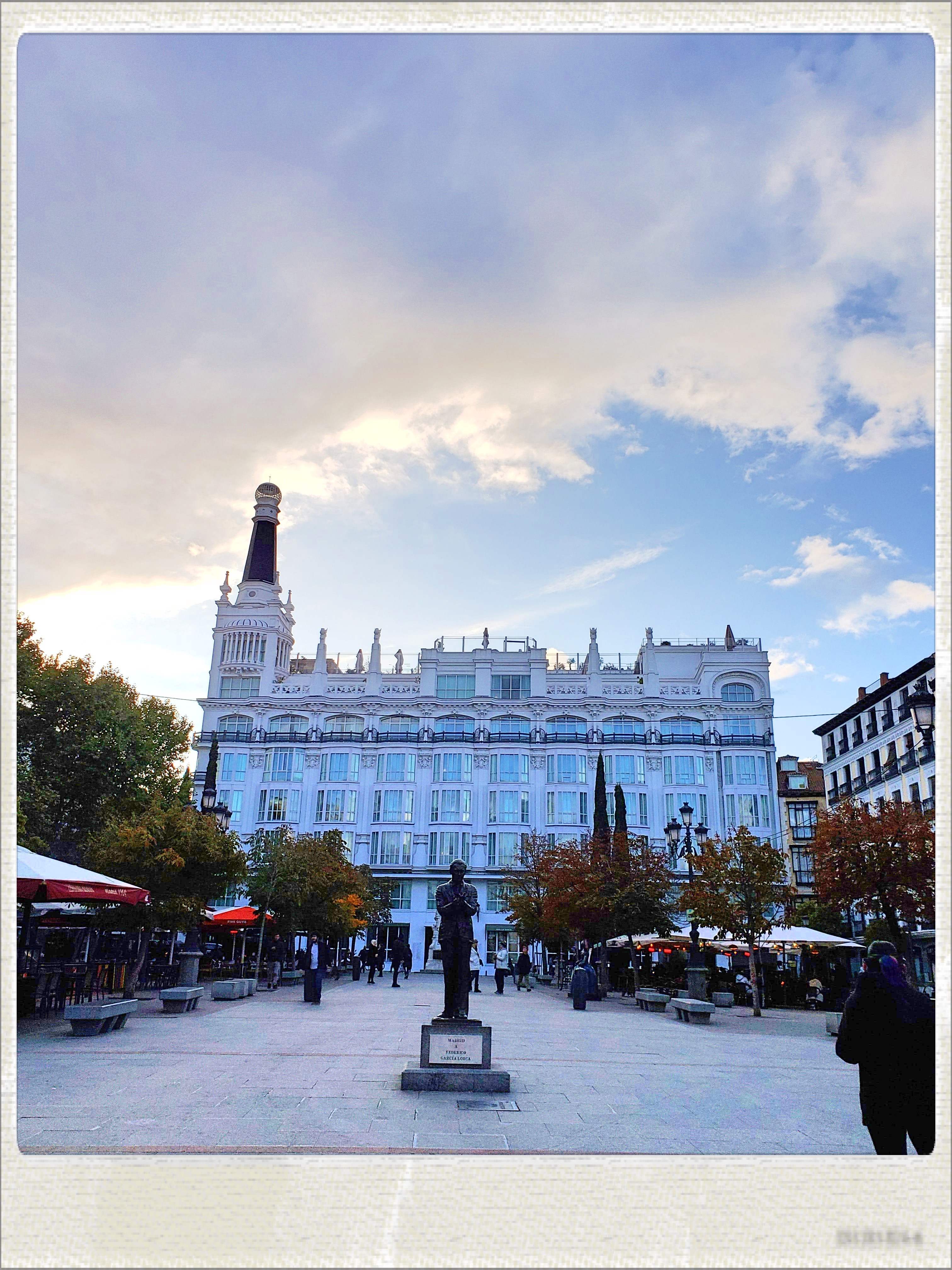
Characterized by the ME Madrid Reina Victoria Hotel and Español Theatres, Plaza de Santa Anna was a serene traffic free plaza on the northern flank of Calle de Atocha.
Alcalá Gate (Puerta de Alcalá)
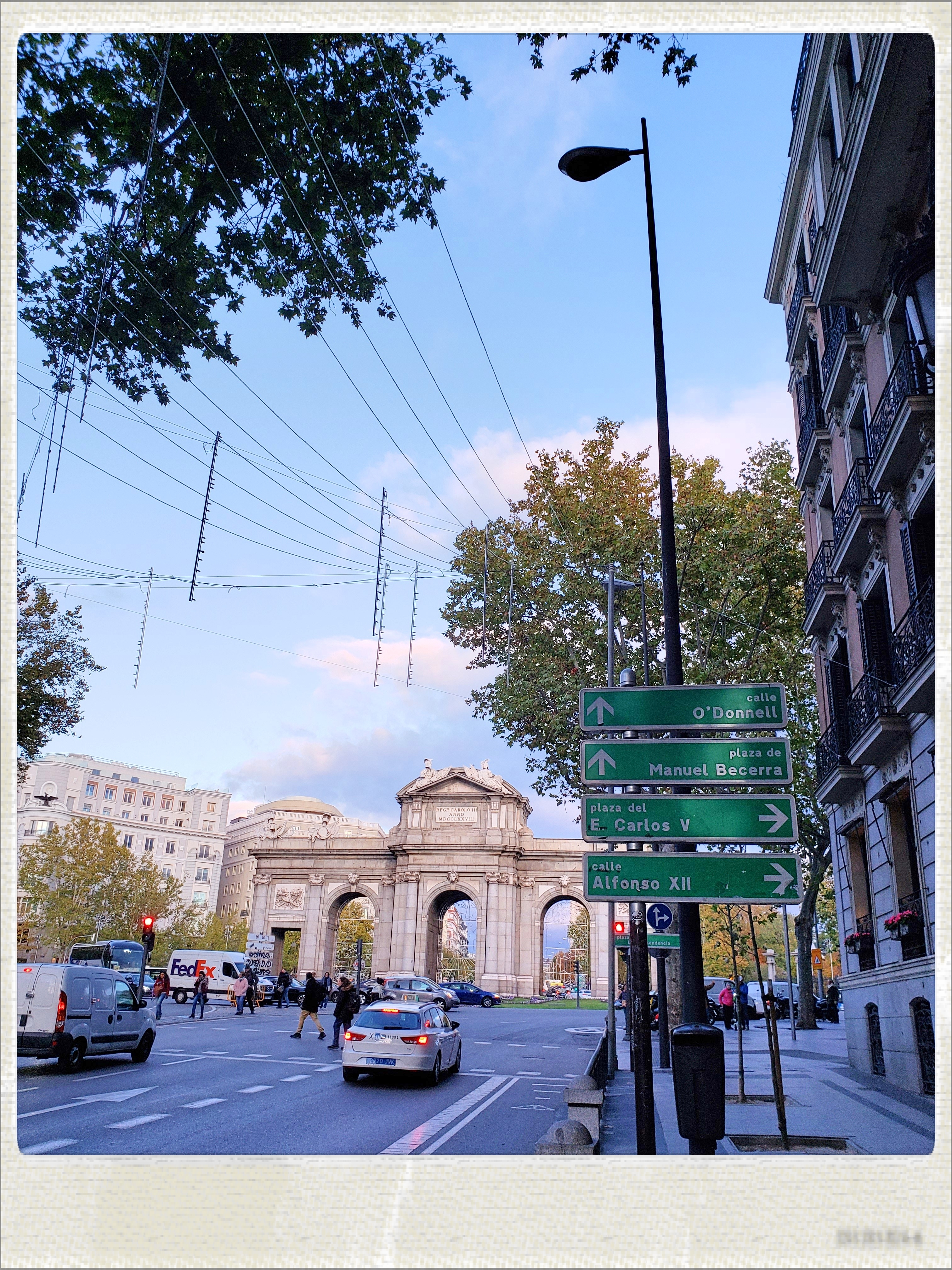
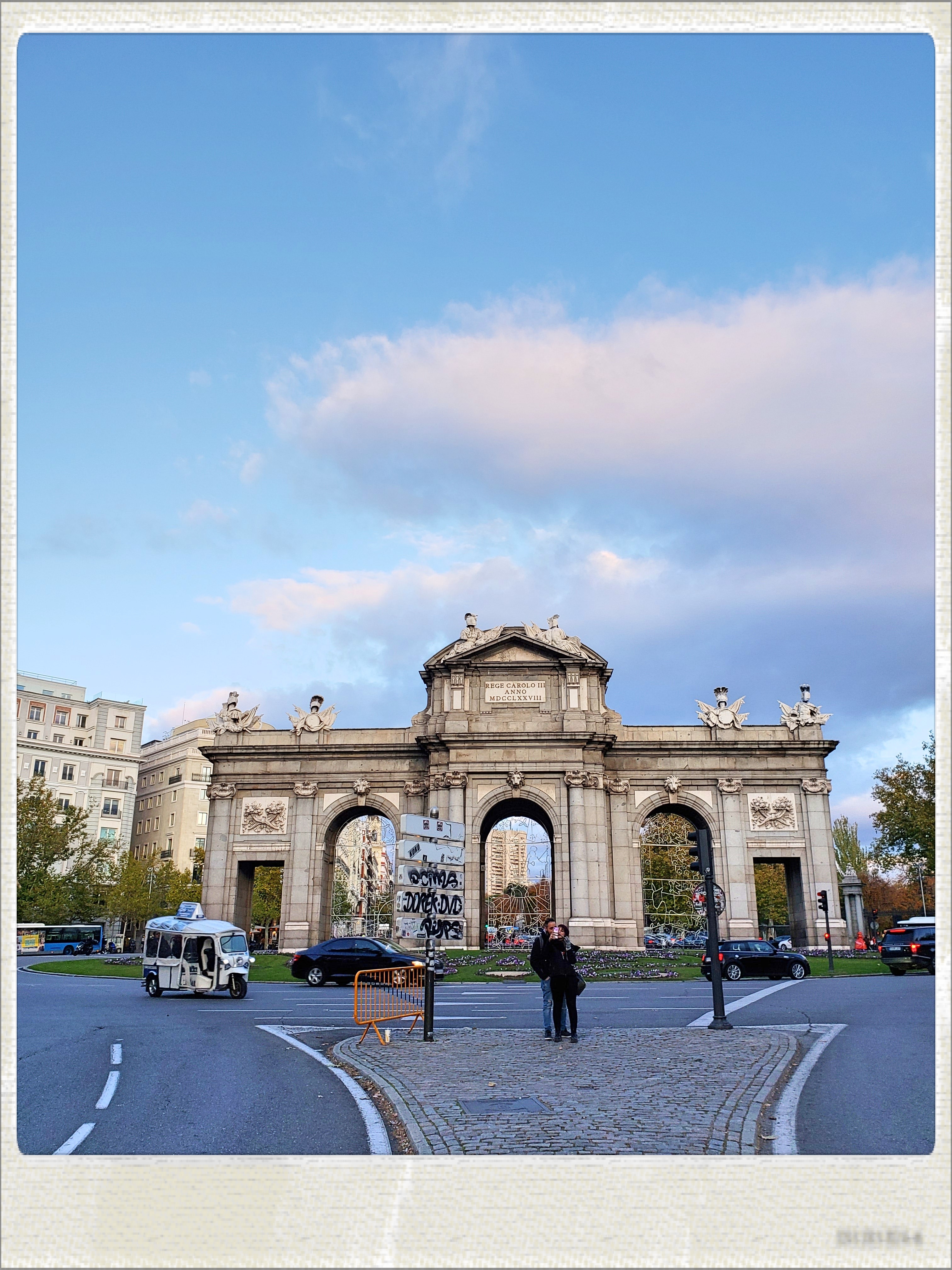
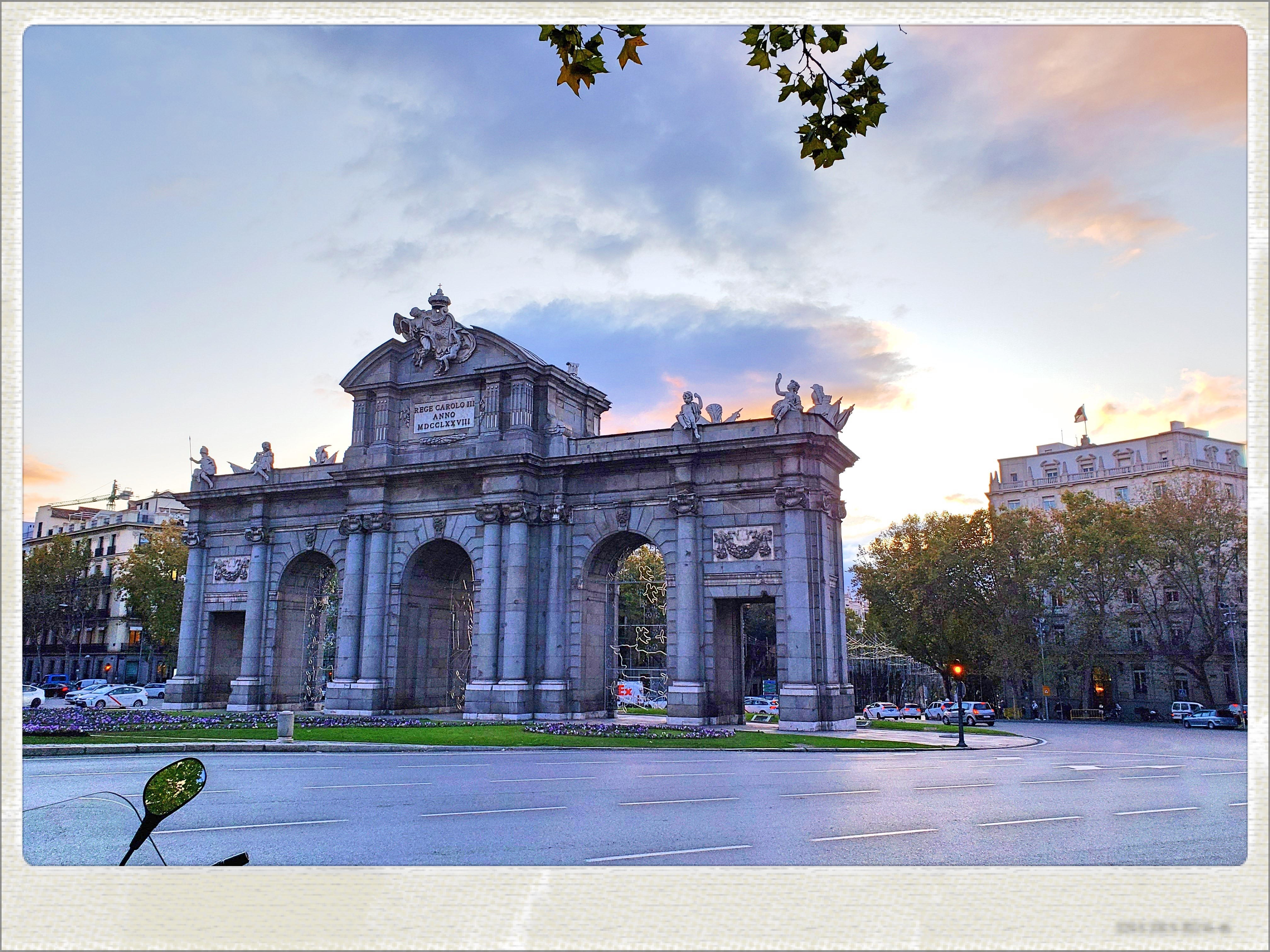
On my way back to the hotel, I came upon the final monument of the day, Alcalá Gate which is regarded as the first modern post-modern triumphal arch built in Europe, older than the similar monuments Arc de Triomphe in Paris and Brandenburg Gate in Berlin.
 My Travel Journal TWO