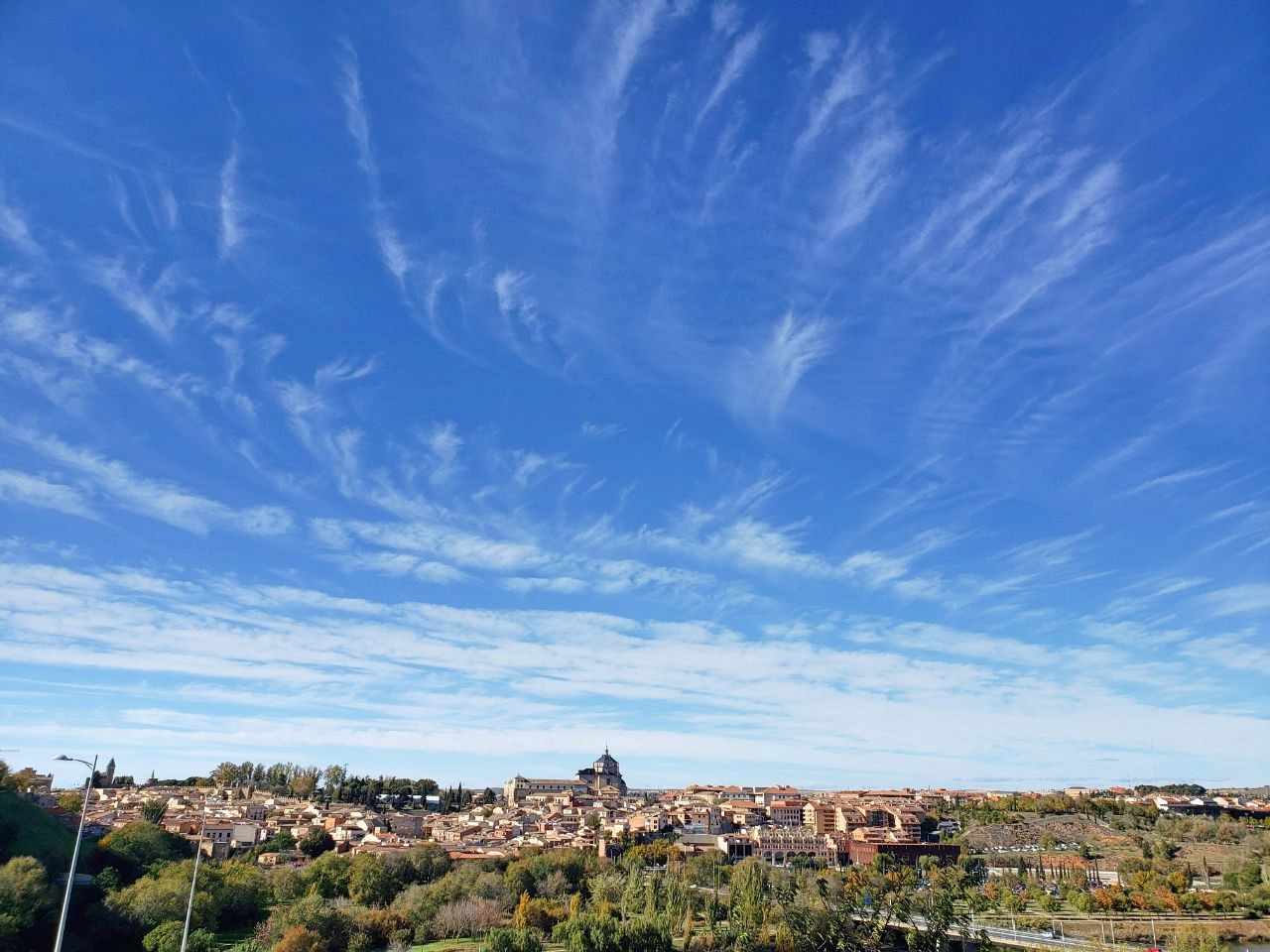
Swissôtel Al Ghurair
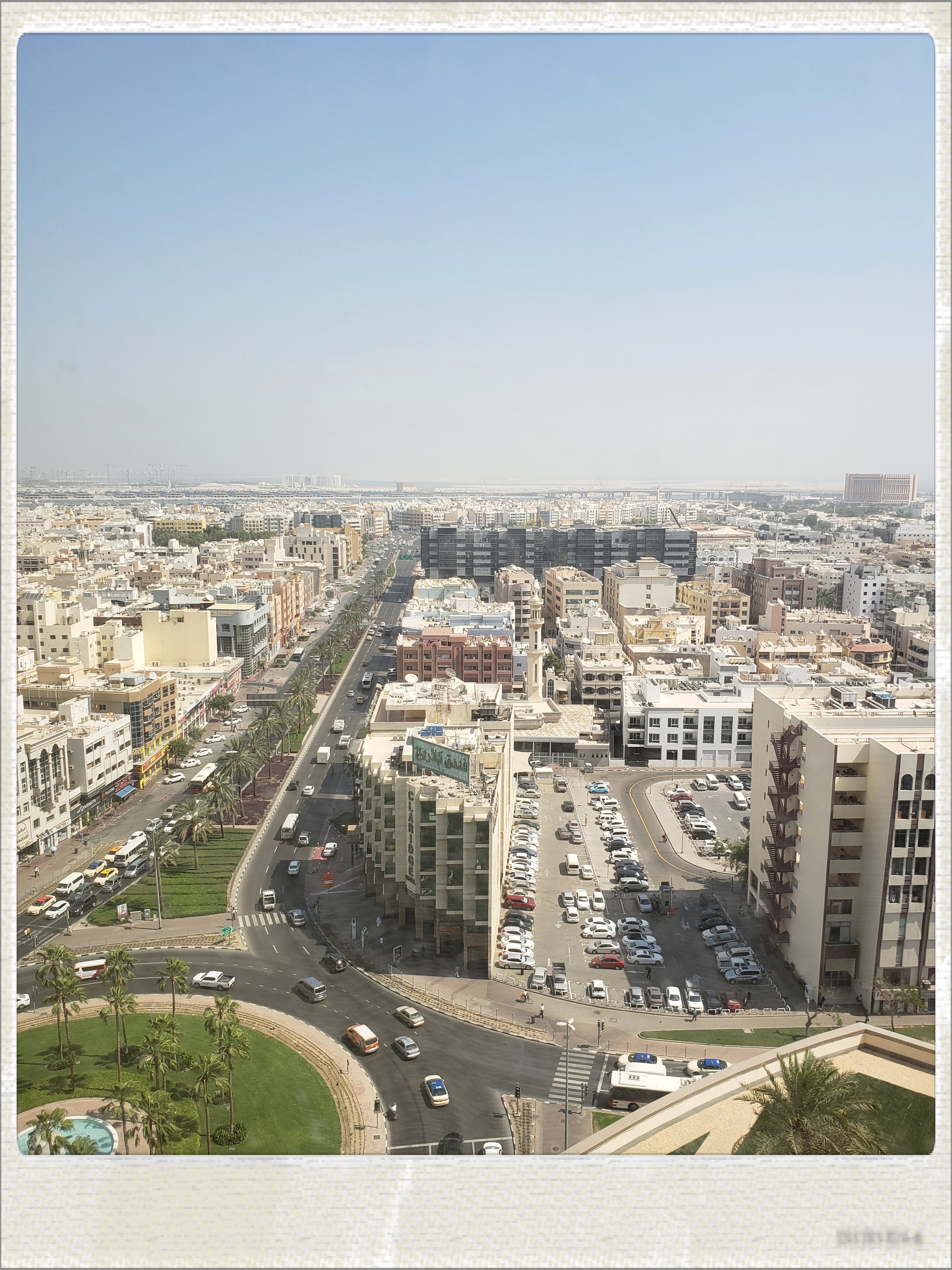
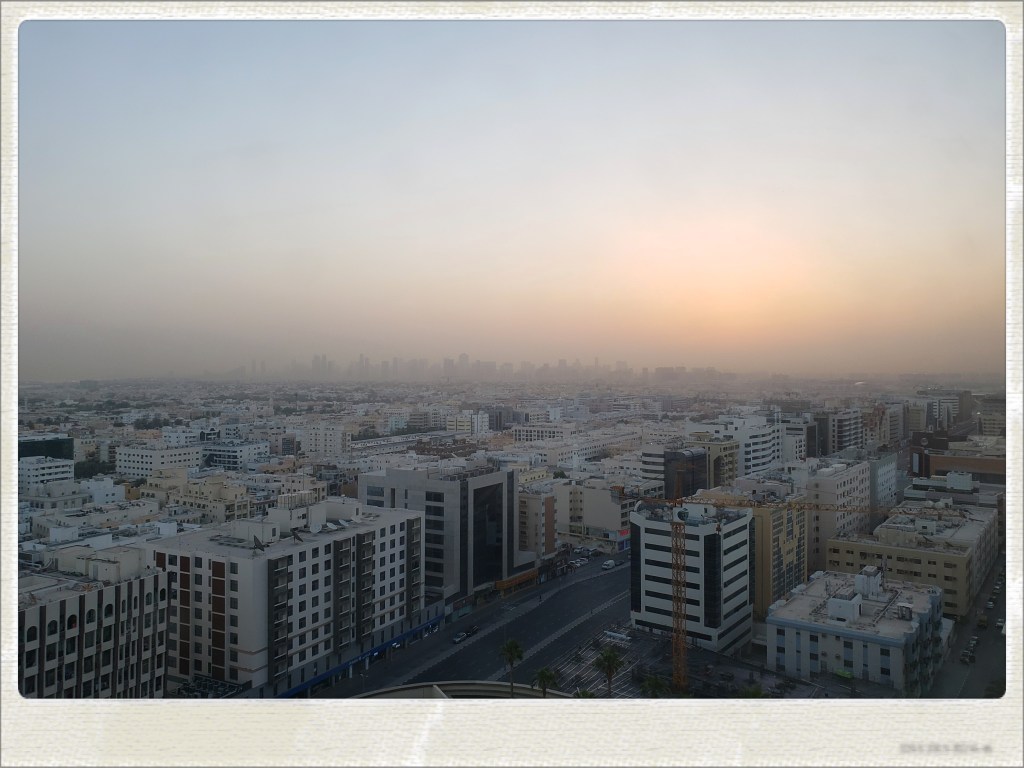
Thankfully, overlooking the the nearby traditional neighbourhood, not only did the lavish hotel room offer a magnificent view of a lowrise-flanked thoroughfare but also a vsat expense of a cloudless sky. Compared to the translucent azure skies that I came across in many European cities, the hazy, dusty white skies in Dubai were really impressive and unique. Is it something to do with the deserts?
Al Ghurair Centre
Please forgive my ignorance! I hadn’t ever heard of Ramadan before I started to prepare for this trip.
When I’d realised that my trip would be in the amidst of Ramadan, and during which most of the restaurants would be closed, eating and drinking would also not be allowed in public in the daytime, worries and uncertainties started to weigh on me.
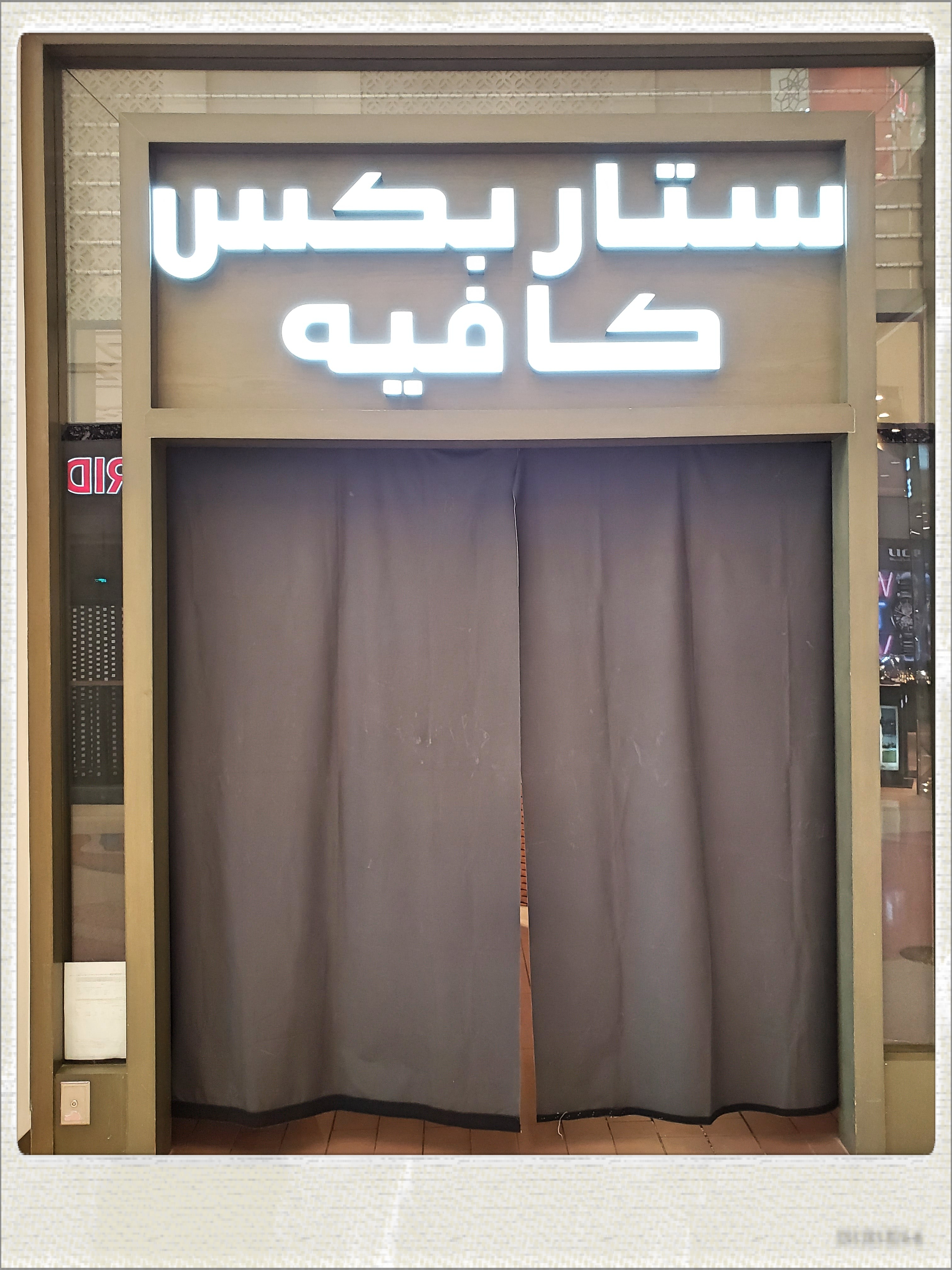
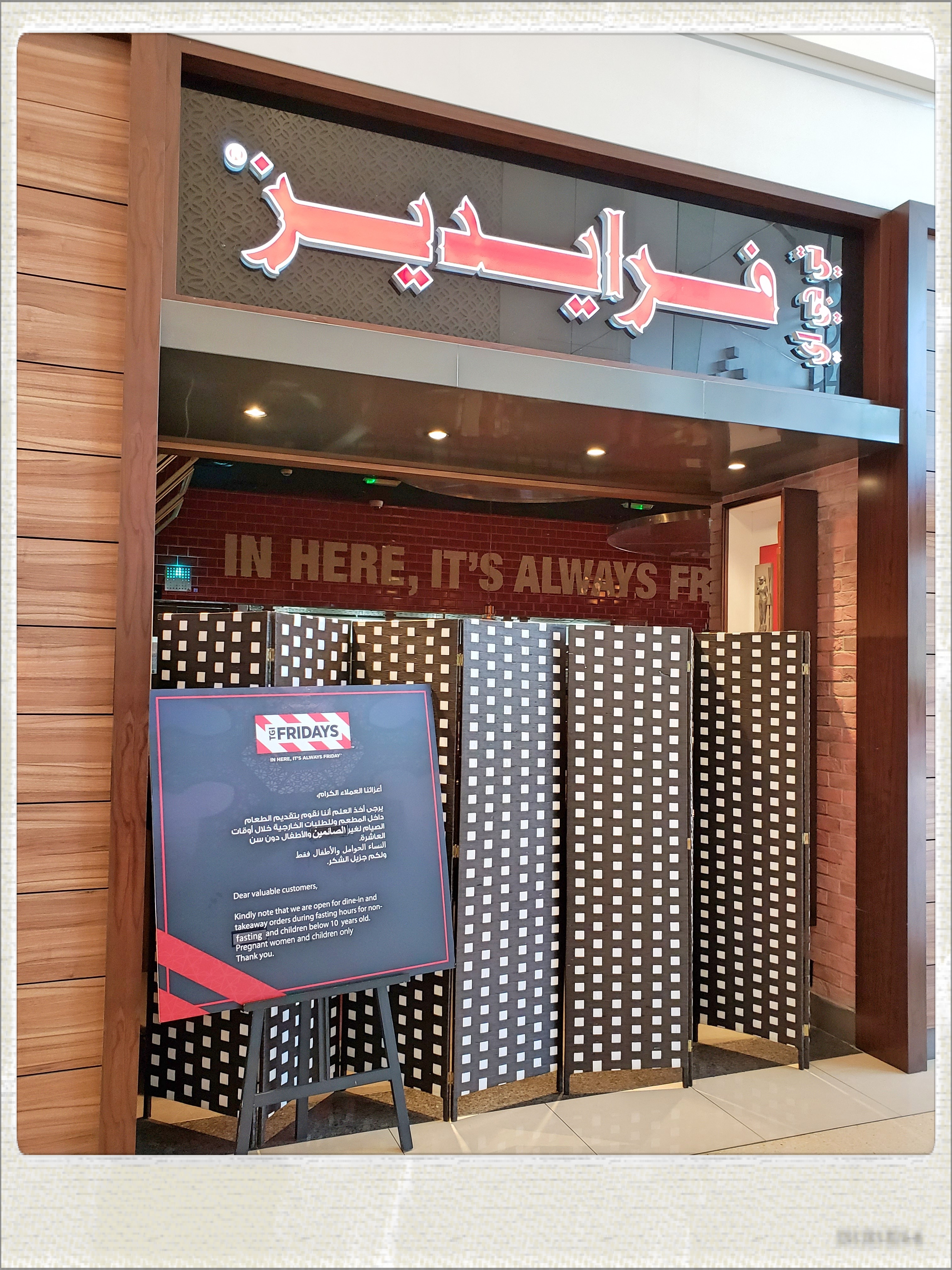
It was lunch time when I realized that most of the restaurants were closed in the mall right under the hotel I stayed.
For those which were business as usual, the restaurants were concealed with curtains or partitions from the view of passers-by. And they were open for dine-in for non-fasting customers, pregnant mothers and children below 10.
Union Square Metro Station
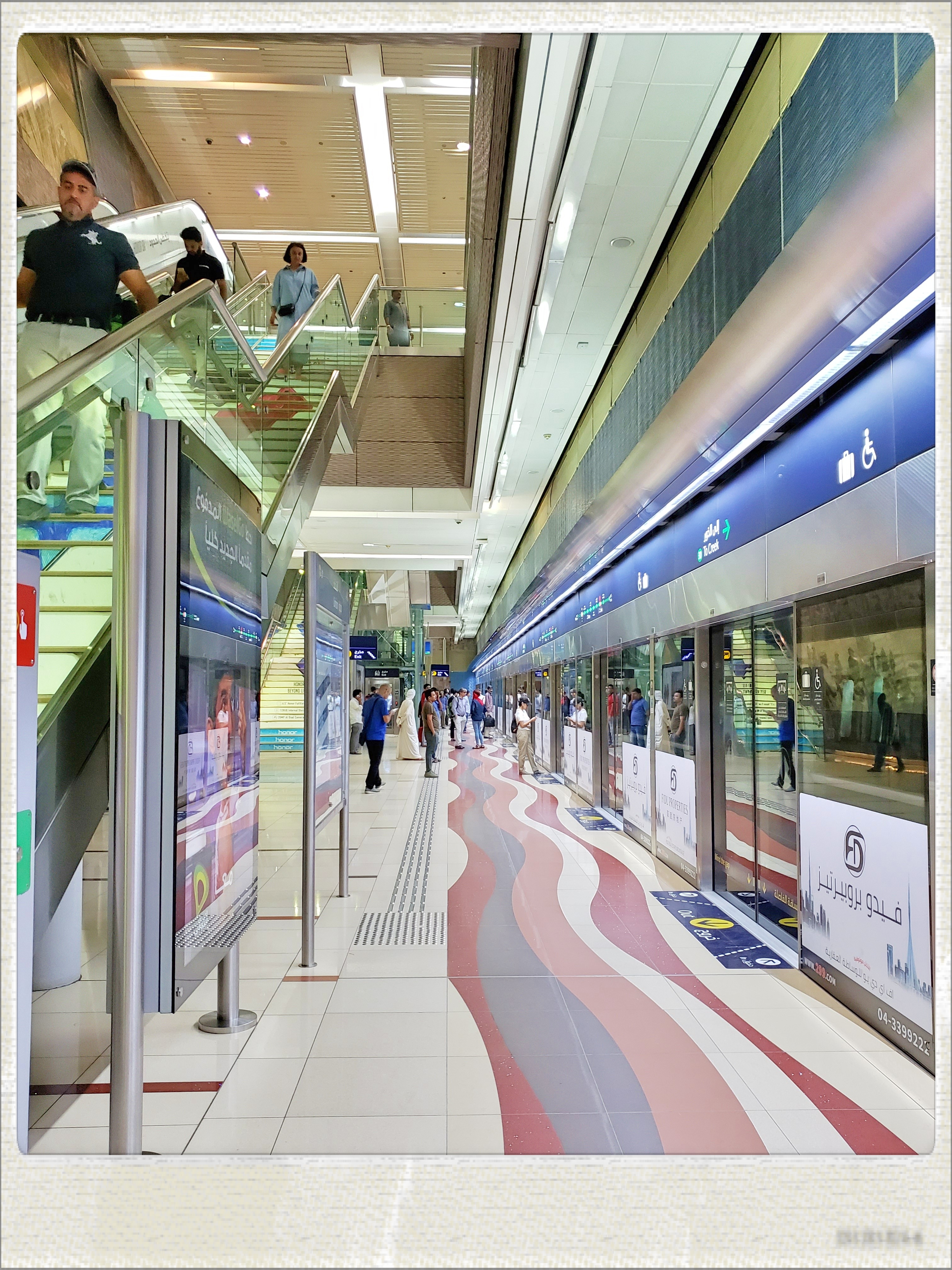
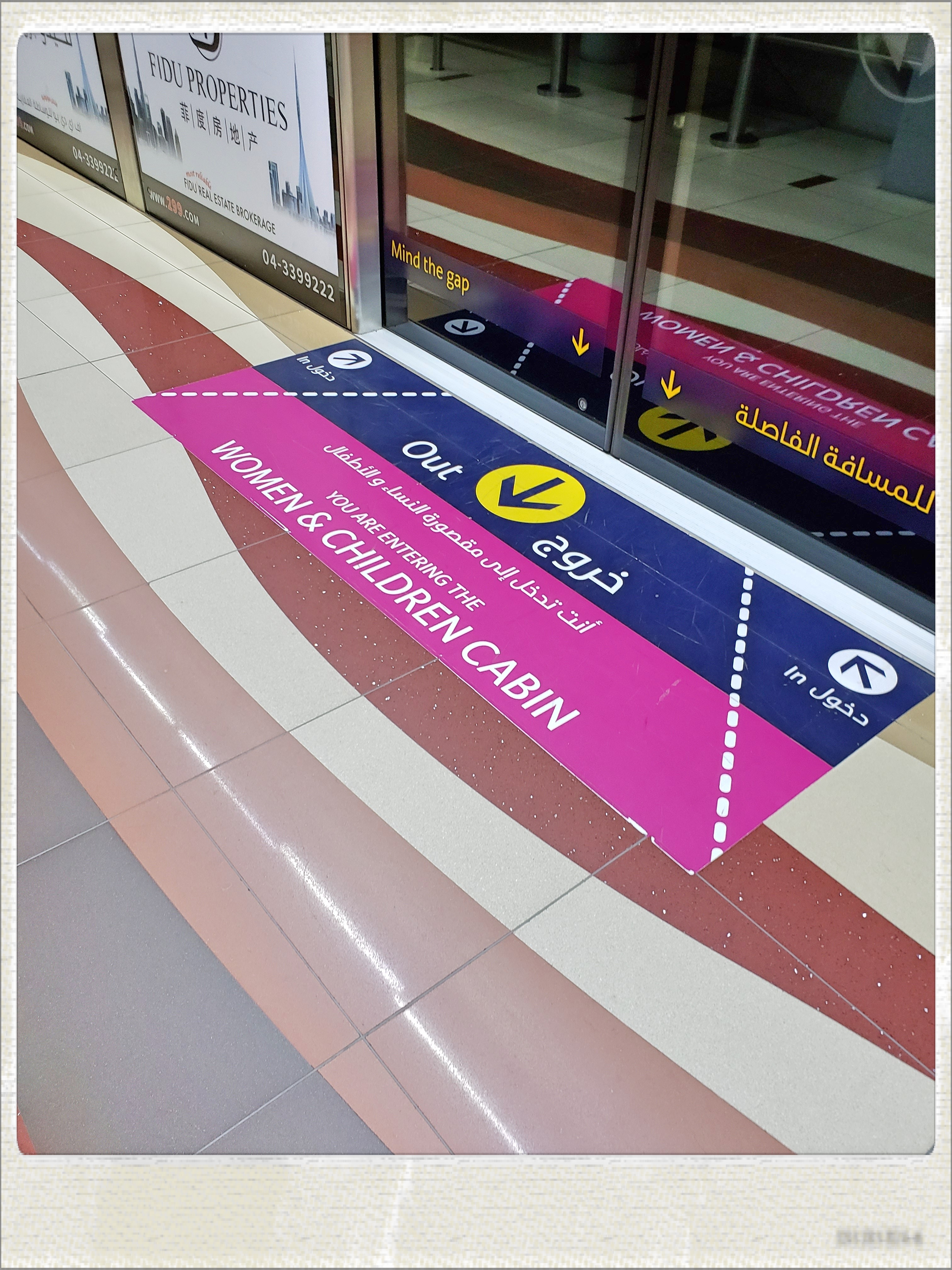
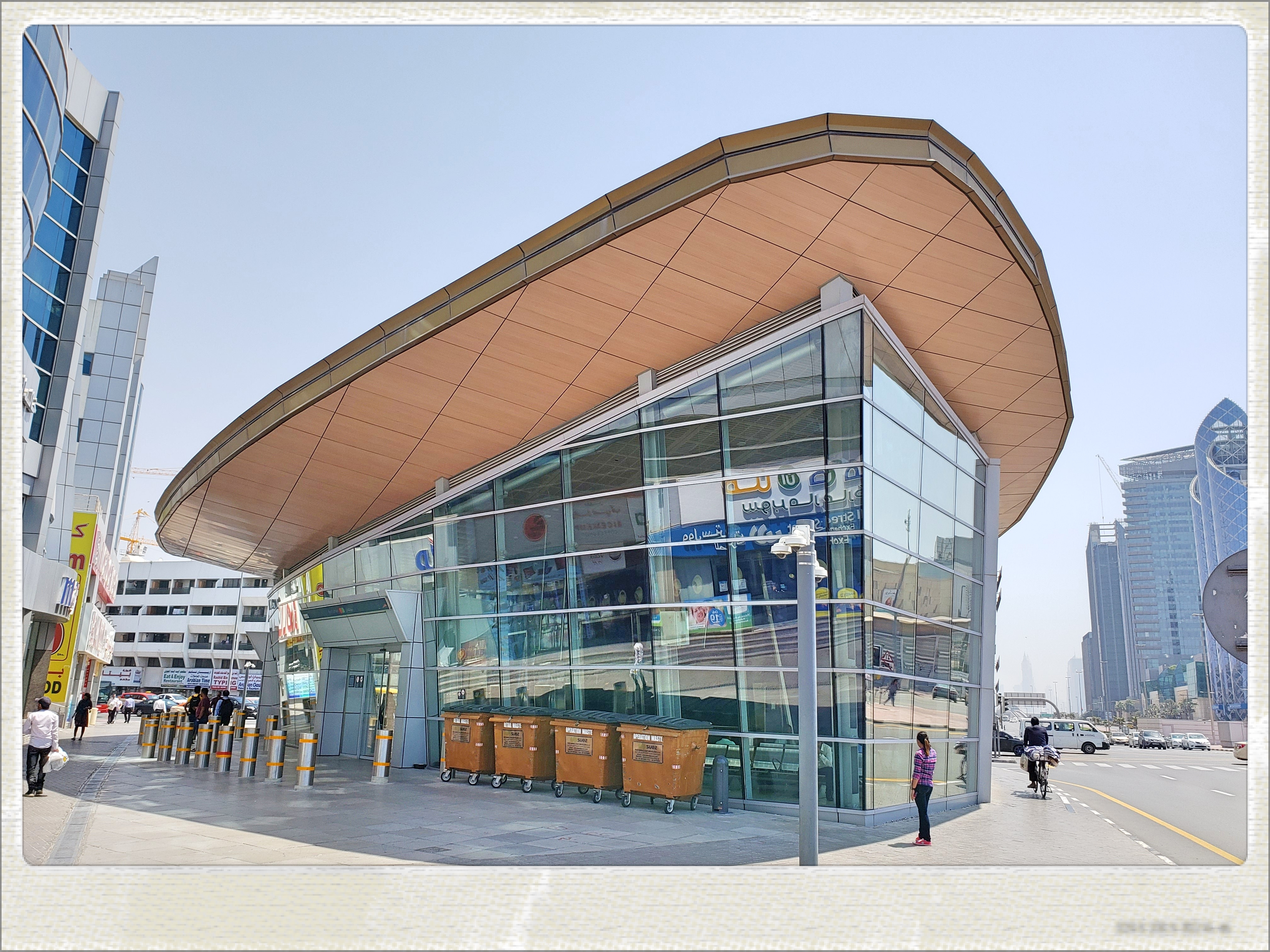
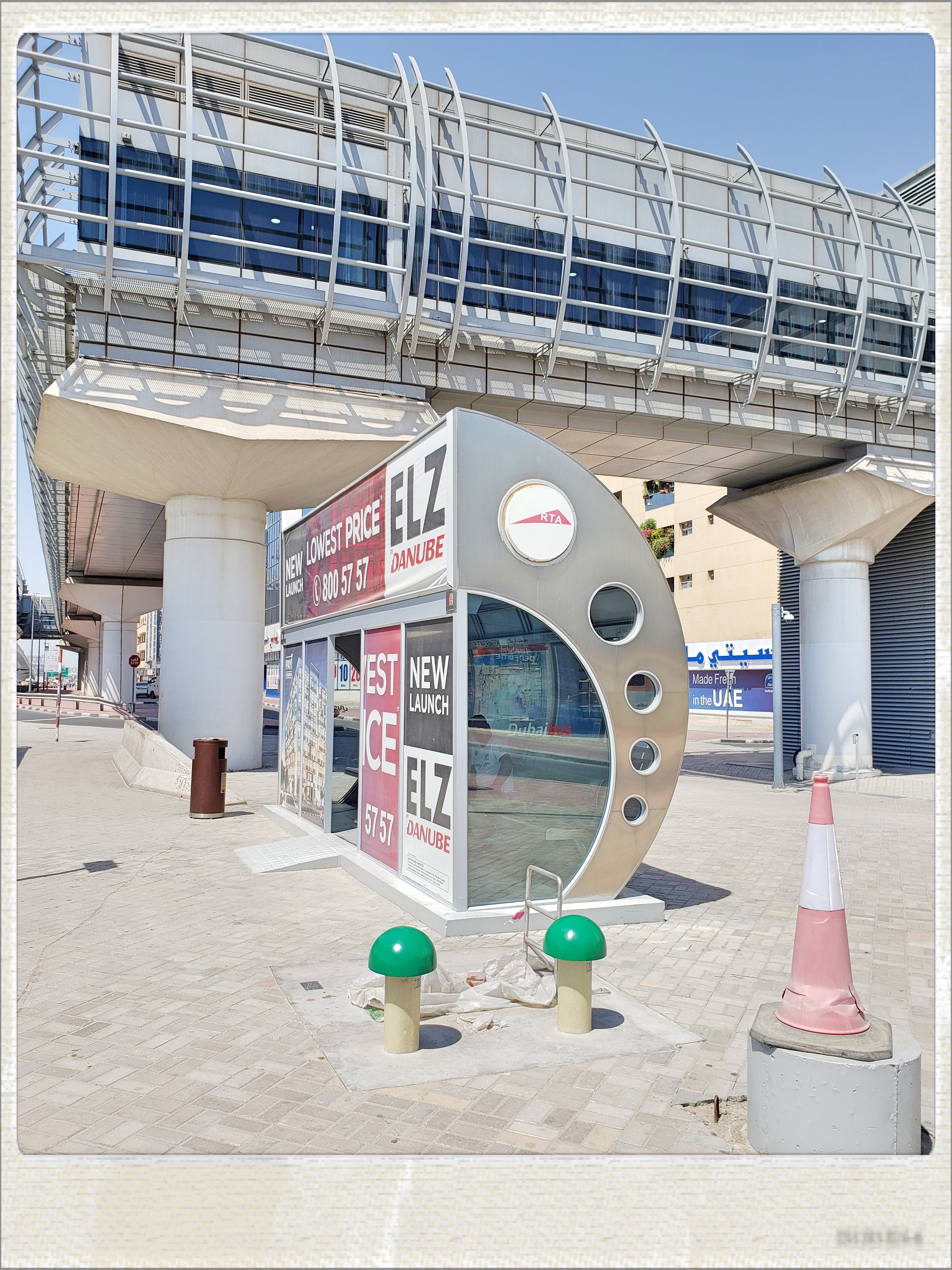
Open to the public in 2009, the Dubai metro was a very young and modern system with 2 lines in operation, which was characterized by the uniformly streamlined-roofed glazed entrances, the Gold Class cabins and the designated cabins for women and children.
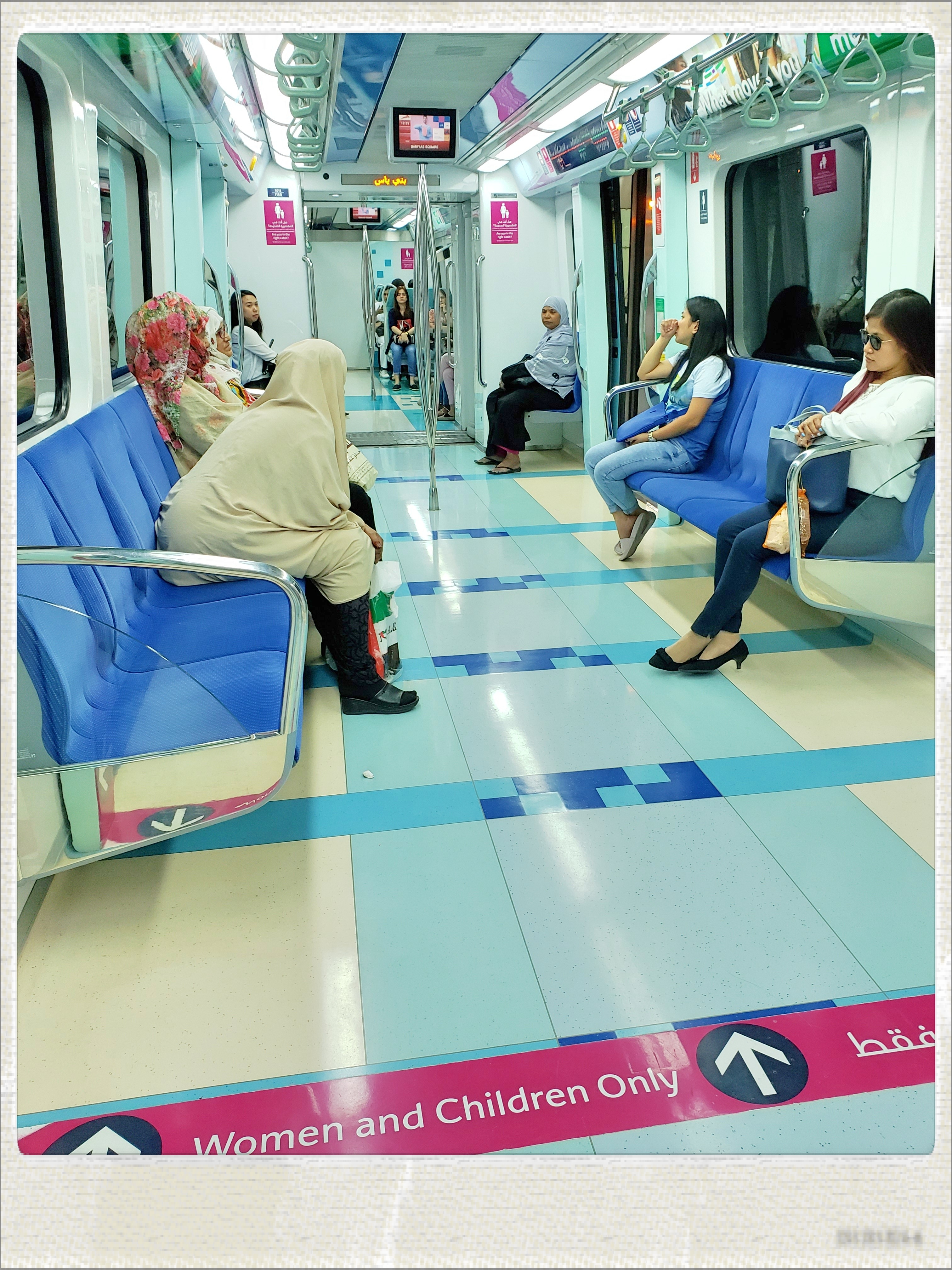
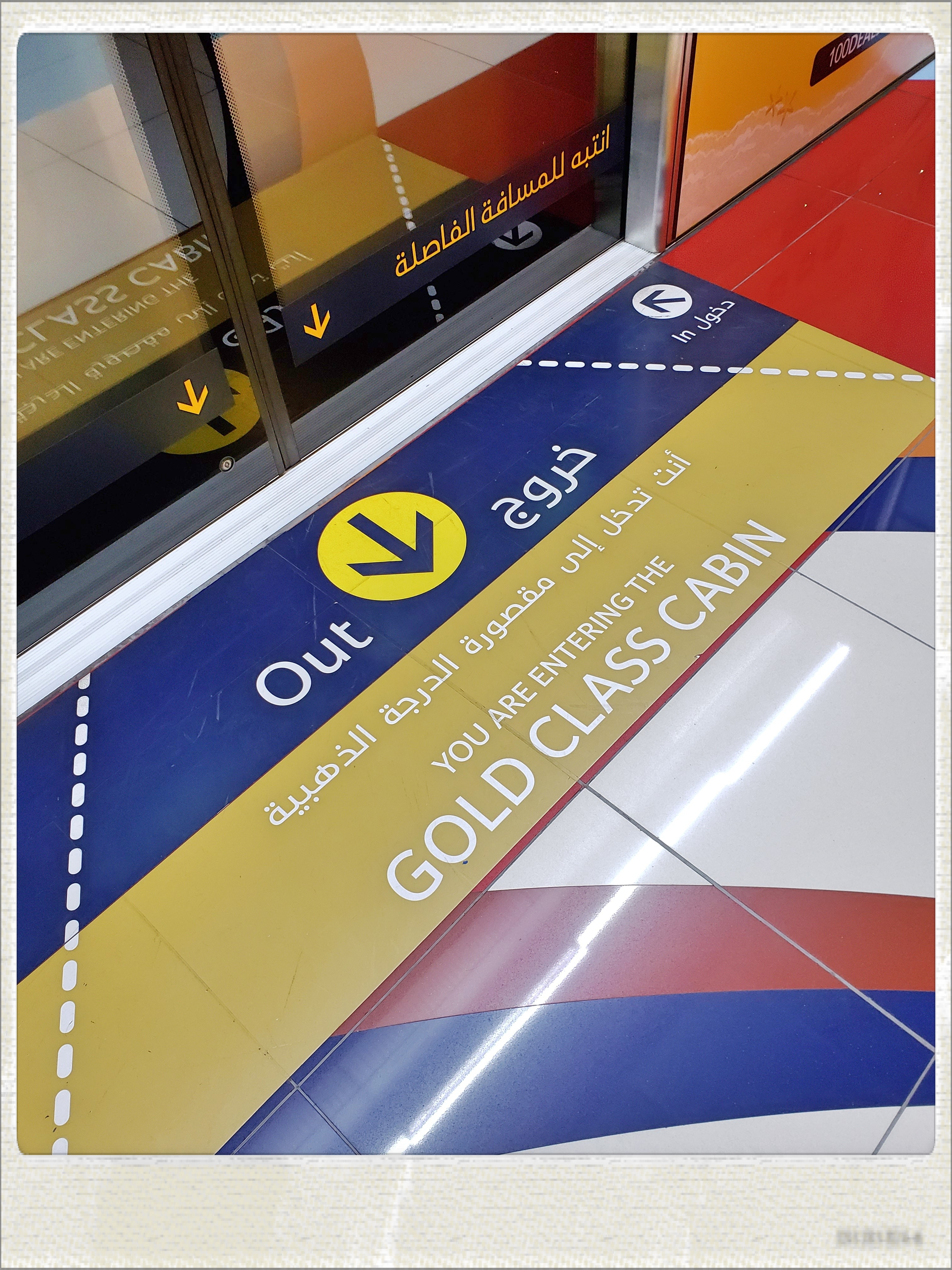
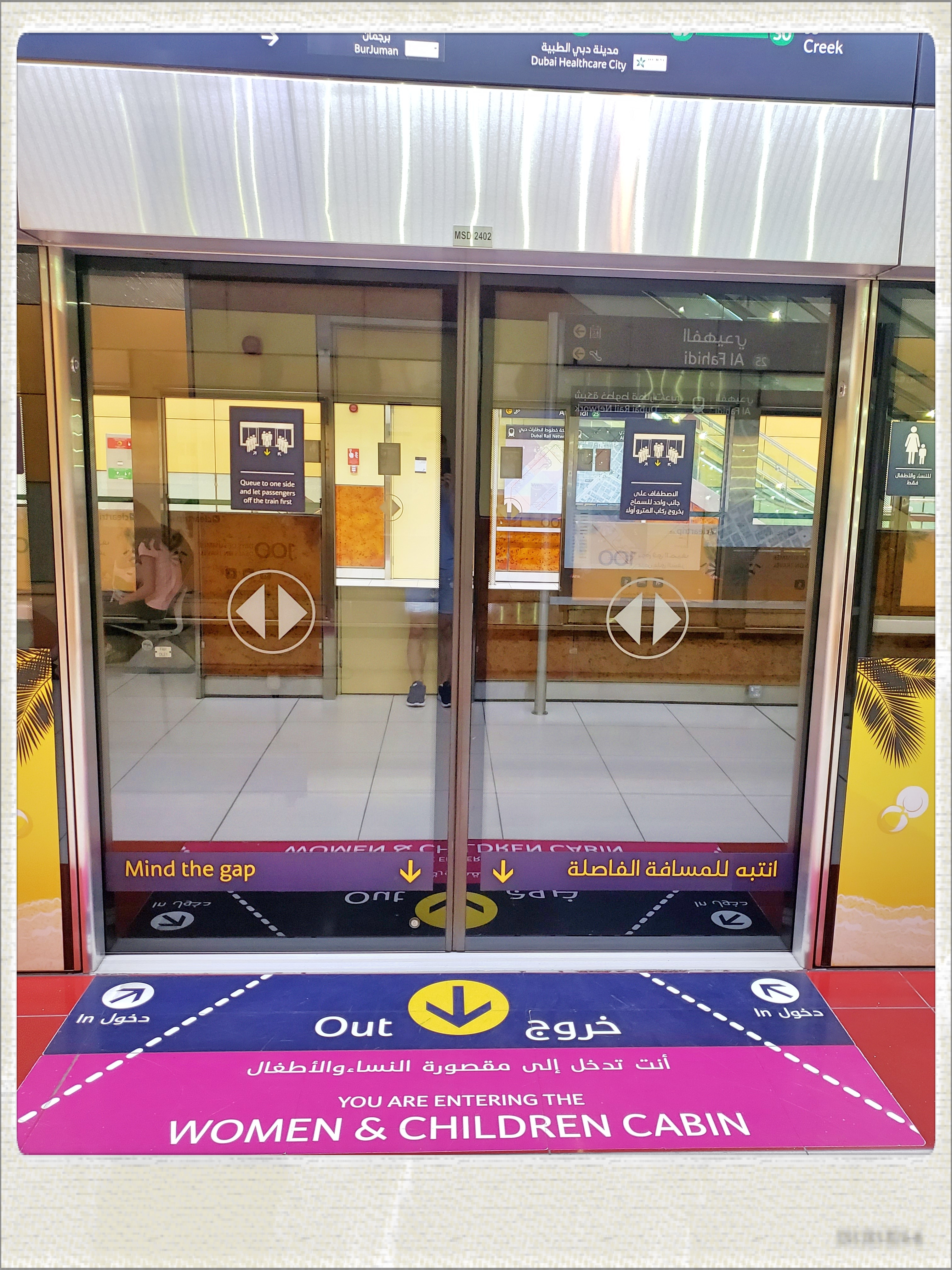
Al Satwa Road
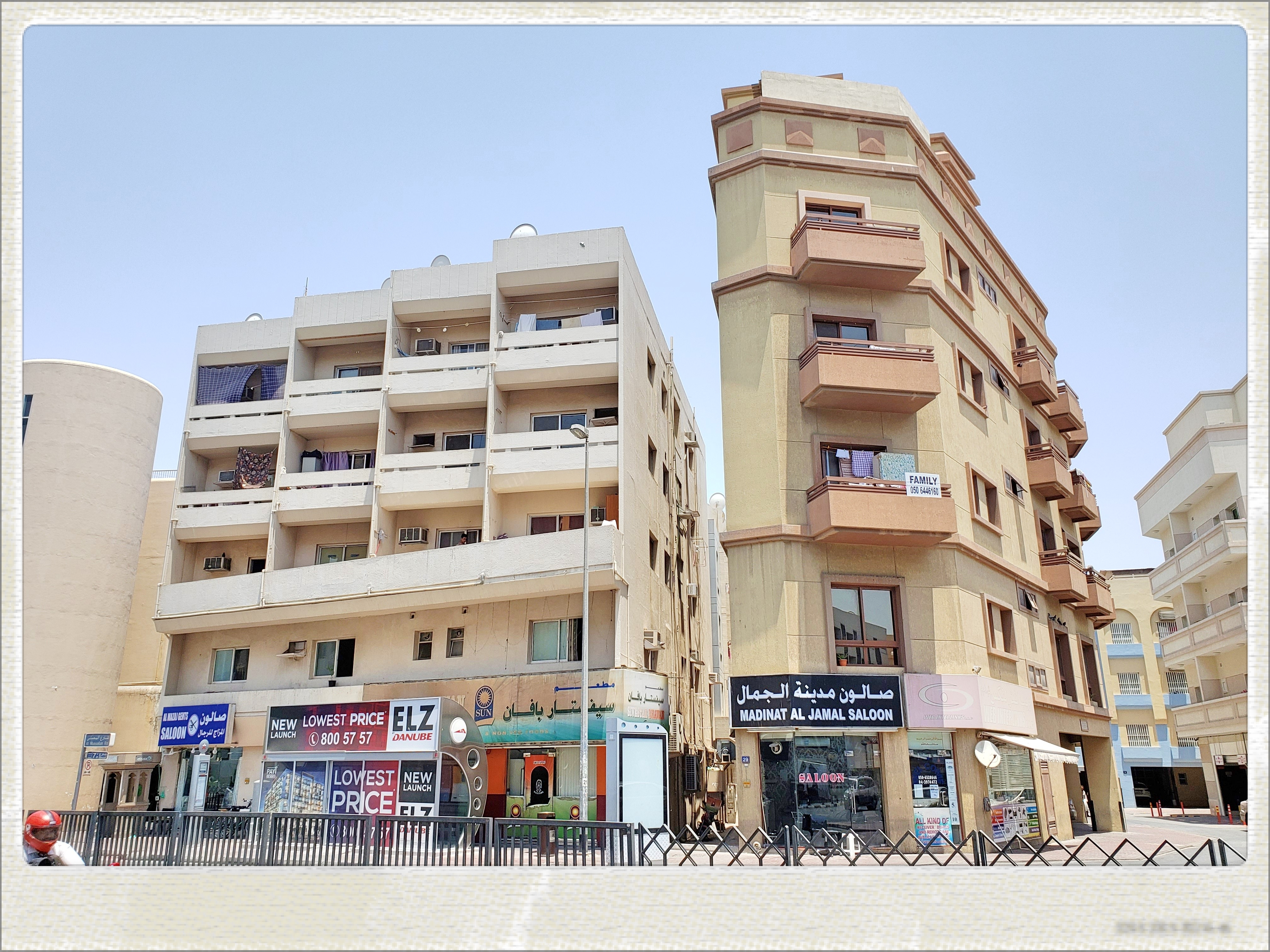
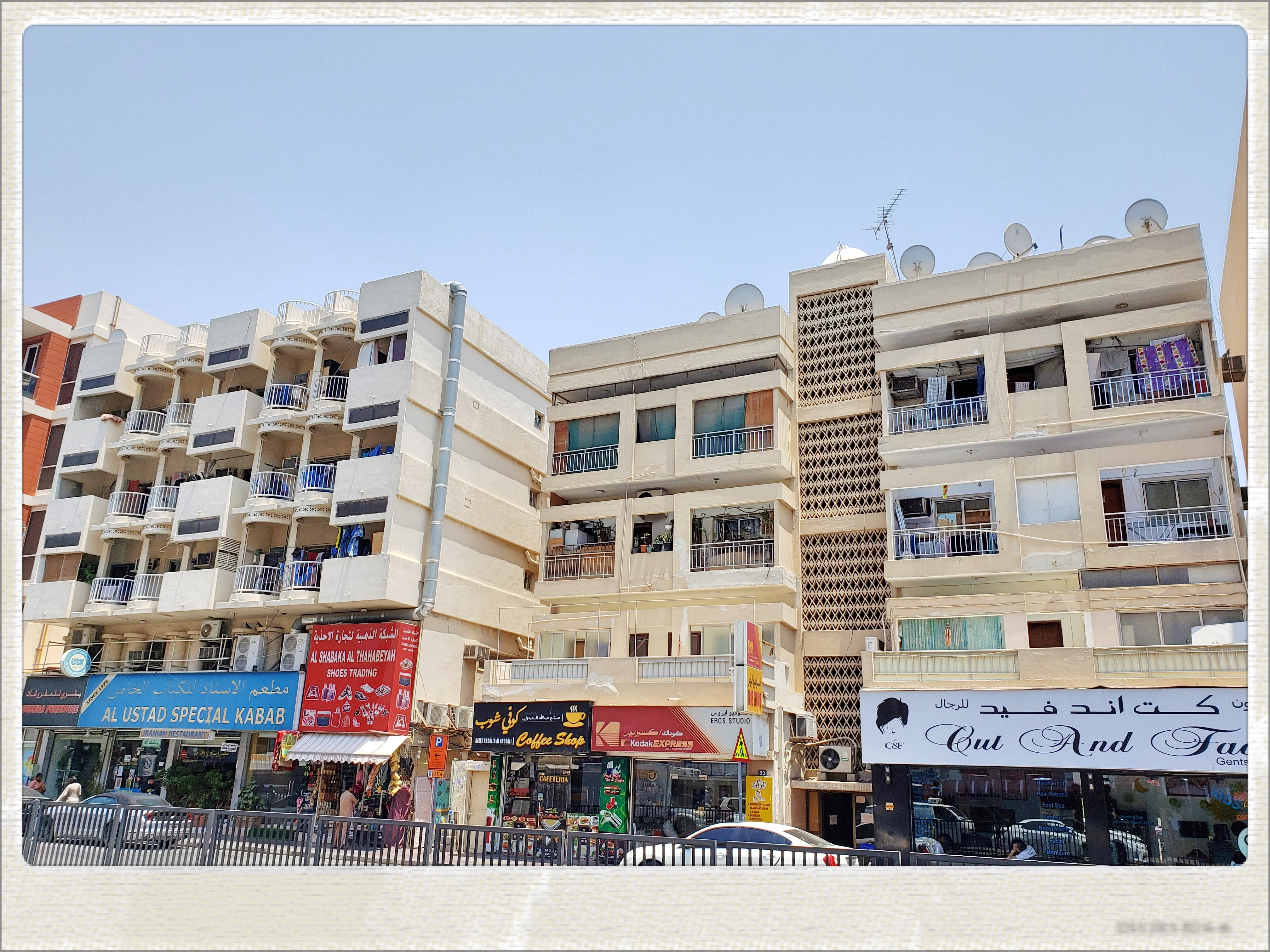
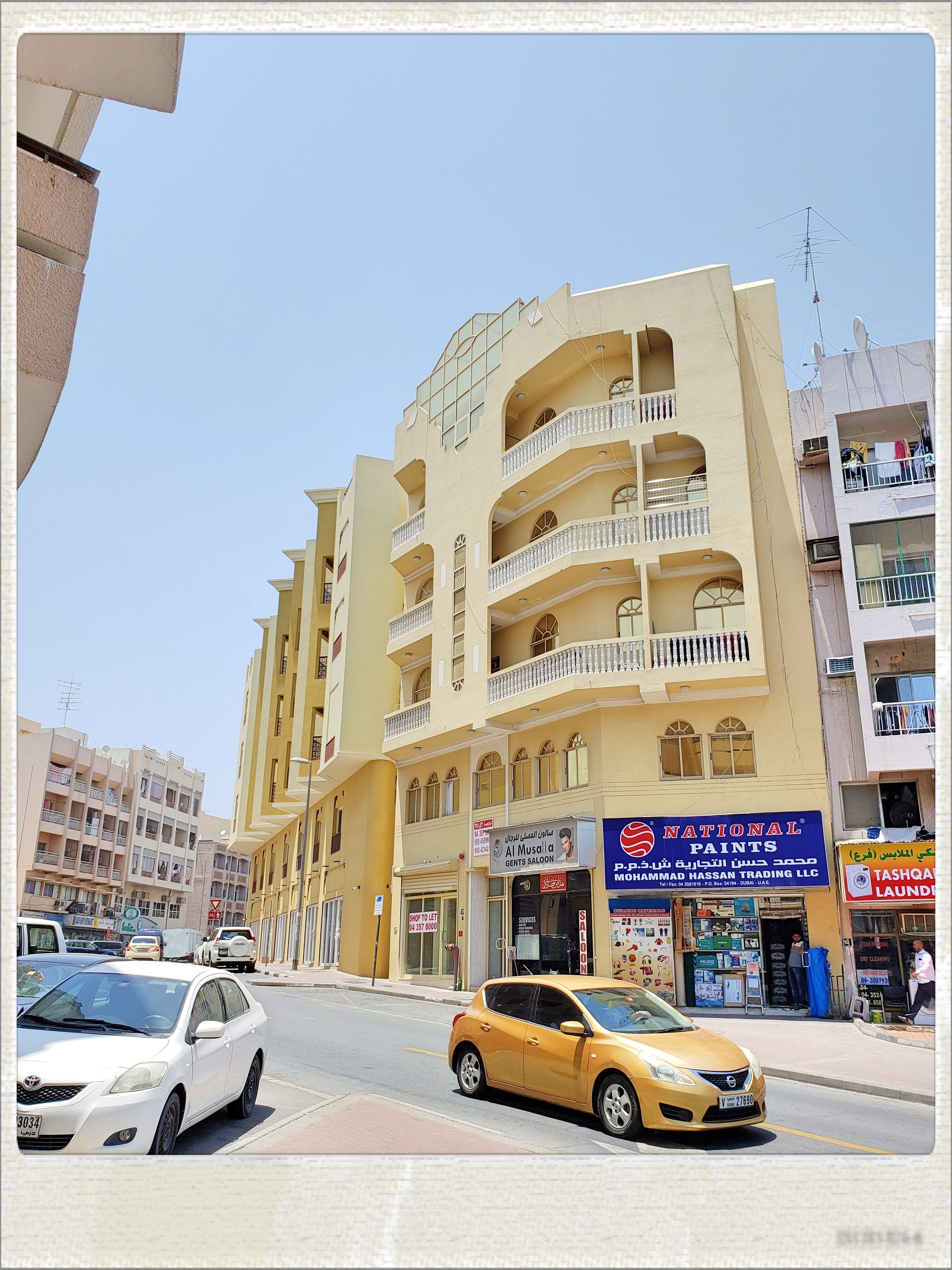
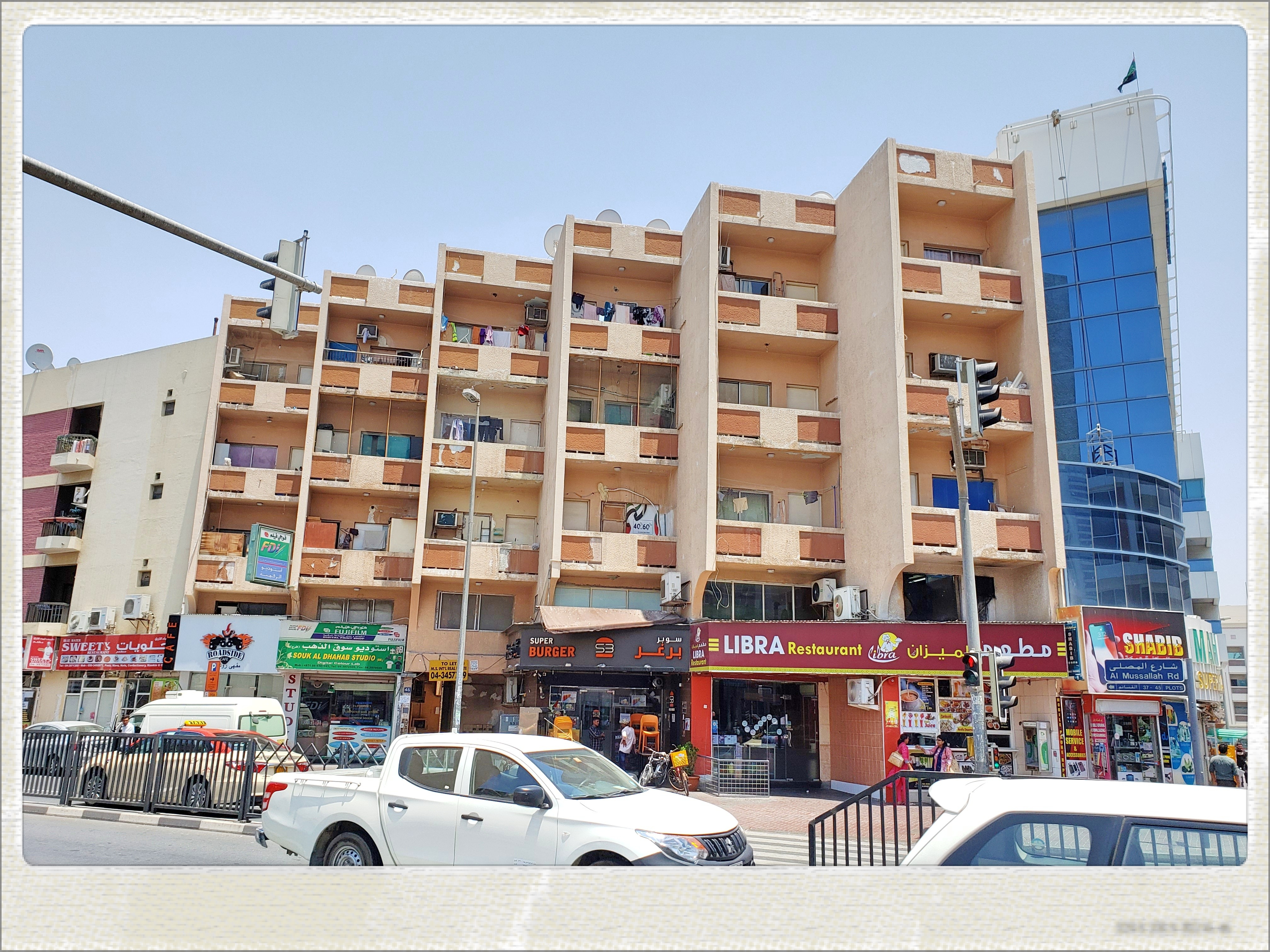
Totally different from the innumerable tacky, flamboyant and showy skyscrapers and luxurious hotels dominating the southern part of the city, I managed to experience the charms of traditions and authenticity which brimmed in the districts along the Dubai Creek, including the Al Satwa Road.
Many of the buildings, particularly the whitewashed buildings in the region that I currently live in are easily and heavily stained by rain because of the rainy and humid tropical climate. On the contrary, the buildings looked tremendously clean and spotless in Dubai, thanks to the extensive hours of sunlight and immense aridity.
Al Fahidi Historical Neighbourhood
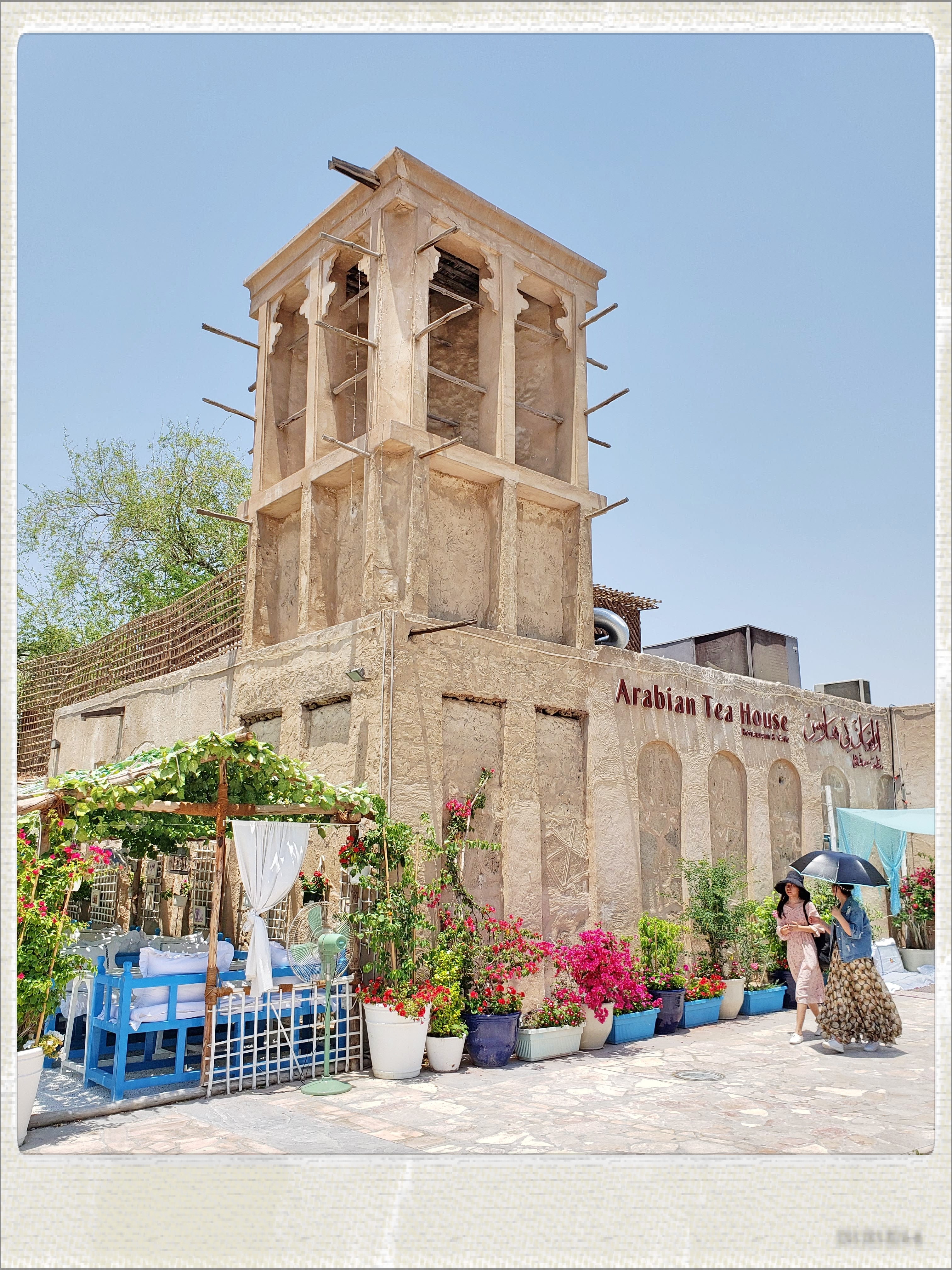
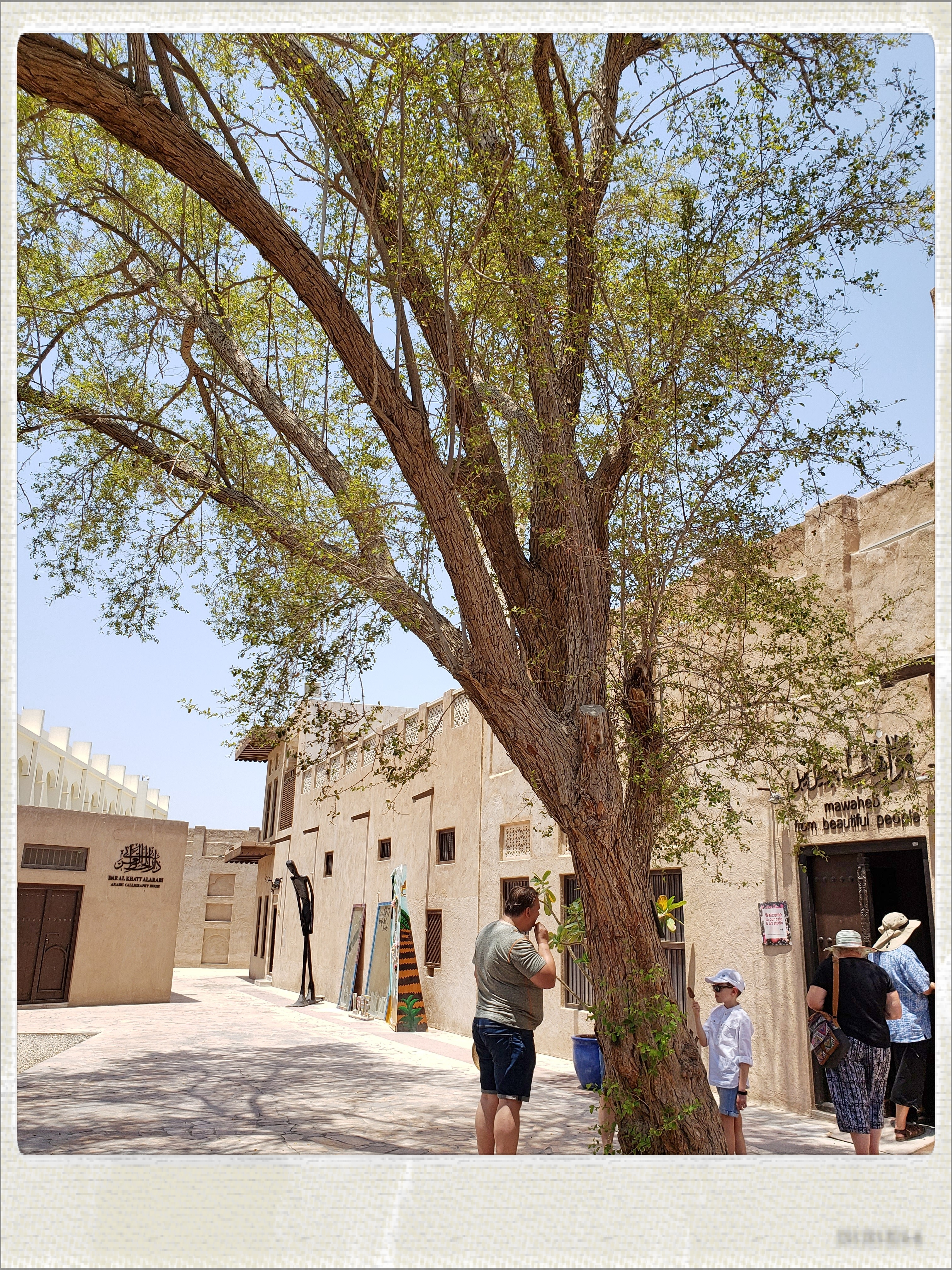
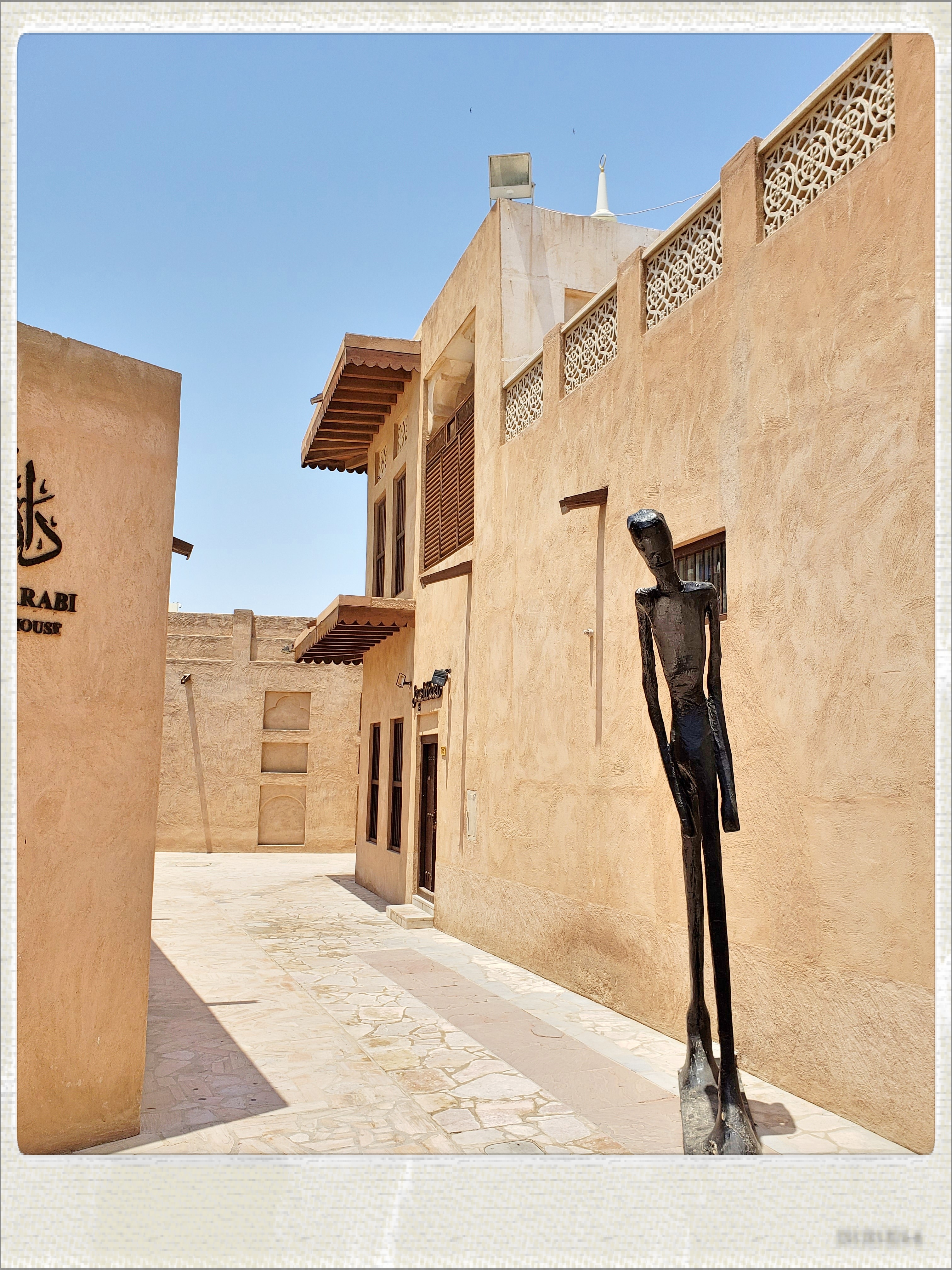
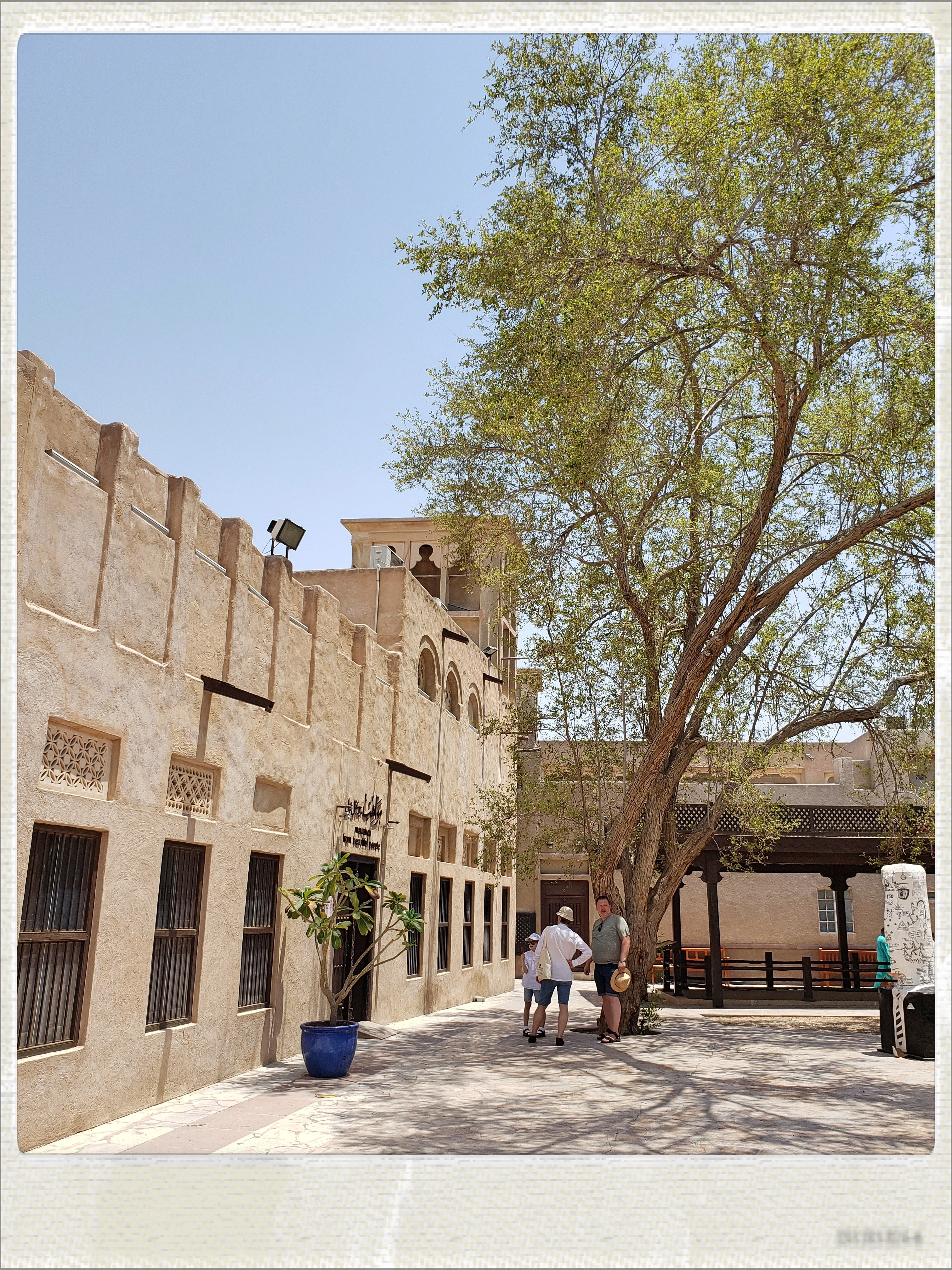
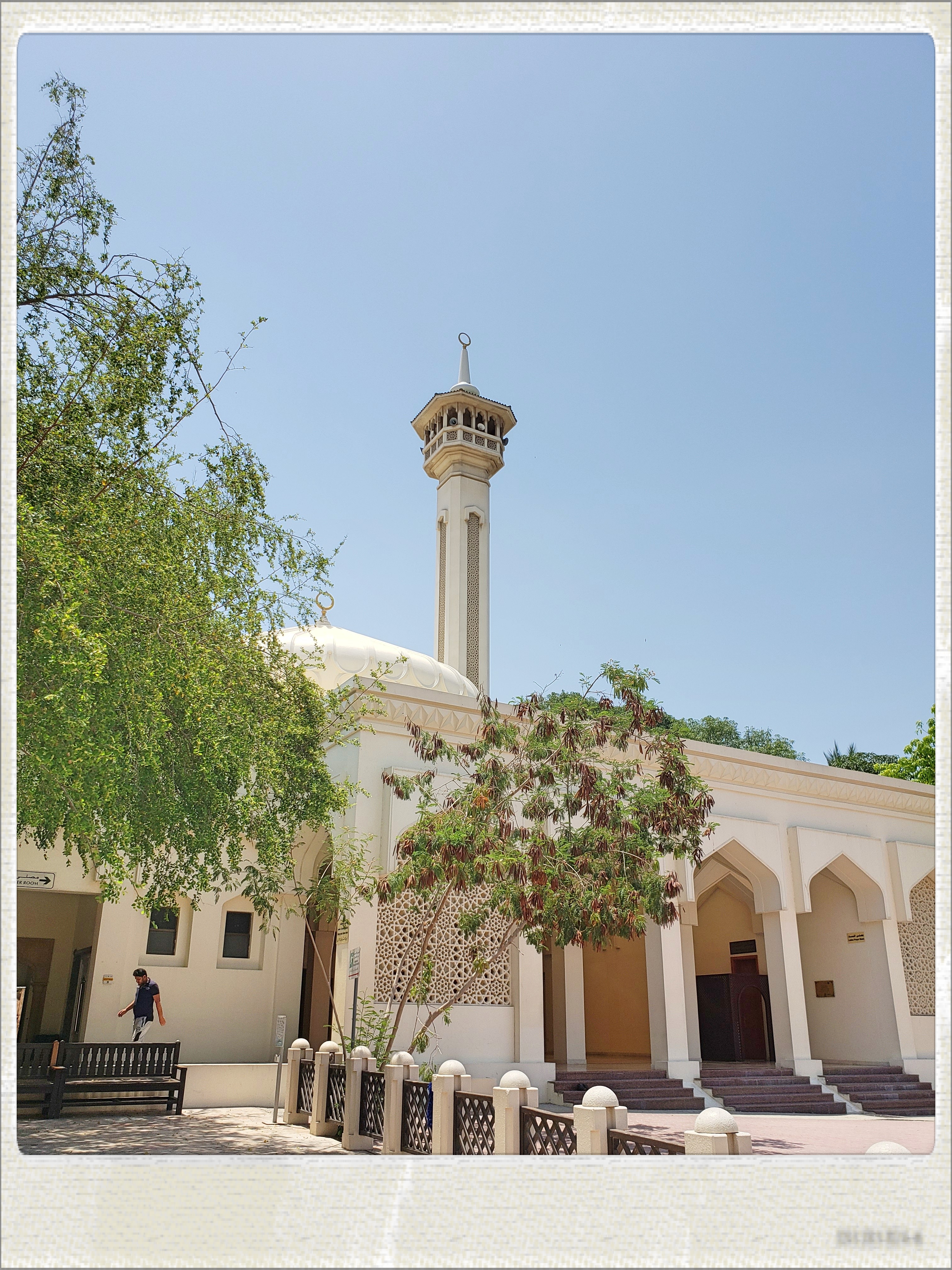
Being a pedestrianized district awash with uniformly brownish oblong one-storey structures housing some chic, well-designed galleries, museums, teahouses and whatnot, Al Fahidi was an old district to be demolished in 1989. However, Rayner Otter, a British architect, started a campaign to preserve the area. Finally, in 2005, the Dubai municipality initiated a project to restore the localities of Ola buildings and lanes.
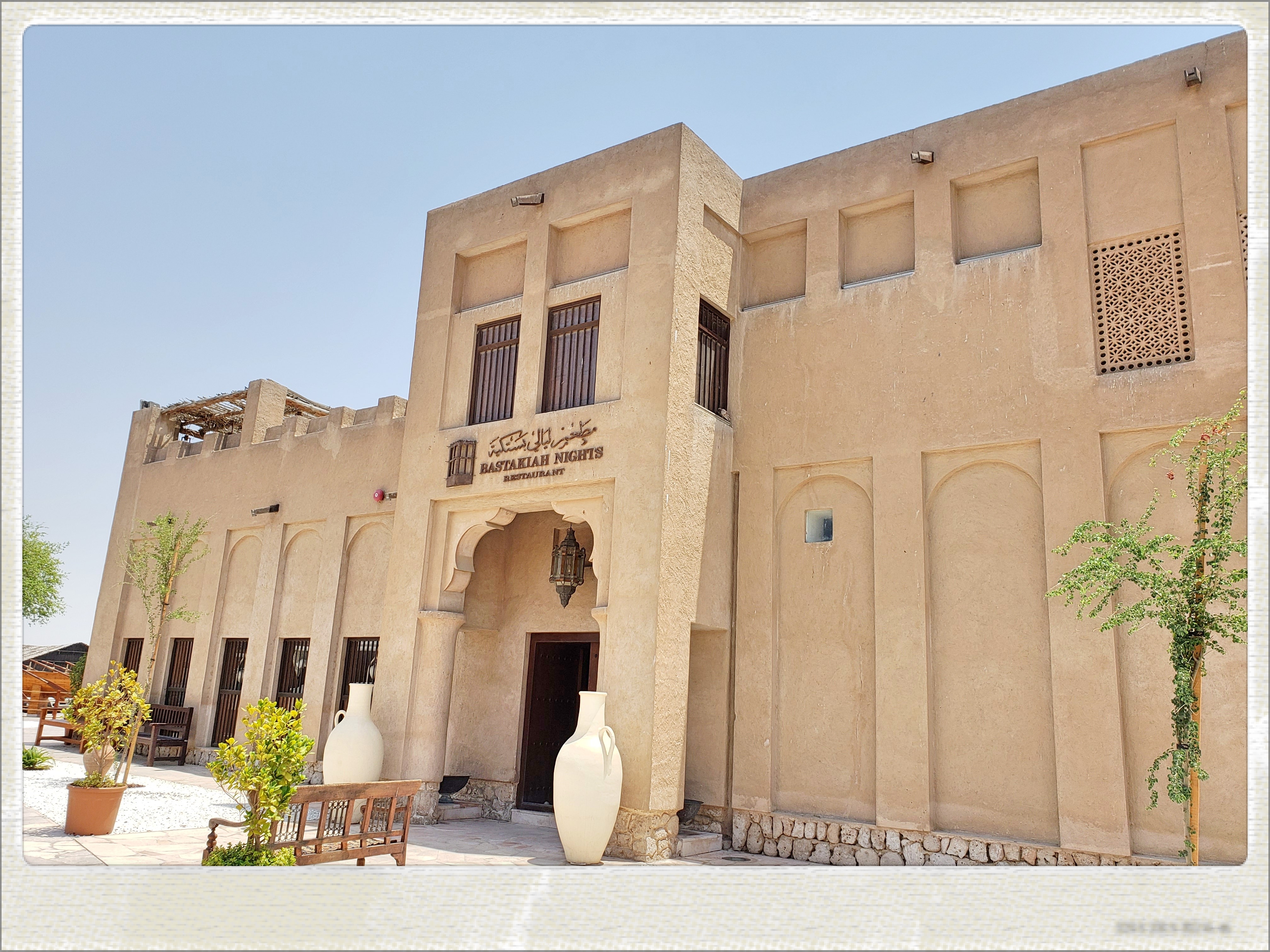
Al Seef
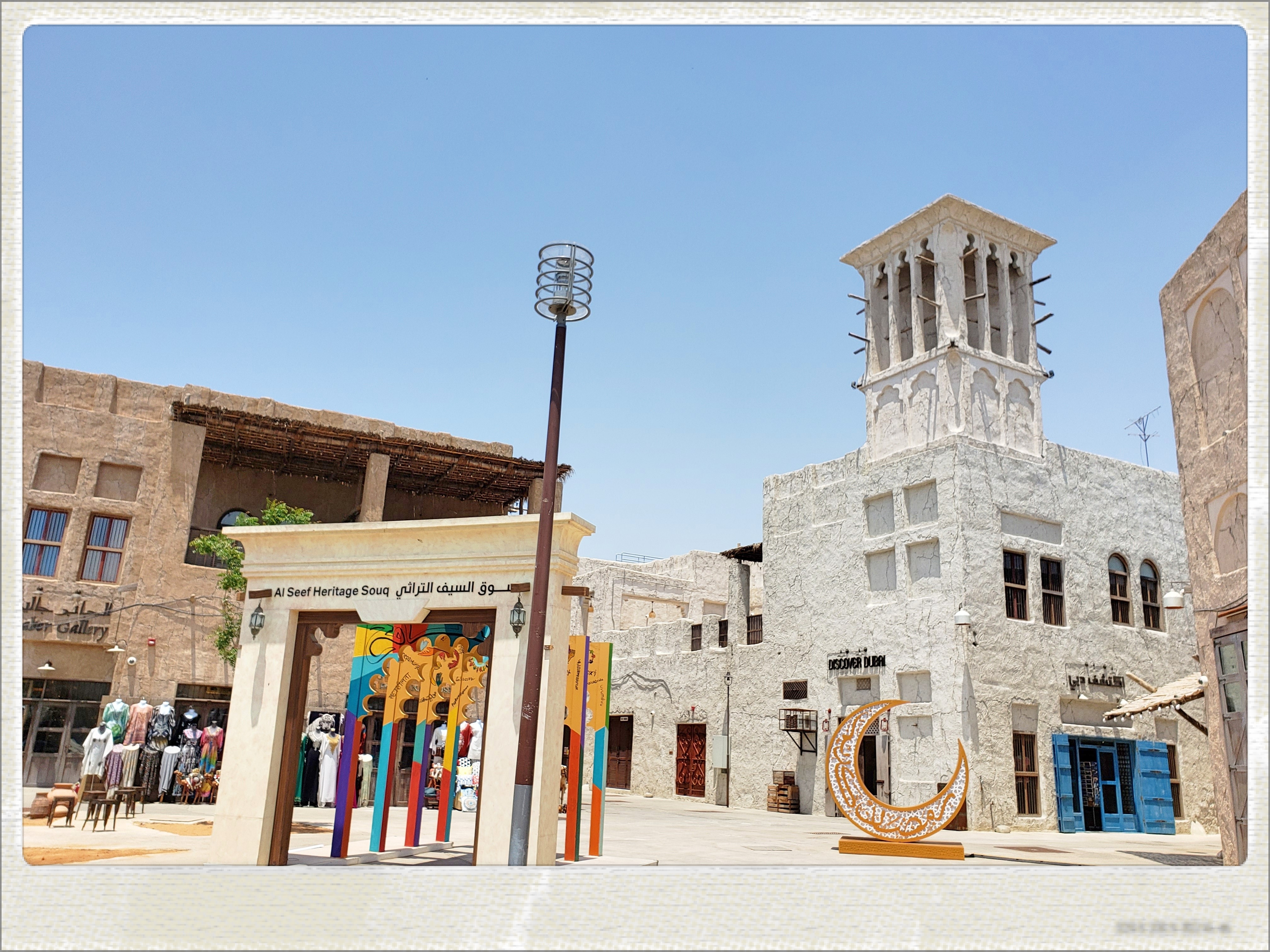
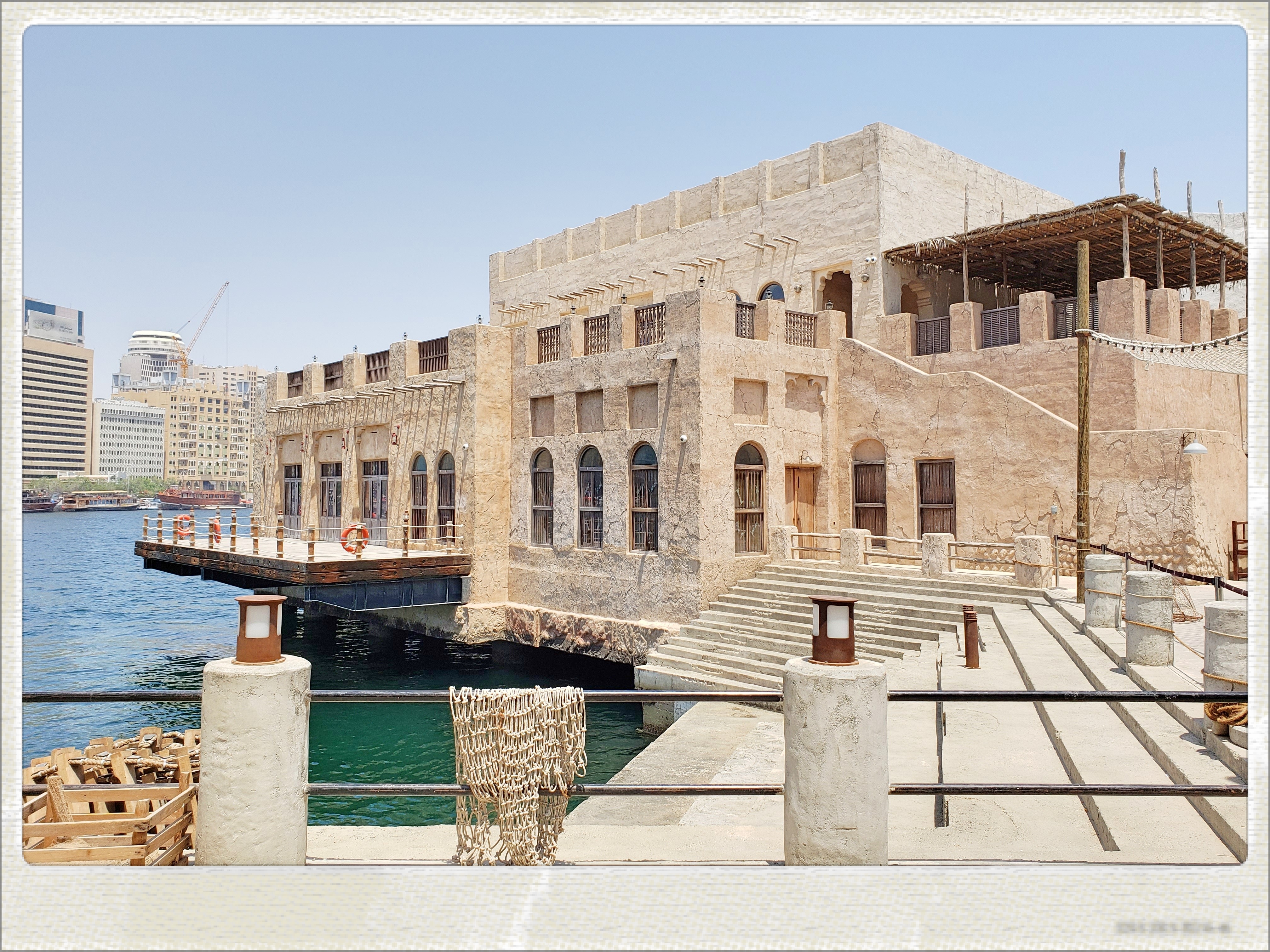
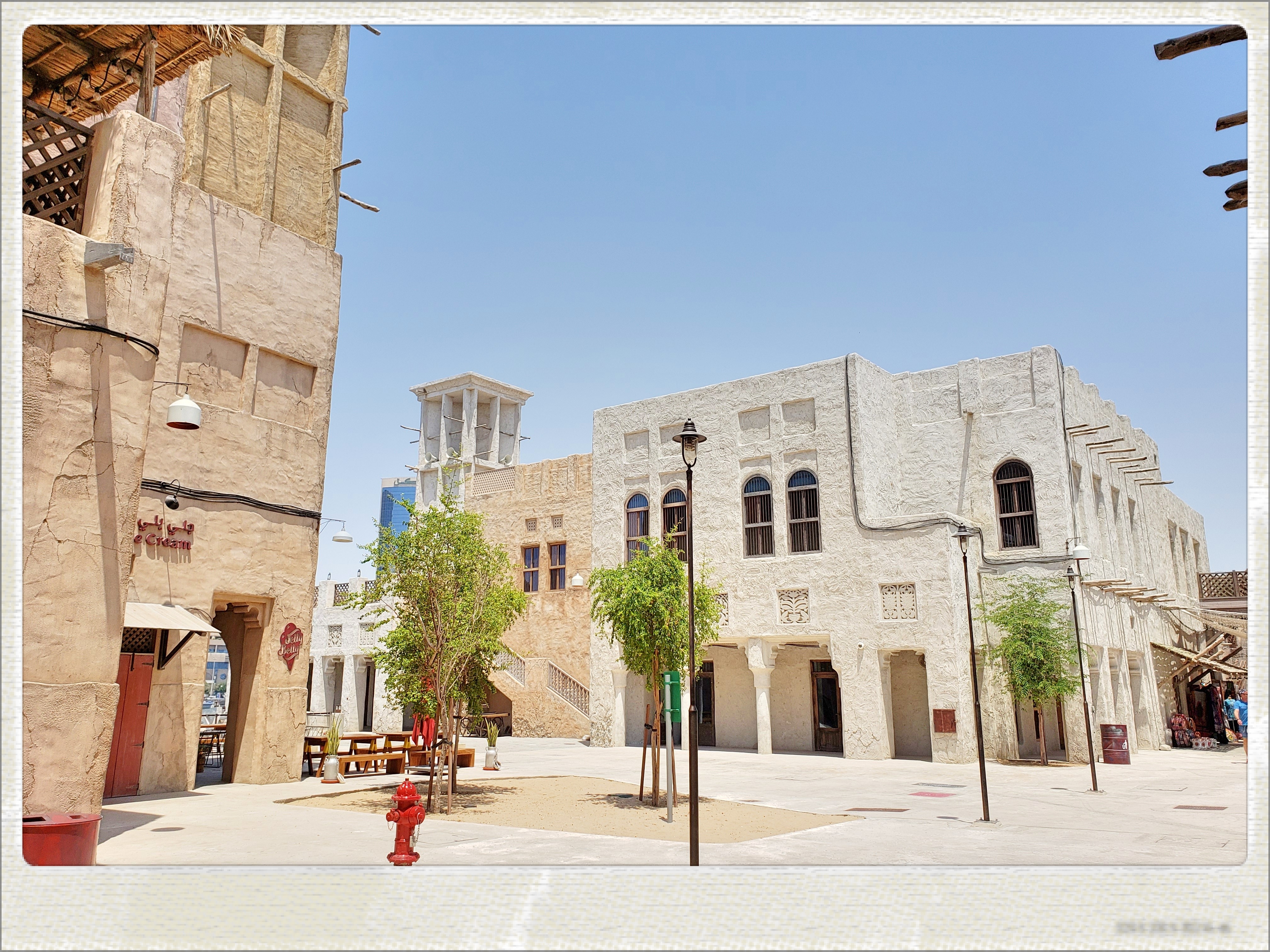
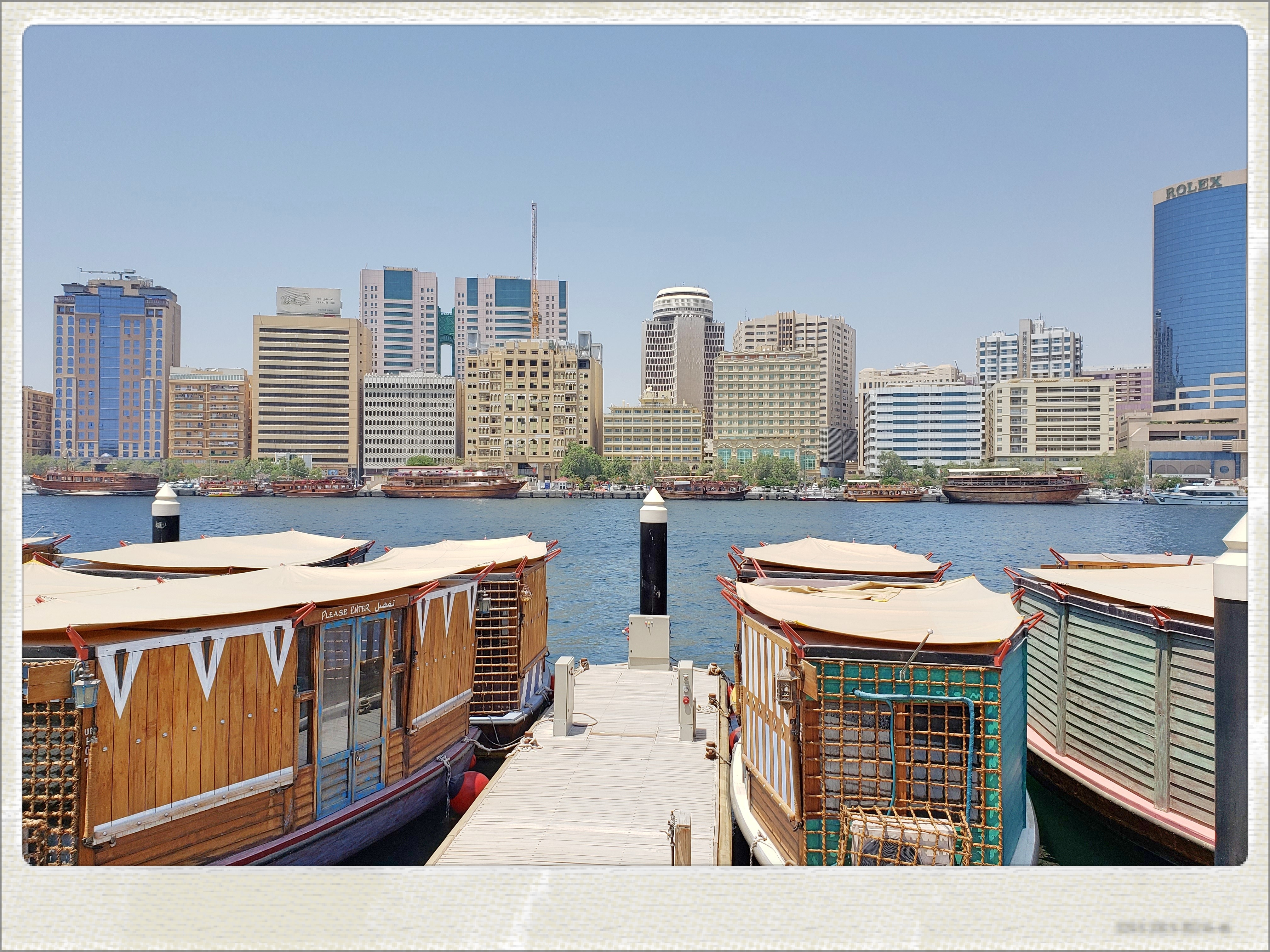
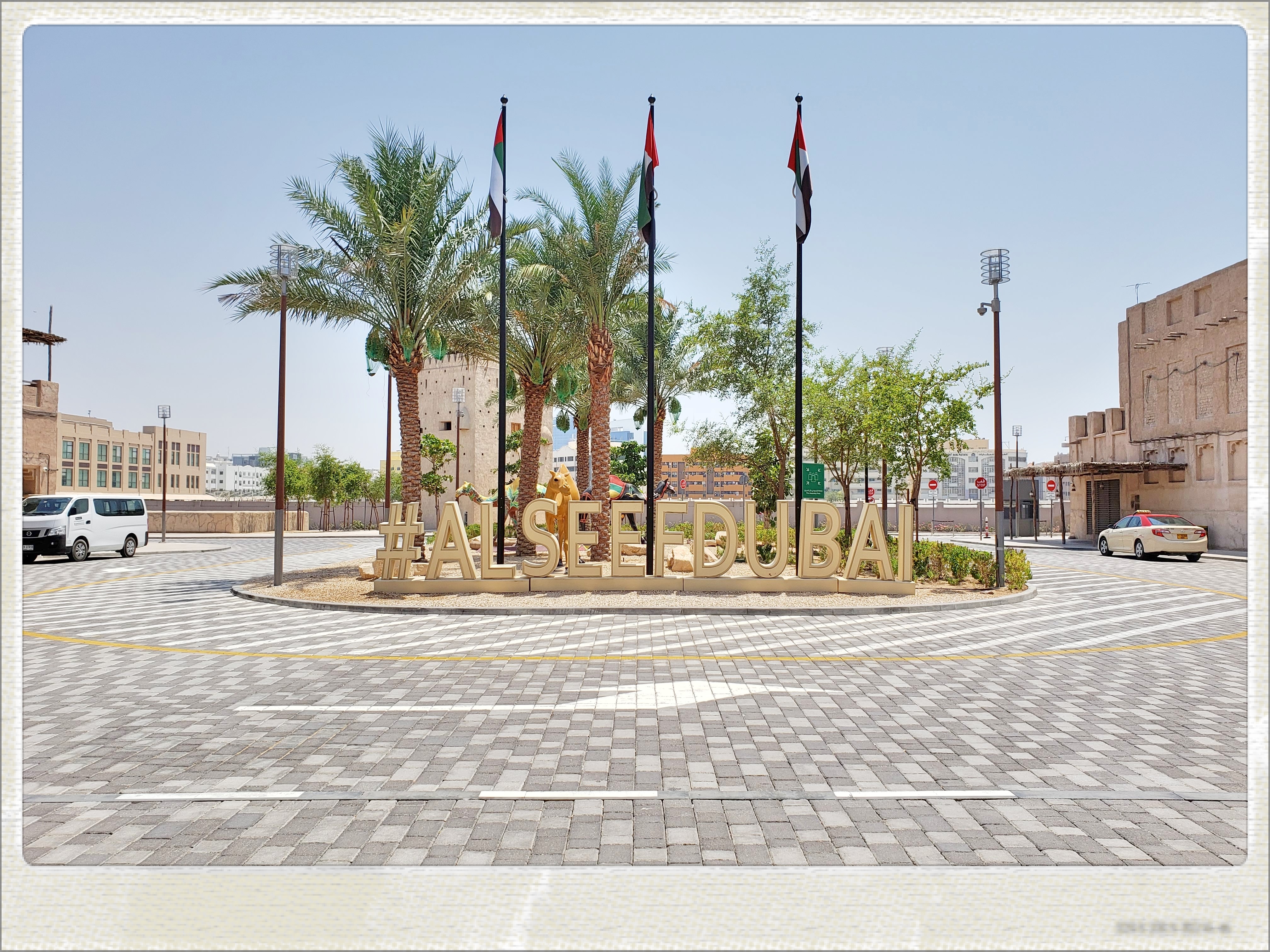
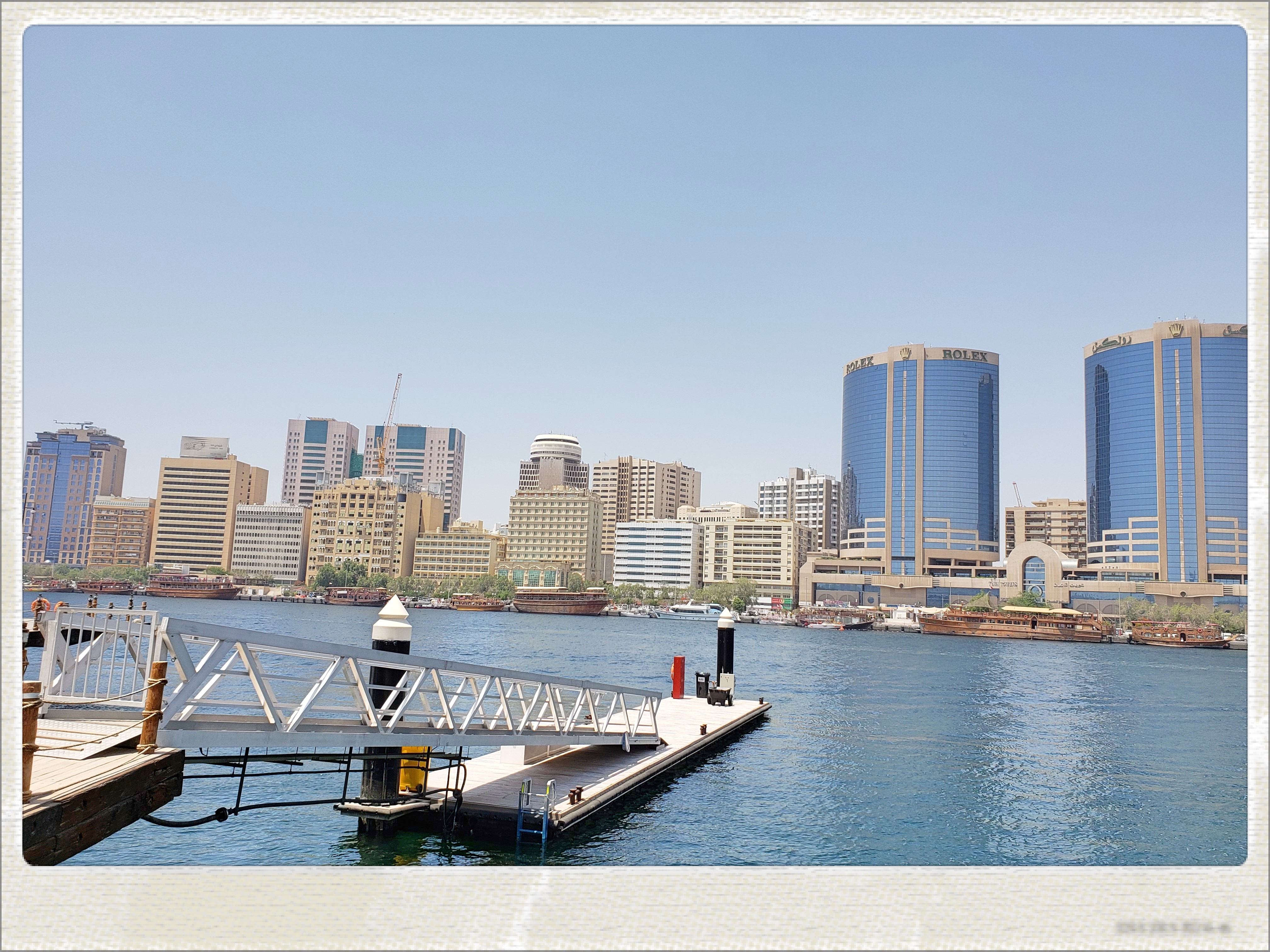
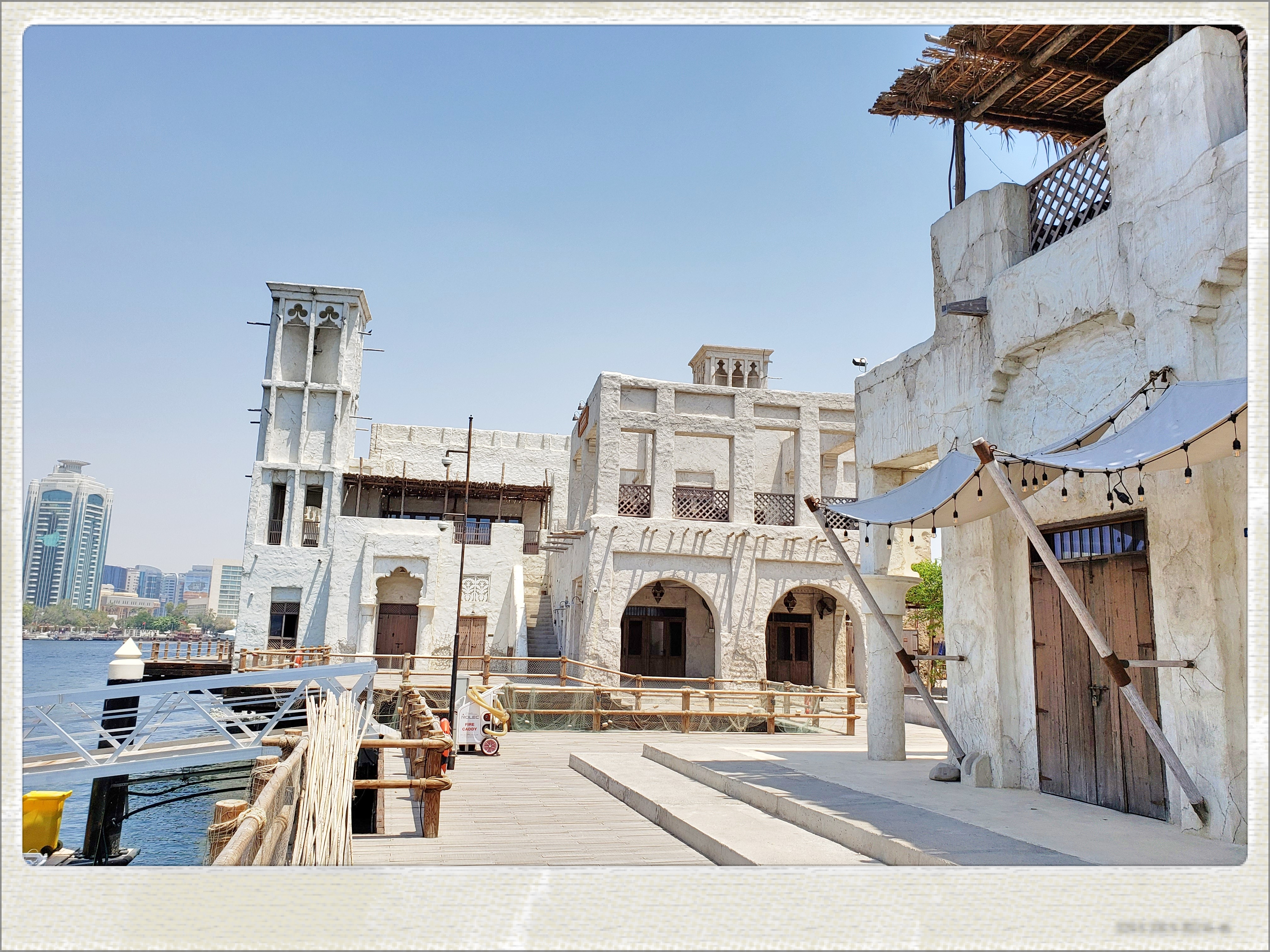
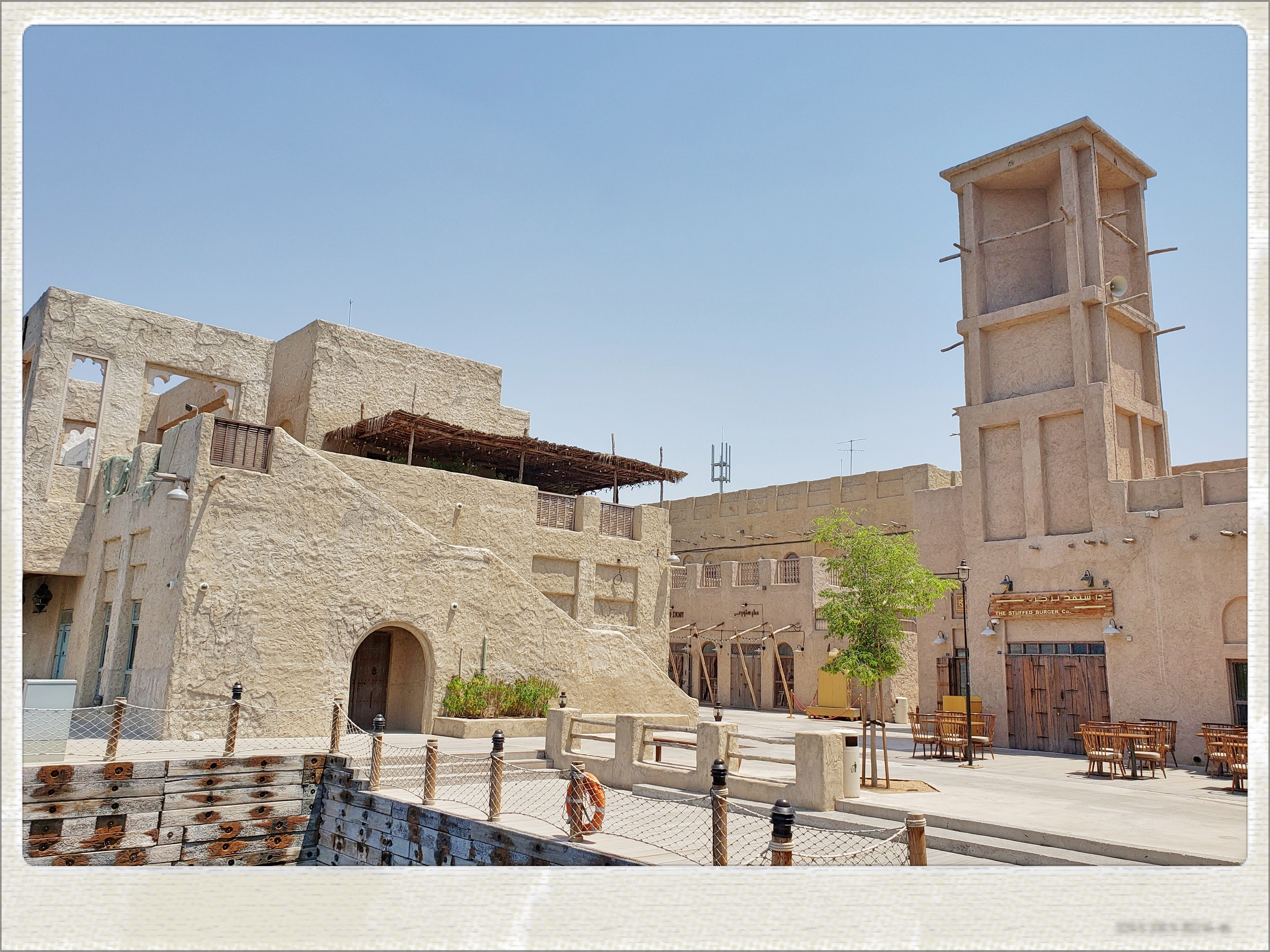
It felt a bit creepy and disconcertingly empty despite the scorching heat and the incessant sunlight because I could hardly see a soul in Al Seef, a newly-built or perhaps renovated area studded with cafes, restaurants, bars and shops, also offering stunning views of Dubai Creek.
Burjuman Metro Station
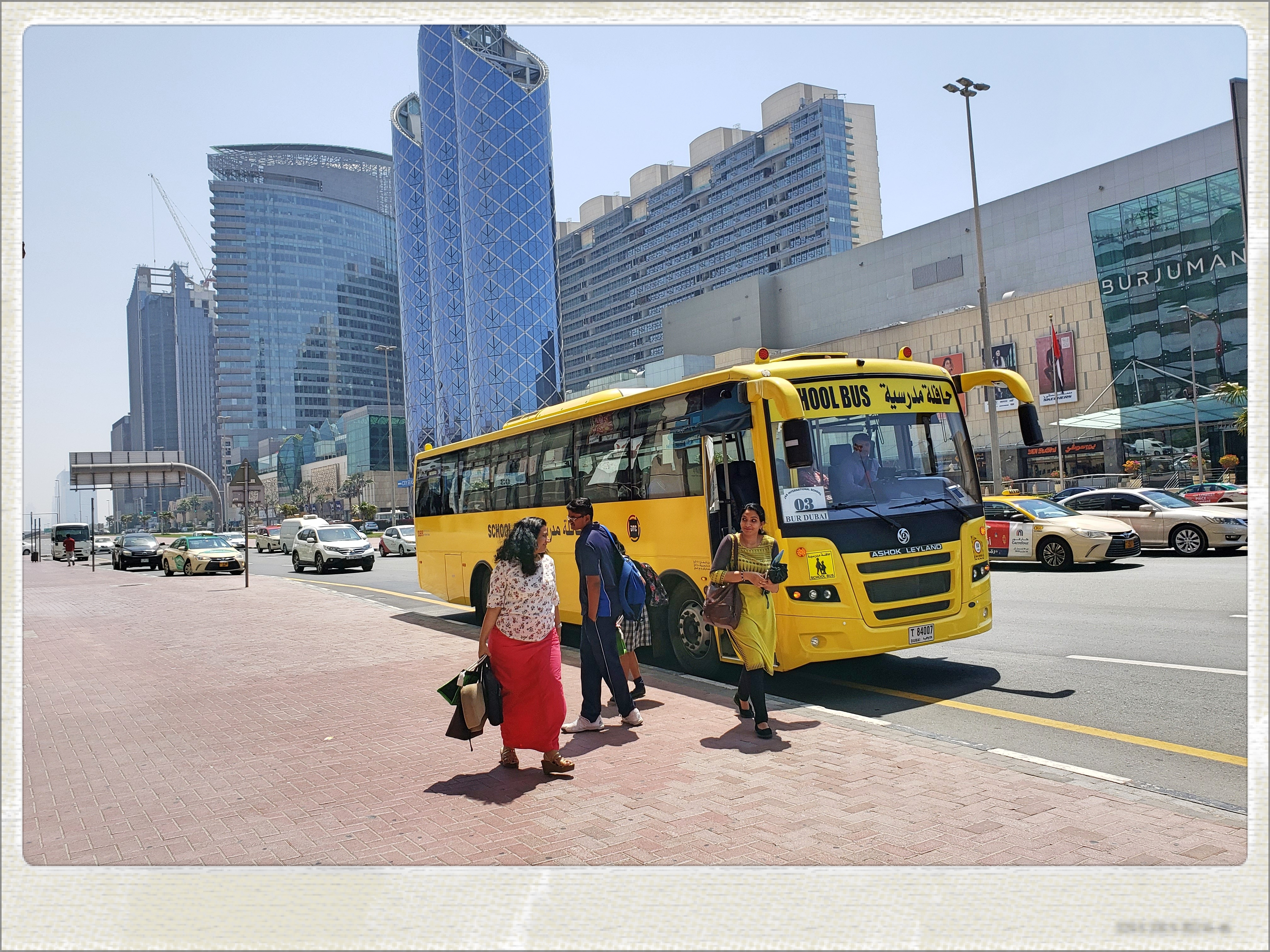
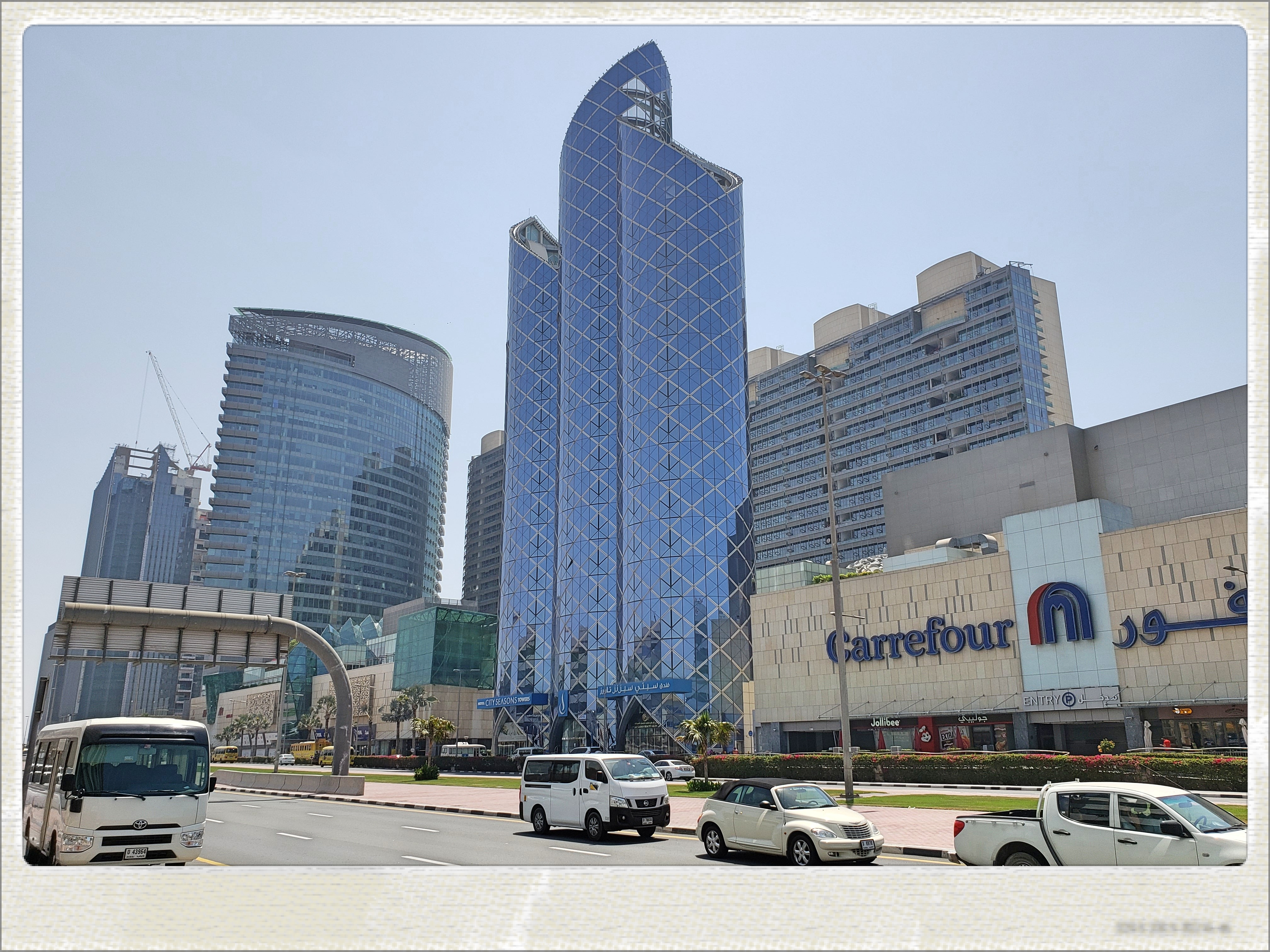
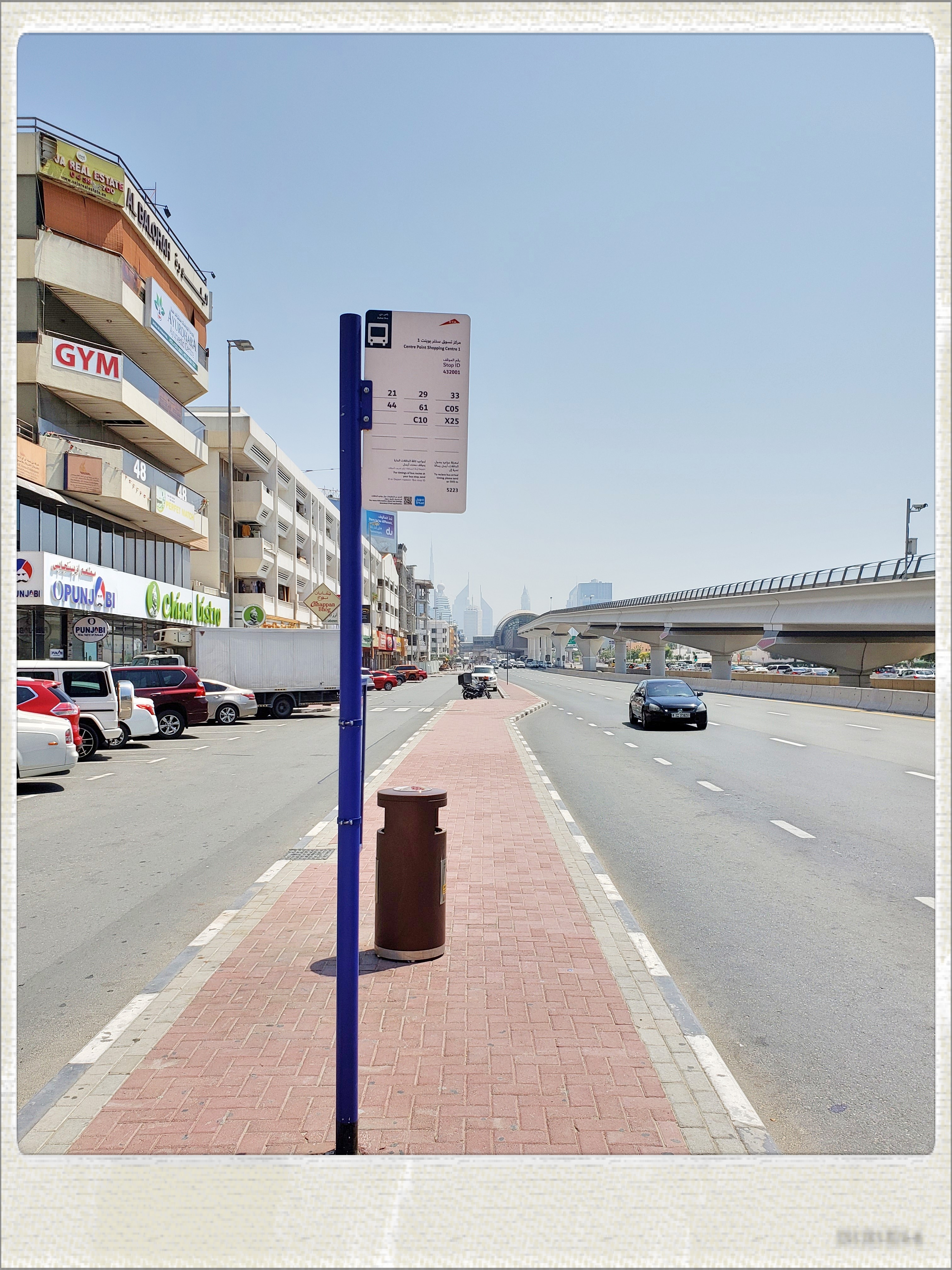
Leaving Al Seef, I strolled along D88, one of the noted roads and highways in Dubai past the Burjuman Metro Station.
Al Karama
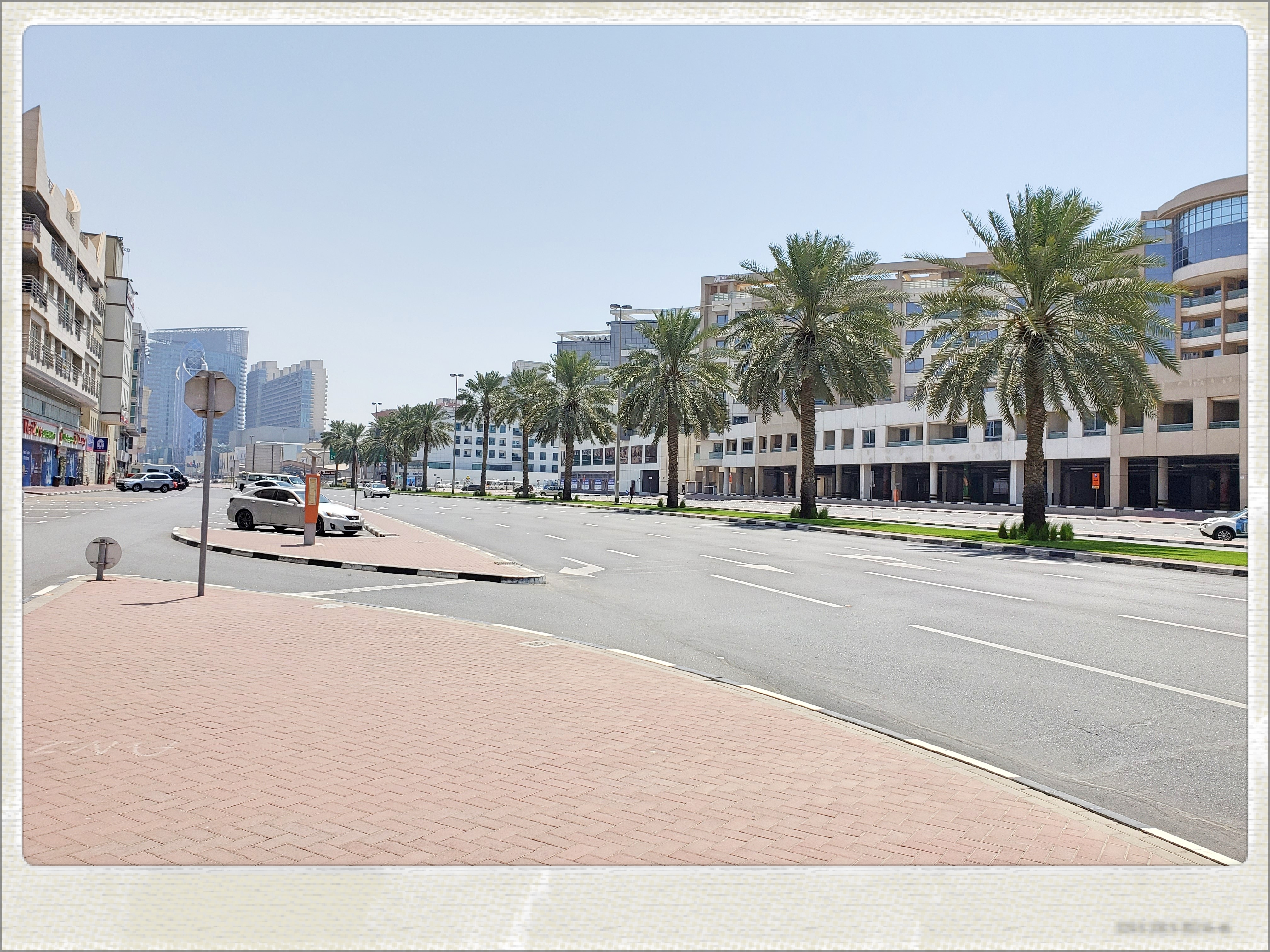
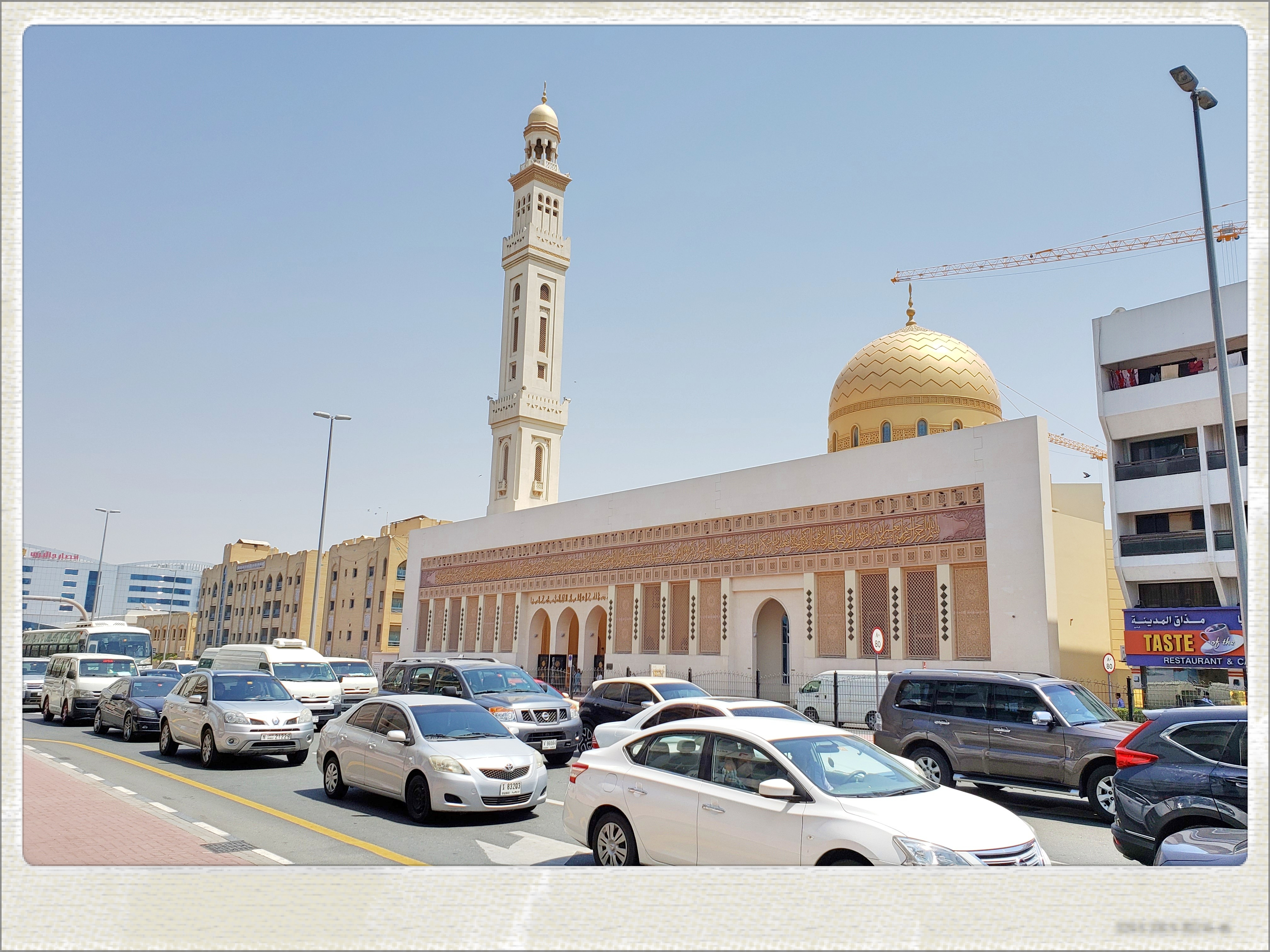
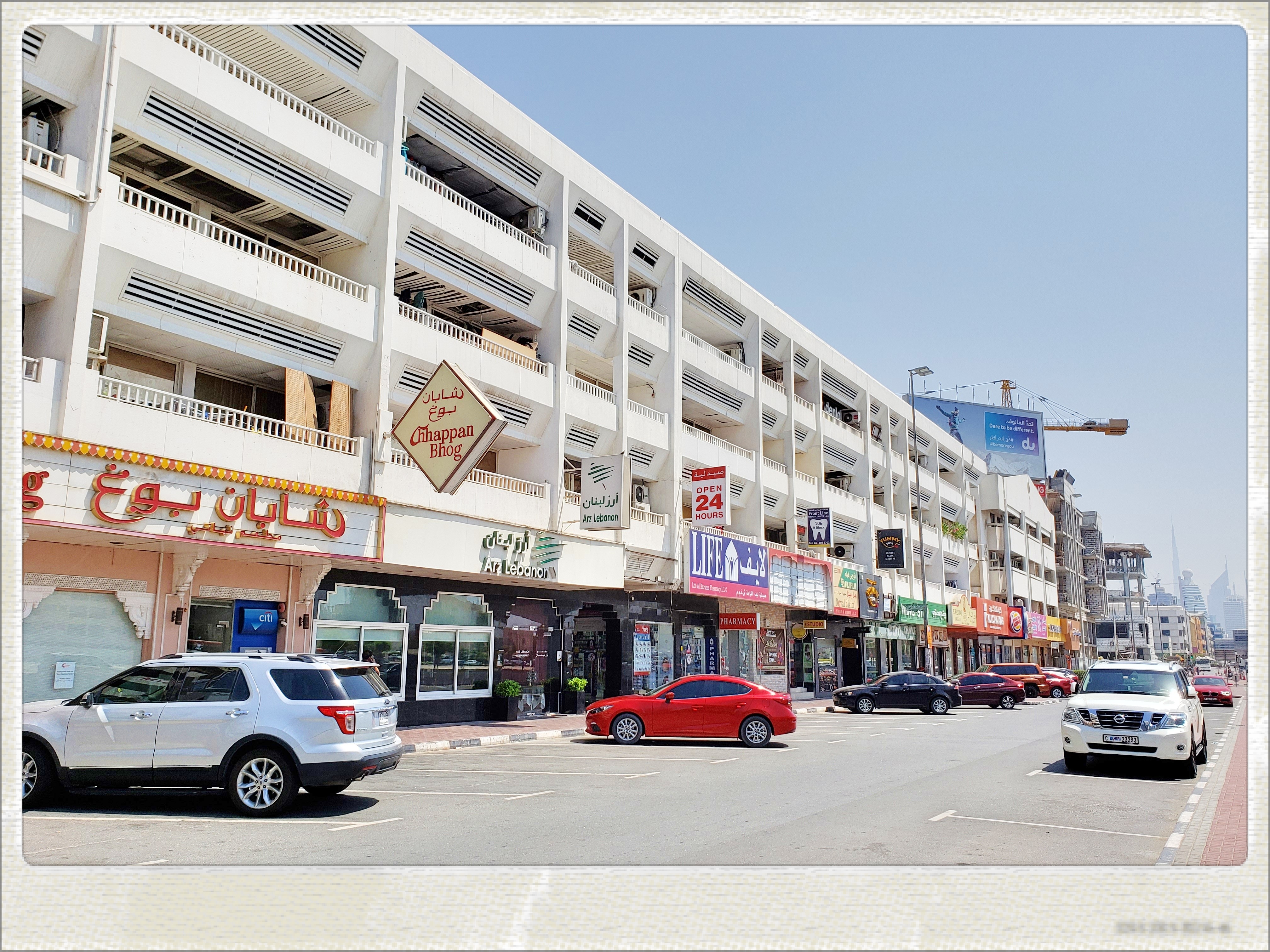
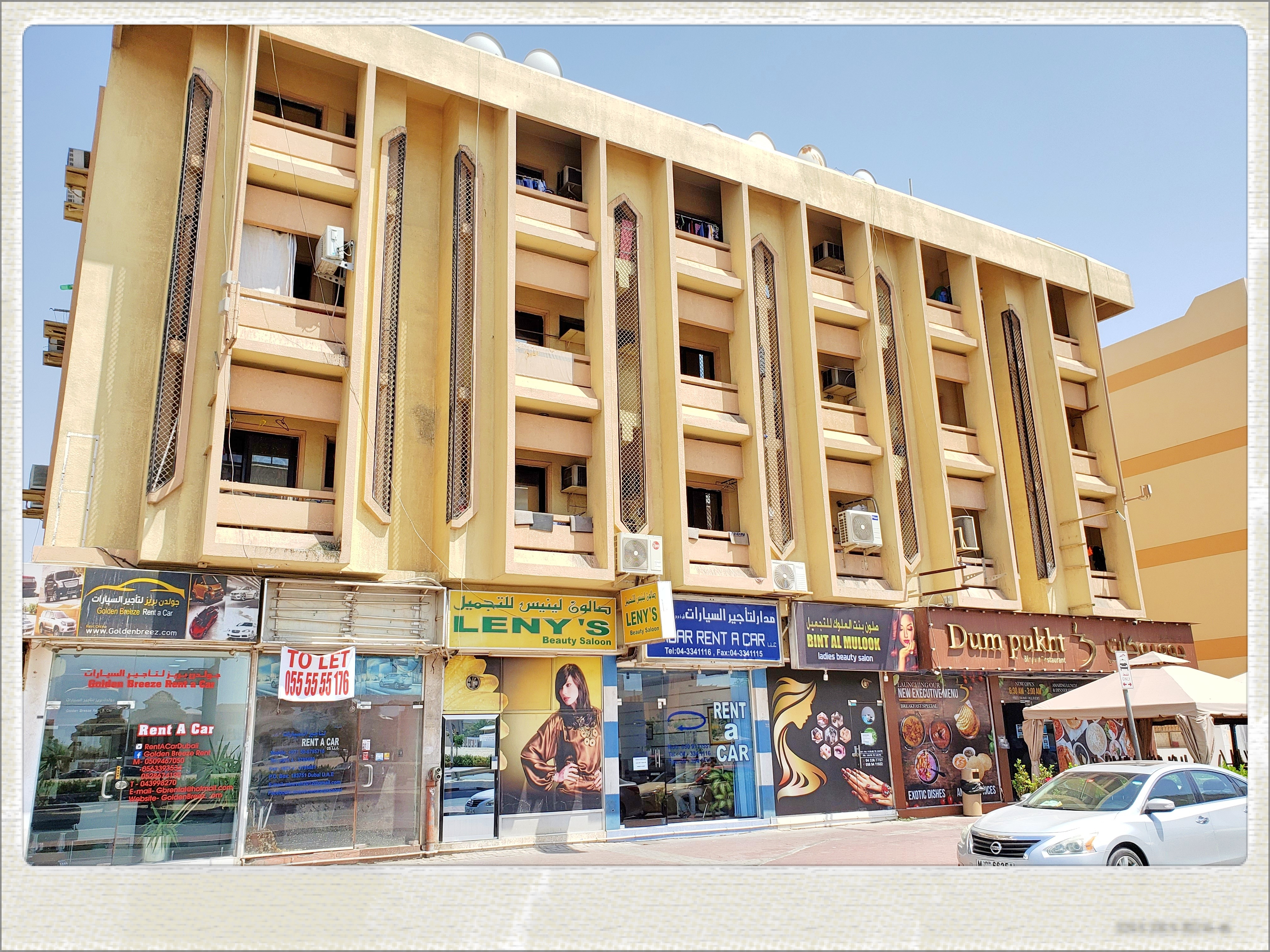
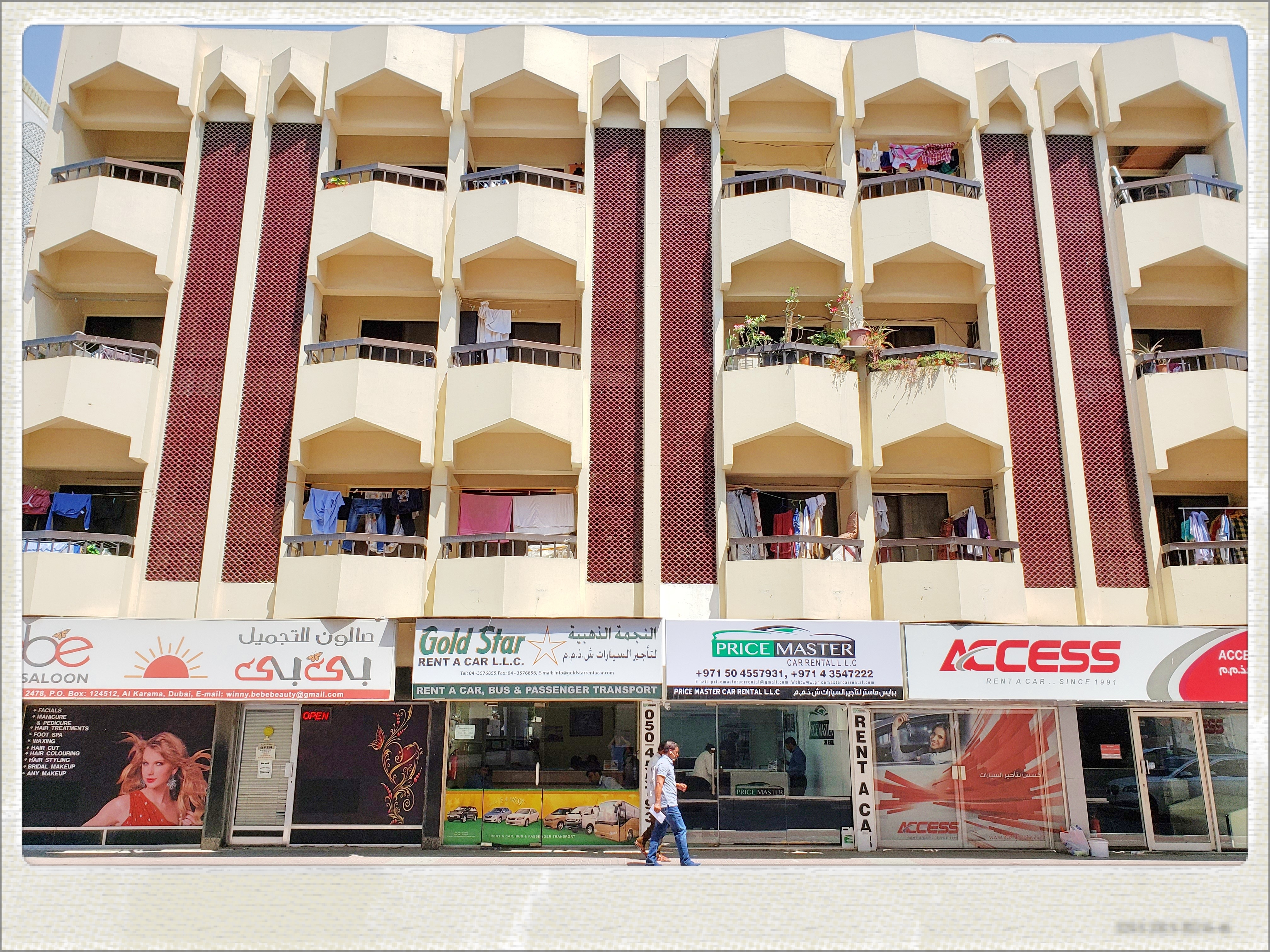
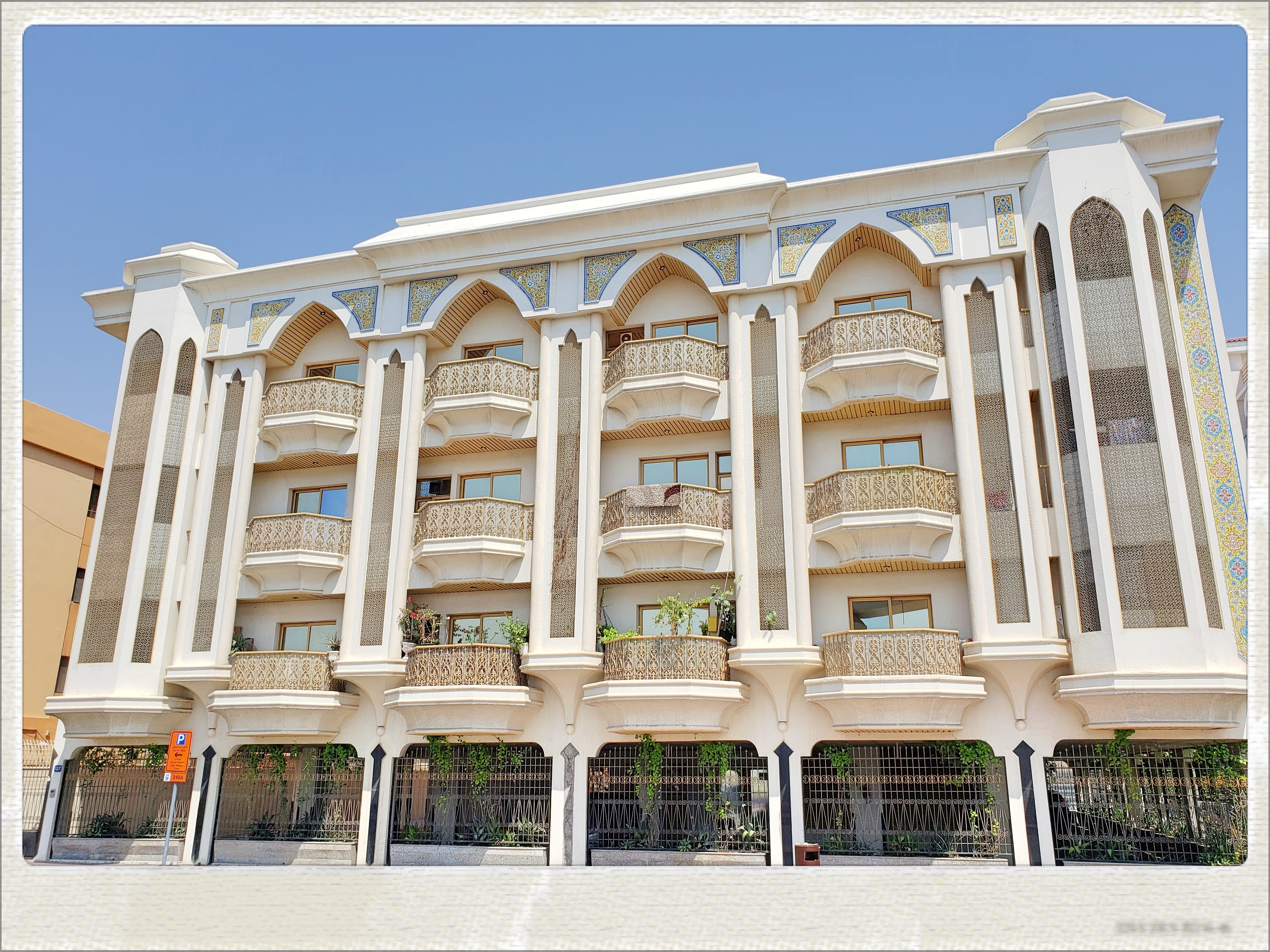
To the south of the Burjuman Metro Station sited the Al Karama district loaded with uniformly 3-storey lowrise buildings and the typical palette of which consisted of brown, white and gold.
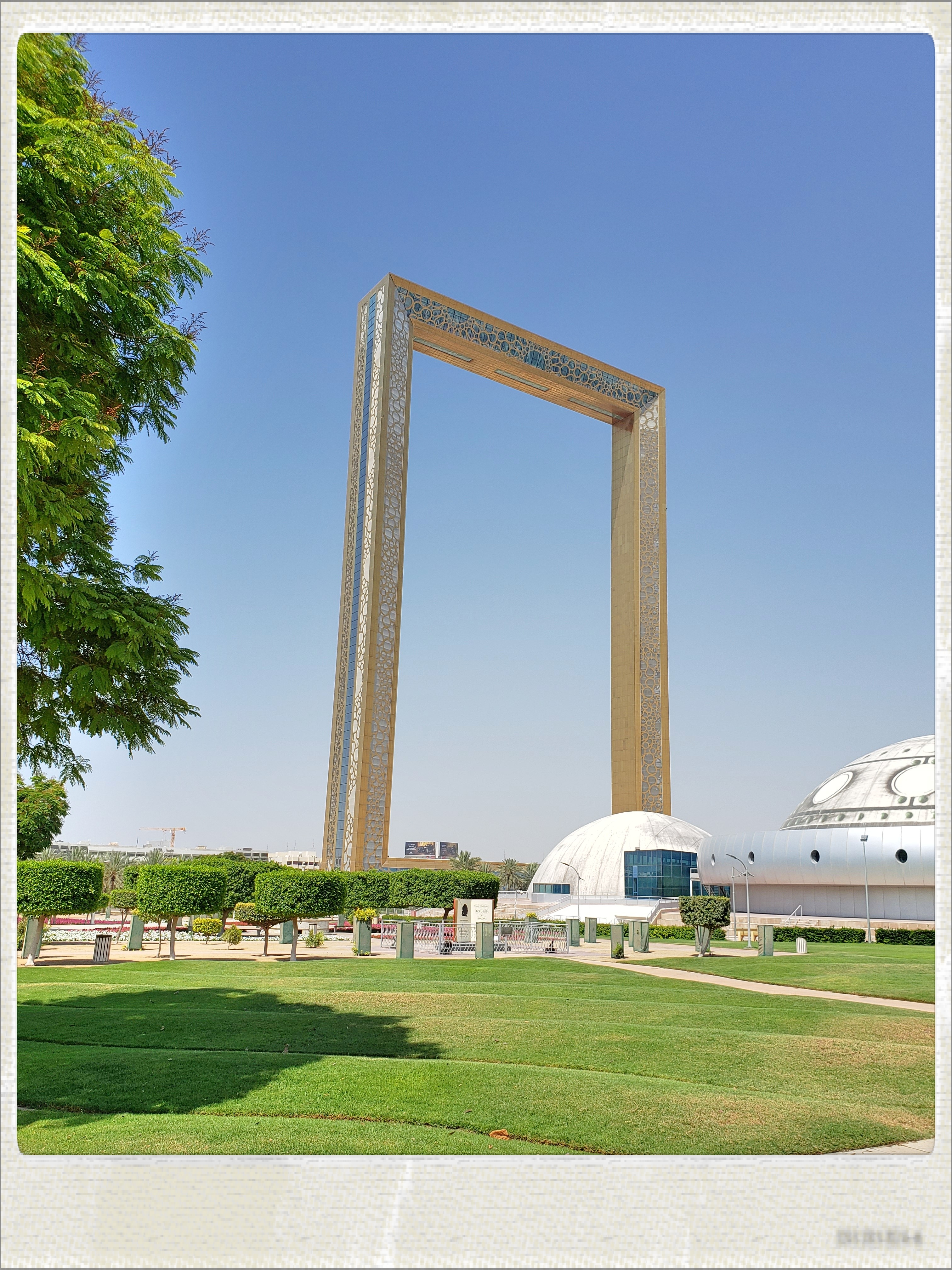
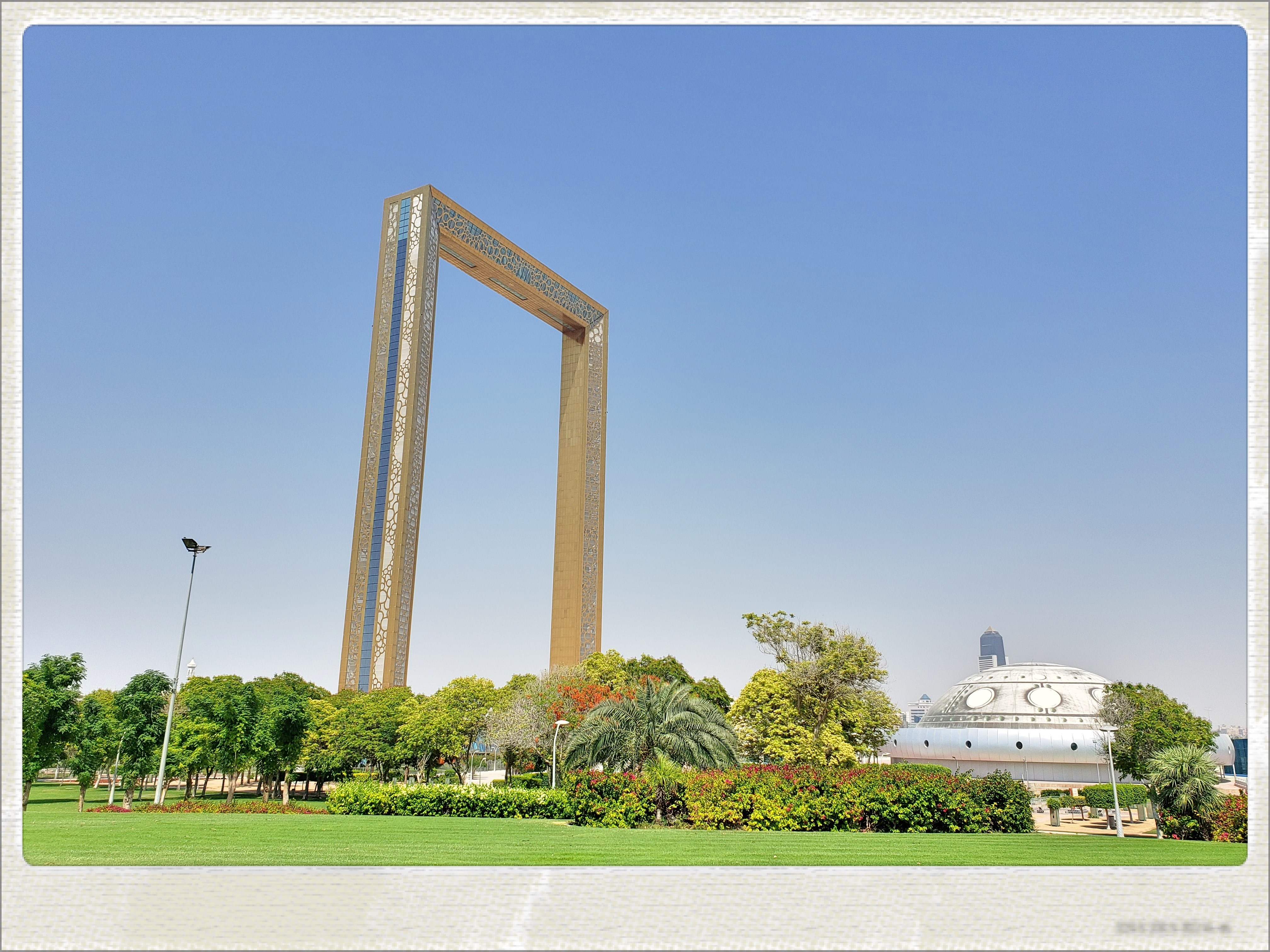
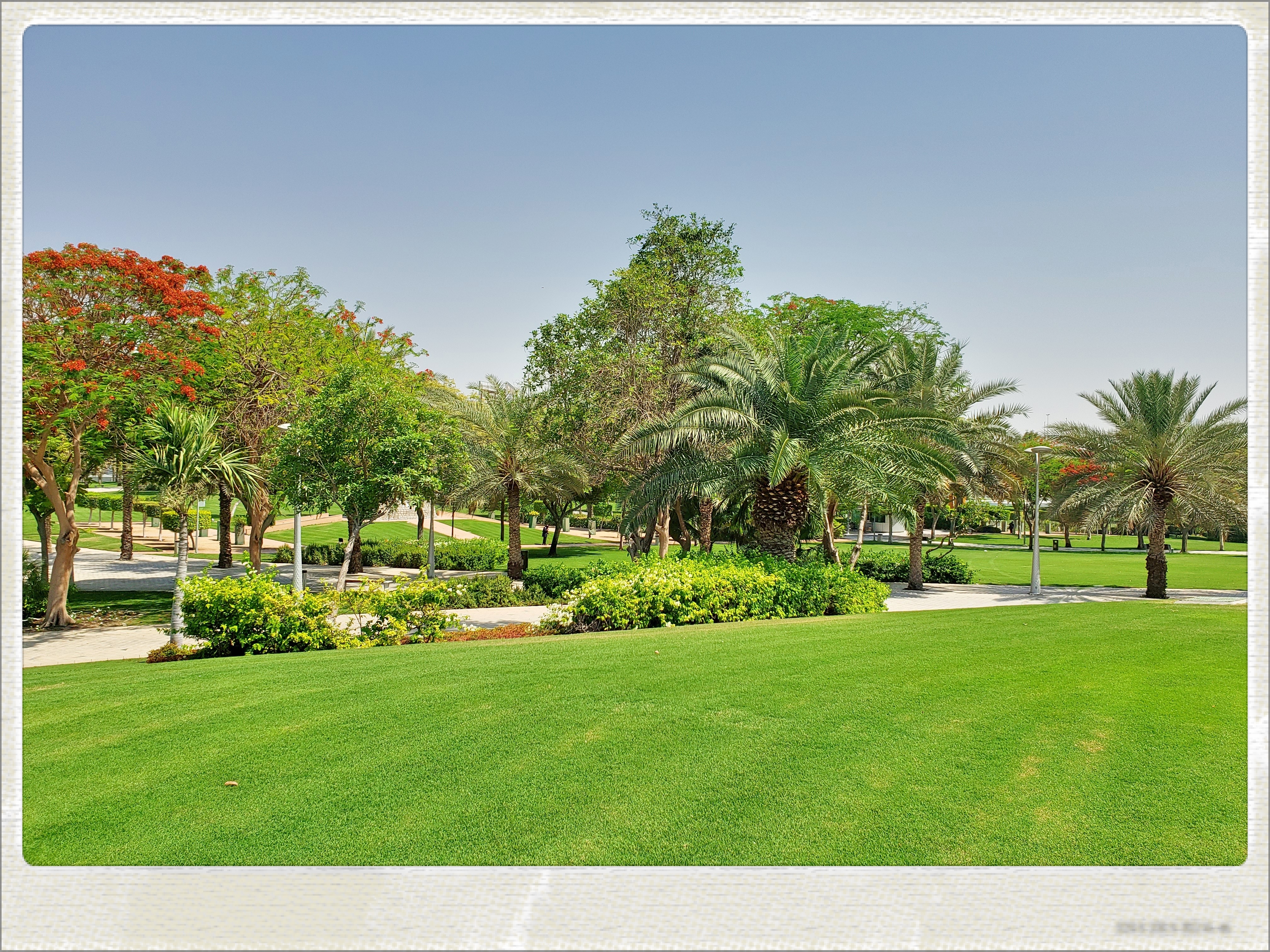
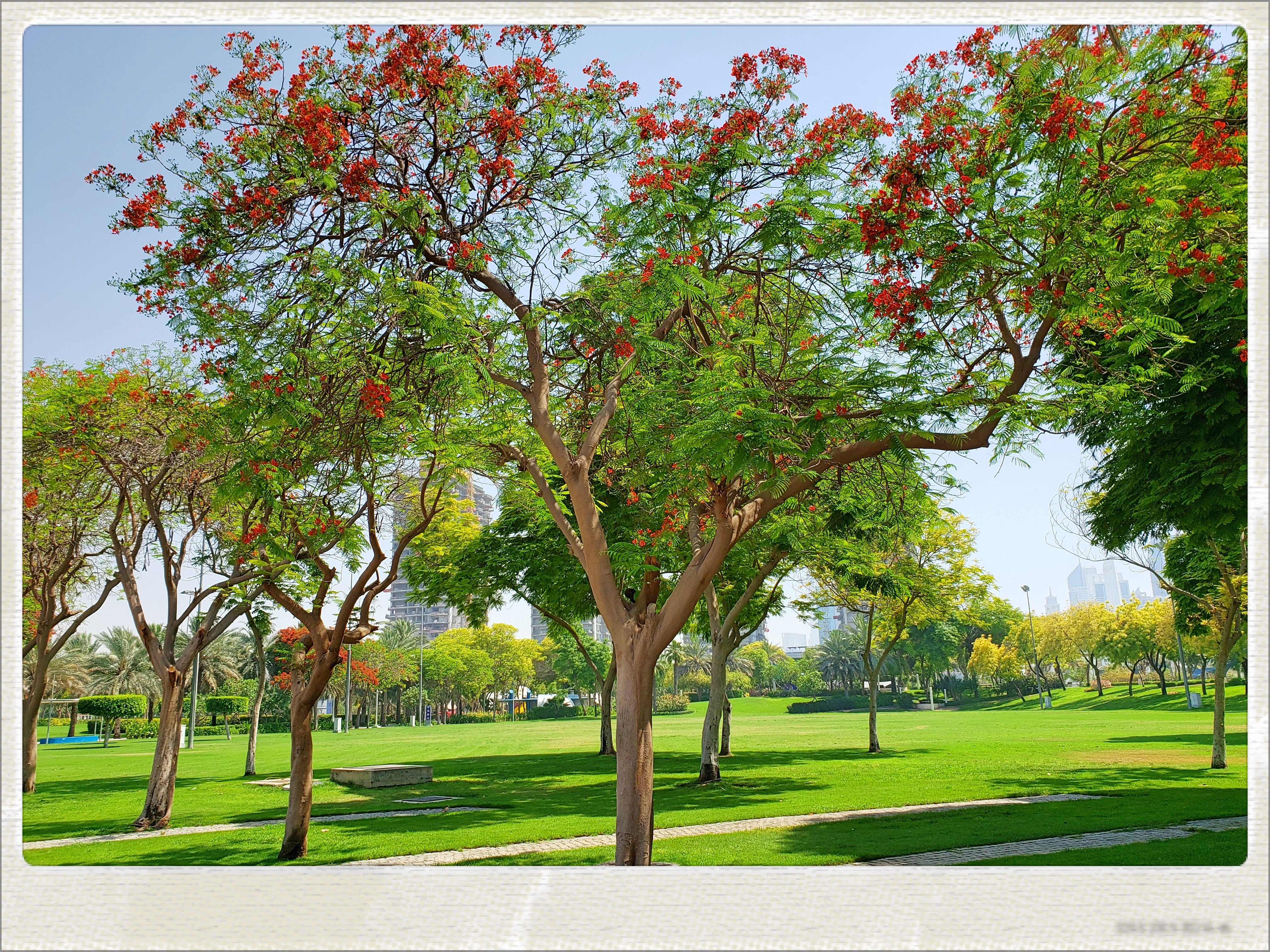
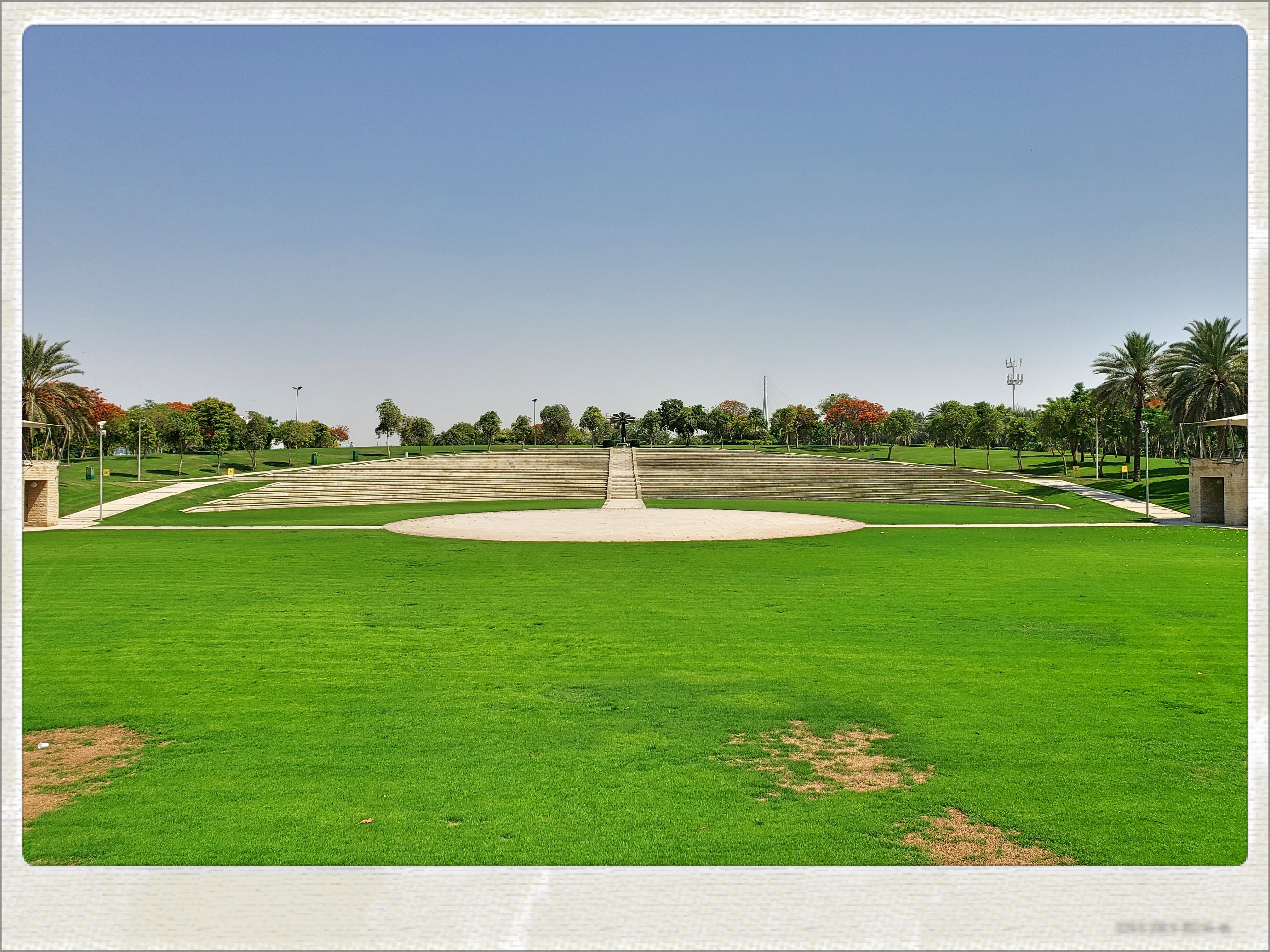
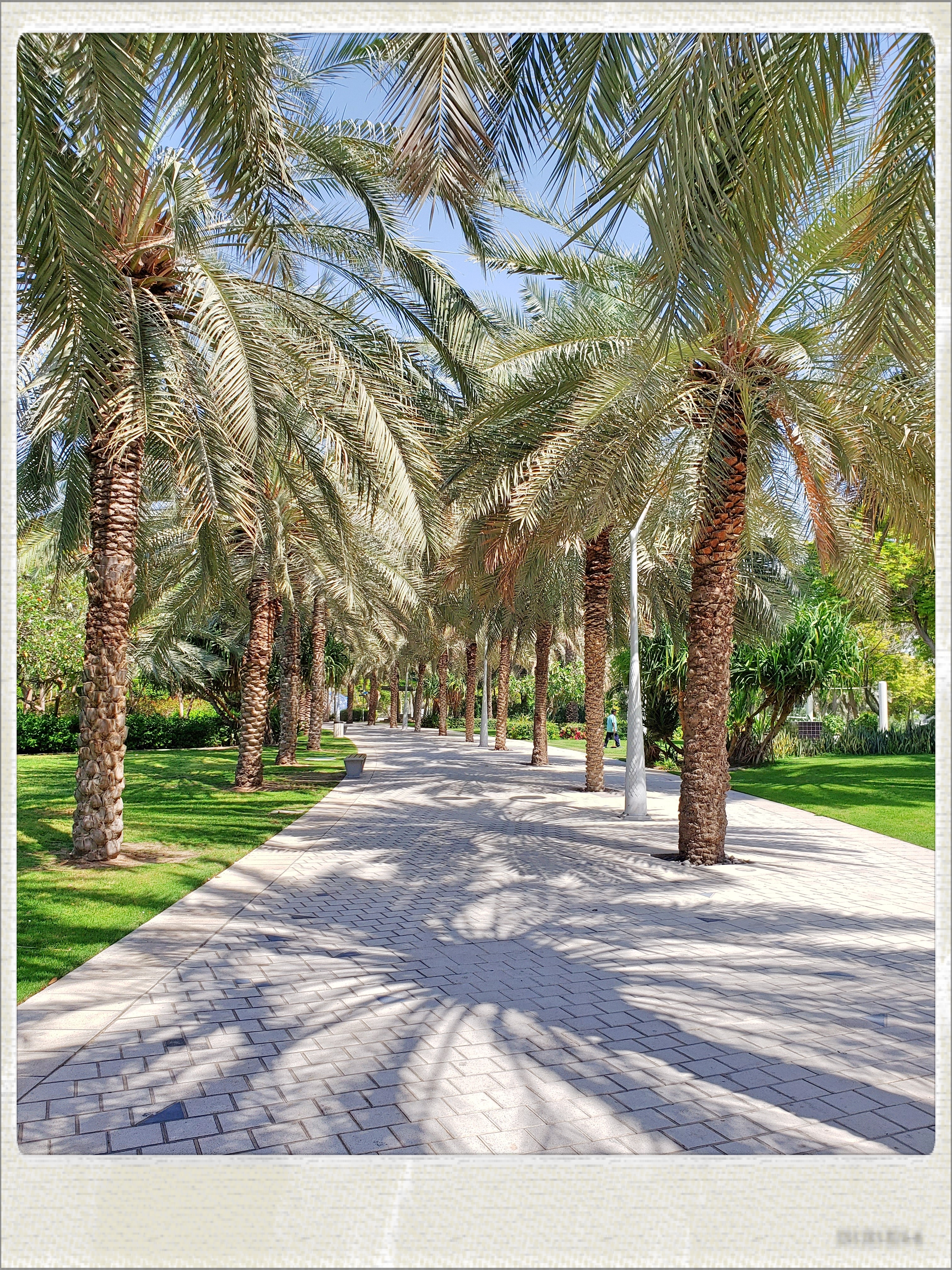
Zabeel Park and Dubai Frame
Being the iconic landmark in Zabeel Park, Dubai Frame was on the par with its striking counterparts of Burj Khalifa or Burj Al Arab in terms of enormity and flashiness.
Smothered with the patterned golden livery of Dubai’s Expo 2020 brand, the Dubai Frame has been dubbed ‘the largest picture frame in the world’
 My Travel Journal TWO